Baby room humidity level: what is the ideal level for their health?
Nateo CONCEPT
Optimal humidity level for baby's room: guide
Does your newborn often wake up at night with a dry cough, stuffy nose, or irritated skin? Behind these sometimes mundane signals lies a very often invisible but determining factor: the humidity level in the baby's room.
Neither too dry nor too humid, the air your child breathes directly influences their sleep, comfort and respiratory health. Understanding what humidity level is recommended, knowing how to identify the risks and act effectively allows you to create a truly healthy and secure cocoon.
What is the ideal humidity level in a baby's room?
The range recommended by experts
💡 The ideal humidity level for a baby's room is between 45% and 55%, with an optimal balance point around 50%, especially when the temperature is between 19 and 20°C.
This range ensures air that is humid enough to protect the respiratory system, without creating an environment conducive to allergens. It corresponds today to the recommendations most frequently cited by pediatricians and indoor air quality specialists.
👉 In the existing article, the 40% – 60% range remains valid. The 45% – 55% approach simply allows for refinement and targeting of the physiological optimum for an infant.
Why is humidity so important in baby's room?
The humidity level in a baby's room is not limited to a matter of comfort. It plays a fundamental role in protecting their respiratory system and still immature immune system.
Unbalanced air can cause irritation, promote ENT infections and permanently disrupt sleep. In newborns, mucous membranes are particularly sensitive to humidity variations, which explains their increased vulnerability.
Studies show that air that is too dry irritates the nasal mucous membranes and increases the risk of colds and nighttime coughs. Conversely, excessive humidity transforms the room into favorable ground for mold and dust mites, formidable allergens for baby's fragile lungs.
Maintaining a good humidity level is therefore a genuine health prevention measure, just like temperature or bedding quality.
Why is this balance crucial for baby?
A newborn's respiratory system is still developing. Air that is too dry acts like a desert for their mucous membranes, while air that is too humid becomes a microbial jungle.
Maintaining stable humidity around 50% means offering baby a respiratory environment comparable to a perfectly balanced temperate zone, conducive to deep, restorative sleep.
Air too dry or air too humid: what are the risks for baby?
When the air is too dry (< 40%)
In winter, heating quickly dries out the ambient air. When the humidity level drops persistently below 40%, several signs appear:
- Dry skin and lips
- Nose and throat irritation
- Nighttime dry cough
- Fragmented sleep
Air that is too dry also prevents the nasal mucous membranes from playing their role as a natural filter against viruses. Result: baby gets sick more easily.
When the air is too humid (> 60%)
Conversely, an excessive humidity level promotes an invisible but dangerous environment. Mold and dust mites love humid atmospheres.
Prolonged exposure can lead to:
- Respiratory irritations
- Early allergies
- Increased risk of asthma
- Recurrent bronchiolitis
💡 Did you know?
A humidity level above 60% can multiply by 1.5 to 3 the risk of allergic sensitization in children.
Adjusting humidity levels when baby is sick
In case of cold or dry cough
Contrary to popular belief, drying out the air does not help baby breathe better. Air that is too dry accentuates the irritation of already inflamed mucous membranes.
👉 The right practice: temporarily aim for a level between 50% and 55%.
This helps thin secretions, soothes dry cough and improves respiratory comfort, without medication.
This measure remains a comfort supplement, never a substitute for your pediatrician's advice.
What about bronchiolitis?
Bronchiolitis requires great caution. Pediatricians now agree on one point: over-humidifying the air provides no demonstrated benefit.
It is recommended to maintain stable humidity around 50%, without trying to increase the level further. Excessive humidity could even worsen the allergenic environment.
How to measure the humidity level in baby's room?
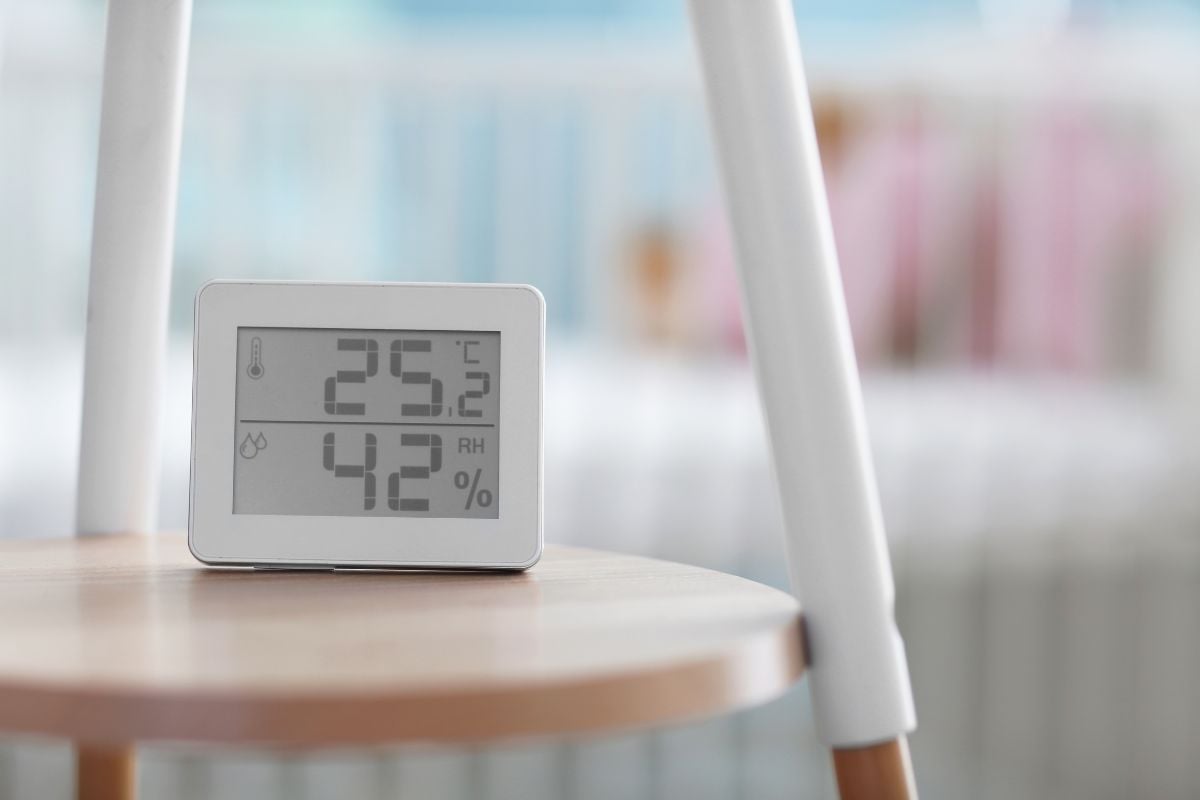
You cannot regulate what you do not measure. The essential tool is therefore the hygrometer.
Simple to use, it displays the ambient humidity level in real time. Placed at bed height, away from heat sources, it allows you to monitor daily variations and act at the right time.
It is the starting point of any effective strategy to protect your child's bronchi.
How to effectively regulate humidity on a daily basis?
Adapt according to the seasons
In winter, heating strongly dries out the air. This is the most critical period for respiratory irritations. Increased vigilance is necessary to raise the humidity level.
In summer, especially during stormy periods, the challenge is reversed. Good ventilation prevents the air from becoming heavy and humid, while improving sleep quality.
Humidifier, dehumidifier and simple actions
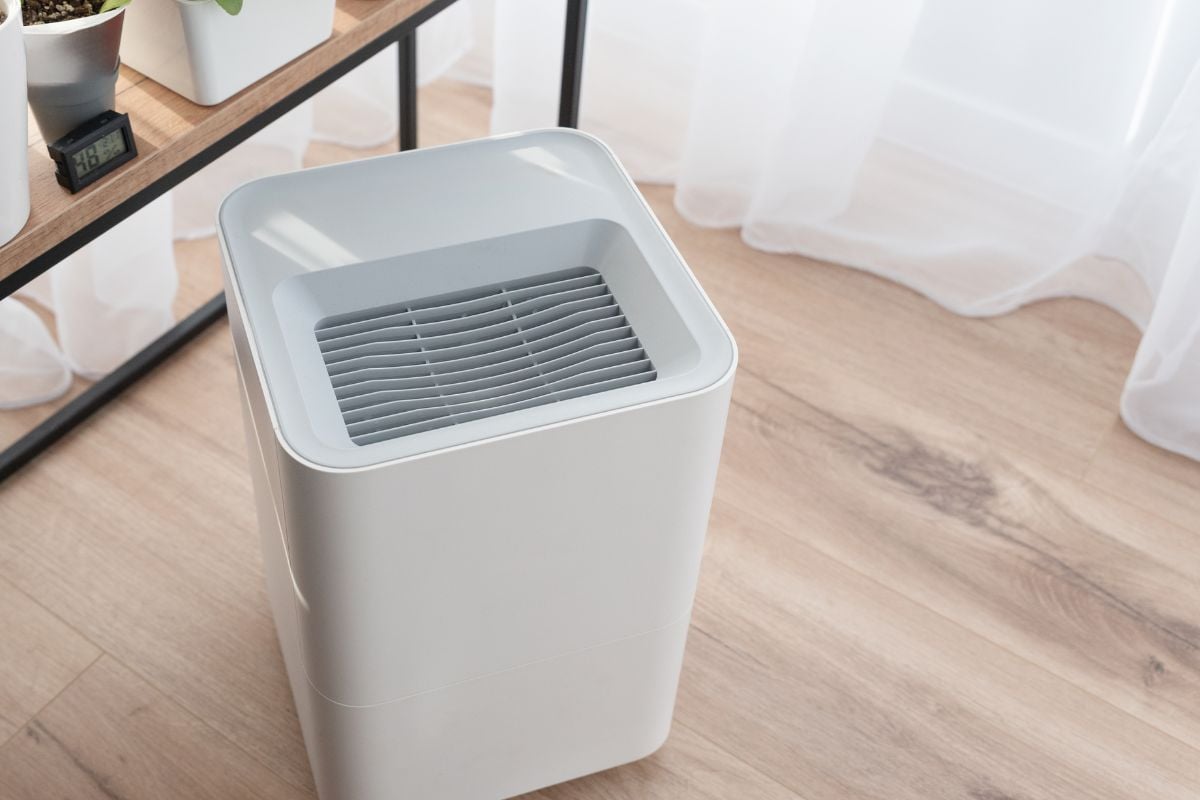
When the air is too dry, a cool mist or ultrasonic humidifier is an effective solution. If it is too humid, a dehumidifier helps restore a healthy environment.
Essential best practices:
- Use low-mineral water
- Clean the device very regularly
- Never add essential oils
But simple actions are often sufficient:
- Air out the room for 10 to 15 minutes per day
- Do not dry laundry in the room
- Maintain a stable temperature around 19–20°C
The dangers of poorly regulated humidity levels
Air that is too dry can cause irritation, frequent colds, sleep disturbances and skin discomfort. Conversely, excessive humidity promotes mold, dust mites and respiratory infections.
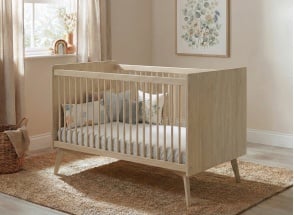
Maintaining the right humidity level contributes directly to quality sleep, just like choosing an appropriate baby bed and a breathable mattress, essential elements of a healthy room.
Focus on devices to regulate humidity
Humidifiers are particularly useful in winter. Choose quiet, safe and easy-to-clean models.
Dehumidifiers are valuable in humid homes. They effectively limit mold and create a healthier atmosphere for baby.
Combined with good ventilation and quality bedding, these devices contribute to a lasting balance.
To remember: the right humidity level for baby
Maintaining a humidity level around 50% is one of the pillars of a healthy environment for your child. By monitoring the ambient air and adopting the right practices, you offer baby a protective cocoon, conducive to peaceful sleep and harmonious development.
Sage green and wood bedroom: how to create a natural and soothing space
Children's bed size: the complete guide for healthy and safe sleep
How to decorate your bedroom with healthy materials?