Child's room color: creating a soothing cocoon in 2026

- Categories : Inspiration

Nateo CONCEPT

Which colors to choose for a child's room?

From the calming virtues of natural shades to the golden rules of Feng Shui, discover the keys to composing a harmonious chromatic palette that will accompany your little one's development and creativity for many years.

Beyond aesthetics: the psychology of colors in the child's room

Create a cocoon of serenity for peaceful nights

Sleep remains the nerve center for parents. Focus everything on calming colors. Blue or green physically slow down the heart rate and establish immediate calm.

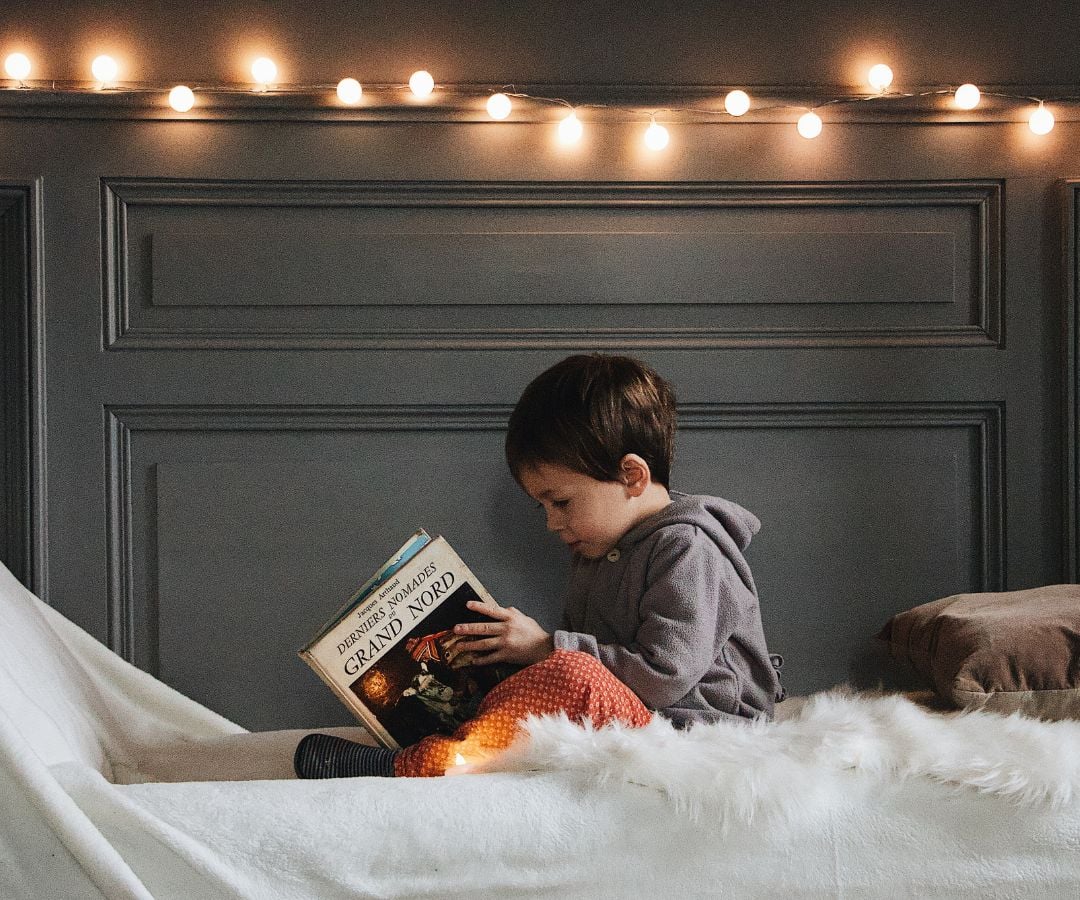
Forget clinical white and opt for a deep "Bleu Régate" or a subtle "Gris Cuirassé". These enveloping shades create the meaningful atmosphere necessary for deep and restorative sleep.

This is the non-negotiable foundation to guarantee a perfectly rested and serene child upon waking.

couleur-chambre-enfant-paisible
couleur-chambre-enfant-joie-de-vivire

Stimulate creativity and joy of living

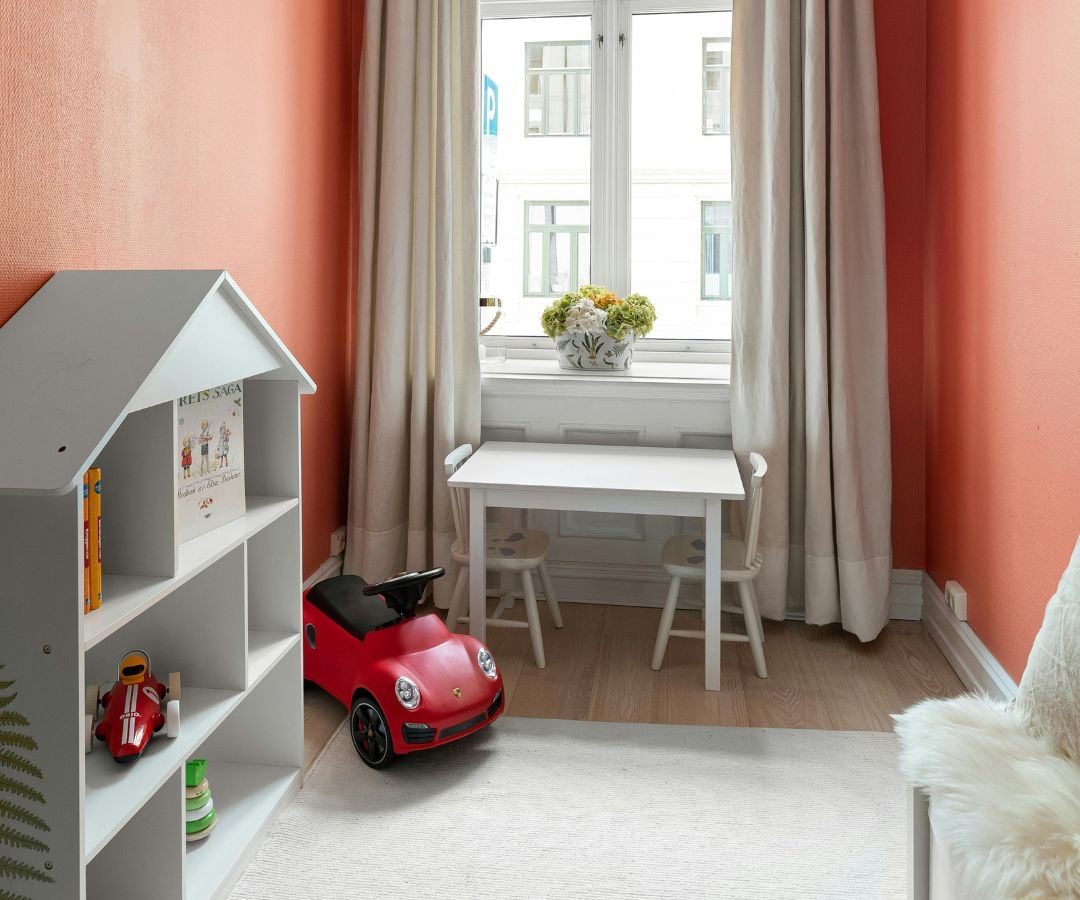
Let's now talk about the play area. Bright colors, like yellow or orange, act as mental fuel. They instantly boost creativity and the energy needed for daily discoveries.

Beware of the "total look" trap that tires the eye. These powerful shades are used sparingly, ideally on an accent wall or in the play area, so as not to spoil rest. Red is only integrated in small touches to energize the whole.

The direct impact on mood: the right balance

The perfect equation is based on the balance between warm, reassuring colors and cool, more stimulating ones. The secret lies solely in intelligent dosing to guarantee a balanced atmosphere.

The impact of colors in a child's room is very real and deserves our attention.

  • The color memo
  • For calm: Sky blue (serenity), Water green (balance), Greige (softness).
  • For energy: Sunshine yellow (joy), Soft orange (creativity), Red in touches (dynamism).

Choosing the right palette according to age and personality

Now that we have the psychological basics, let's get practical. Forget the pink/blue clichés. The real question is: who is your child and what do they need to thrive?

For toddlers: softness and versatility

For a baby's room, softness is key. Their vision is developing, visual aggression must be avoided. Think soothing cocoon.

Highlight pastel shades and functional whites like "Papier Mâché". These colors are a healthy and evolving base.

Choosing the perfect colors for a baby's room requires a specific approach.

When the child grows: a space that evolves with them

Around 3-4 years old, the child asserts their tastes. The idea is not to repaint everything every year. The solution: an evolving decor. We bet on neutral and timeless colors for the walls.

The secret to a successful room? A neutral and timeless base. The dinosaur posters will pass, but a beautiful greige wall will remain.

Mixed or shared room: finding common ground

The challenge of a mixed or shared room? Creating common ground. Forget stereotypes and seek harmony.

Offer nature-inspired palettes: greens, beiges, universal blues. Or go with a common theme like forest or ocean, which offers a wide range of neutral colors accepted by everyone.

2026 Trends: the colors that will shape tomorrow's room

Want a room that's on trend? Perfect. Let's take a look at what's emerging for 2026, beyond the eternal pastels that are starting to tire everyone.

The new natural shades: earth, clay and plant

The 2026 trends mark the great return to nature. We're talking about natural, warm and authentic colors that connect the space to the earth.

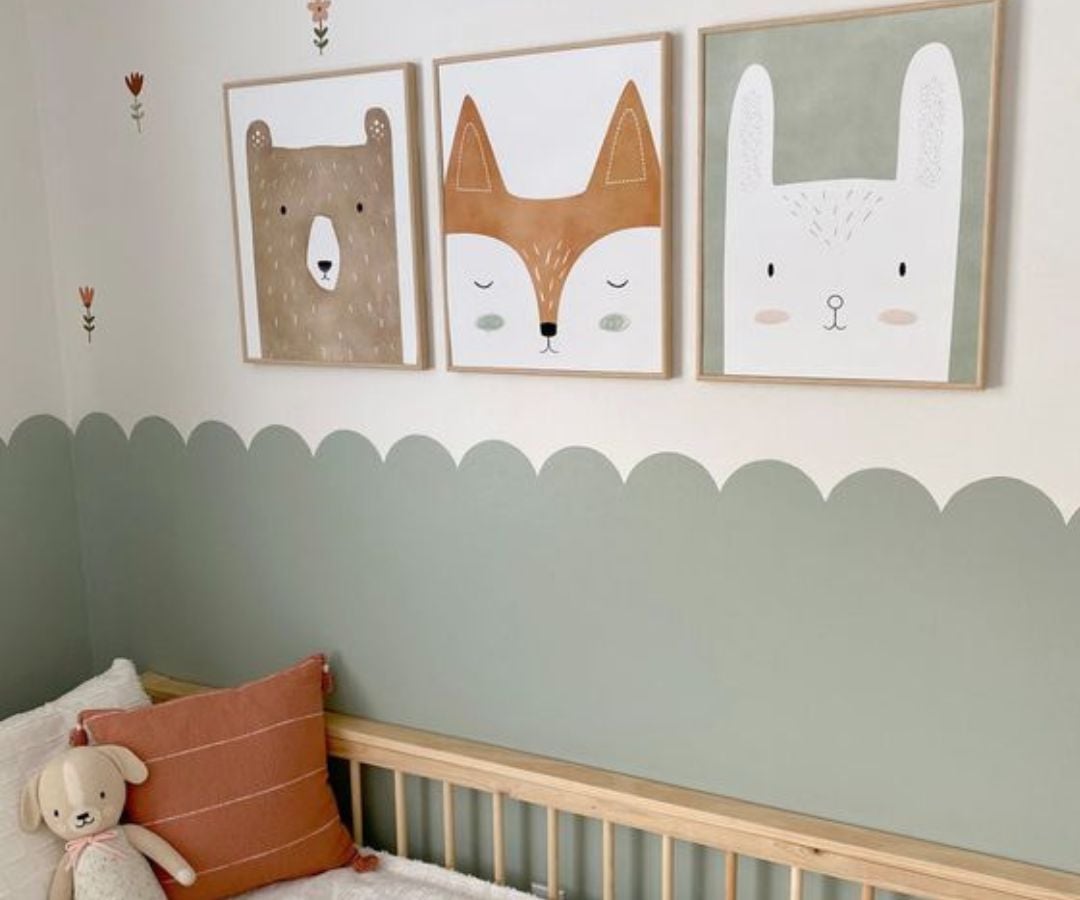
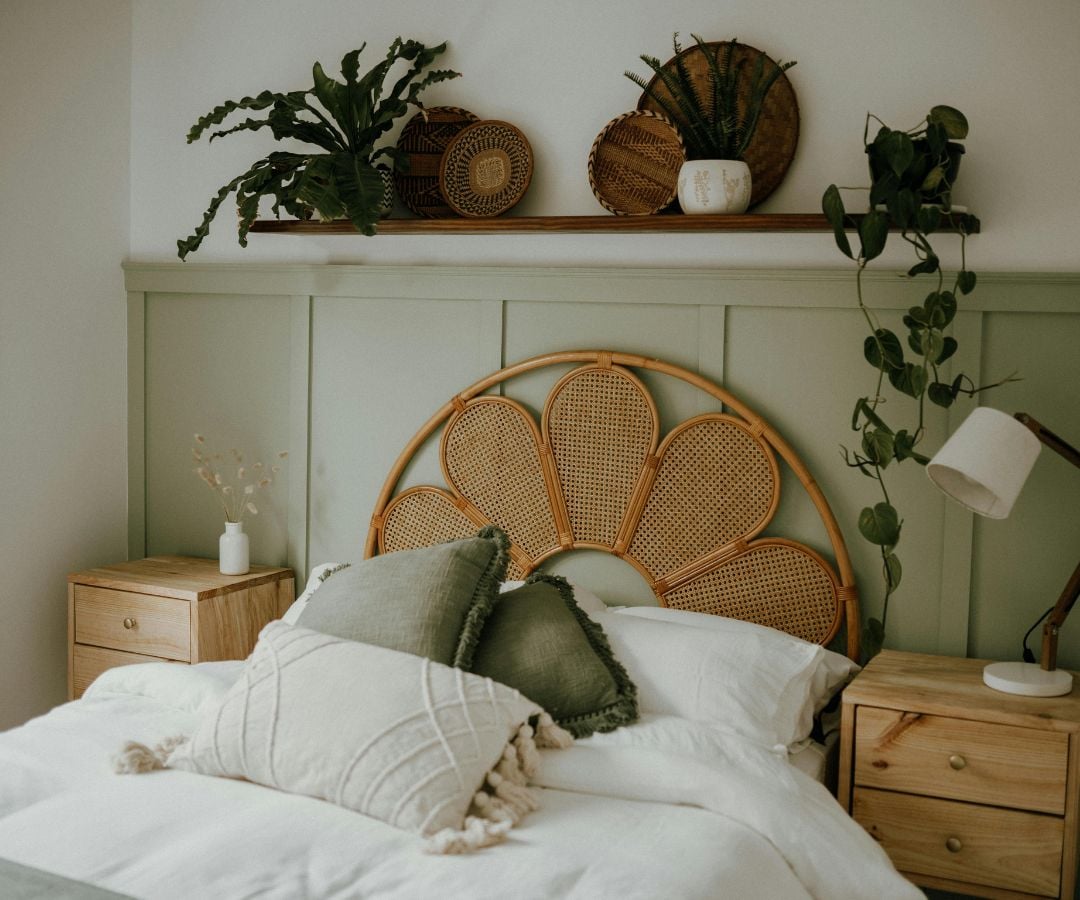
Favor shades like terracotta, ochre, and especially sage green. These colors are both soft, warm and incredibly chic. They create a healthy and reassuring cocoon.

couleur-chambre-enfant-naturelles
couleur-chambre-enfant-audacieuse

The return of deep and bold colors

Another strong trend: boldness. No more fear of dark colors. Deep colors create enveloping atmospheres full of character.

Dare a navy blue, a forest green or a burgundy on a single accent wall. Perfect behind the bed to create a very intimate and secure sleeping corner.

How to combine colors without going wrong

Combining colors is an art. You can play with contrasts using complementary colors (blue/orange), but in a softened version for a child's room.

  • Winning combos for 2026: Sage green, Rosy beige and a touch of brass.
  • Night blue, Ochre yellow and light wood.
  • Terracotta, Pearl grey and rattan.

FAQ

What is the ideal color for a durable and evolving child's room?

Opt for neutral and timeless shades like greige, off-white or soft grey. They adapt to all ages and styles. Choose water-based, VOC-free and washable paint for greater durability.

Sage greens and sky blues, inspired by nature, promote calm and relaxation. Perfect for dynamic children who need to relax in the evening.

Deep blues or night blue soothe and encourage sleep. To be applied preferably on the headboard wall to avoid darkening the room.

Warm and natural tones soft terracotta, sand beige, camel create a comforting and enveloping atmosphere, ideal for soothing nighttime fears.

Make way for unisex and natural palettes: forest green, ochre, velvety brown or clay. The “slow deco” style focuses on ecological materials and deep shades full of character.

Powder pinks and light lilacs have a soothing and nurturing effect, especially when paired with natural materials like wood or rattan.

Sunshine yellow and soft orange stimulate creativity without exciting. To be used in small touches, especially in the play or study area.

Discover our children's universe