What size baby bed to choose for optimal sleep?

- Categories : Tips

Nateo CONCEPT

Baby cot: the ultimate guide

Discover our advice for finding the right cot for your baby's needs and your space.

What is the ideal size for a baby cot?

Choosing a baby cot is a crucial step for all parents. Between the different dimensions, safety standards and specific needs of your infant, it can be difficult to know where to start. An uninformed choice could impact your child's sleep, as well as their safety and comfort. So, how do you ensure you're making the right choice? Let's explore each essential aspect together.

Standard baby cot dimensions

60x120 cm or 70x140 cm: which size to choose?

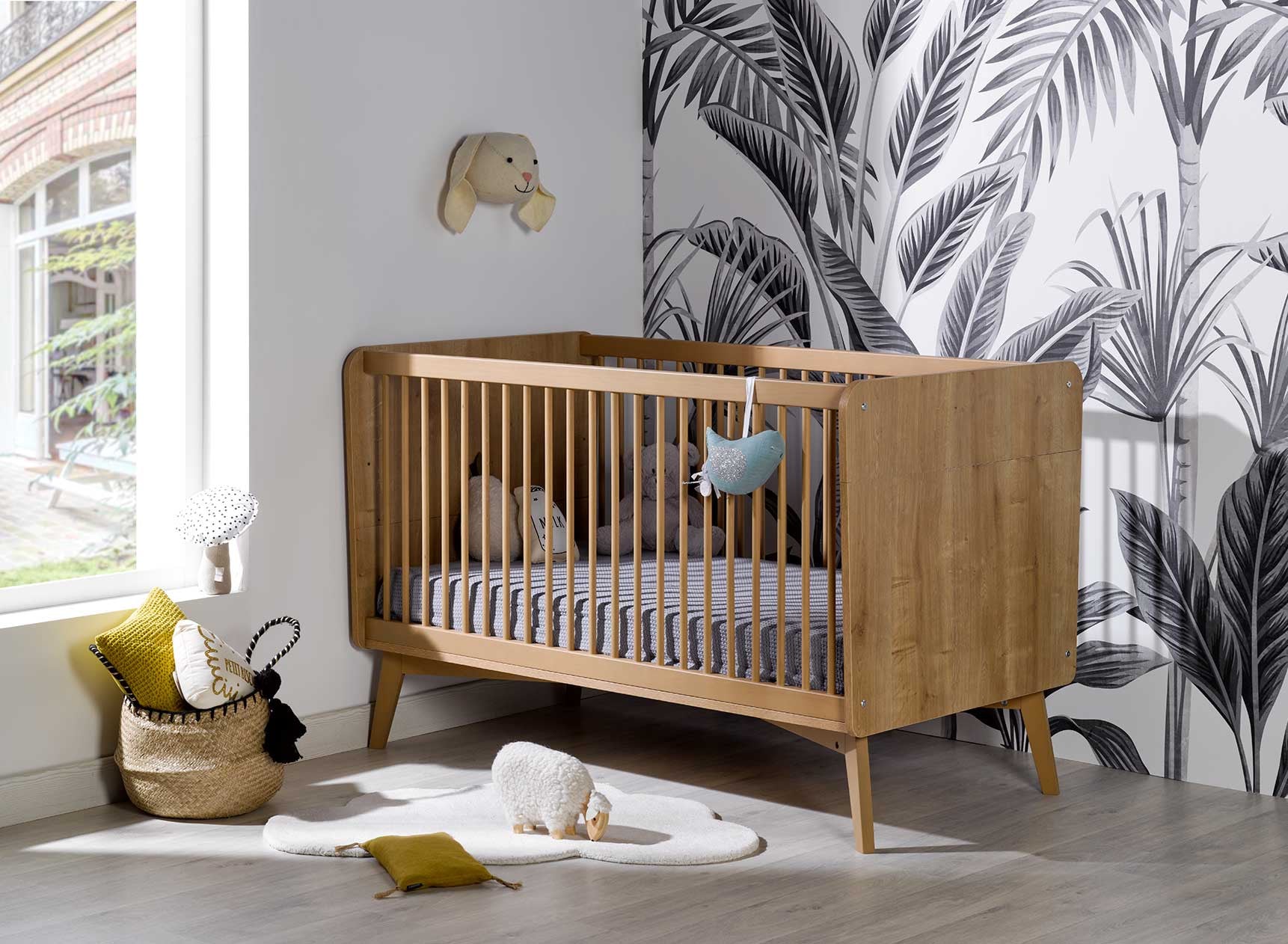
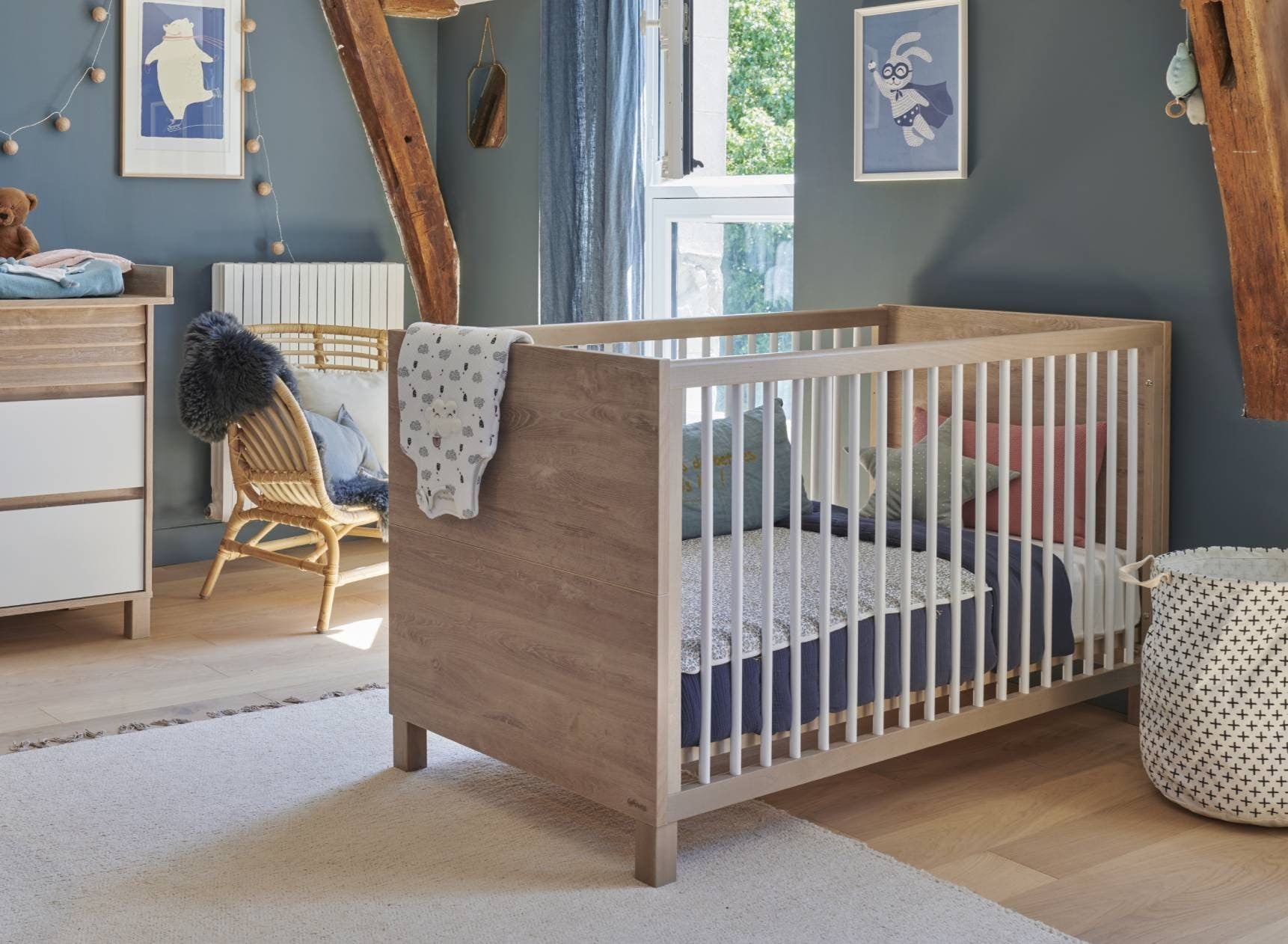
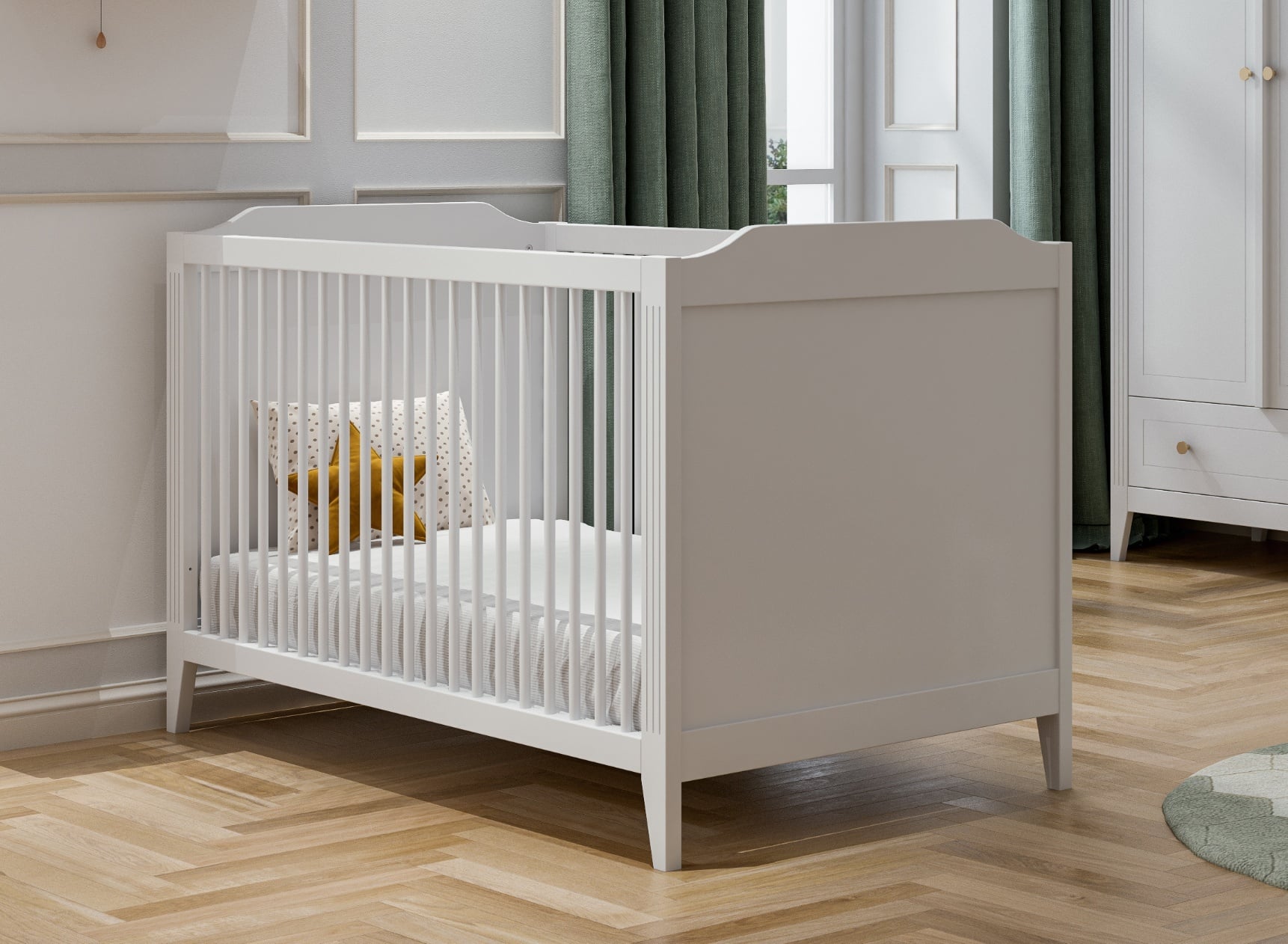
The two most common sizes for a baby cot are 60x120 cm and 70x140 cm. The first is perfect for small spaces or temporary use, such as in a parent's bedroom. With a length of 120 cm, it's ideal for babies up to about 2 years old. On the other hand, the 70x140 cm model, slightly larger, offers a durable solution that can accompany your child until they are 4 years old, or even longer. But be careful: a larger cot requires a suitable mattress and takes up more space in the room.

💡 And what about alternatives like the carrycot or the cradle? These compact solutions are perfect for a newborn's first few months, but they don't replace a real cot when your baby starts moving actively. Think of them as a gentle transition to more spacious sleeping arrangements!

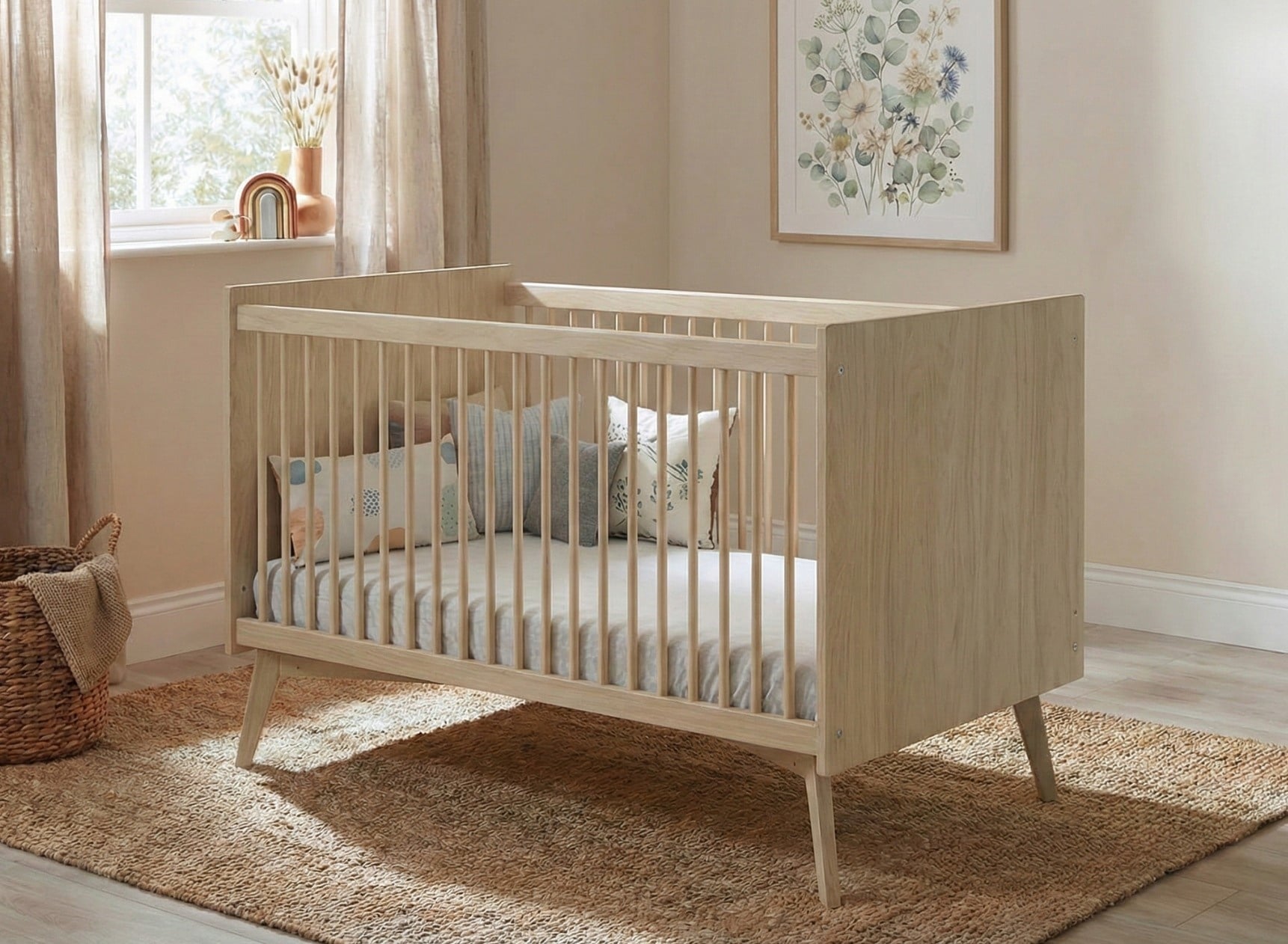
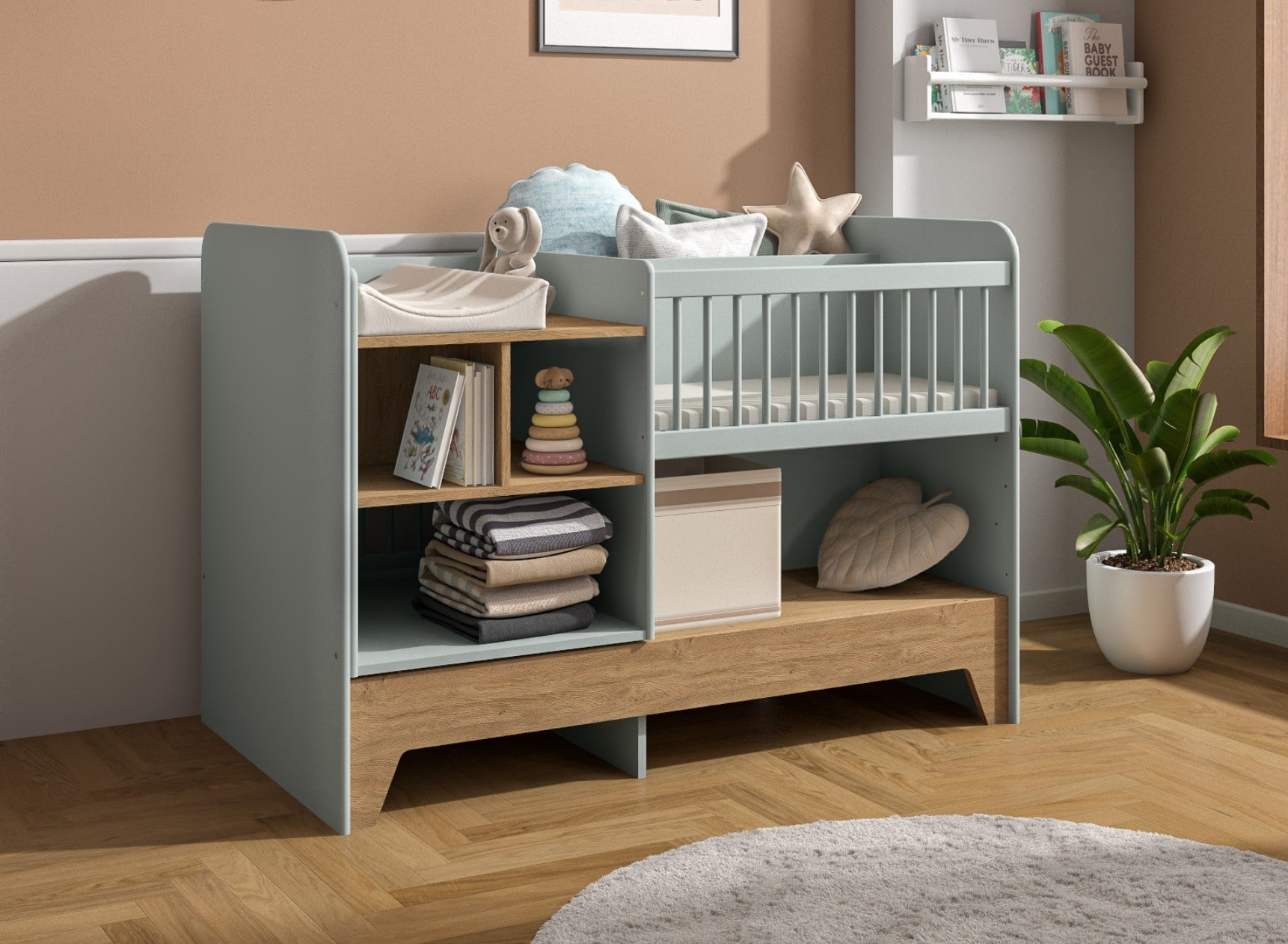
Convertible cot: a long-term solution?

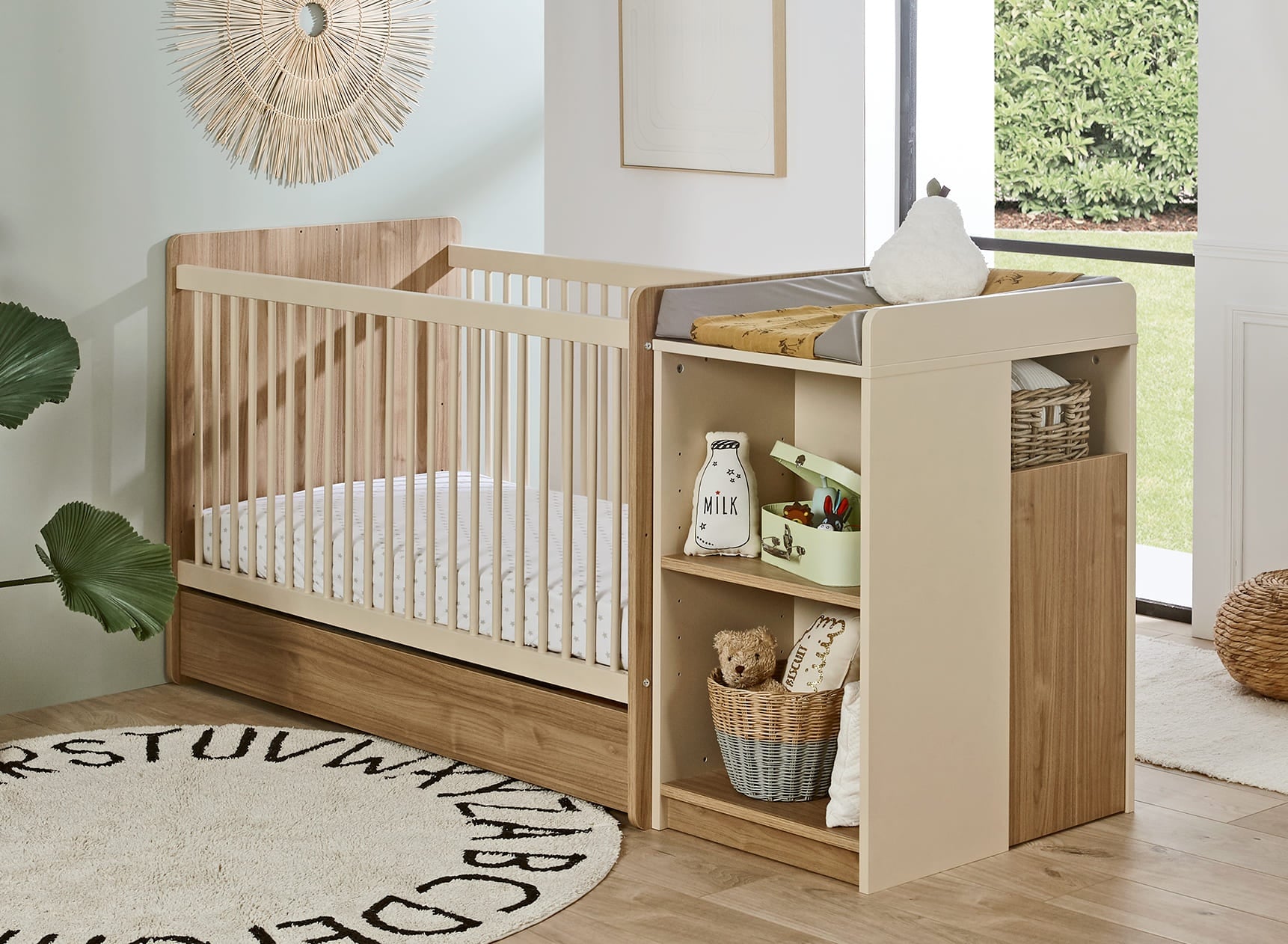
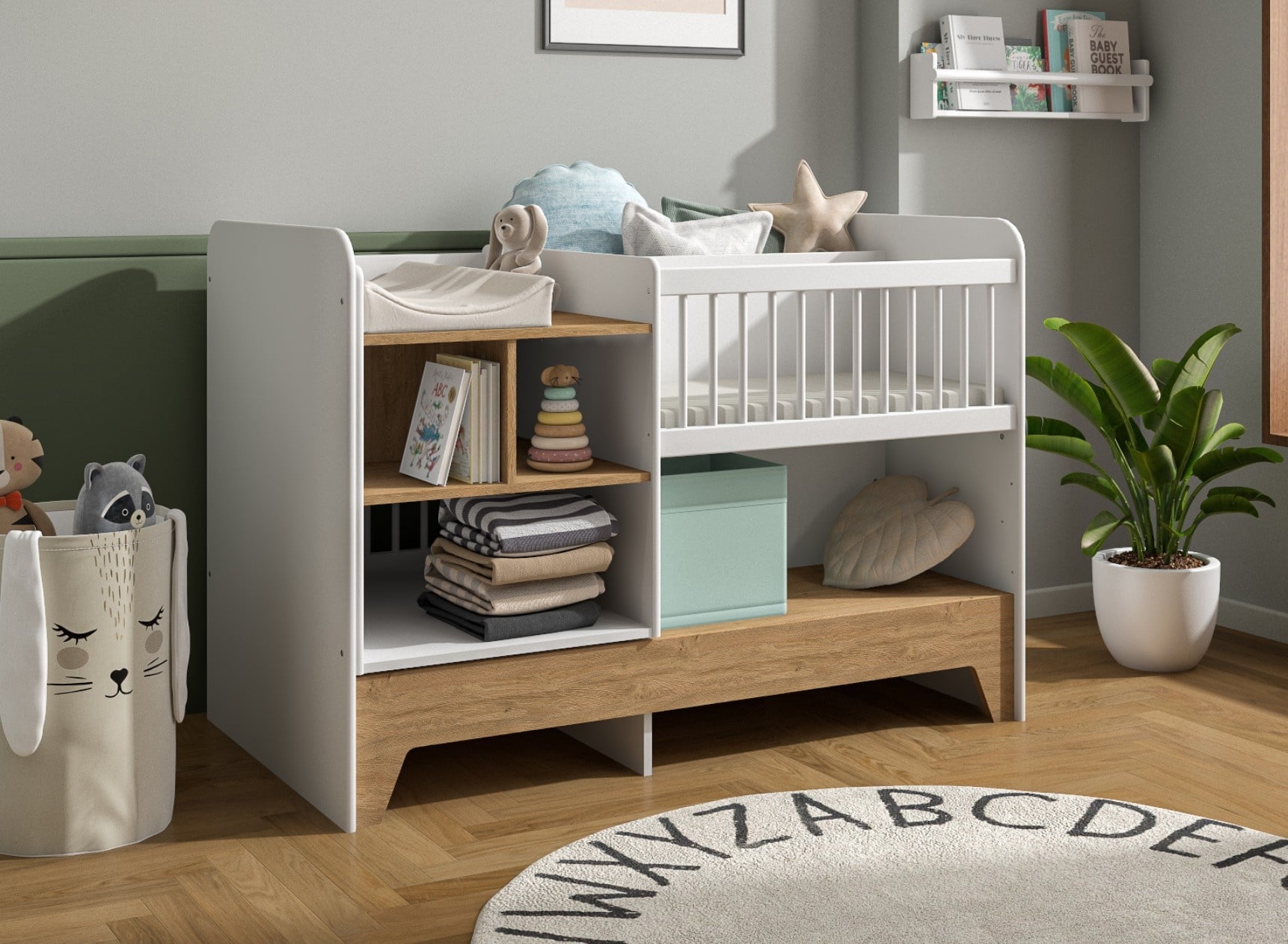
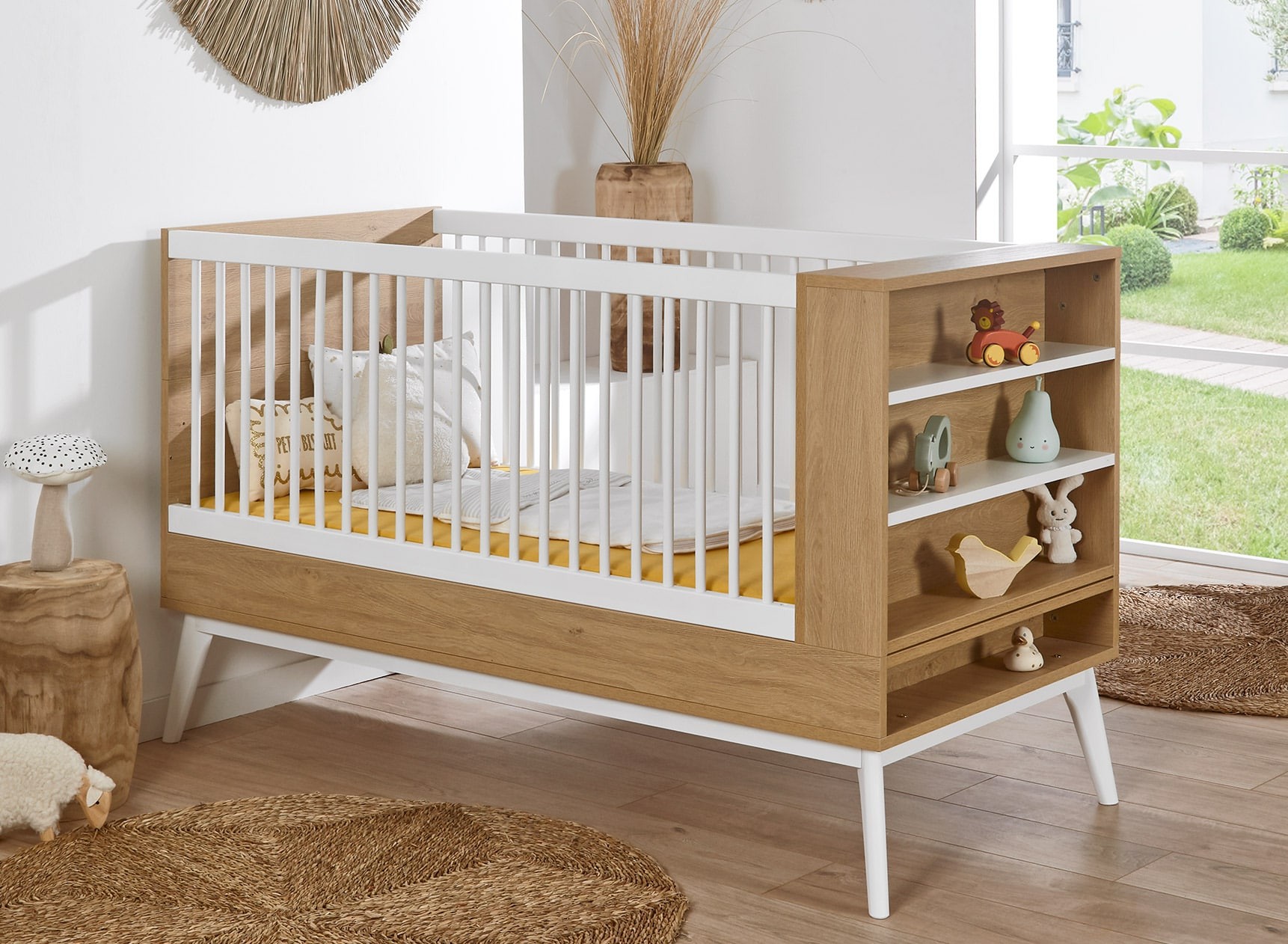
Looking to invest in a durable piece of furniture? The convertible cot could be your best ally. This type of cot easily transitions from a 70x140 cm format to a standard child's bed by simply removing the bars or adjusting the structure. This means you won't need to buy a new bed after just a few years. However, this model may represent a higher initial cost and sometimes requires specific tools for adaptation. It's up to you to weigh the advantages against the disadvantages!

Spacing standards: a vital issue

Did you know that the spacing between cot bars plays a key role in safety? According to the European standard NF EN 716-1, this spacing must be between 4.5 and 6.5 cm to prevent your baby's head or arms from getting stuck. This rule also applies to convertible cots and any other type of structure used for infant sleeping. Never overlook this aspect when making a purchase!

Safety first

Strict compliance with European standards

When buying a cot, always look for the mention "compliant with European standard NF EN 716". This certification guarantees that the product meets essential criteria in terms of material strength, bed base stability and absence of dangerous elements such as sharp edges or small detachable components.

Thorough inspection: be vigilant!

Don't just rely on marketing labels! Personally inspect every detail: check if the paint used on the wood is non-toxic, make sure the bed base is securely fixed at each adjustable height level (usually three levels are available), and test the overall sturdiness of the chosen model.

Check out our blog article on innovations in baby furniture to learn more.

Mattress: the key element of comfort

Ergonomics and firmness adapted to infants

A good mattress should offer your baby firm but comfortable support to promote bone development. Choose a thickness between 10 and 12 cm to ensure a good distribution of weight over the entire sleeping surface. However, avoid mattresses that are too soft as they can pose a potential danger to infants in case of accidental suffocation.

Discover our selection of eco-friendly baby mattresses.

Breathable and hypoallergenic cover

The mattress cover also plays a crucial role in your child's night-time comfort. Opt for breathable materials such as organic cotton or OEKO-TEX certified fabrics guaranteed to be free from harmful substances. A removable, machine-washable cover is also recommended for easy regular maintenance!

Where to place the cot in the room?

Safety and accessibility above all

Avoid placing the cot near a window or under a shelf loaded with heavy objects that could fall. Also ensure there is enough space around the cot to easily access your baby without bumping into nearby furniture during frequent night-time awakenings (and yes, they will happen!). Natural light is important but be sure to install blackout curtains to control its intensity during daytime naps.

Lit bébé évolutif MONTMARTE

Savings with convertible cots

Investing in a convertible cot may seem expensive at first, but it often proves more economical in the long run. These models grow with your child thanks to their ability to transform into a child's bed, thus avoiding several successive purchases over the years... A practical solution that is increasingly appealing to modern families!

How to choose THE right model?

To summarise: consider the dimensions (preferably between 60x120 cm and 70x140 cm) according to your immediate and future needs; ensure all standards are met; carefully choose the mattress; and finally, think carefully about the strategic placement of furniture in the room to optimise space and safety. If you're still unsure, don't hesitate to ask for advice directly from a specialist in children's furniture!

Discover our baby furniture