What is the lifespan of a mattress and how can you extend it?
Nateo CONCEPT
Mattress lifespan: what you need to know
A good mattress can last for years... provided you take care of it! Discover how long yours can last and how to extend its comfort.
Understanding mattress longevity
Different types of mattresses
Not all mattresses are created equal. The type you choose directly influences its lifespan, its resistance to wear, and above all, your sleep quality over the years.
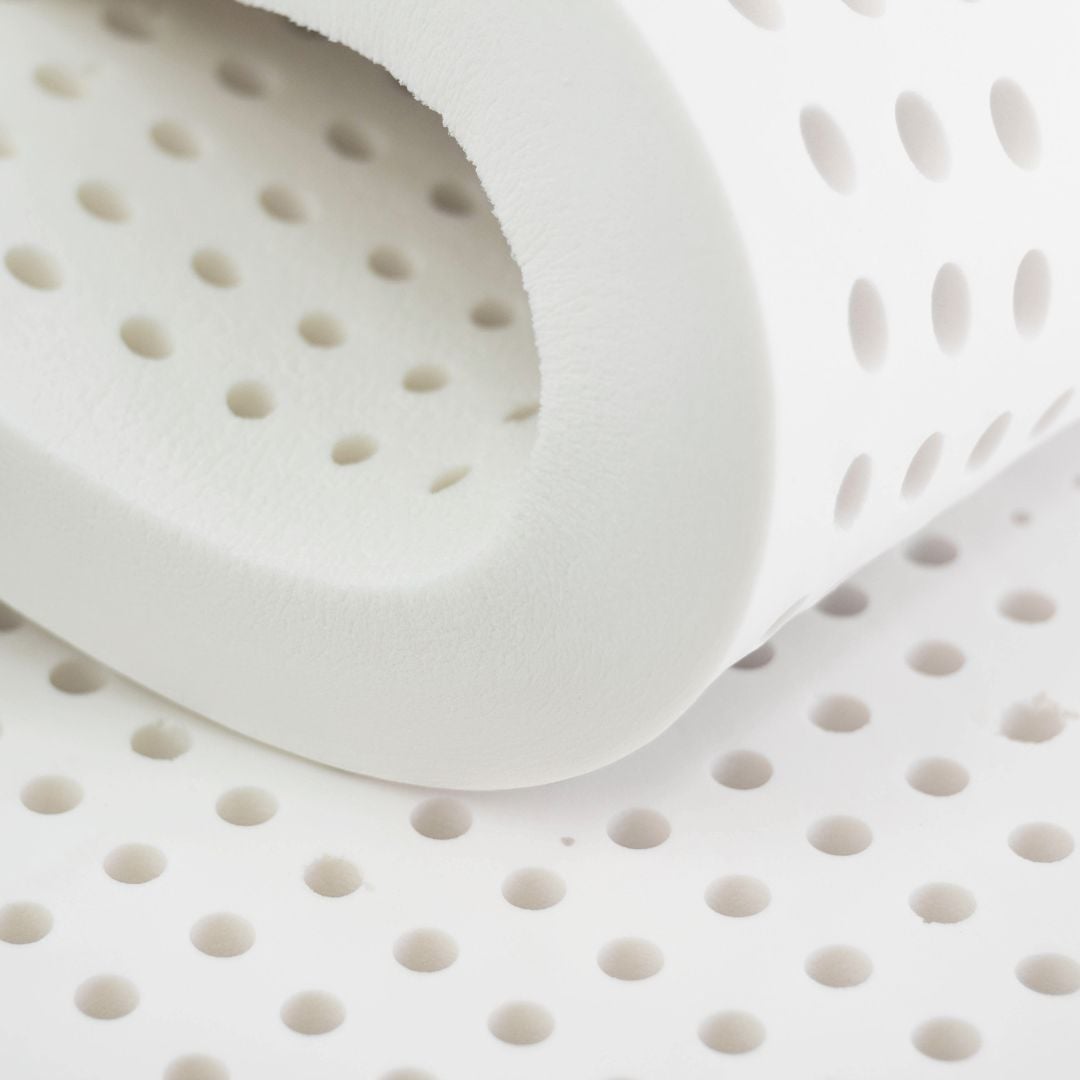
Latex mattresses, with their excellent elasticity, are often praised for their longevity sometimes exceeding 12 years. They offer excellent support, adapt well to the sleeper's morphology, and resist repeated pressure very well.
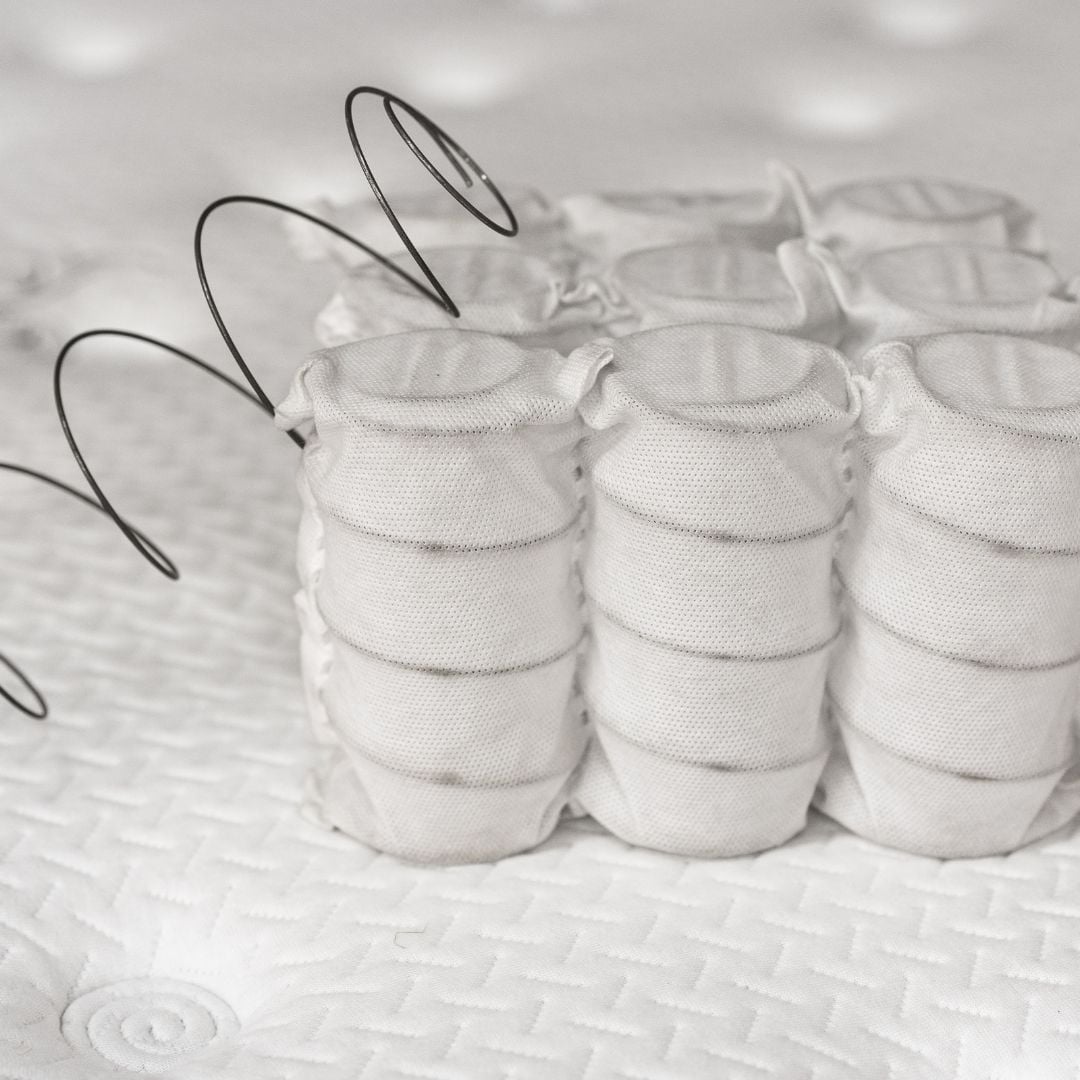
Pocket spring models guarantee good sleeping independence, but their lifespan heavily depends on the number and quality of springs. Note: a worn spring becomes noisy and loses firmness.
Finally, memory foam mattresses have revolutionized the market thanks to their ability to evenly distribute body pressure. But beware: they're not all equal. Low density means rapid deformation... A real trap for your back.
Average lifespan and wear according to quality
The average lifespan of a mattress, across all technologies? Between 7 and 10 years. However, some high-end models can last up to 15 years if well maintained... Provided the quality of materials is up to par.
The golden rule? Observe signs of wear from the first years: sagging, loss of support, reduced comfort, or painful wake-ups. A low-end mattress can start to weaken from the 4th year, especially if the sleeper's weight exceeds 90 kg.
Comfort, health, and morphology: an essential relationship
A good mattress is one that follows your morphology, reduces pressure points, and promotes true muscle relaxation during sleep. Unfortunately, a poor choice can cause insidious chronic pain: lower back pain, cervical migraines, or even circulatory problems.
More than just a bedding product, a suitable mattress acts as a preventive tool for your health. And that? Few manufacturers remind you of this during the purchase...
Signs of wear and need for replacement
Identifying sagging
A sagging mattress isn't just uncomfortable... it becomes dangerous. The first obvious sign? The visible deformation in the center or in areas where you usually sleep. This phenomenon indicates an irreversible loss of the internal support system.
But that's not all: if you feel your body "falling" into a hollow or you constantly need to change position to avoid pain, it's time to act.
Morning pain and non-restorative sleep
Come morning, do you feel tension in your lower back or shoulders? This isn't normal. These pains are often linked to poor management of pressure zones during the night – a common problem when sleeping independence is absent or altered by the age of the equipment.
If your wake-ups are more painful than soothing... it's clearly a red alert on the general condition of the mattress!
Objective criteria for judging condition
How to know with certainty when it's time to replace your bedding? Here are three infallible criteria:
- No more comfort despite proper hygiene
- Regular occurrence of allergies (dust mites nested in the foam)
- Notable loss of firmness or unbalanced support between two sides
These signals should trigger an immediate reaction if you wish to preserve your nighttime quality of life.
Practical tips to extend lifespan
Regular maintenance and structured cleaning
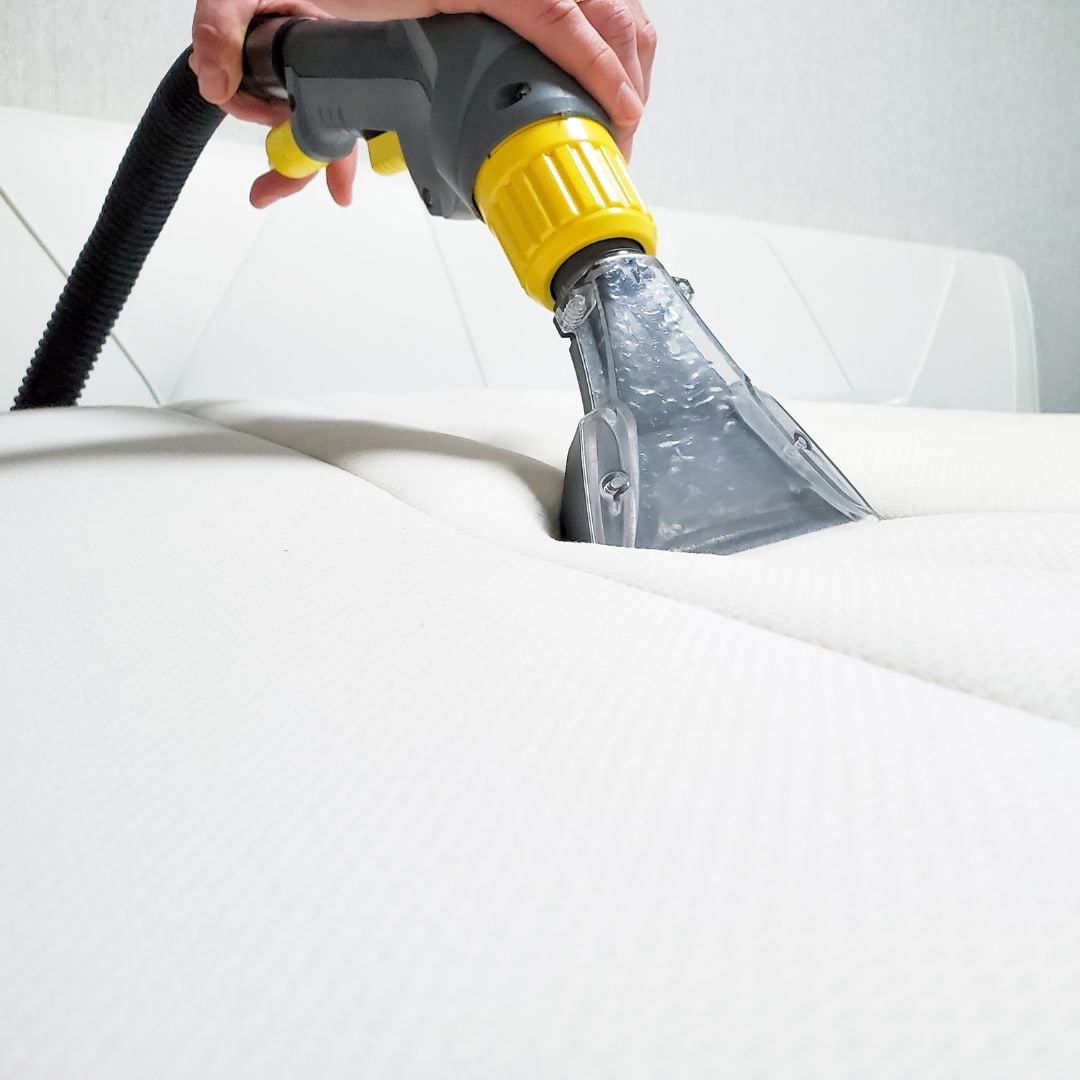
Good maintenance starts with a simple but rigorous routine: vacuum the mattress every month with a soft attachment to eliminate dust, dead skin, and allergens invisible to the naked eye.
Add to this a damp (but never soaked!) cleaning every six months with non-abrasive natural products. And most importantly: air it regularly! Because humidity is its worst enemy...
Ventilation and climate control
The bed needs continuous aeration – it needs to breathe as much as you do! Avoid solid bed bases or those without space underneath. Prefer slatted models that allow air to pass freely.
Discover our range of double beds compatible with slatted bases for optimal support.
During humid periods? Use a dehumidifier in the bedroom to prevent any bacterial growth in the core of the material.
Manufacturer's warranty: a hidden indicator?
Did you know that some warranties hide valuable information about a mattress's expected durability? A manufacturer offering 10 years shows confidence in their product... Unlike those limited to 2 years!
Always read the exact conditions: some surprising exclusions can void your rights even after just a few months...
Impact of bedding maintenance
Crucial importance of the bed base
A tired bed base ruins even the best mattress! It absorbs up to 30% of nocturnal shocks and plays a fundamental role in overall body support during sleep.
Make sure it perfectly matches your morphology (fixed slats for more firmness, articulated for more adaptation). A poorly chosen bed base considerably accelerates the loss of elasticity, even on a new model!
Accessories that make all the difference
A good mattress protector isn't just hygienic... It also significantly extends the average life of a model by preventing sweat, stains, or bacteria from reaching the core of the material.
Pillows also play their part! Poor cervical inclination increases local wear on certain areas of the bed – think about this when replacing!
Hygiene + quality = maximum longevity
The unbeatable duo remains impeccable hygiene coupled with superior initial quality. This combination allows the best high-end models to more easily reach 15 years without major loss or associated chronic pain.
Influential factors to consider
Exerted pressure and optimal density
The more pressure your body exerts (high weight or athletic build), the higher density you need to aim for – especially for memory foam! Below 35 kg/m³? Run away!
Density directly impacts structural resistance over time – it's THE factor too often neglected during impulse purchases...
Weight and morphology: why it's crucial?
A couple weighing 170 kg total should never opt for an entry-level model designed to support less than 100 kg combined... It's mathematical! The risk? Permanent compression leading to irreversible early sagging.
Also think about choosing according to your dominant position (back, side...) as this also affects different structural points in the bed.
Springs vs foam according to body function
Some morphological profiles require more than just subjective comfort; they need a precise mechanical response to nocturnal micro-movements. In this specific case, only certain hybrid systems (springs + memory foam) provide this complex adaptability essential for the long term.
To help you choose between foam or spring for your mattress, check out our blog article.
Benefits of a well-maintained mattress
Lasting comfort = preserved health
Maintaining a consistent feeling when lying down year after year isn't a luxury! It's essential to avoid recurring sciatica or chronic back pain caused by nocturnal muscular micro-inflammations.
It's scientifically proven: better sleep increases your immune defenses and improves cognitive functions right from wake-up!
Real long-term savings
Buying a good product with regular maintenance costs less over ten years than changing it every three years due to lack of care... Do the math!
Investing in a more expensive but guaranteed durable model therefore optimizes not only your nights but also your overall sleep budget.
Extended warranties = increased value
Some premium manufacturers offer up to 15 years warranty - ultimate proof that their design relies on highly resistant materials laboratory-tested against all classic forms of accelerated wear (extreme compression, repetitive torsion...).
Concluding with a durable mattress
Remember the essentials for better choice
Choosing a mattress is never just about the feel in the store... The real key criteria are invisible at first glance: actual density, tested independence, real morphological adaptation... That's what makes all the difference after several years of intense use!
Essential tips for the future
Always focus on: - Density adapted to your weight - Certified resistant materials (natural latex ideally) - A complementary bed base - Maximum ventilation And above all, monitor each early warning sign of declining nocturnal performance!
Final recommendations for your future well-being
By investing intelligently today in durable bedding combined with a good maintenance routine... You gain real comfort every night, reduce your future body pains, and maximize every cent invested thanks to exceptional longevity!
Your sleep deserves better than just a soft surface... It deserves a strategy!
Sage green and wood bedroom: how to create a natural and soothing space
Children's bed size: the complete guide for healthy and safe sleep
How to decorate your bedroom with healthy materials?