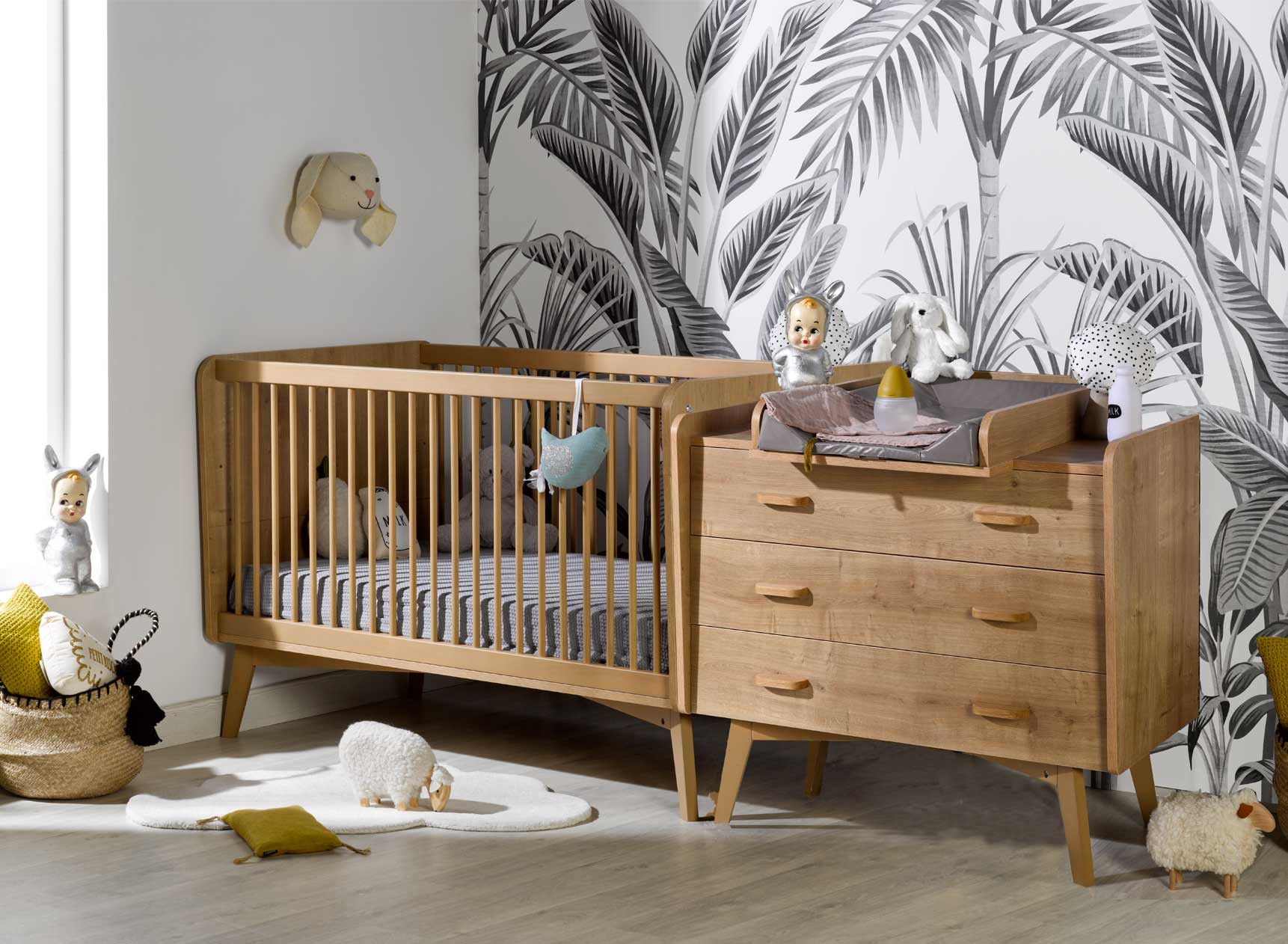
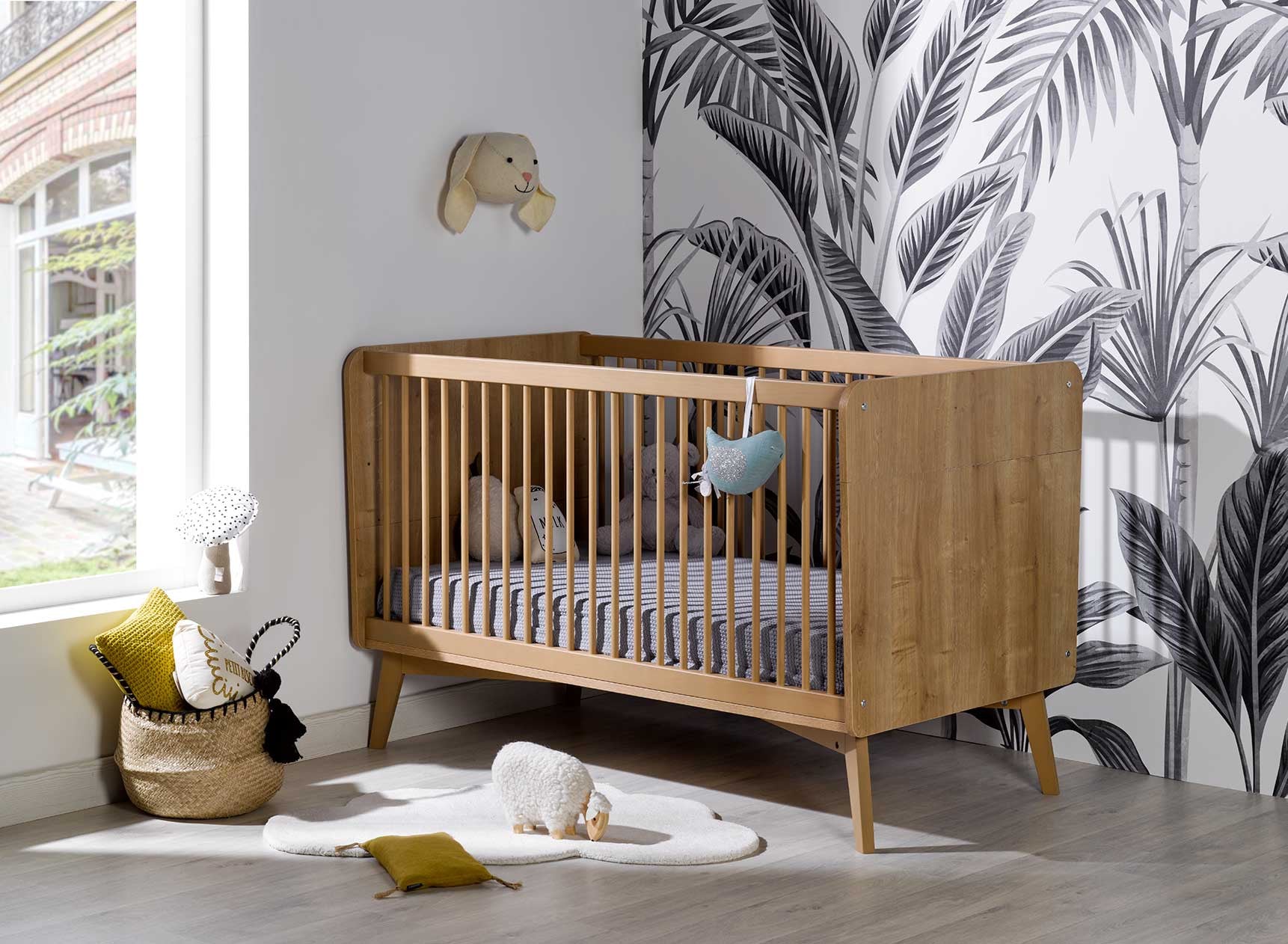
How to help baby sleep better despite the heat?
Nateo CONCEPT
Baby & heat: sleeping well in summer
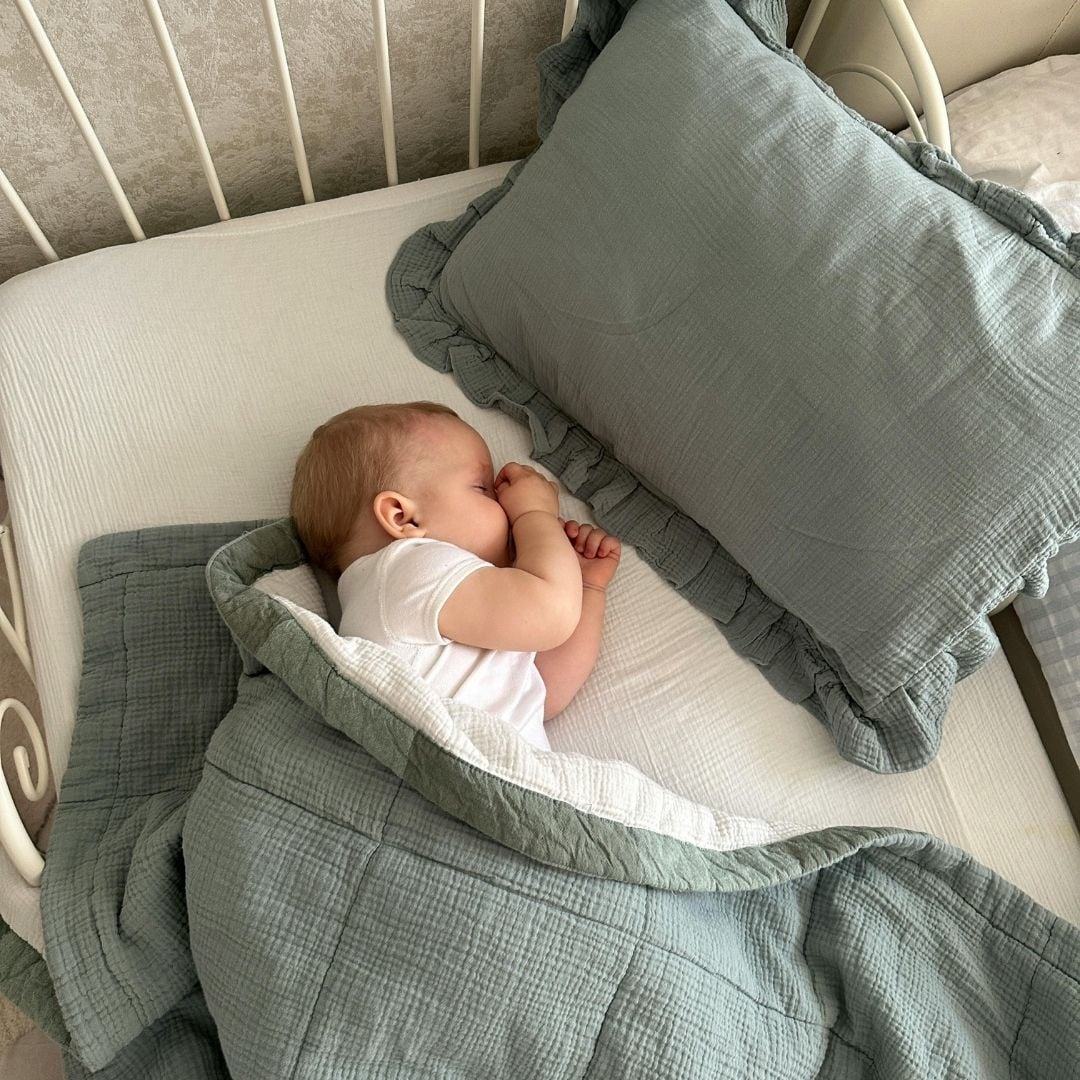
When temperatures rise and the heat becomes oppressive, your baby's sleep can quickly turn into a real puzzle. You've tried everything: open windows, fan, light pajamas... Yet, your little one wakes up crying, soaked in sweat, unable to find the comfort necessary for sleep. You're not alone.
Every parent wishes to offer their child peaceful sleep, even when humidity and heat invade the room. But how do you manage when the air is stifling and nights are as hot as days? Are there unknown but remarkably effective solutions to soothe baby without compromising their safety?
In this guide, you'll discover advanced strategies – often overlooked – validated by specialists in infant sleep in hot climates. From precise adjustments in the room to routines adapted to temperature peaks, each tip has been designed to address the real needs of babies... and your deepest concerns.
Ensuring peaceful sleep for baby
Optimal sleeping conditions in hot weather
Temperature regulation, humidity, and concrete measures
The critical threshold for safe sleep in infants is between 18°C and 20°C. But in midsummer, these values often become unattainable. To overcome this obstacle, invest in a digital thermometer-hygrometer. This small accessory allows you to precisely measure the ambient temperature and humidity level, which should not exceed 60%. Why? Because excessive humidity prevents sweat from evaporating, thus increasing the risk of body overheating.
For more information, check out our blog article on the importance of humidity in baby's room.
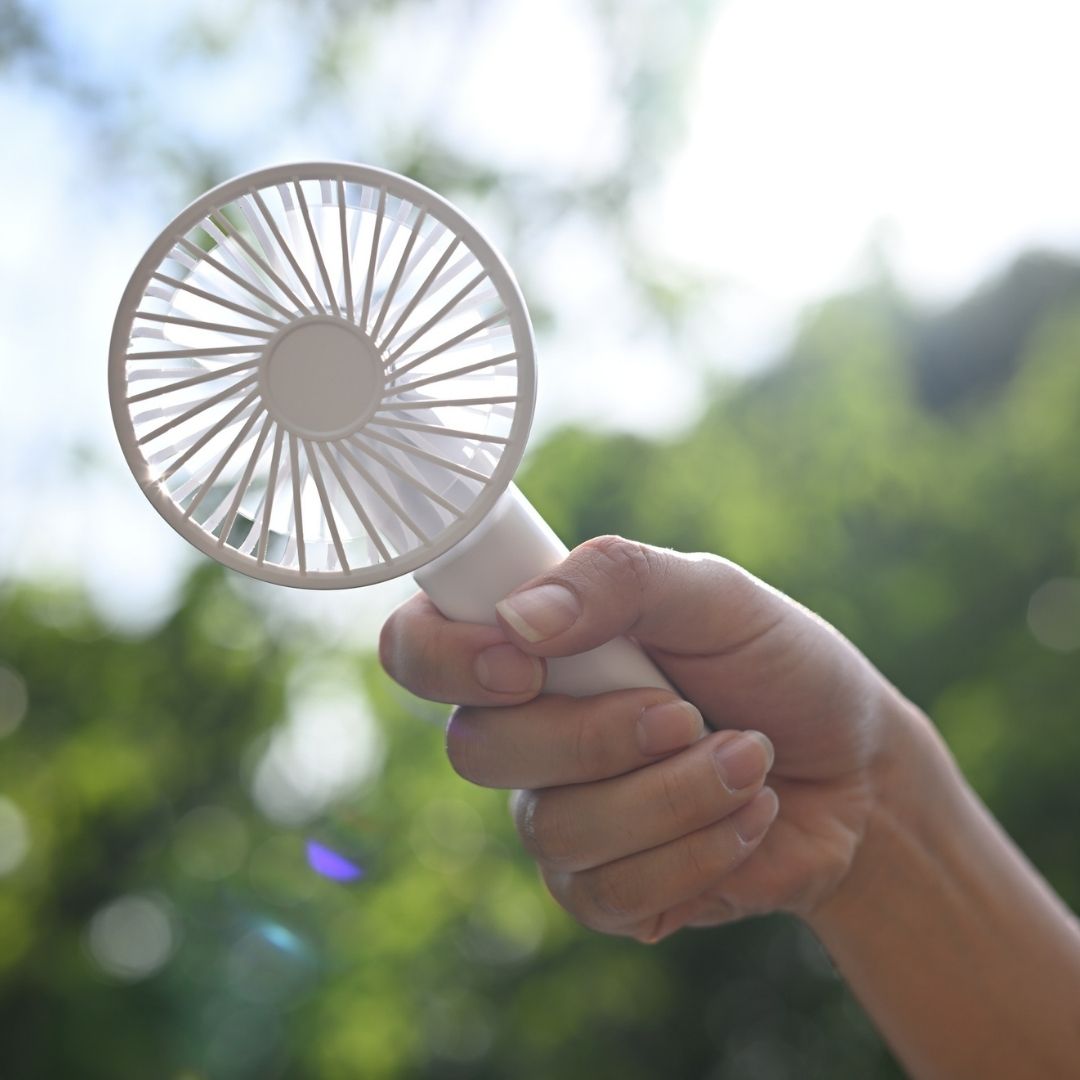
Use a low-speed oscillating fan, never directed straight at the baby. Place a bowl of cool water in front of the device: this creates a slight humid breeze that naturally cools the air without irritating the infant's sensitive airways.
Light clothing, perspiration, and dehydration
During heatwaves, forget about onesies or long pajamas. Opt for a diaper alone or a very thin organic, undyed cotton swaddle. Avoid synthetic materials that block perspiration and cause overheating and irritation.
A discreet but revealing sign? If your baby's neck is moist or warm to the touch during the night or nap, it means they're too hot. It's also a possible indicator of early dehydration, especially if their diapers are less frequent or drier than usual.
Safety related to air conditioning, fan, and cautious recommendations
Resorting to air conditioning may seem like a lifesaver... provided certain crucial rules are followed. Always maintain a maximum difference of 5°C between the outside and inside to avoid thermal shocks. Regularly clean the filters to prevent the spread of allergens or bacteria.
Position the unit away from the baby's bed and use air deflectors to direct the flow towards the ceiling or an adjacent wall. The goal? Create a gentle current that lowers the overall temperature without directly exposing your child to cold air.
A soothing routine despite the heat
Ritualizing bedtime despite high temperatures
Ritualizing bedtime and maintaining serenity
Babies are sensitive to gentle transitions. Even if their body is uncomfortable due to the heat, their mind needs constant reference points. So, maintain your usual ritual: short story, extended cuddle in a temperature-controlled room...
The important thing here is the reassuring and repetitive tone: it helps naturally trigger melatonin production despite an environment less conducive to sleep.
Lukewarm bath, soft music, and soothing gestures
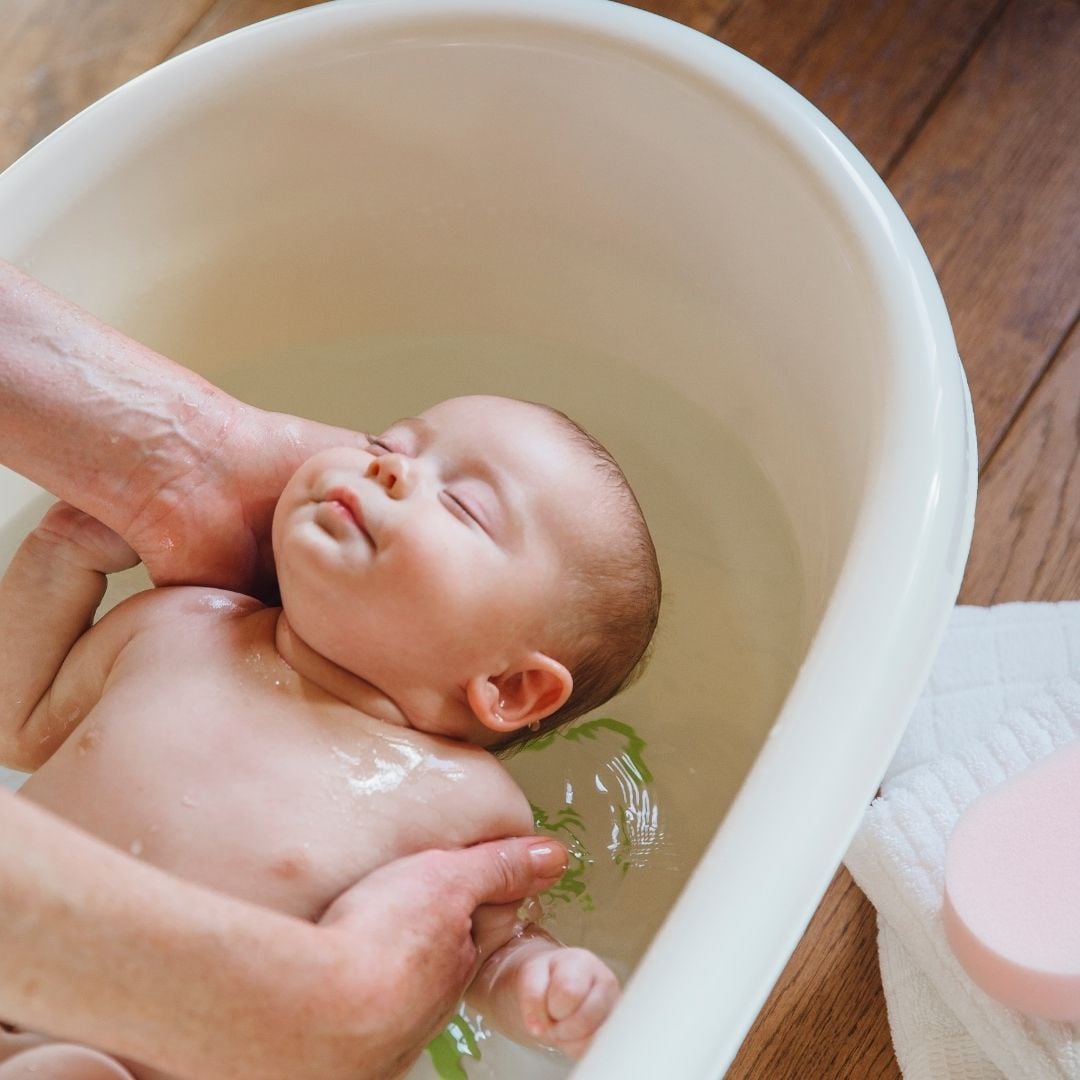
A lukewarm bath (about 35°C) before bedtime promotes a natural decrease in internal body temperature – essential for initiating the deep sleep cycle in babies.
Add a few drops of organic orange blossom hydrosol to the water: its calming effects on the nervous system are proven in infants from 3 months old.
Complete with a soft lullaby or a light massage using a deodorized vegetable oil (apricot kernel) known for its perfect tolerance on delicate skin.
Comfort, adapt, and reassure
If your child still struggles to find rest despite all your precautions, don't feel guilty! Each baby reacts differently to nighttime heat.
Remain emotionally available: extra rocking or simply a soothing presence may be enough to regulate their immature nervous system, which is still sensitive to intense climate variations.
Effective and preventive hydration
Protecting baby against any insidious form of dehydration
Feeding frequency and vigilance for signs of dehydration
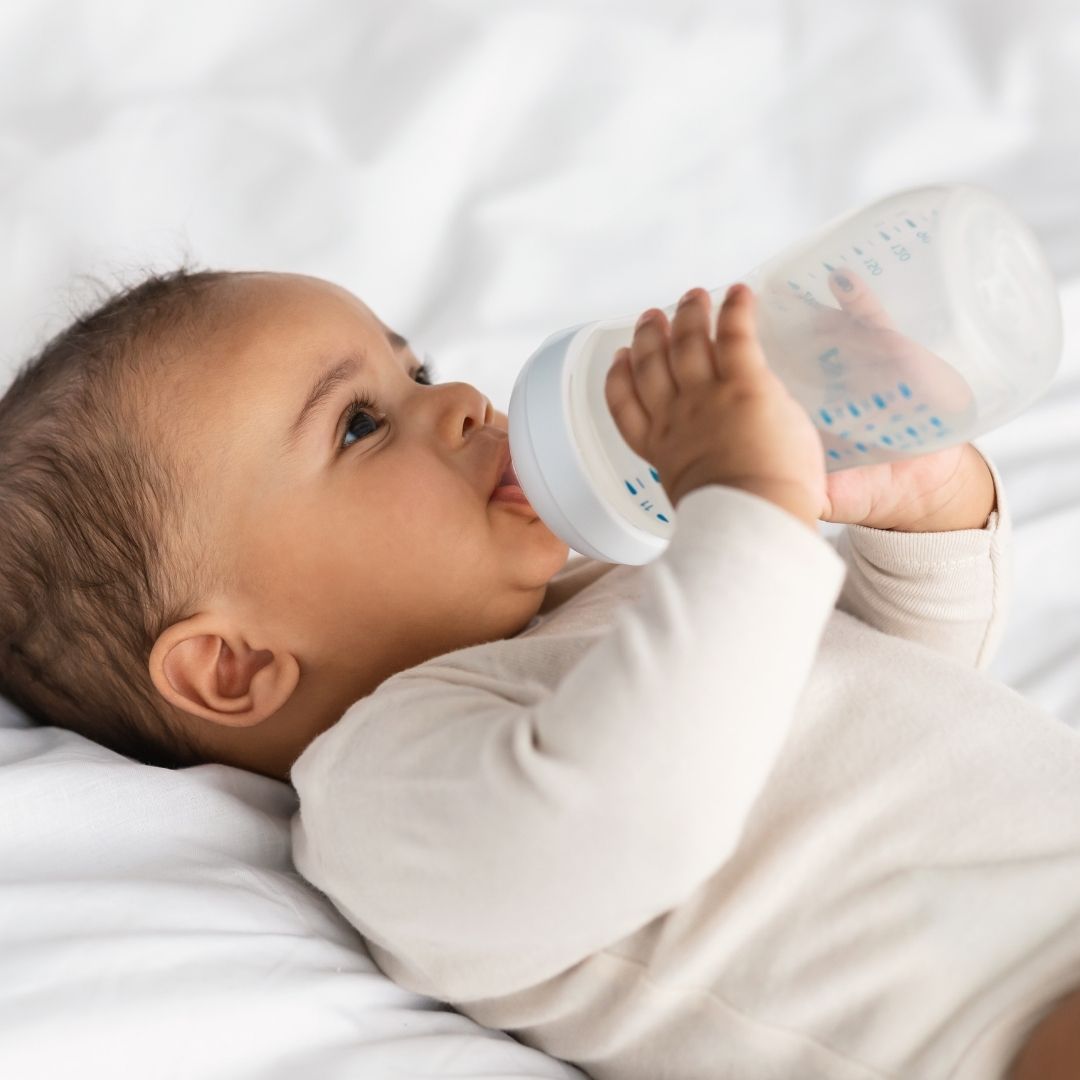
During hot weather, forget strict schedules: systematically offer the breast or bottle at each awakening – even brief ones – including in the middle of the night if necessary.
Be attentive to little-known early signs: slightly sunken fontanelle, dry gums to the touch, or persistent absence of saliva can indicate dehydration well underway even before baby shows unusual thirst or crying.
Water and hydration through breastfeeding or bottle-feeding
Before six full months? No need for additional water if baby is exclusively breastfed: your milk naturally adapts to their summer hydration needs!
However, for babies fed by bottle or on solid foods after six months: regularly offer a few sips of low-mineralized water between solid meals – especially after each light physical activity such as crawling or playing in a shaded outdoor playpen.
Temperature, drinks, and effects of heat
Avoid as much as possible cold liquids taken directly from the fridge! A drink that's too cold temporarily slows digestion and can disturb nighttime sleep by involuntarily activating certain uncomfortable digestive reflexes in the still physiologically immature infant.
Always prefer drinks at room temperature or slightly warmed – they are better assimilated and actively participate in maintaining optimal hydration balance during any period of intense heat, both day and night.
Because every night counts...
When it's hot outside... it should be cool inside! Ensuring good sleep for your baby despite the heat is neither intuitive nor easy — but it's not impossible either. By combining thermal rigor in the room, a soothing routine adapted to summer conditions, and constant hydration vigilance... you're giving your child the best chance for comfort and, above all, safety during their precious hours of rest!
Remember: it's not just the displayed degrees that matter... but how they are experienced by this still fragile little body that depends entirely on you to find calm and coolness each night 🌙
Sage green and wood bedroom: how to create a natural and soothing space
Children's bed size: the complete guide for healthy and safe sleep
How to decorate your bedroom with healthy materials?