How to help baby sleep in their bed with complete peace of mind

- Categories : Tips

Nateo CONCEPT

Baby Sleeps in Their Bed: Peaceful Tips

Your child refuses to leave your arms and you're looking for a gentle method to learn how to get baby to sleep safely in their bed? This article reveals the keys to a healthy sleep environment, from choosing eco-friendly furniture to essential calming rituals for restorative nights. Learn right now how to manage nighttime anxieties and discover our specific tips to understand how to get a 2-year-old baby to sleep in their bed without tears.

Setting Up the Room to Help Baby Sleep Peacefully in Their Bed

Do you think sleep begins when baby closes their eyes? Everything happens much earlier, thanks to an environment designed for their well-being. It's the foundation of lasting rest, for an infant or to successfully get a 2-year-old to sleep in their bed.

👉🏽 Choose a healthy and safe baby bed

Choosing Healthy and Safe Furniture

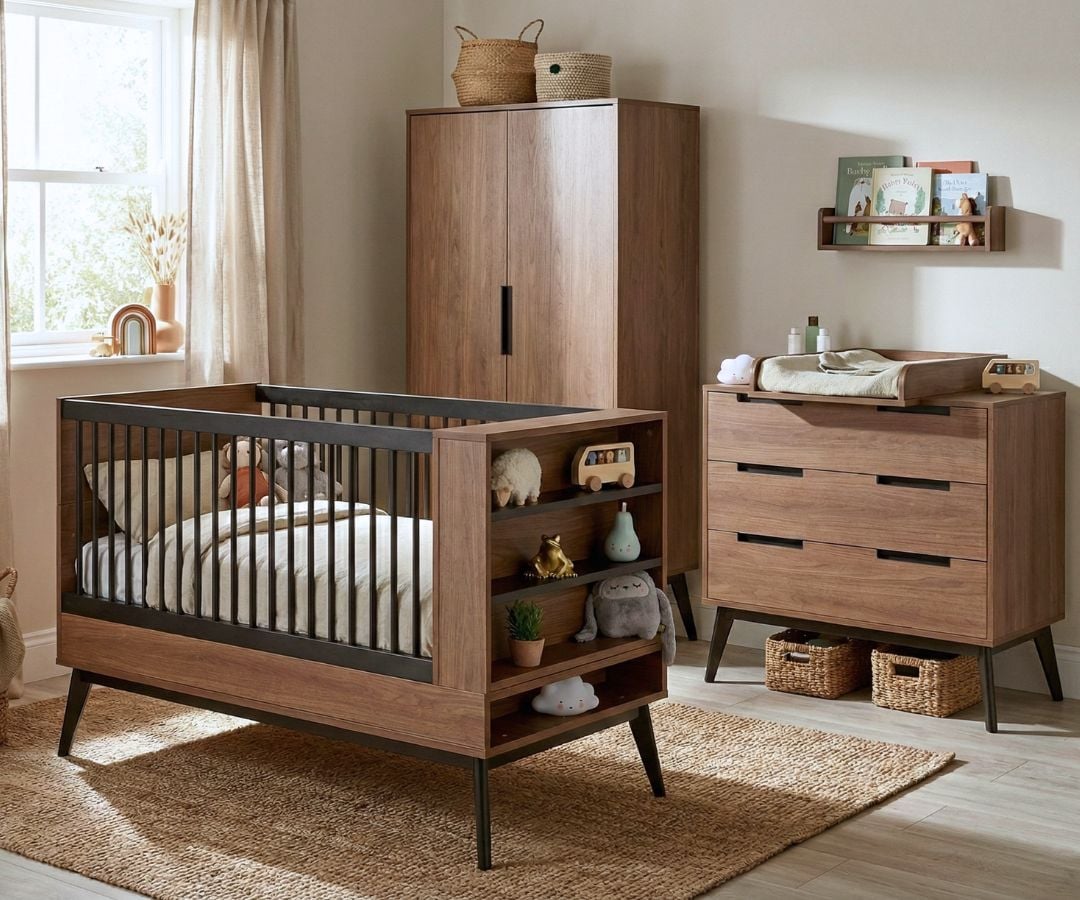
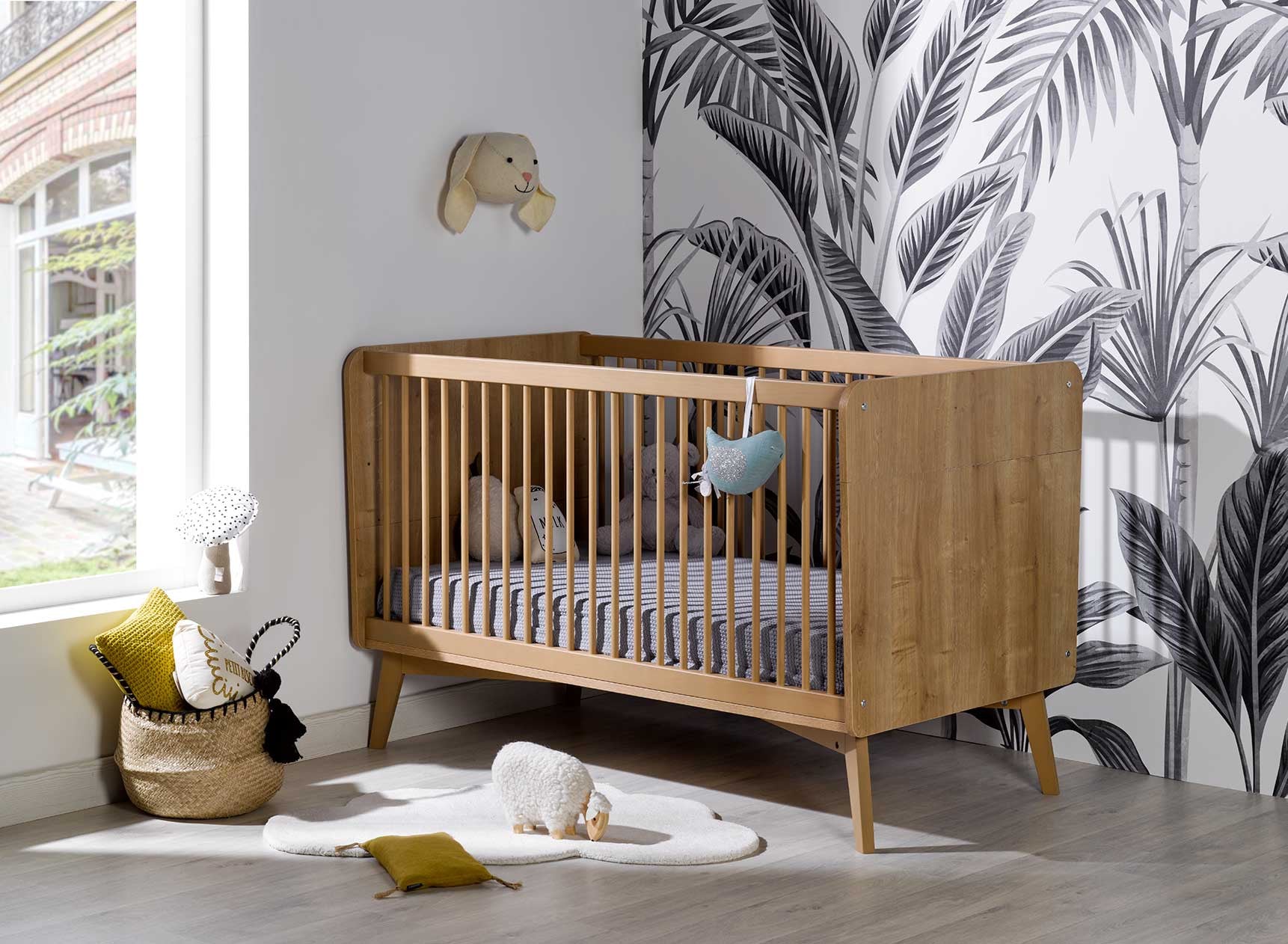
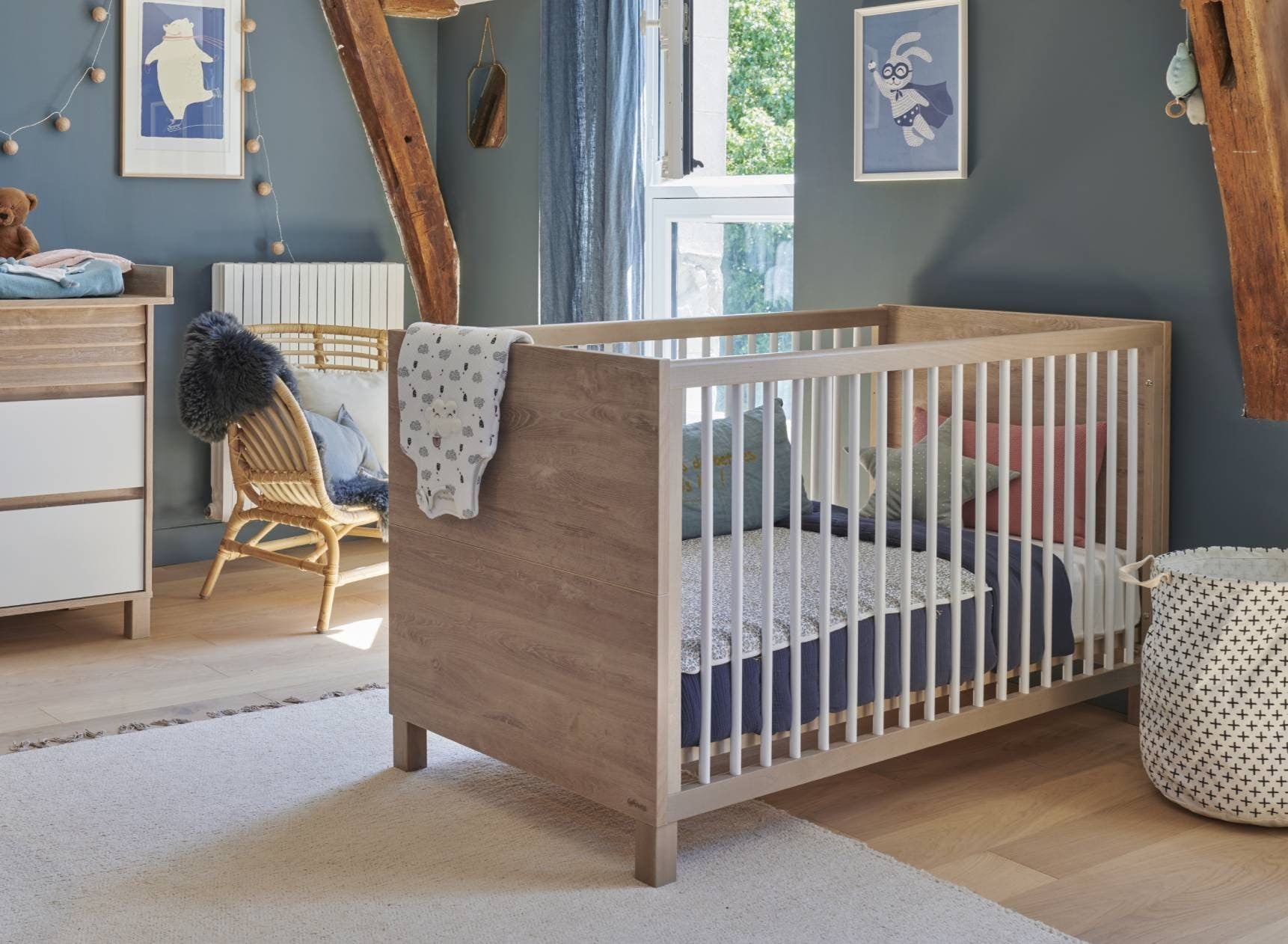
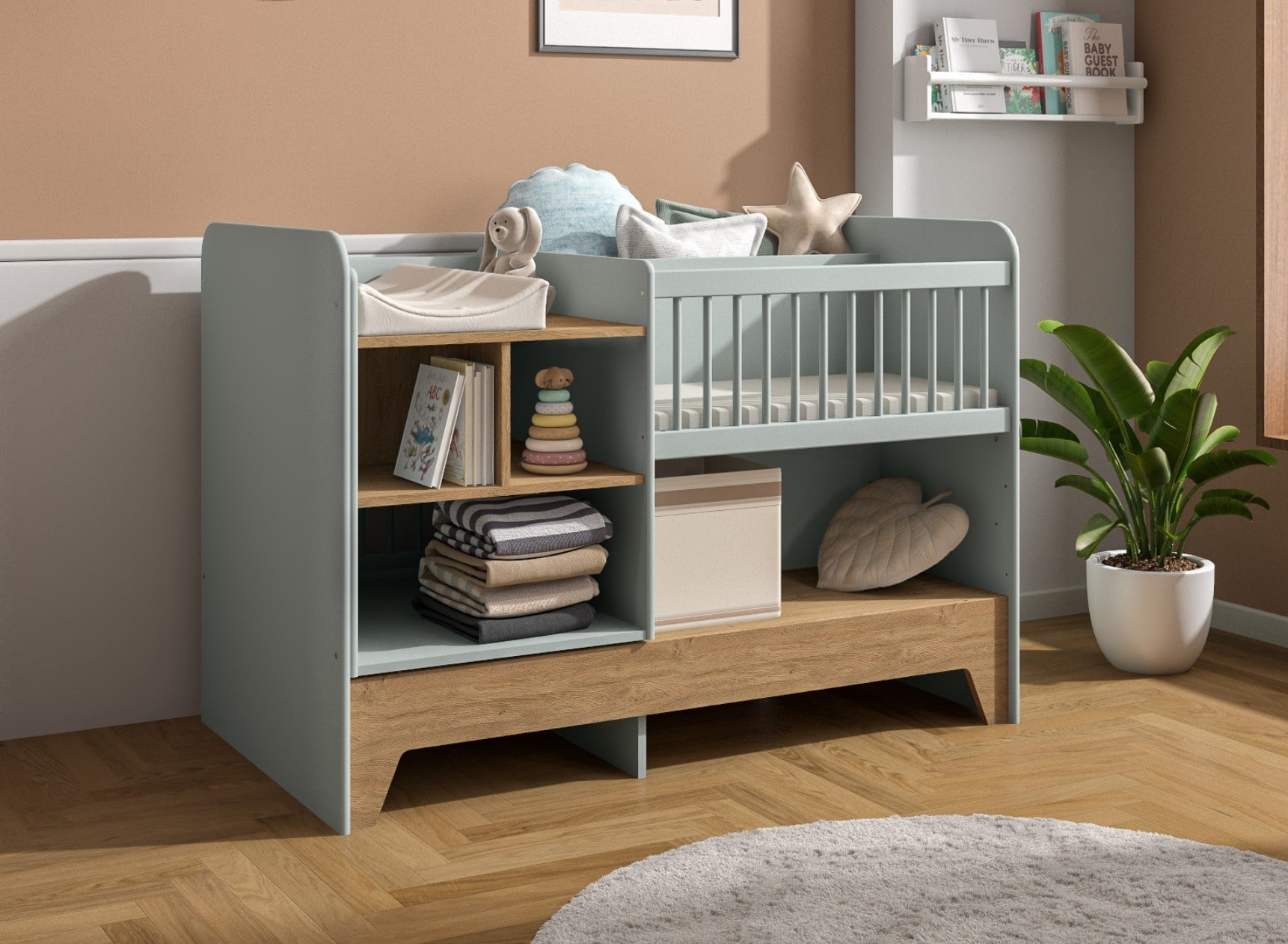
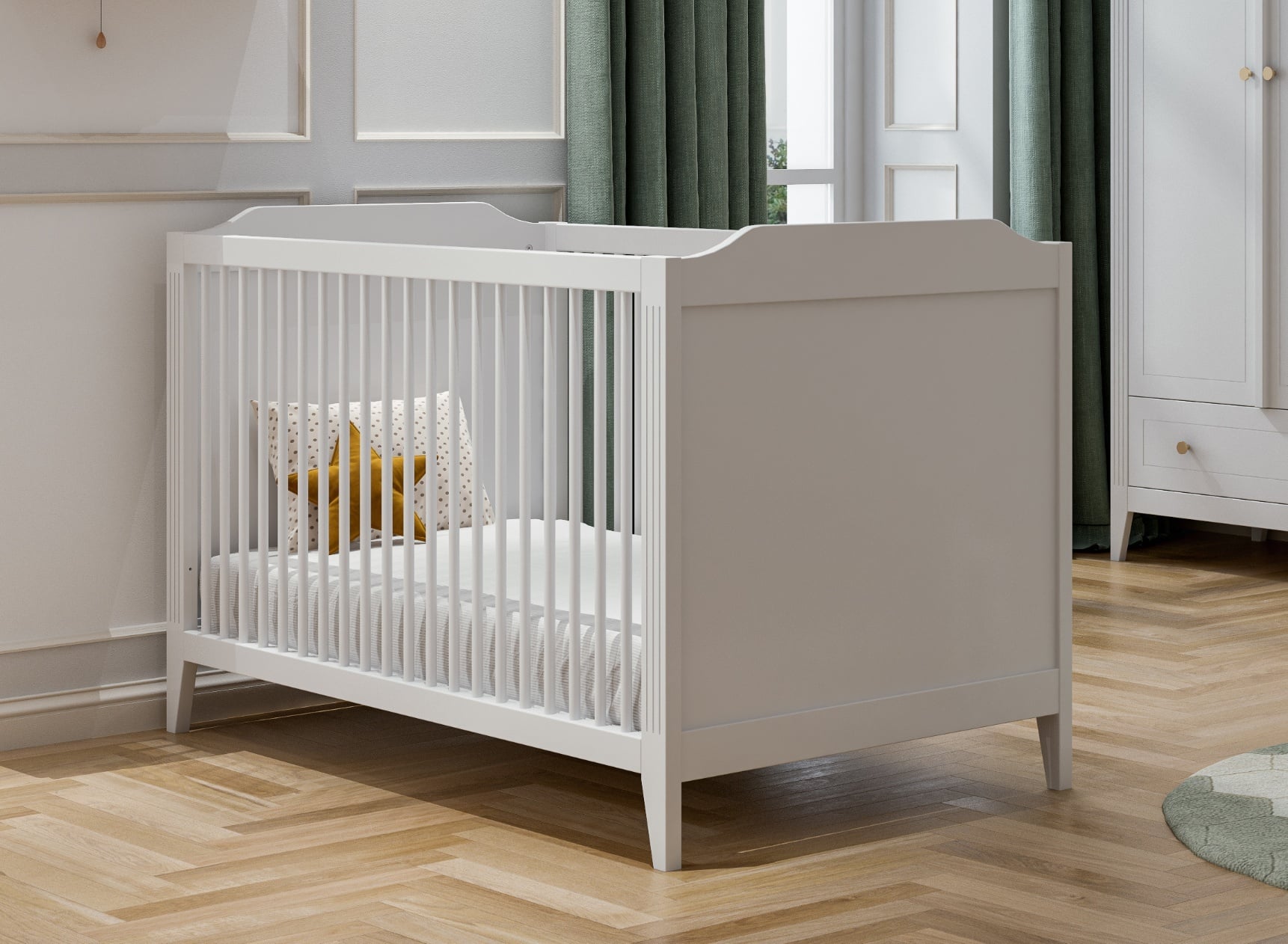
Choosing a Nateo Concept bed means refusing compromises. With French manufacturing using sustainable wood and water-based paints without solvents, you eliminate VOCs. It's the foundation for a healthy room, without aggressive chemical odors.

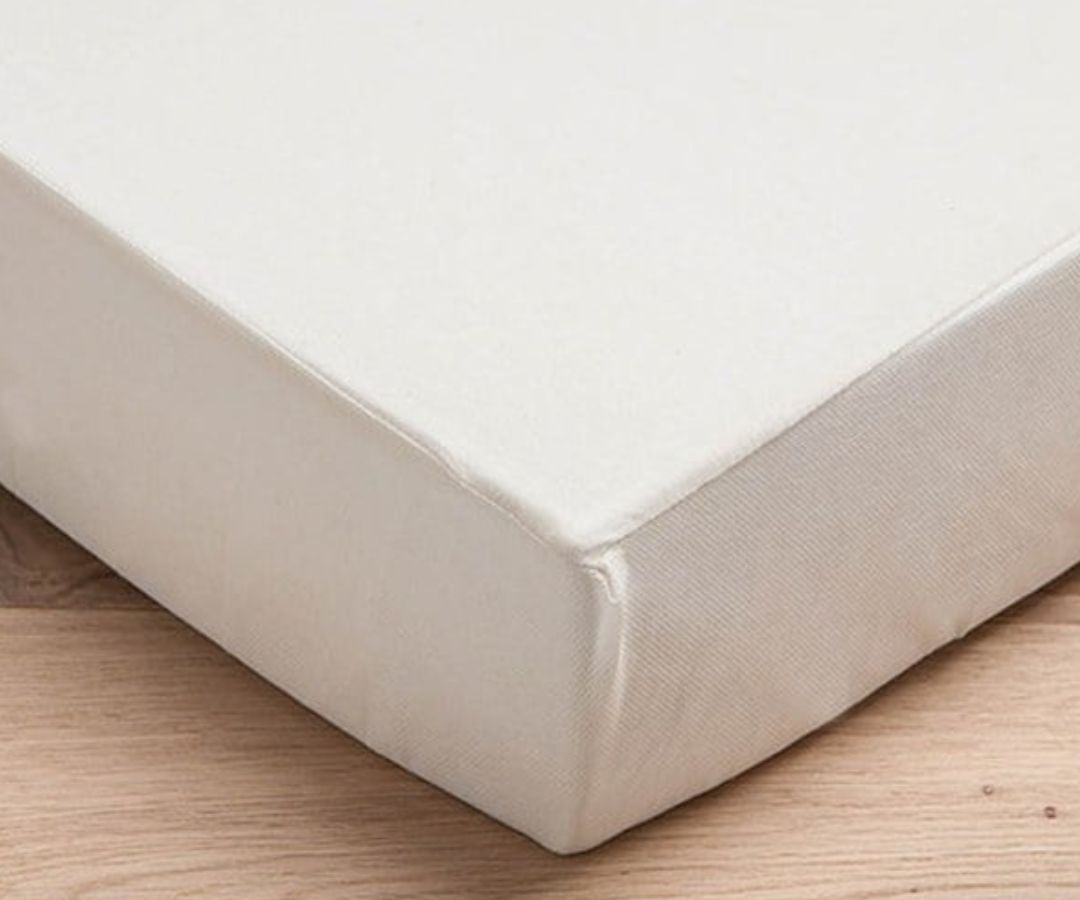
The baby mattress should not be chosen lightly: it must be firm and fit precisely. Rigorous support prevents accident risks and ensures optimal physiological comfort all night long.

Forget accumulating stuffed animals or unnecessary crib bumpers. An empty sleeping space remains the only safety guarantee for an infant. Air circulates freely, and risks disappear.

In short, simplicity comes first. Minimalism remains the best ally of cautious parents.

Optimizing Room Conditions

Temperature-wise, aim for precision: the room should stay between 64 and 68 degrees Fahrenheit. A baby sleeps much better when they're neither too hot nor too cold.

Never neglect ventilation. Opening the windows every day is essential to remove indoor pollutants. This renews the air and brings healthy freshness necessary for rest.

For ambiance, a discreet nightlight is often enough to reassure the most anxious. Otherwise, leaving the door ajar creates a reassuring sense of presence without disturbing the darkness.

Ultimately, a calm atmosphere naturally prepares the child's brain for complete rest.

👉🏽 Browse our eco-designed baby rooms

3 Practical Tips to Facilitate Independent Sleep

Once the framework is set, you must now tackle the crucial bedtime moment with simple and repetitive actions.

Establishing an Unchanging Bedtime Routine

The routine should not exceed fifteen minutes to avoid exciting the child. Regularity is your best ally for creating reference points. It's the secret to peaceful sleep.

Focus on calm activities like reading a gentle story or a song. You can also sing a lullaby to soothe the atmosphere. The goal is to gradually wind down from the day's excitement. This prepares the brain for rest.

Always end with a big warm hug to fill their emotional tank. This final contact marks the official end of the routine.

Then put your child down with tenderness but a certain firmness. The bedtime signal then becomes crystal clear to them.

Creating Positive Associations with the Bed

It's essential to put baby down while still awake in their own bed. They need to understand exactly where they are before falling asleep. This prevents panic during inevitable nighttime micro-awakenings.

The comfort object plays a reassuring bridge role between you and their independence. This transitional object carries your familiar scent. It comforts the child when you leave the room.

Tell them clearly that their bed is a great and very comfortable place. Your positive words radically change their perception of this moment of separation. A quality, secure bed then becomes a haven.

Your own serenity is the key to success. Your calm confidence immediately soothes their fears.

Defusing Tantrums and Refusals at Bedtime

Managing Nighttime Separation Anxiety

Do you hear those cries as soon as you leave the room? Speak to them softly from the hallway. Simply tell them that you're right next door, in the next room, and that they're safe. Often, this vocal proximity is enough to calm their primal fears of abandonment.

Don't deny their fear, but don't negotiate the schedule. Tell them: "I understand your sadness, but it's time to sleep now". Validate the emotion without giving in on the framework. If you give in, you validate the idea that there's danger in being alone.

Try the gradual withdrawal method to help them adjust gently. Move away from their bed by a few inches each night, or leave for 15 seconds before returning. It's a kind way to teach them to become comfortable with solitude.

Stay focused on the final goal. The aim is to make them serene and independent, without creating emotional dependency.

Responding to Crying and Wake-Ups

Don't rush at the first little sound, you might wake them up for good.

If intervention becomes necessary, do it in stealth mode. It should be brief, simple, and especially without bright light to avoid stimulating their wakefulness. Don't start a big conversation or game in the middle of the night.

Do a quick scan of vital needs. Check if the diaper is clean, if they're thirsty or too hot. Once these points are verified, immediate return to calm is the absolute priority, without taking them out of bed.

The key lies in perseverance. Each night managed with consistency is a new learning experience for them and for you.

Guiding the 2-Year-Old Toward Peaceful Nights

As baby grows, the challenges change, and moving to a "big" bed marks a major milestone in their independence.

Successfully Transitioning to a Junior Bed

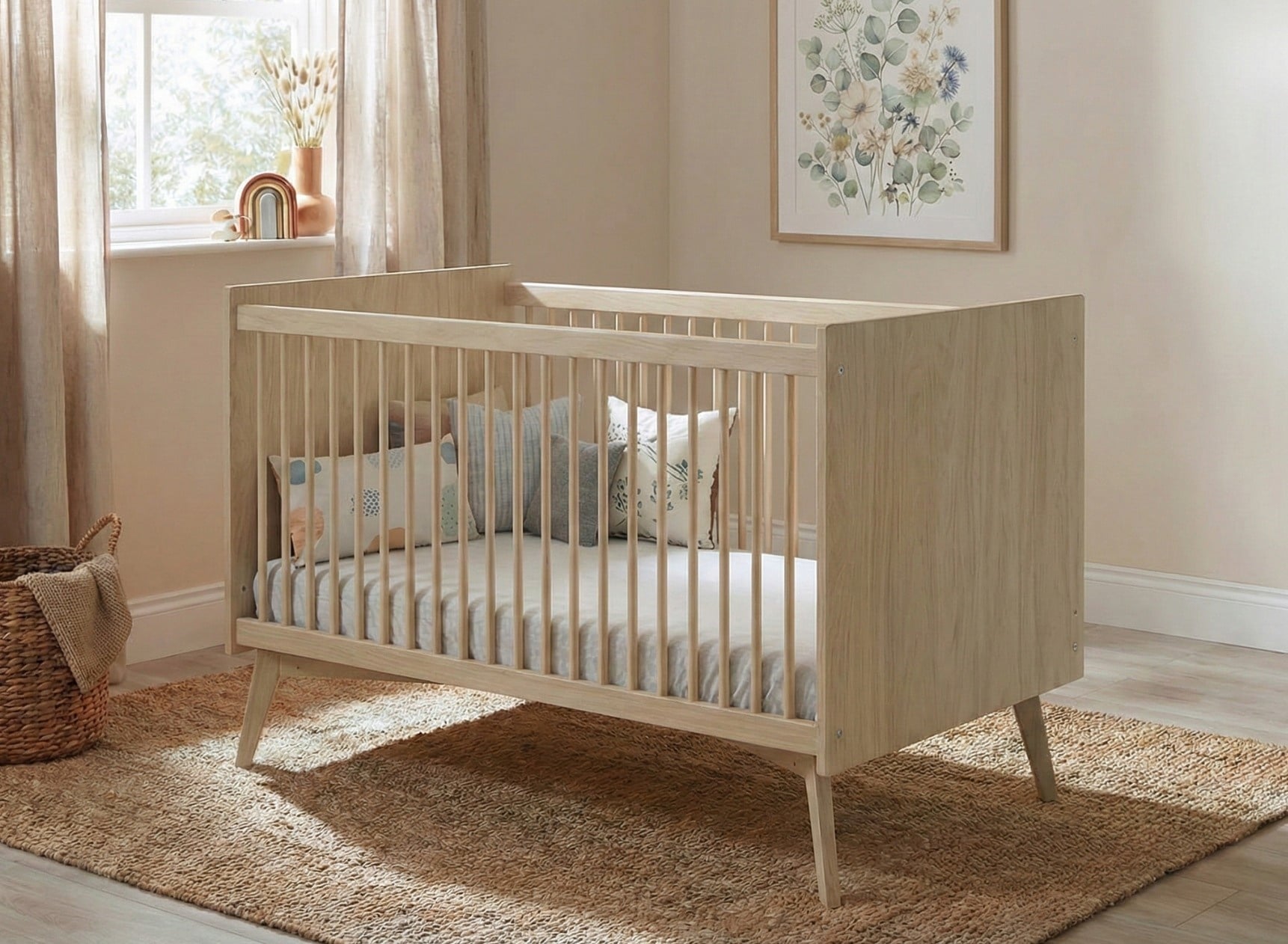
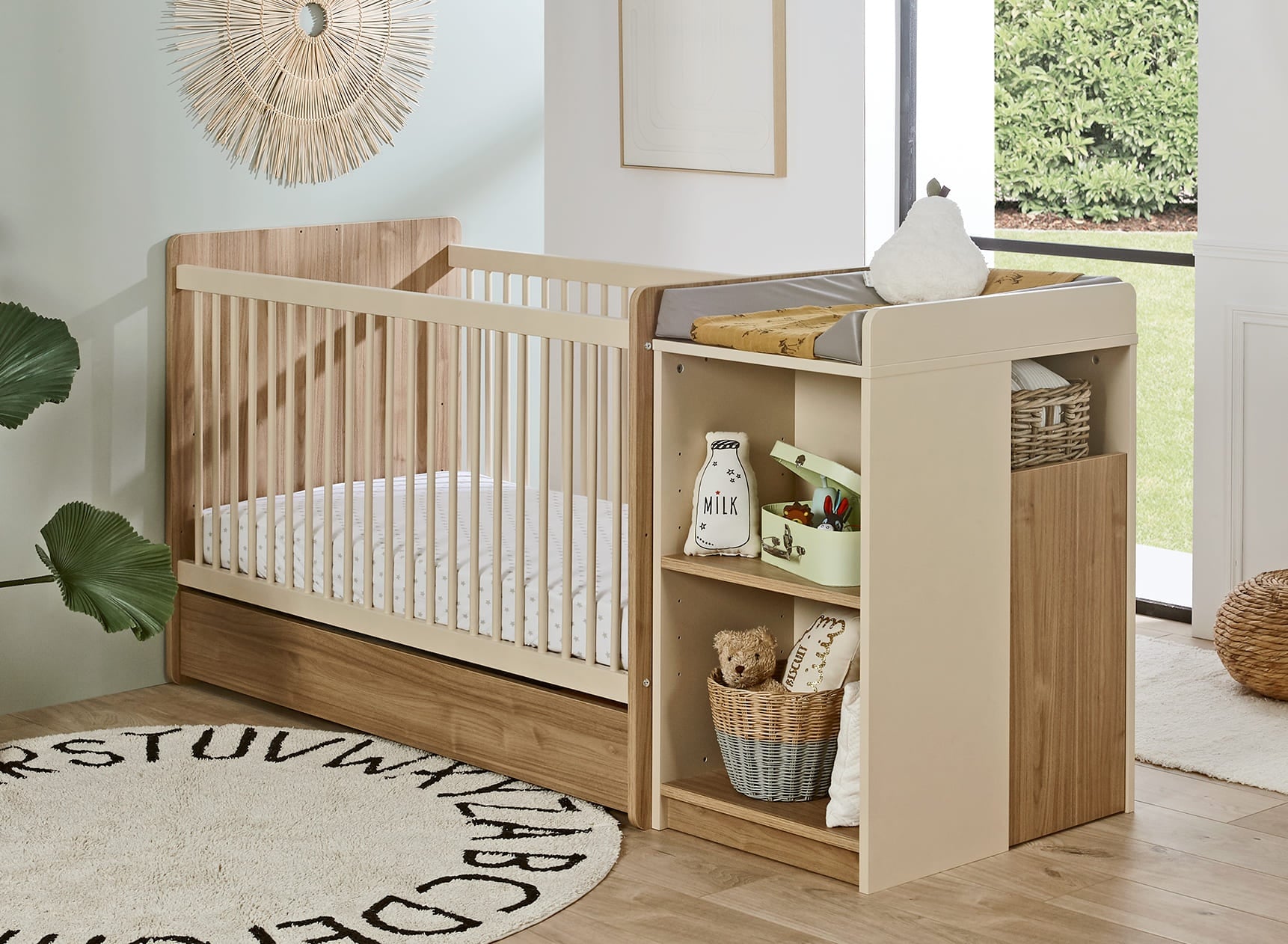
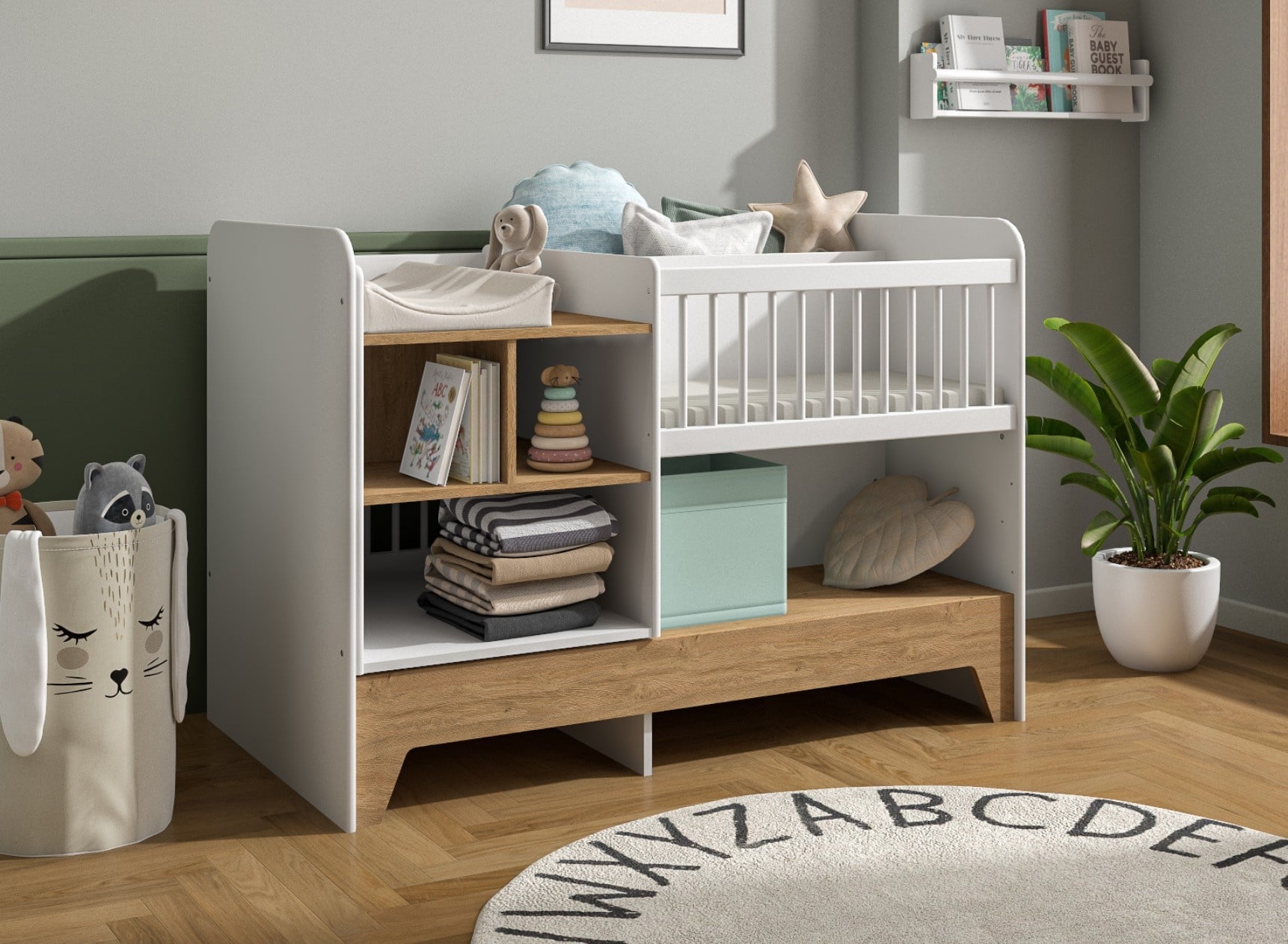
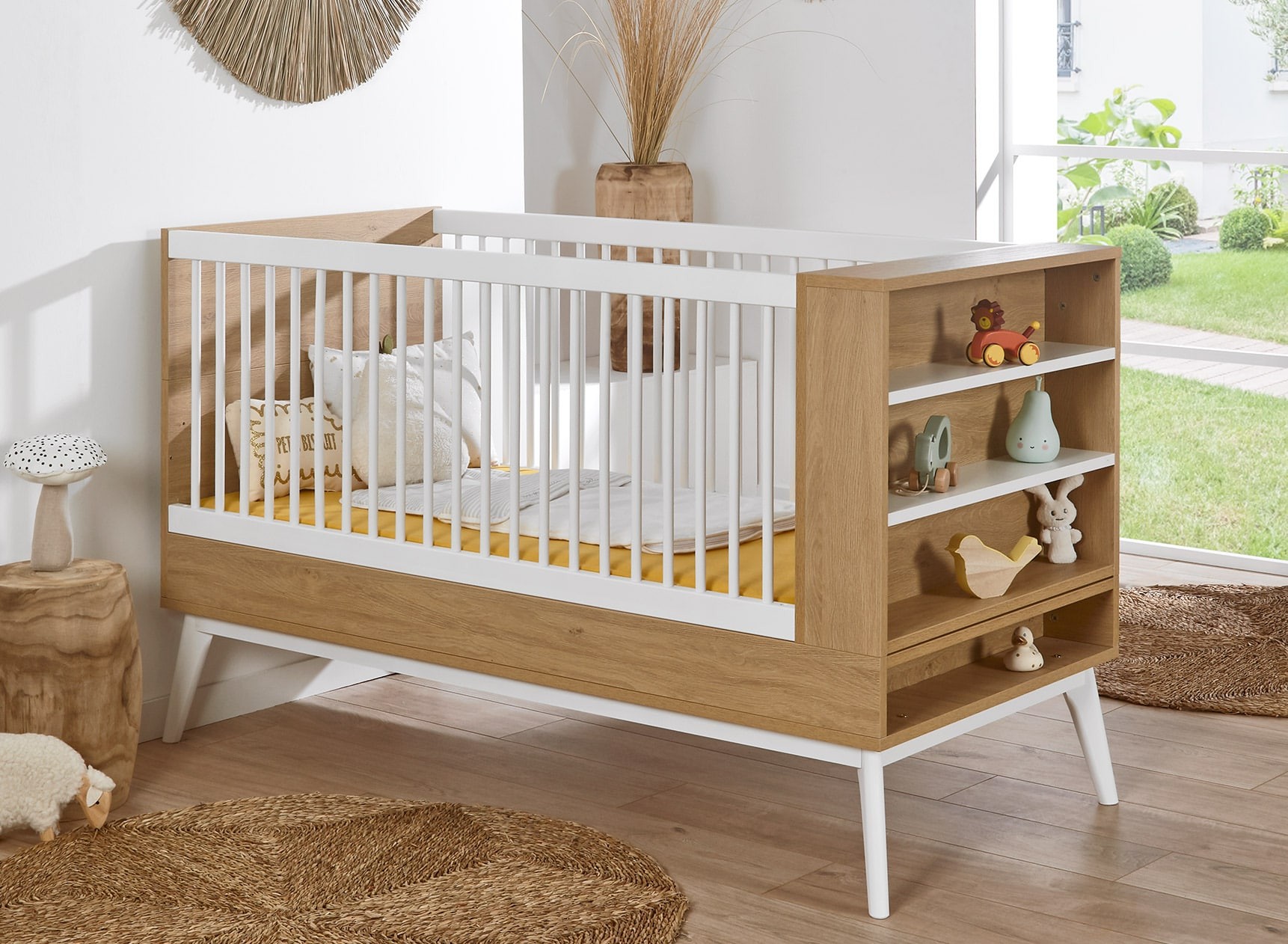
Choose an evolving Nateo Concept bed, perfect for a smooth transition without losing familiar reference points. Your child will be able to climb in and out on their own. It's the ideal balance between safety and freedom.

Involve your child in this change to facilitate acceptance. Let them choose their new comforter or colorful sheets. This transforms the experience into an exciting and positive adventure.

Secure the room for nighttime explorations. Check that no furniture can tip over if they decide to get up. The floor must remain clear of any obstacles.

Play on your child's pride. Becoming big is a powerful motivation for sleeping well.

👉🏽 Browse our selection of evolving baby beds

Setting Clear and Kind Boundaries

Establish clear rules about getting out of bed. Explain that once the goodnight kiss is done, they stay in their room. Be firm, but keep your voice gentle and reassuring.

Parental unity is your best weapon. Both parents must say the same thing about schedules. If one gives in, the child immediately seizes the opportunity.

Don't give up, patience is key. Consistency always pays off in the long run.

To successfully get baby to sleep in their bed peacefully, combine healthy furniture with an unchanging routine. This reassuring consistency gradually transforms nighttime separations into a positive step toward your child's independence. Give them this secure framework tonight, guaranteeing peaceful and restorative nights for the whole family.

👉🏽 Check out our selection of healthy & local baby furniture

Discover our baby beds