- Categories : Tips

Nateo CONCEPT

Predicting a baby's eye color

Blue, gray, green, hazel, or brown: a baby's eye color often intrigues new parents. At birth, it is not always permanent and can change over several months. So, why do babies' eyes change color? At what age does the shade stabilize? And can we really predict what color their eyes will be?

Quick answer: a baby's eye color generally settles between 9 and 12 months, but some shades, especially for light-colored eyes, can continue to change until age 3. Genetics and melanin play an essential role.

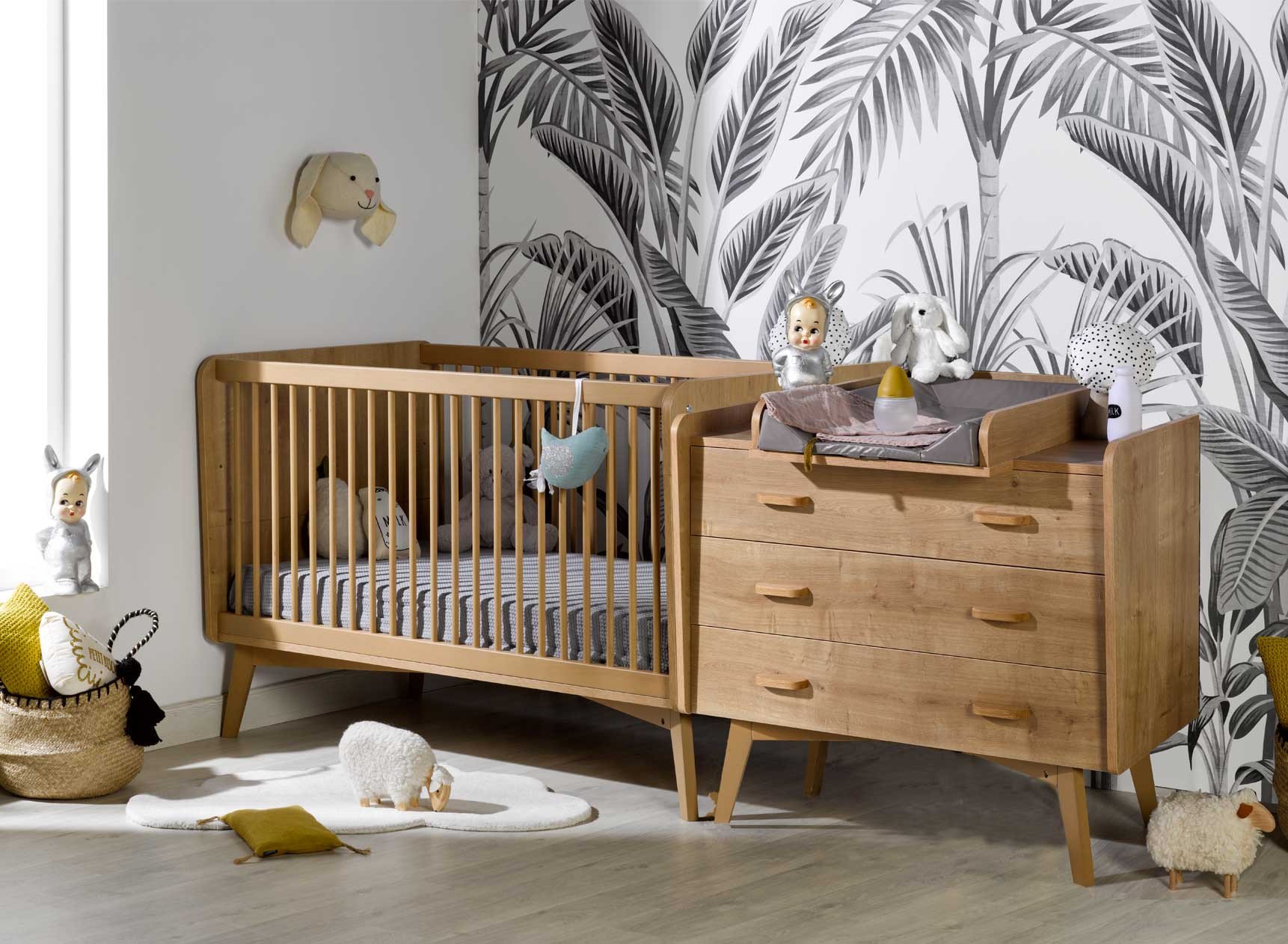
Baby's first months — a nursery that grows too

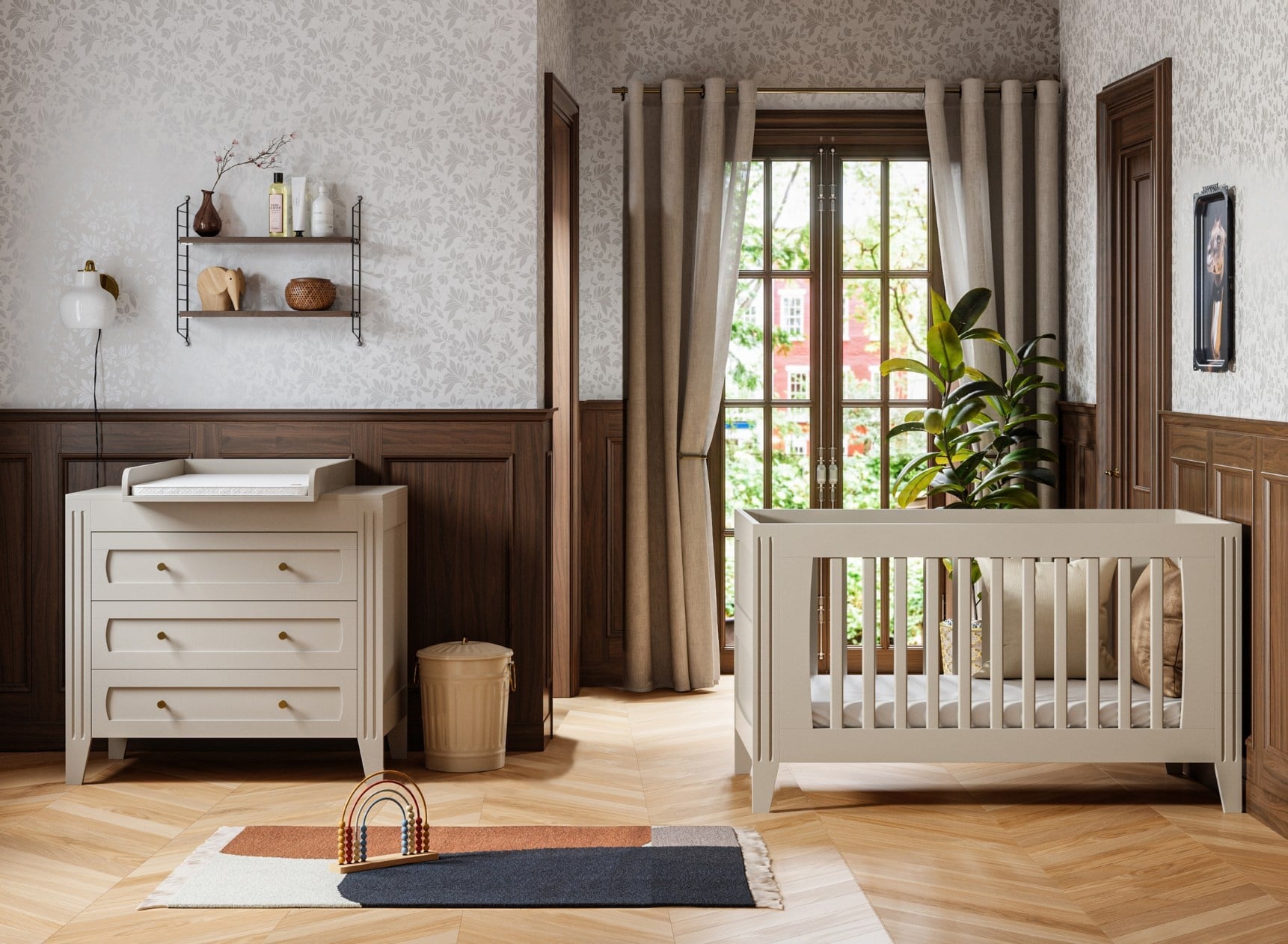
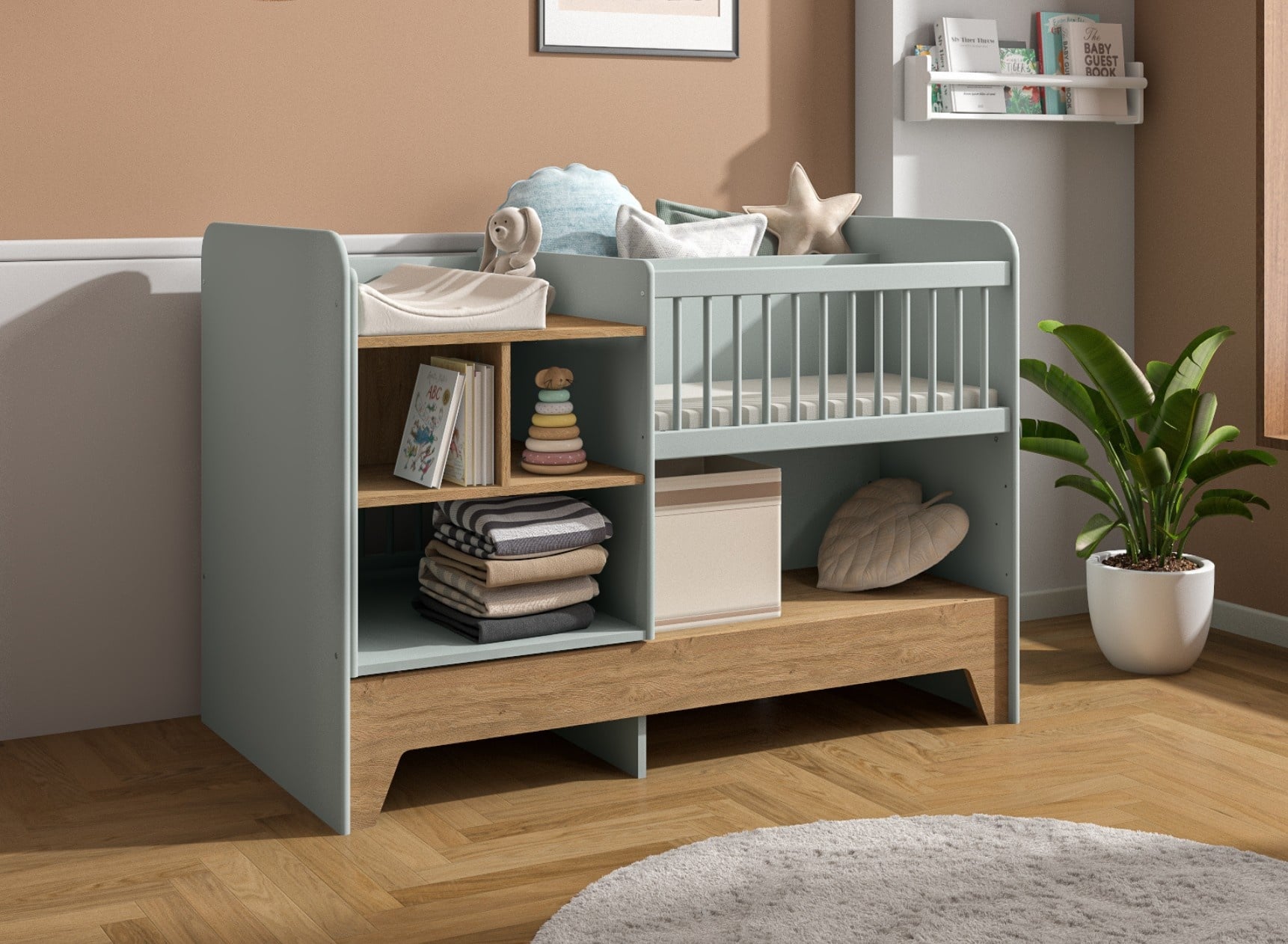
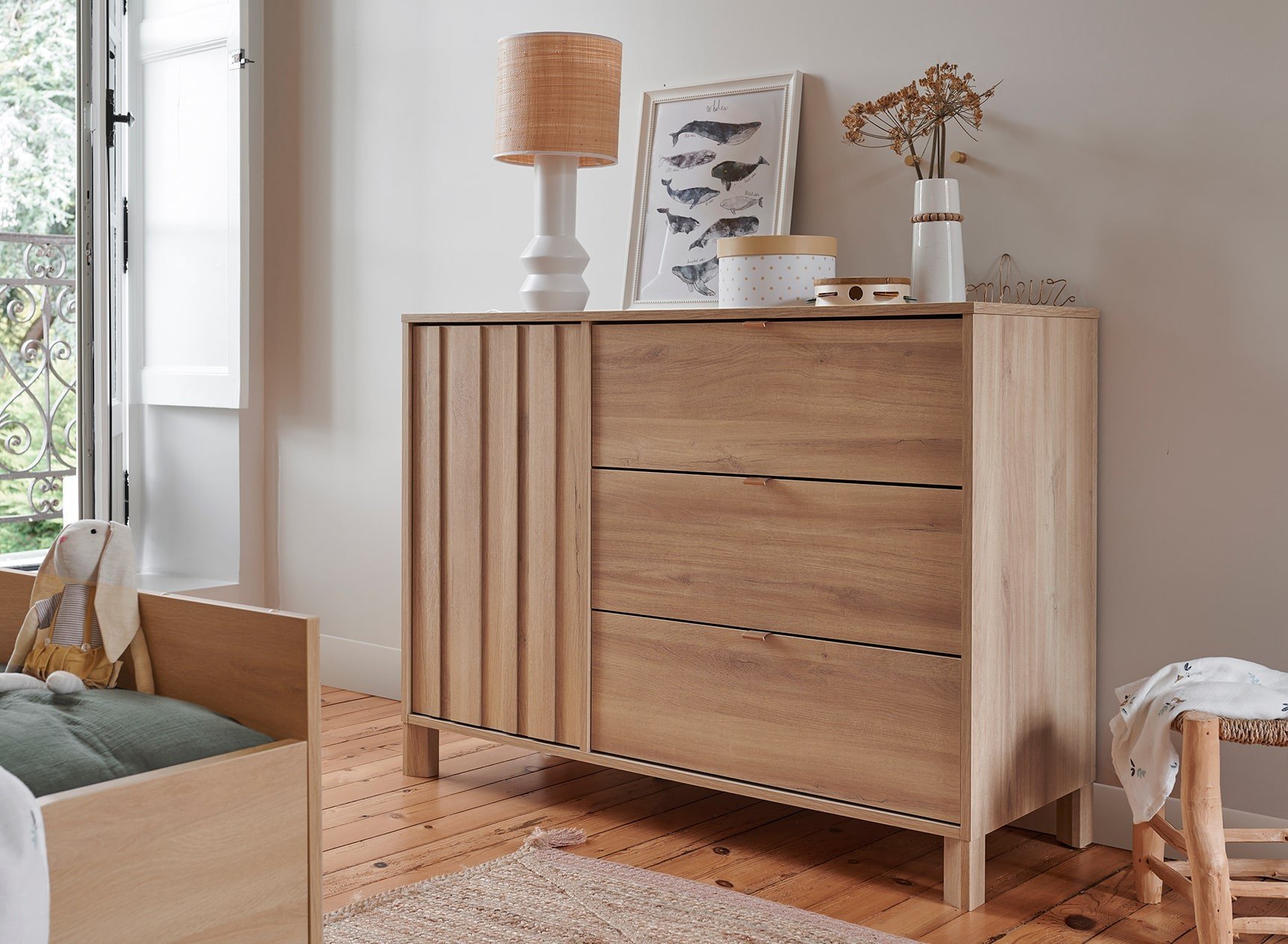
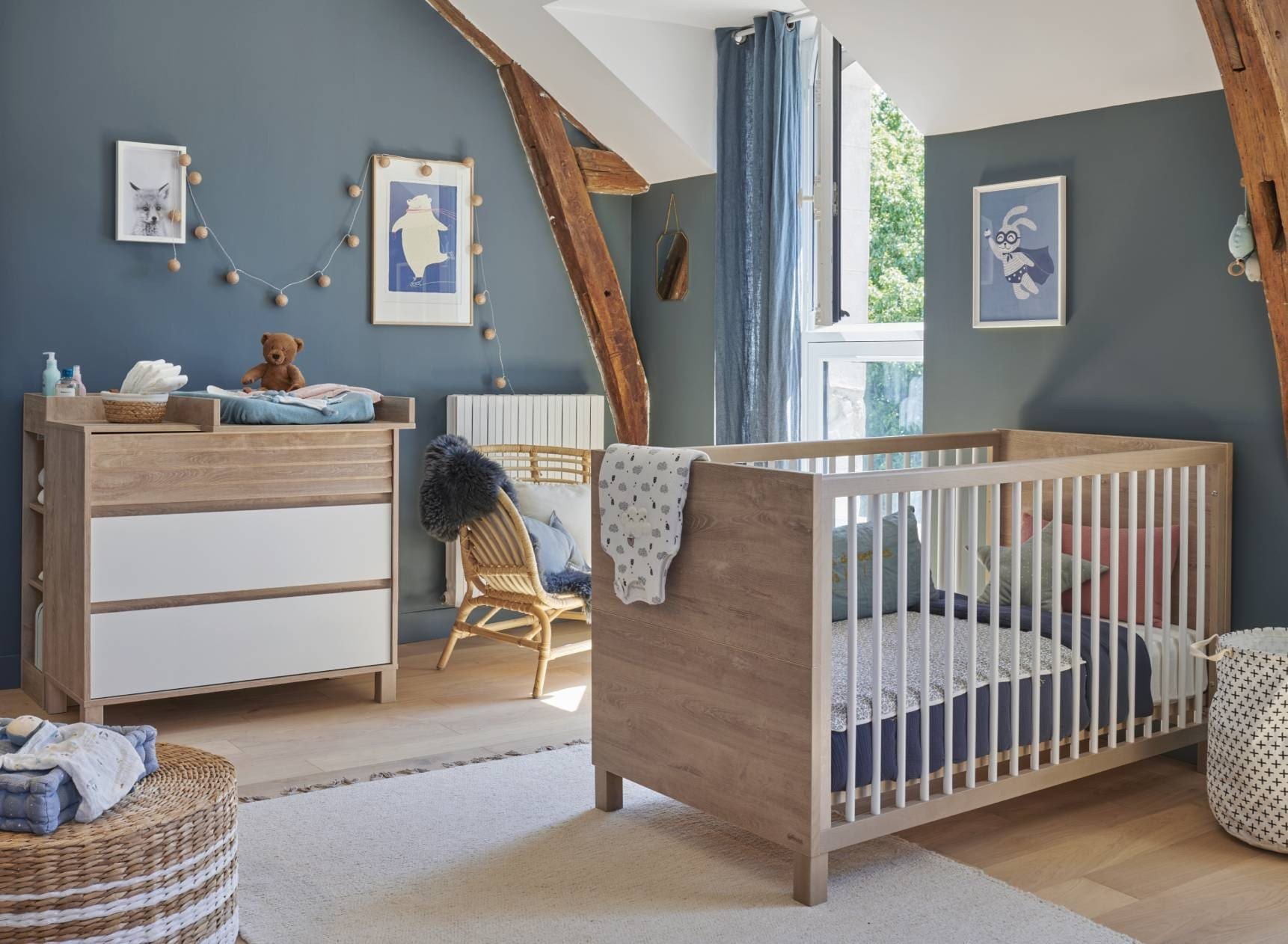
The first months are filled with many changes: a baby's gaze evolves, habits take shape, and needs gradually shift. It is also the time when parents set up a room designed to support these early years. At Nateo, we create durable and adaptable baby furniture to craft a comfortable and harmonious space from the very first months.

Discover our selection of furniture to furnish a baby room designed to accompany your child throughout their first years.

How does a baby's eye color develop?

Eye color depends in particular on the amount of melanin present in the iris. At birth, pigmentation may still be low, and the color observed in some babies can therefore change over time.

After birth, melanin production gradually increases. In simplified terms:

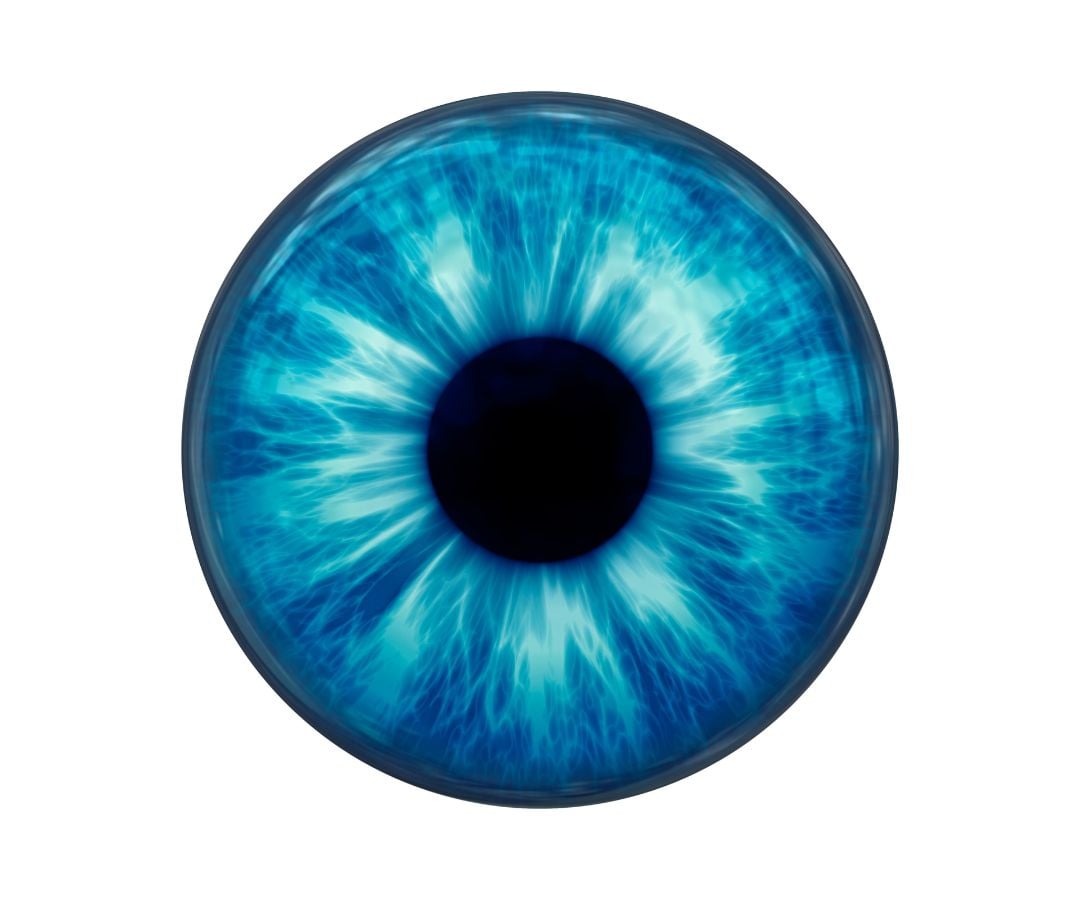
  • little melanin = blue eyes,
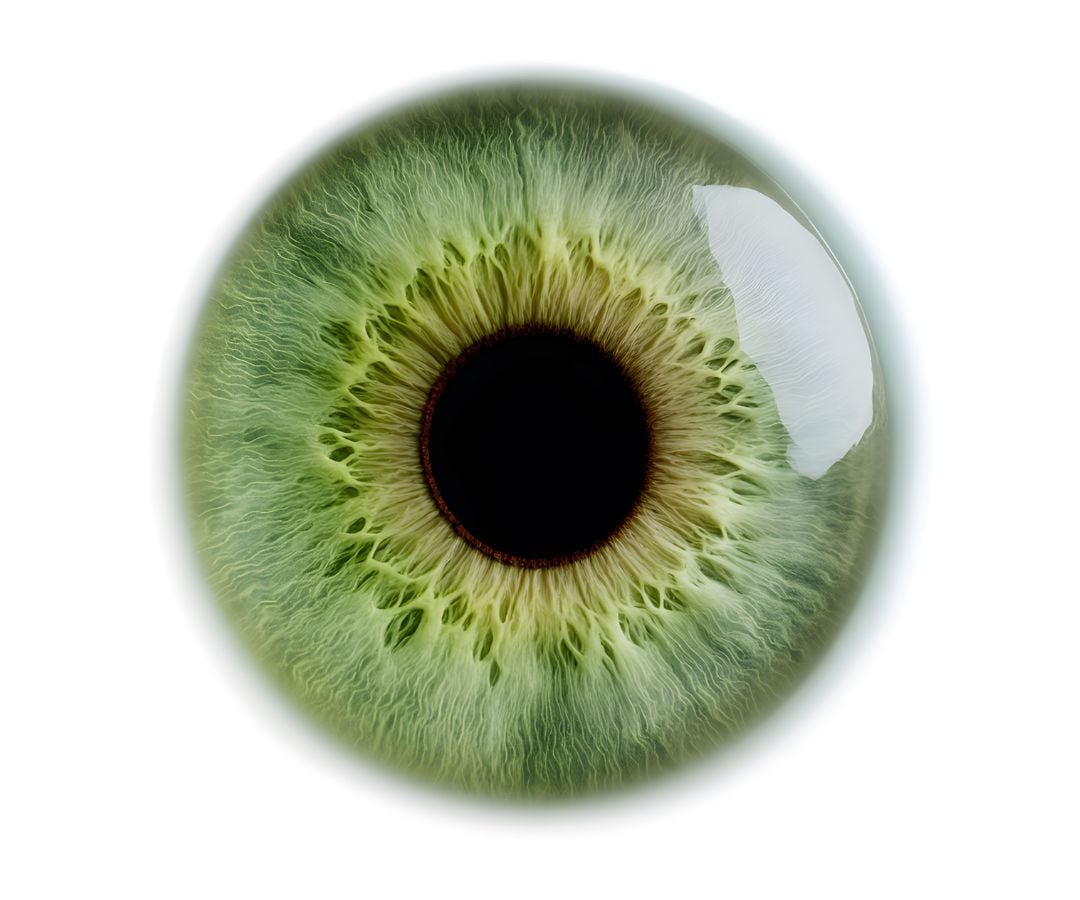
  • a little more = green or hazel,
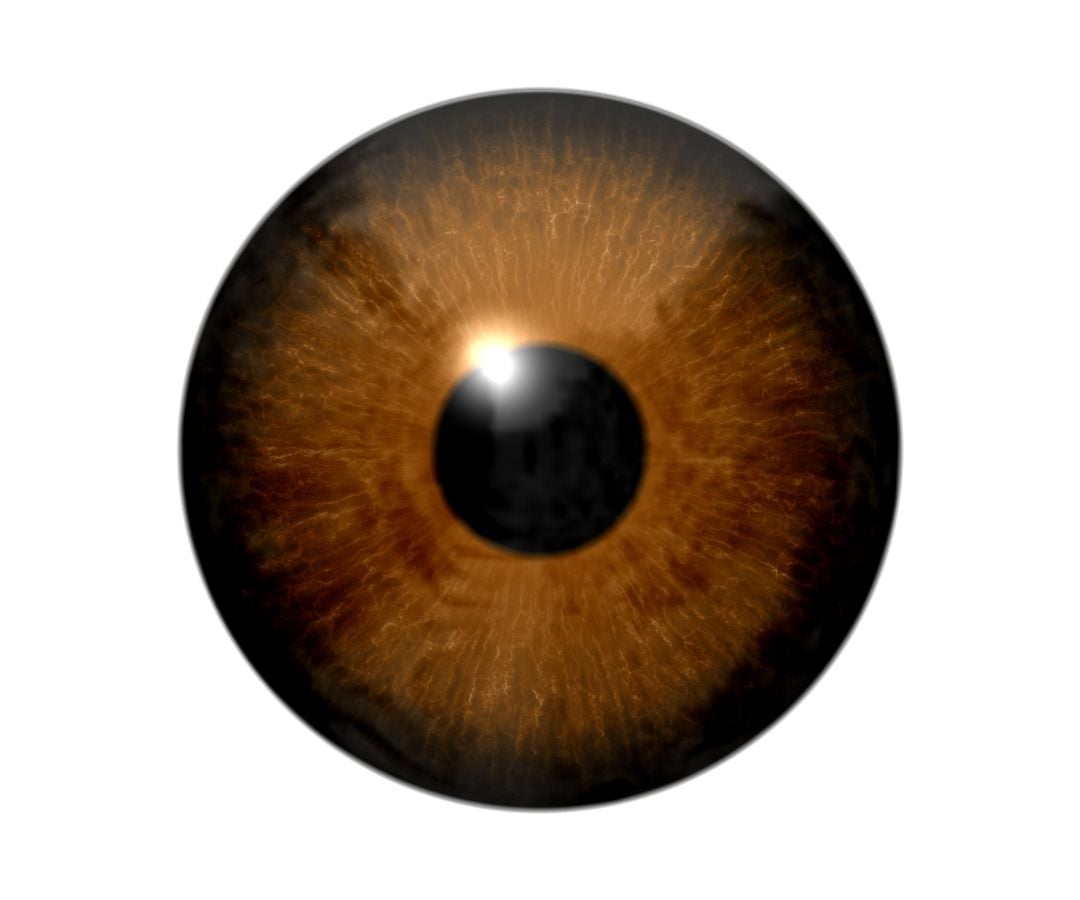
  • a lot = brown.

This gradual maturation explains why eye color can change over several months.

The genetics behind eye color

Yes. Eye color is linked to several genetic factors. The OCA2 gene is notably involved in melanin production and the HERC2 gene helps regulate it. Other genes may also play a role, making predictions far more complex than a simple "brown eyes dominant, blue eyes recessive" rule.

Thus, two brown-eyed parents can have a blue-eyed child if certain genetic variants are present in their family.

Probability charts are often used to try to predict eye color, but they remain indicative: genetics is more complex than a simple calculation based solely on the parents' eye color.

At what age does a baby's eye color stabilize?

Eye color changes most significantly during the first months of life. The main stages to keep in mind are as follows:

  • 3 to 6 months: the first significant changes may appear;
  • 9 to 12 months: the color is often stabilized;
  • up to 3 years: some shades, especially for light-colored eyes, may still change;
  • after 6 months: very significant changes, such as a shift from blue to brown, become less common.

However, every baby develops at their own pace. A color that seems settled after a few months may still show slight variations later on.

Can a baby's eye color be predicted?

Probabilities can be established, but it is impossible to guarantee a baby's final eye color based on their parents' colors.

The reason is simple: several genes are involved in iris pigmentation, and the family's genetic history can hold a few surprises. Prediction charts can therefore indicate a tendency, but not a certainty.

In summary: genetics allows us to estimate, but not to predict with certainty.

Why do some babies have two different eye colors?

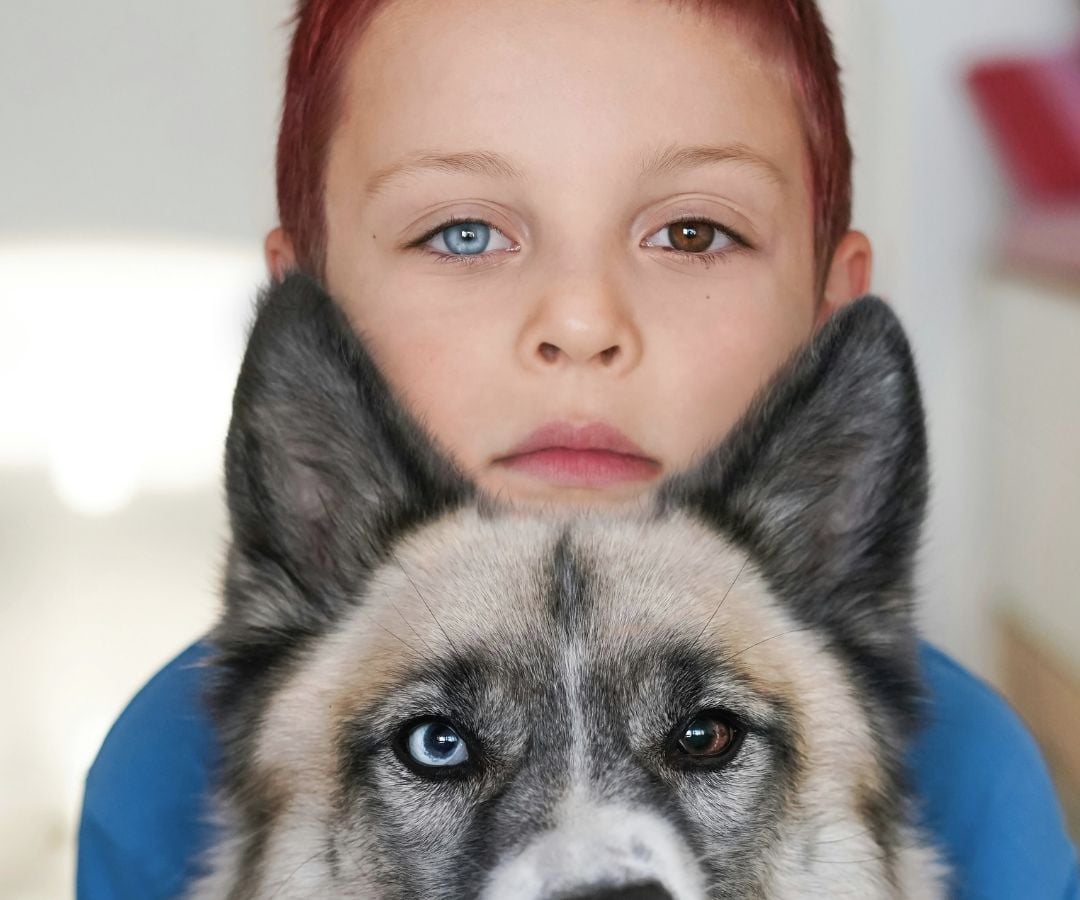
Heterochromia refers to a difference in color between the two eyes or the presence of several shades within the same iris.

We distinguish in particular:

  • complete heterochromia: each eye is a different color;
  • partial heterochromia: several shades are visible within the same iris.

If the color of one eye suddenly changes, a pupil appears whitish, or an unusual difference appears, it is recommended to seek medical advice.

How to protect a baby's eyes?

Melanin also contributes to the eyes' natural protection against UV rays. Light-colored eyes, which contain less melanin, may be more sensitive to light.

A few simple habits can help limit exposure:

  • favor shade and avoid direct sun exposure for young children;
  • use a wide-brimmed hat;
  • choose suitable sunglasses offering full UV protection.

If you have any concerns about your baby's eyes or notice an unusual change, seek advice from a healthcare professional.

A baby room designed to support the first years

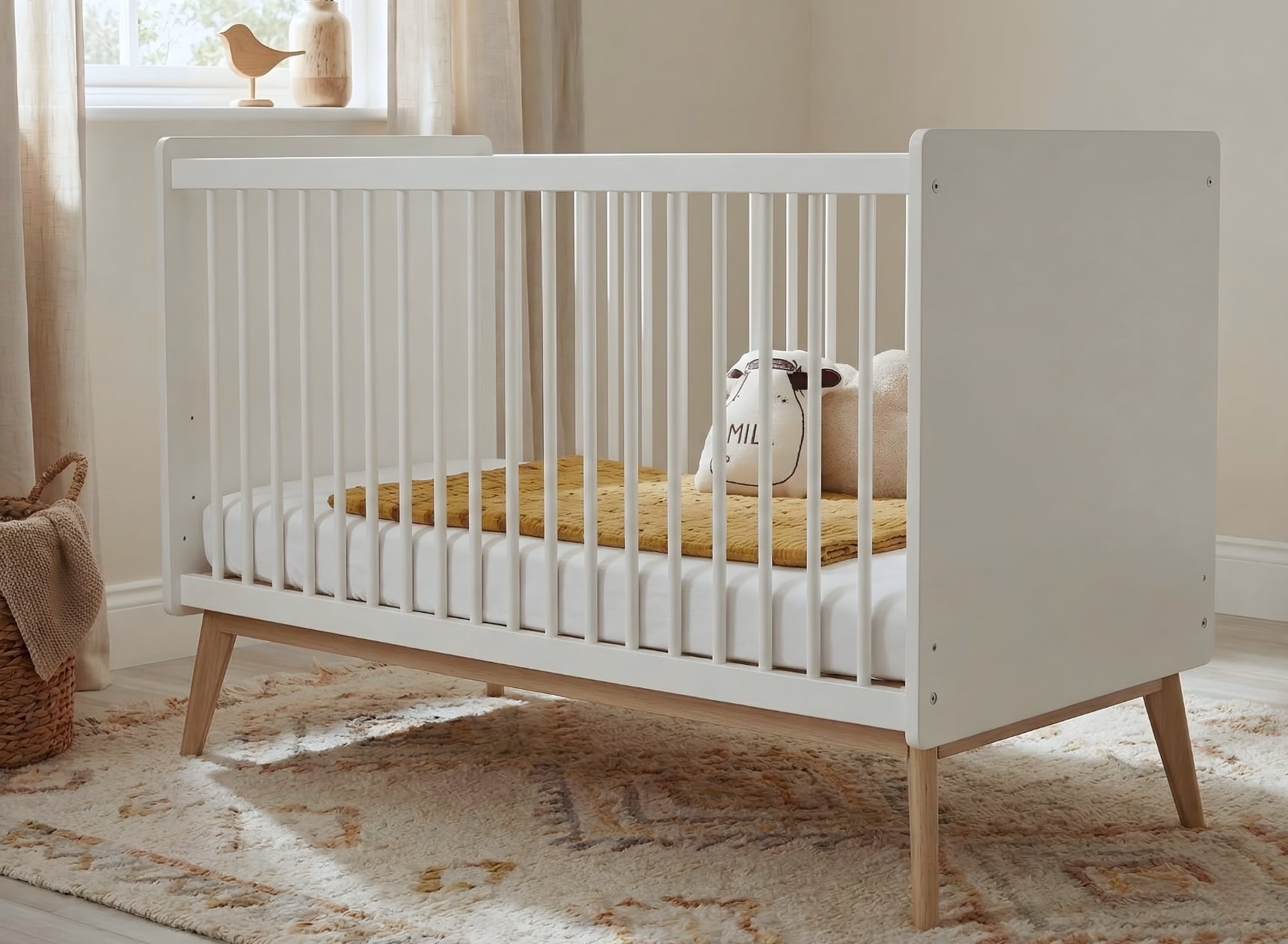
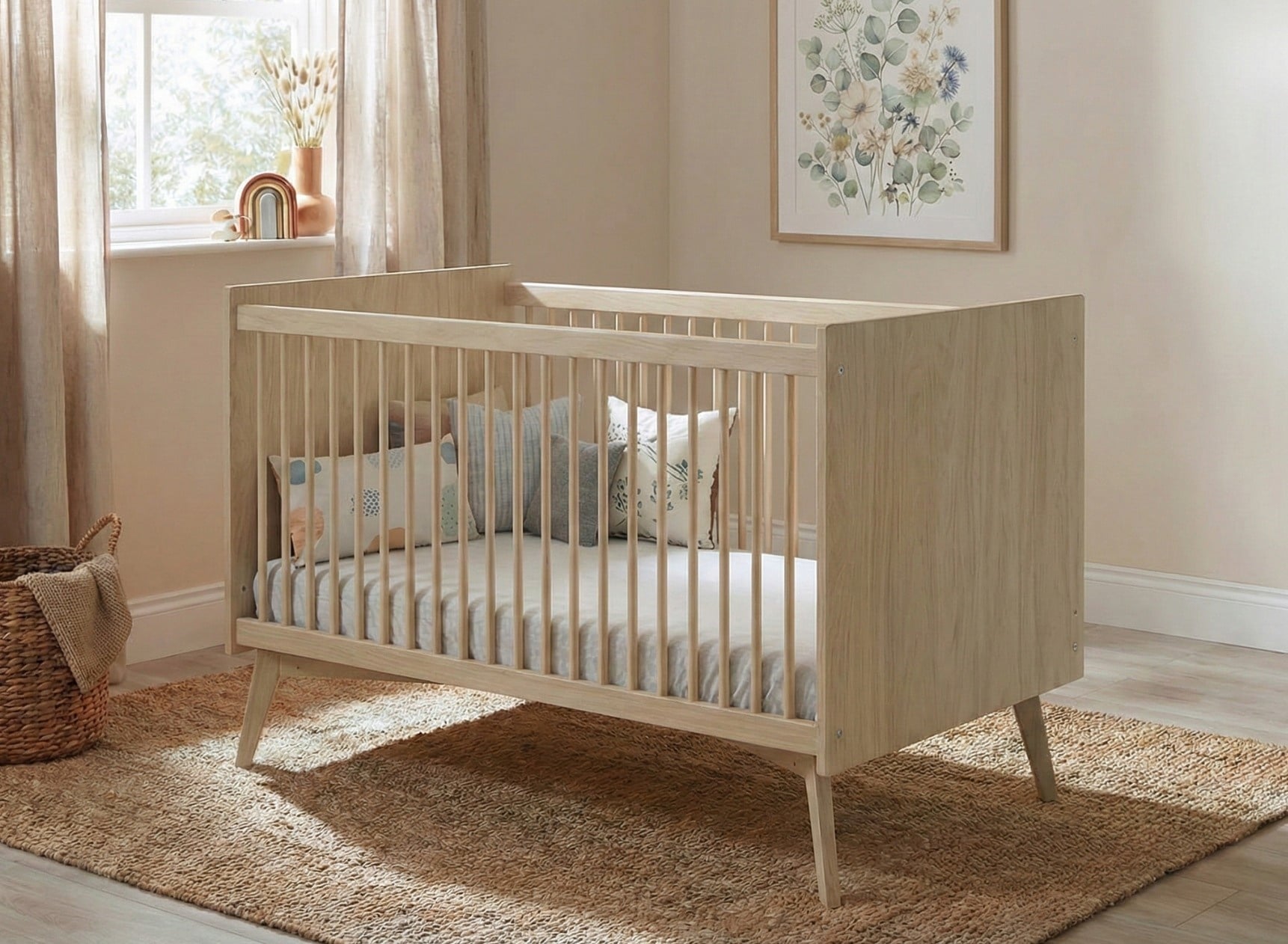
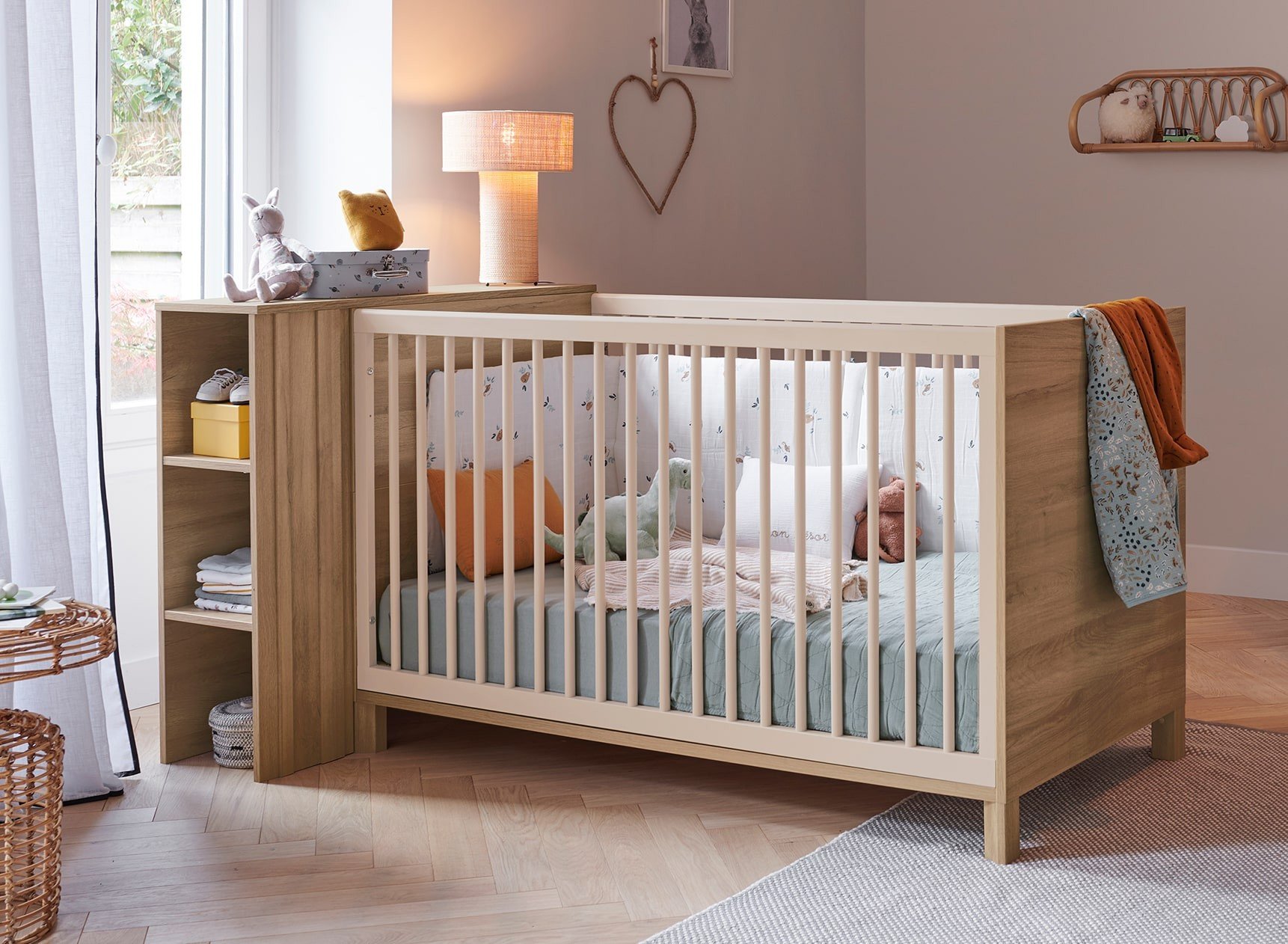
During the first months, a baby's needs evolve quickly. The choice of furniture can therefore also be planned with the long term in mind. A convertible crib makes it possible to support the different stages of growth while maintaining a harmonious look in the room.

FAQ: frequently asked questions about baby's eye color

No. Some babies are born with blue or gray eyes, while others already have brown eyes. Color depends in particular on pigmentation and genetics.

Yes. Some shades, especially for light-colored eyes, can still change until age 3.

No. Some babies are born with blue or gray eyes, while others already have brown eyes. Color depends in particular on pigmentation and genetics.

Probabilities can be established based on family genetics, but no method can guarantee the final eye color.

In conclusion

A baby's eye color is the result of a complex combination of genetics and pigmentation. It can change over several months before stabilizing, generally around the first year, with sometimes slight variations up to age 3 for light-colored eyes.

And as baby grows and their gaze changes, their room evolves too. At Nateo, we offer baby furniture designed to support the first years and create a durable, comfortable, and harmonious space.