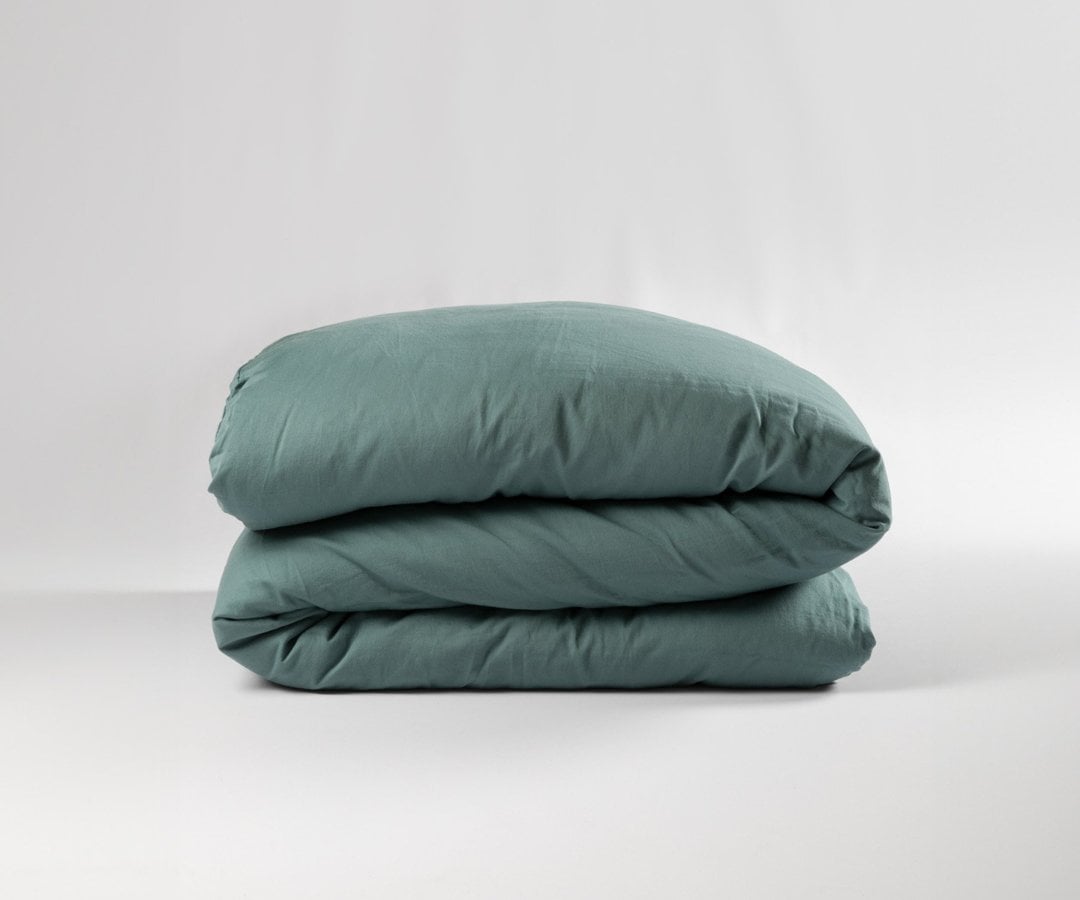
All-season or warm duvet: how to choose wisely for better sleep?

- Categories : Tips

Nateo CONCEPT

Medium-weight or Warm Duvet? The Complete Guide

Are you hesitating between a warm or medium-weight duvet? You're not alone. The comfort of your nights often depends on a small detail: the right warmth level. And this choice deserves attention, especially when it comes to your children's sleep... or your own.

Key takeaway: A medium-weight duvet (220 g/m²) suits bedrooms at 18-22°C, offering a balance of warmth and breathability, while a warm duvet (minimum 350 g/m²) is essential below 18°C or for those who feel the cold easily. The choice of fill (natural or synthetic) and cover material also influence thermal comfort, ensuring nights adapted to every need.

Medium-weight duvet: for well-heated bedrooms and balanced nights

Ideal temperature: 18 to 22°C


This is the all-purpose duvet, the ally of well-insulated homes and sleepers who don't like being too hot or shivering.

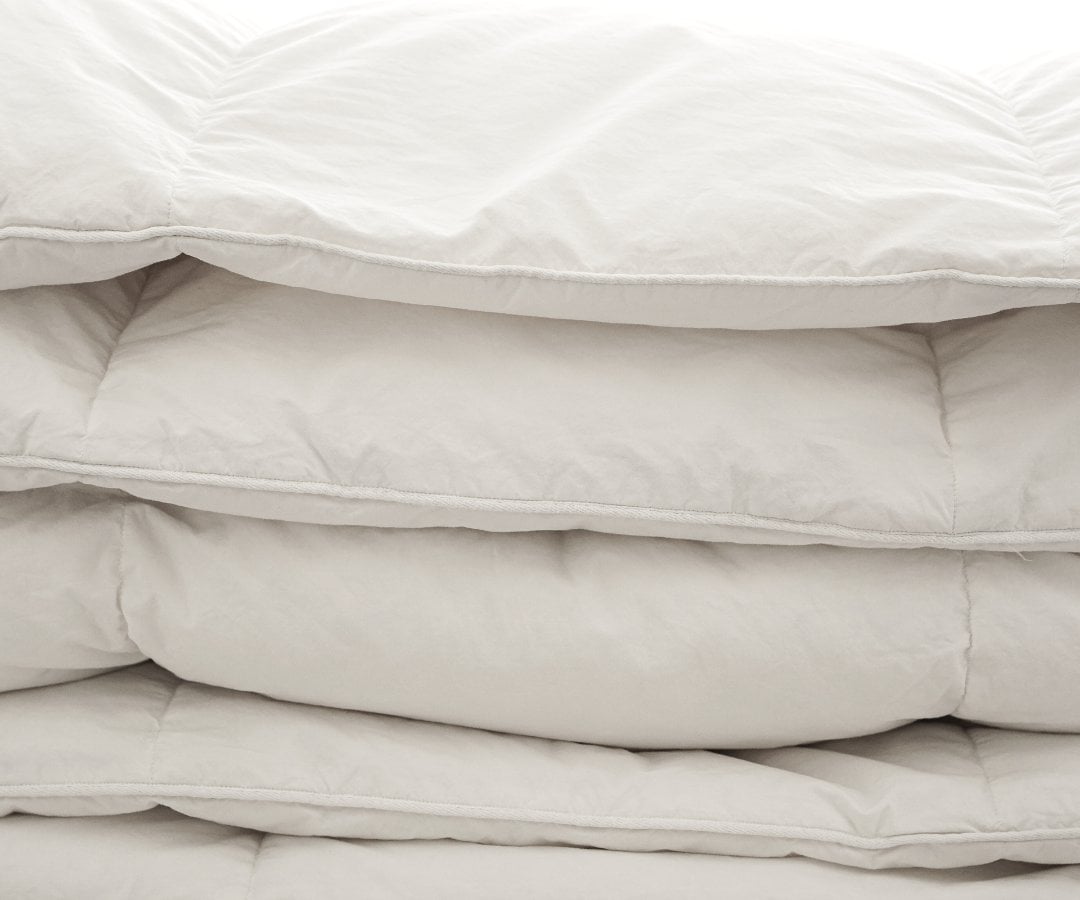
With a weight around 220 g/m², it offers gentle warmth, without excess. Lightweight, breathable, it's perfect for transitional seasons... or for winter if your bedroom is well heated.

💡 Did you know? A medium-weight duvet paired with a warm cover (like flannel) can be sufficient even in the middle of winter.

Warm duvet: for those who feel the cold and cool bedrooms

Bedroom below 18°C?

Your bed deserves a real bubble of warmth. Warm duvets, with a weight of 350 g/m² or more, are designed to trap body heat.

They are ideal if:

  • Your home is poorly insulated
  • You sleep in a north-facing room
  • Your feet are always cold, even under the duvet

Choosing a warm duvet means saying goodbye to shivers and nighttime awakenings due to cold.

💡 Also discover our article to learn everything about the ideal temperature in a bedroom

Natural or Synthetic Fill: Two Styles, Two Budgets

The fill influences comfort, durability, and moisture management.

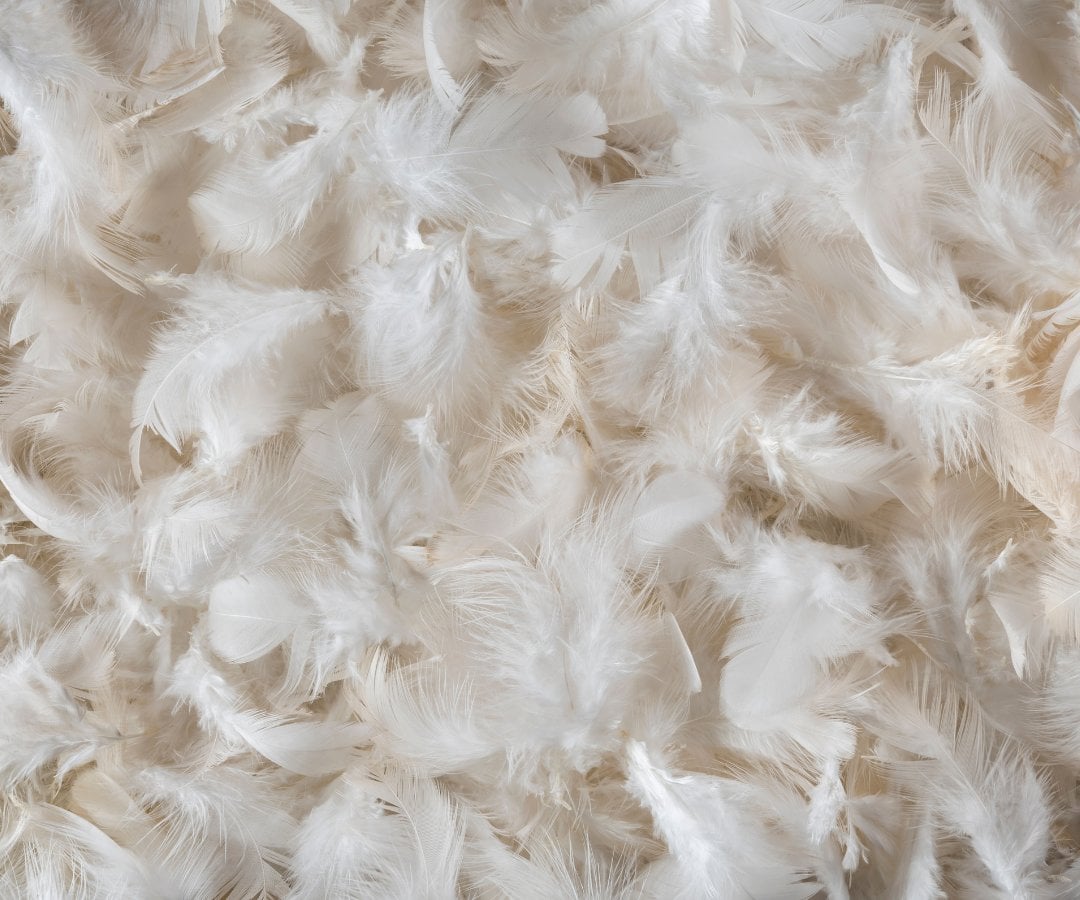
Natural (down, feathers): lighter, more breathable, more durable. It naturally adapts to temperature variations.

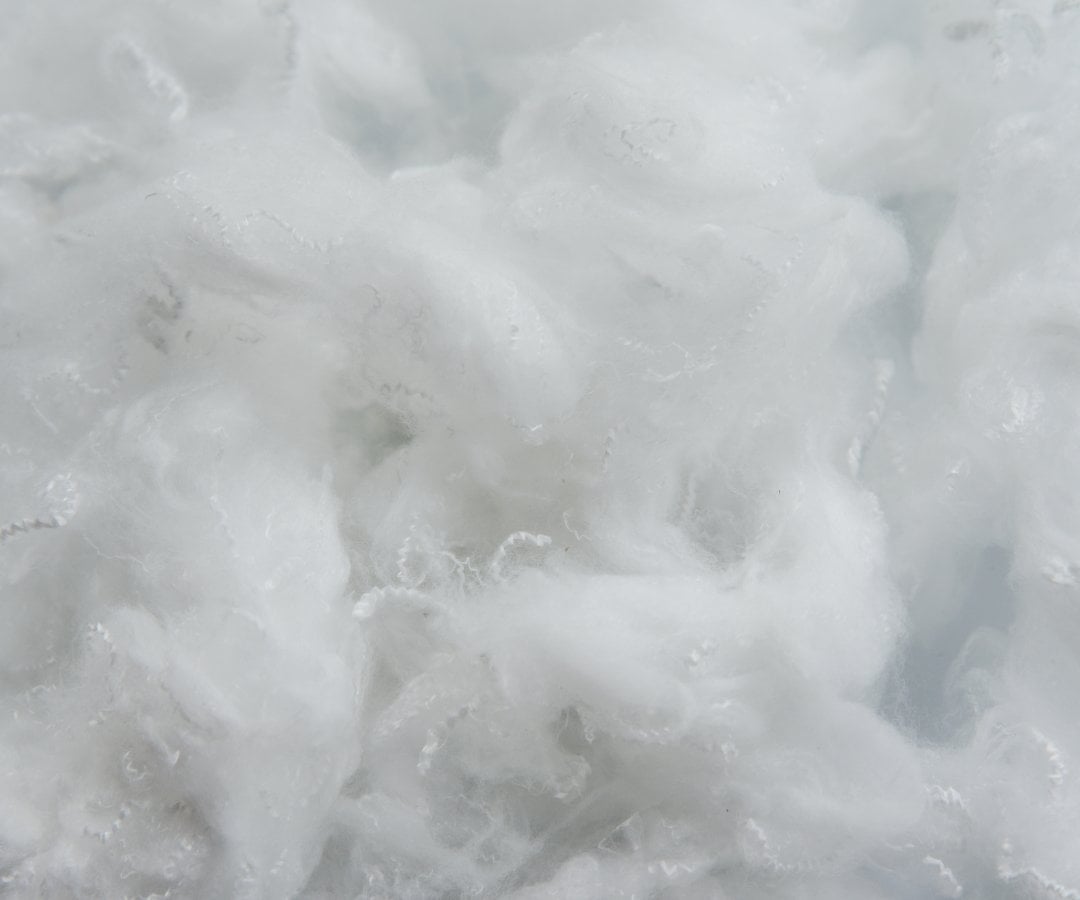
Synthetic: affordable, hypoallergenic, easy to care for. A good choice for small budgets or children with allergies.

💡 For a child prone to allergies, a synthetic medium-weight duvet treated against dust mites can be a perfect solution.

A small detail that changes everything: the cover material

We rarely think about it, yet... The cover significantly influences the warmth felt.

  • Flannel: retains heat well. Perfect in winter with a medium-weight duvet.
  • Cotton percale: lightweight and breathable, to avoid overheating.
  • Washed linen: thermoregulating, ideal year-round.

Changing the cover according to the season allows you to adapt your duvet without necessarily buying two.

Which Duvet for Which Type of Sleeper?

Your personal sensitivity to cold takes priority. Two people in a bedroom at 20°C won't necessarily have the same needs.

If you sweat easily, prefer a medium-weight duvet with a lightweight cover. If you feel the cold easily, even a bedroom at 21°C may require a warm duvet.

What About Size?

A duvet that's too small guarantees cold nights. Plan for at least 30 cm more than the bed width. For a double bed, we recommend 240x220 cm or 260x240 cm.

💡 Check out our Nateo Concept guide to choose the right duvet size for your bed

Verdict: medium-weight or warm duvet?

  • Medium-weight duvet (220 g/m²): ideal between 18 and 22°C, for sleepers who don't feel the cold easily and well-heated homes.
  • Warm duvet (350 g/m² and above): essential below 18°C, or if you feel the cold easily, even with a bedroom at 20°C.

💡 The right choice? The one that adapts to your ambient temperature AND your personal comfort level.

For Tailored Nights

Nateo Concept offers many models such as the adult 4-season duvet as well as a 140x150 duvet for children.

We also offer an extensive range of adult bedding & children's bedding.

Finding the right model means offering the whole family softer, healthier, more peaceful sleep.