How to create an educational play area in your child's room?

- Categories : Tips

Nateo CONCEPT

How to organise an educational play corner?

A child's bedroom is a space to be organised in a way that is practical and functional. Indeed, a child's room should be both a place to sleep, but also to play, read, dream, etc. To make it as pleasant as possible, creating a play corner in the room is often recommended. So how do you create this famous play corner in a child's room? What activities should be offered according to the age group? How can you make this space comfortable and pleasant? How can you make it evolve?

Choose the ideal location in the room

It all starts with choosing the ideal location in the room. Depending on how the room is arranged, you will need to determine where to set up the play corner. Most often, it actually depends on where the bed is installed, as this is what you will position first.

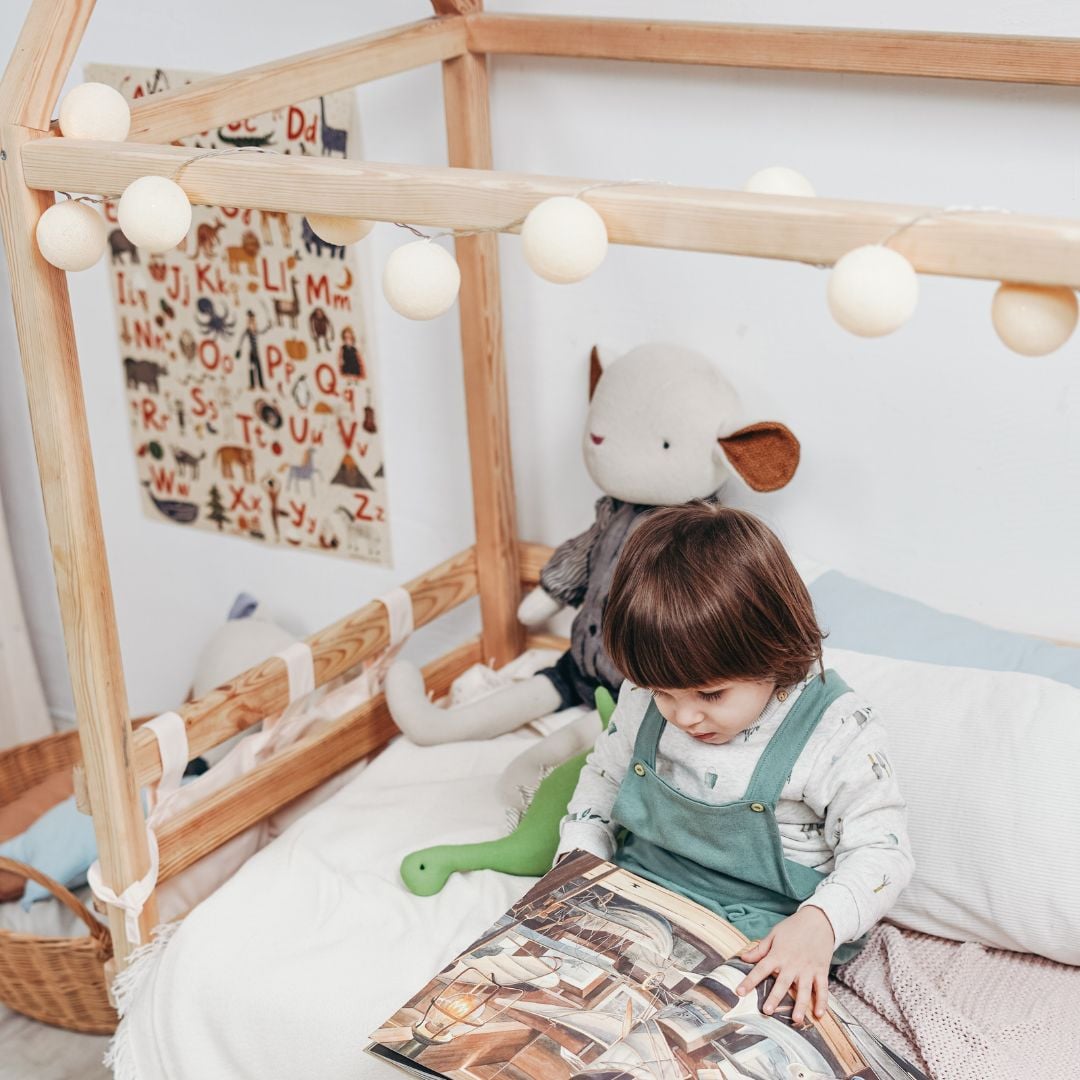
If the room is large enough, you can opt for a classic children's bed like a 90x190 cm children's bed. You can also go for a house bed if you want to create a playful children's room.

If the room lacks space, you can opt for different formats of children's beds such as:

  • The children's bed with storage, to benefit from additional storage in the room.
  • The children's loft bed, it is positioned at height and allows for a play corner, a desk or even a bench to be installed underneath. There are even models with another piece of furniture already integrated underneath, like our white SOHO 90x200 loft bed with desk for example.
  • The mid-height children's bed, which allows for creating a small play corner (although more cramped) or a storage space.

The choice of the child's bed can therefore determine how you will organise an educational play corner in the room. Take care to maximise space to avoid the room becoming too cluttered.

Determine the child's needs according to their age

The way you will set up a play corner will also depend on your child's age. From one age group to another, the needs are not the same.

A play area for a baby aged 0 to 2 years

For a baby aged 0 to 2 years, you will mainly focus on sensory toys with a play mat, rattles, sensory cubes, teething toys, etc. You can also equip this space with a Montessori mirror against the wall, your child will love seeing themselves and using the support bar to hold on.

A play area for a young child aged 3 to 5 years

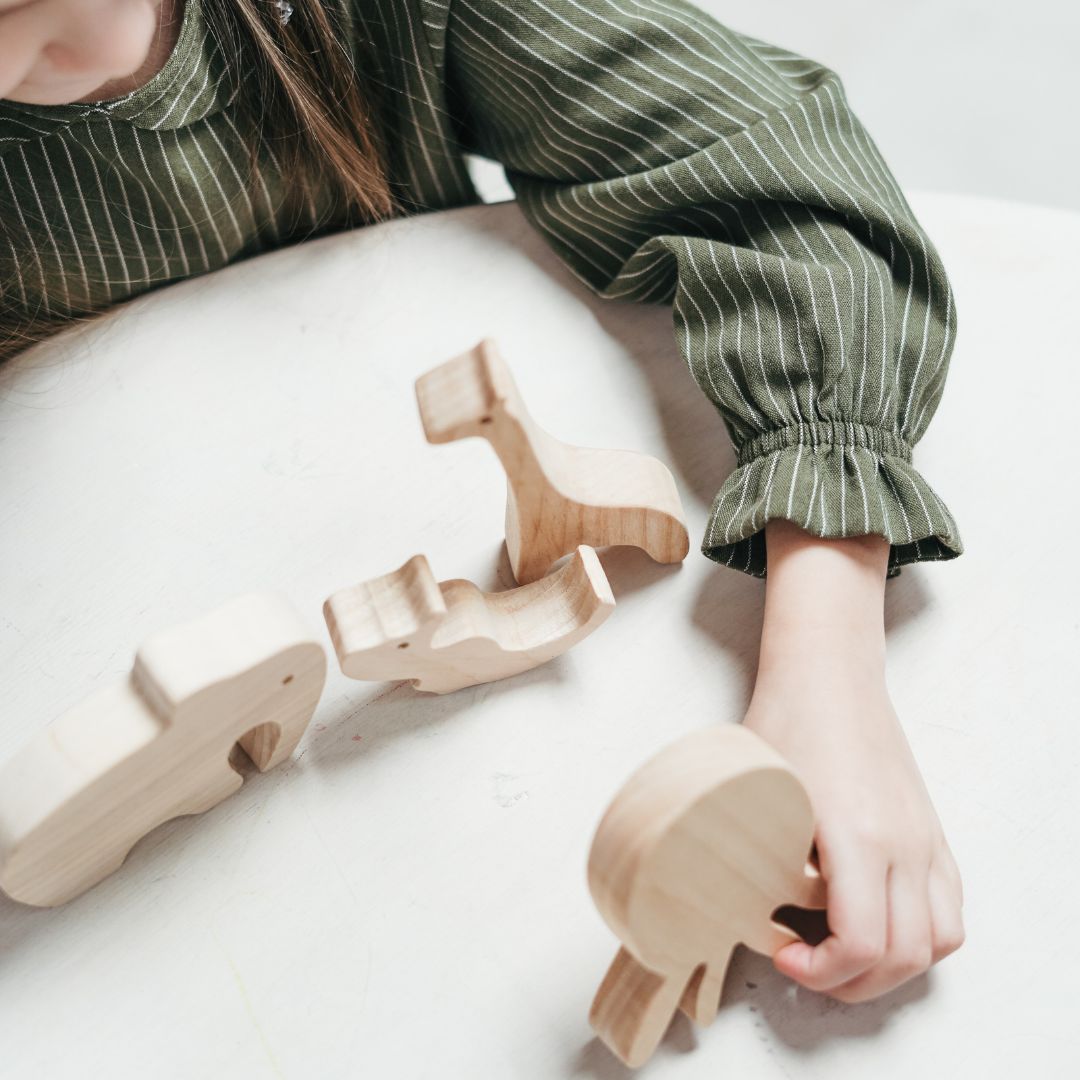
Between 3 and 5 years old, fine motor skills games are preferred. You can also provide puzzles, reading books, as well as a small table and chair for manual and creative activities. You can also add a chalkboard or paper board, as well as a small bookshelf.

A play area for a child aged 6 to 10 years

For older children, the play corner will be filled with books, construction toys and other interactive games. Keep this space free from screens for as long as possible. Also keep in mind that your child's room will need a desk for doing homework. Work space and play space will therefore have to coexist in the same room.

Take into account the child's interests

When creating this space dedicated to play, focus on themes that appeal to your child according to their interests such as animals, music, science. This can also be the theme of the child's room decoration.

However, also make sure to introduce them to other things to stimulate their creativity.

Choose furniture and storage at child height

A successful educational play corner is a space where the child can be perfectly autonomous, able to reach what they want and put it away. Therefore, opt for child-height furniture such as small standing cabinets that are easy to access. Set up an easy and fun storage system so that your child can maintain some organisation in their play corner.

Make the space pleasant and aesthetic

To make this play area pleasant for your child, you can also work on its aesthetics and decoration. For example, opt for a nice rug on the floor which will visually define the space. Today, you can find rugs for children's rooms that can be machine washed to maintain the hygiene of the room, especially if the child plays directly on the floor.

You can also decorate the walls with, for example, decorative and educational posters featuring the alphabet, numbers, a world map, animals, etc. Don't forget to ensure that the play area is also well-lit by adding, for example, an additional light. Finally, you can also opt for installing a small armchair or even floor cushions and poufs to make it even more comfortable.

Maintain the evolution of the play corner

For this play corner to remain educational and suitable for your child, you will need to make it evolve over the months and years. This involves regularly sorting out what the child no longer uses to avoid the play area becoming too cluttered and unusable.

Moreover, regularly offer your child the opportunity to discover new activities within this space. You can get inspiration from various books on child development, find ideas online or even draw inspiration from what is offered at school, for example.