How to help your baby find a good sleep rhythm?
Nateo CONCEPT
Finding the right sleep rhythm for baby
Is your baby having trouble falling asleep or sleeping through the night? Here are our tips to help them adopt a peaceful sleep rhythm, adapted to their needs and reassuring for you.
Understanding baby sleep
Why sleep is essential
Baby sleep is not just a simple pause between feedings. It's a fundamental pillar of child development, influencing their rapidly growing brain, ability to regulate emotions, and even the proper functioning of their immune system. Each nap, each phase of deep sleep, contributes to building the neural connections that will shape their memory, language, and perception of the world.
Studies show that a baby deprived of sleep may exhibit attention disorders from their earliest years. It's therefore not just a matter of comfort or routine; it's an essential biological condition for their overall health. The body regenerates, the brain sorts through information experienced during the waking period, and the child unconsciously learns to manage their emotions from the first weeks of life.
Respecting the newborn's natural wake-sleep rhythm is therefore crucial. This rhythm, still immature at birth, begins to emerge around 6 to 8 weeks. But be careful: each baby is unique! Some find a rhythm earlier, others require more time. The important thing is to carefully observe their specific needs.
Scientific bases and biological factors
But then, how to explain that some babies sleep "like logs", while others fiercely resist sleep? The secret lies in the progressive maturation of the circadian rhythm, this internal biological cycle that regulates the day/night alternation thanks to the hormone melatonin... produced only with natural light exposure!
This rhythm is not fully functional until the 10th or 12th week after birth. Before that, wake and sleep phases are dictated by internal signals such as hunger or discomfort. Another fascinating point: innate temperament plays a key role. A baby very sensitive to stimuli will have more difficulty falling asleep alone or staying asleep for long.
Professionals in infant neuroscience agree on a little-known fact: stimulating these rhythms too early with rigid routines can disrupt their natural establishment. It's better to offer a gentle and flexible structure, aligned with the infant's biological signals.
Evolution over the months
During the first months following pregnancy, one should expect great variability: a newborn generally sleeps between 14 and 17 hours a day... but rarely continuously! These long durations include several short cycles, interspersed with periods of active wakefulness, where the baby explores their environment.
Around the 4th or 5th week, we often observe a progressive lengthening of nighttime phases — a sign that the internal clock is slowly starting to establish itself. At this age, some babies can offer a first "long" moment of nighttime sleep (for example: 4 hours in a row), which for exhausted parents represents an unexpected victory!
Baby sleep cycles
Infant sleep phases
A baby's sleep is radically different from an adult's. It mainly alternates between two states: quiet sleep (or non-REM) and active sleep (REM equivalent), but with a much higher frequency. Each cycle lasts about 50 minutes in a newborn — compared to 90 minutes for an adult.
During active sleep, the eyes move rapidly under the eyelids, the face sometimes grimaces... yet they are sleeping deeply! It's during this phase that most cognitive and emotional processing occurs — a key moment for brain development.
Conversely, quiet sleep is marked by regular breathing and little to no movement. This phase promotes physical recovery. Both are essential and must alternate harmoniously throughout the day... as well as the night.
Variable duration according to age
Over the weeks, the composition of the cycle evolves subtly: around 3 months, cycles lengthen slightly; around 6 months, they slowly start to resemble adult cycles more. However, there is always great individual variability.
An example? One baby might sleep ten hours straight from three months... while another might still need a night feed every two hours! This doesn't necessarily mean there's a problem — simply that their needs differ according to their physiological and emotional stage.
Adaptation to external influences
Surprising but proven fact: the sound environment directly influences cycle organization! Prolonged exposure to white noise or monotonous sounds can help some sensitive children maintain their cycles without abrupt interruption between two phases.
But be careful! Excessive stimulation at the end of the day — especially blue light from screens — can severely disrupt their nascent biological clock. The solution? A soothing routine from early evening to create stable temporal markers.
Common sleep challenges for newborns
Day/night irregularity: normal but exhausting
Few babies sleep through the night before three months. Their nervous system isn't yet ready to clearly distinguish day and night — which explains these frequent wake-ups without apparent logic during the night... and sometimes these long periods of joyful wakefulness in the middle of it!
This is where many parents experience profound physical and mental fatigue, especially if feeding is exclusively by breastfeeding or bottle every two hours. These moments are emotionally intense as they often create a feeling of helplessness in the face of unexplained crying or the predictable lack of respite.
Managing your own stress
The hardest part? Dealing with this period without losing your footing. Because yes, when your own circadian rhythm is turned upside down by that of a little human being still incapable of synchronization... it quickly becomes unbearable!
Fortunately, there are concrete ways to lighten this load: temporary delegation (even for a few hours), occasional help from relatives, or consultations with a health professional specializing in perinatal care can make all the difference.
Effective strategies against fragmented nights
It's not about achieving unrealistic perfection but rather implementing a series of gradual adjustments: establishing a fixed evening routine (warm bath + lullaby + cuddle), avoiding light stimulation after 6:00 PM, consistently offering calm times before each rest phase...
These micro-habits not only relieve the parent but also deeply secure the baby in their mental construction of the outside world.
Creating a safe sleep environment
Choosing a secure space
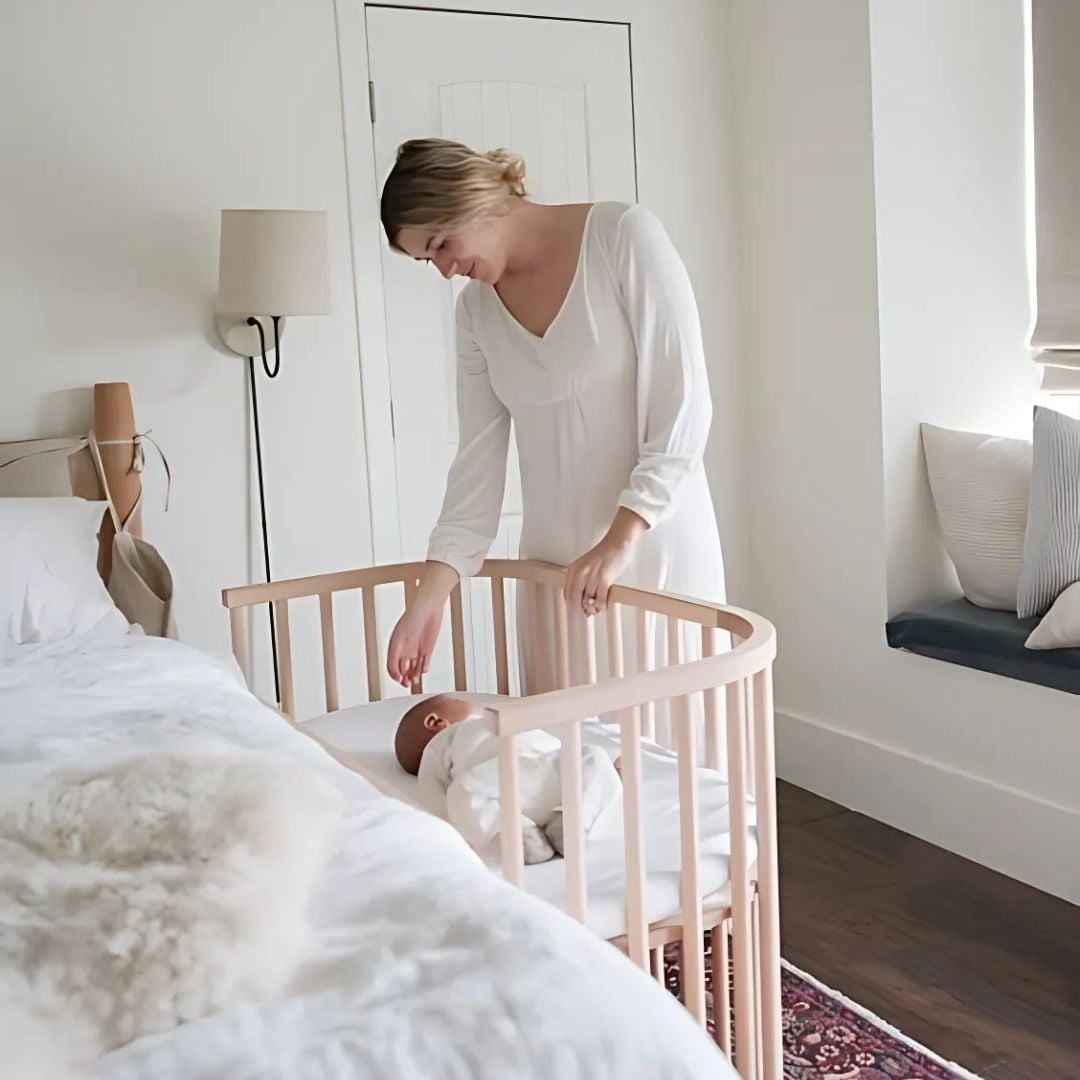
Sleep safety is non-negotiable. An appropriate bed (certified cradle), without pillows, blankets, or bulky stuffed animals drastically reduces the risks associated with sudden infant death syndrome (SIDS). The back sleeping position remains imperative for at least 1 year — even if baby seems to prefer sleeping on their stomach at first!
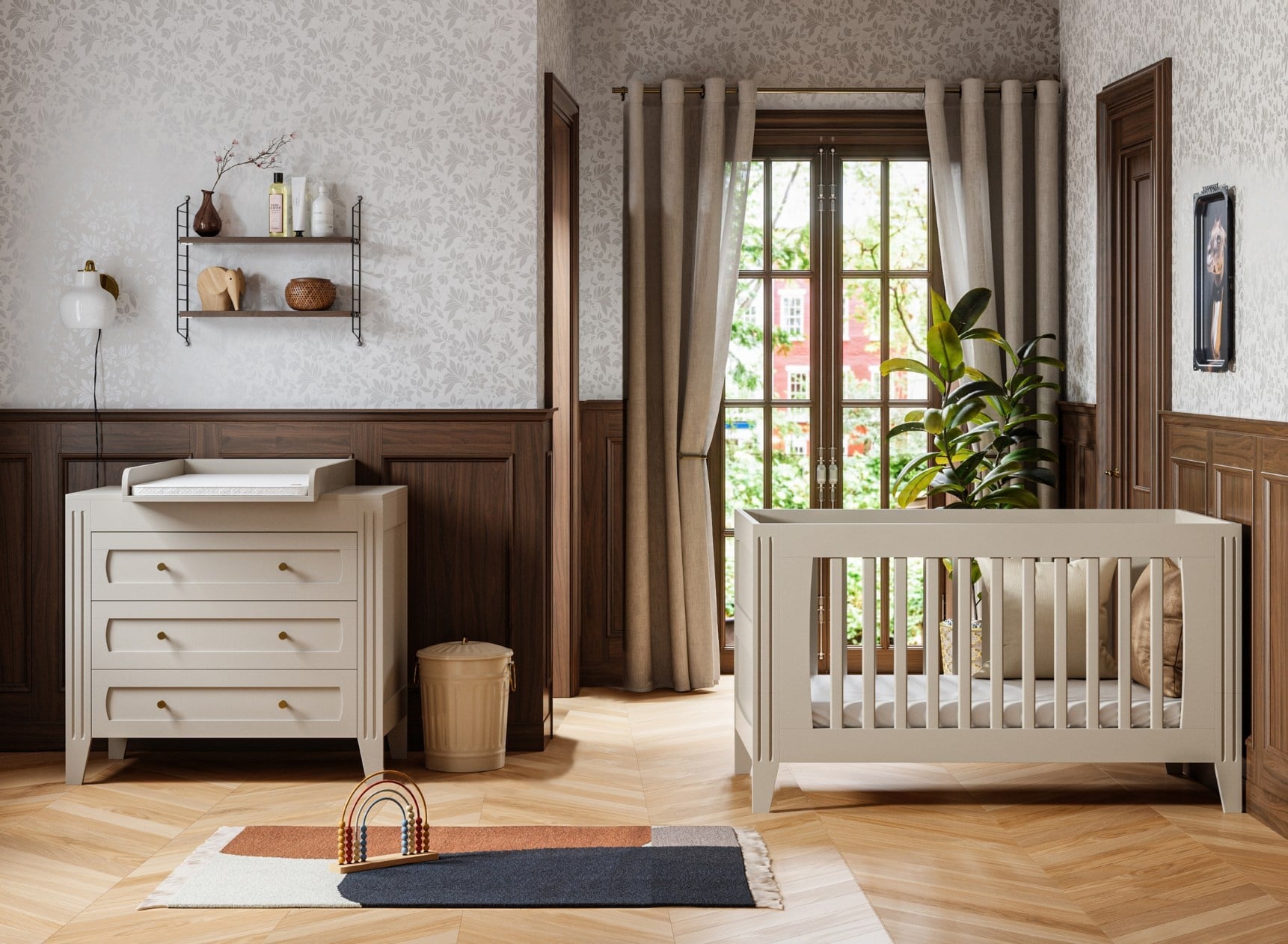
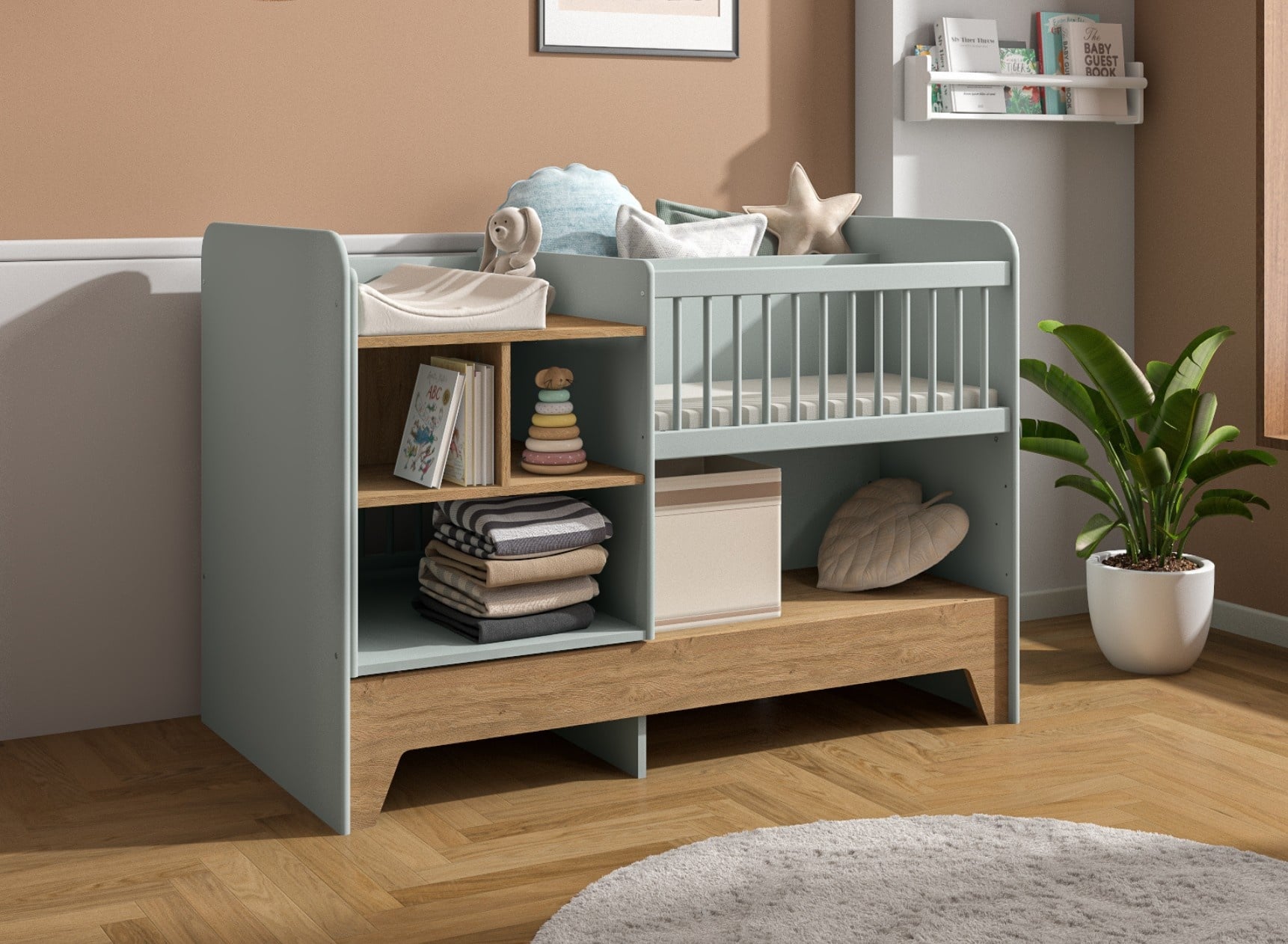
Discover our range of eco-friendly baby beds adapted to each family's needs.
The mattress should be firm and perfectly fitted to the bed so that no space allows the infant to slip or accidentally get stuck during nighttime movements. And why not choose a healthy mattress for your baby with our bamboo baby mattress, available in 60x120 cm and 70x140 cm.
Controlled ambient temperature
A room that's too warm significantly increases respiratory risks in children. Ideally? Between 18°C and 20°C maximum with good natural or silent mechanical ventilation. Using an appropriate sleep sack also helps avoid any dangerous thermal excess while keeping your child comfortably covered all night.
Shared sleep: benefit or danger?
Sleeping with your baby in the same bed is still a subject of debate among experts... Yet some cultures strongly value this practice as strengthening the parent-child relationship from the first weeks postpartum!
If you opt for this co-sleeping approach, scrupulously follow official recommendations (no alcohol or sleep medications for the adult sleeping with the baby) to ensure their complete safety.
If you want more advice on co-sleeping beds, we invite you to check out our dedicated blog article.
Influence of feeding on sleep
Nighttime feedings: allies or enemies?
Contrary to popular belief, frequent nighttime breastfeeding doesn't necessarily disrupt future sleep patterns — quite the opposite! Nighttime feeding naturally stimulates beneficial hormone production (prolactin) in mom... sometimes even promoting her own quick return to sleep afterward!
Breastfeeding also creates an immediate soothing sensory state in the baby that often facilitates post-feeding sleep without any particular additional effort.
Bottle/mixed feeding alternatives
For those using bottles exclusively or alternating with breastfeeding, it's also important to adapt the feeding routine based on observed reactions after each feeding: bloating? Early wake-ups? Digestive difficulties?
A simple change like choosing a slower nipple can sometimes significantly improve the quality of sleep for the entire family...
Learning to recognize signs of fatigue
Understanding before it's too late
A big parental myth is believing that "the longer they stay awake, the better they'll sleep afterward". False! An overtired baby releases massive amounts of cortisol — a hormone that actually blocks... falling asleep!
Red eyes? Constant rubbing? Sudden agitation? These are all early signals indicating it's time for them... without waiting any longer!
Adjusting parental responses
Actively observing these signs allows parents to intervene at just the right moment – neither too early (risk of simple refusal) nor too late (guaranteed meltdown). Sometimes it's simply enough to gently turn off the light or whisper a few familiar words to trigger an entire neurochemical process favorable to complete physical relaxation...
Occasional follow-up with a health professional can also help refine this subtle behavioral reading if you still have persistent uncertainties.
Parental emotions facing infant sleep
An invisible but real roller coaster
The exhaustion accumulated over several weeks heavily affects your daily cognitive abilities — reduced concentration, increased irritability, even a diffuse feeling of permanent parental failure...
But no: what you're experiencing IS normal. This intense stage is an integral part of the initial parental process linked to healthy and secure child development on all levels.
Creating a community around oneself
Talking with other parents going through exactly the same difficulties instantly breaks this oppressive solitary sensation! Join local or virtual specialized groups where mutual help rhymes with shared collective experience...
Exchanging personal tips then becomes not only therapeutic but often emotionally life-saving!
You don't need to be perfect — just present and attentive to the subtle signs sent each day by your child... Their rhythm, deep emotional needs, and trust in you will naturally build their positive relationship with sleep for the long term!
Sage green and wood bedroom: how to create a natural and soothing space
Children's bed size: the complete guide for healthy and safe sleep
How to decorate your bedroom with healthy materials?