How to relieve baby's pain?
Nateo CONCEPT
Relieving baby's pain
When a baby is in pain, it's not always easy to know what's causing the pain, or to find ways to relieve it. While some cries become recognisable over time, parents sometimes find themselves at a loss. Fortunately, there are ways to understand babies' pain and of course to relieve it properly so that your child can regain their serenity.
The different types of pain
In babies, we can distinguish three types of pain:
- Pain induced by medical procedures
- Pain related to illness
- Chronic pain
Pain induced by medical procedures
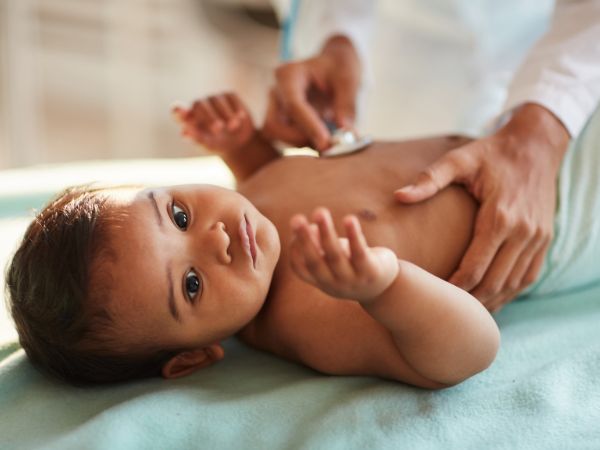
These are pains caused by all kinds of medical procedures. It can be a blood test, a vaccine, stitches, etc. The good news is that we know exactly why the baby is in pain. The less good news is that it's difficult to explain to them that this action, which is of course unpleasant, is being done for their own good and that the pain will soon pass.
To help the baby get through this difficult moment, it's important to have a calm attitude, soft words and comforting gestures. Try as much as possible not to share your stress with your baby. Moreover, the caregivers who perform these procedures can use solutions to relieve the baby. In the case of a vaccine, for example, it's possible to use an anaesthetic cream.
Pain related to illness
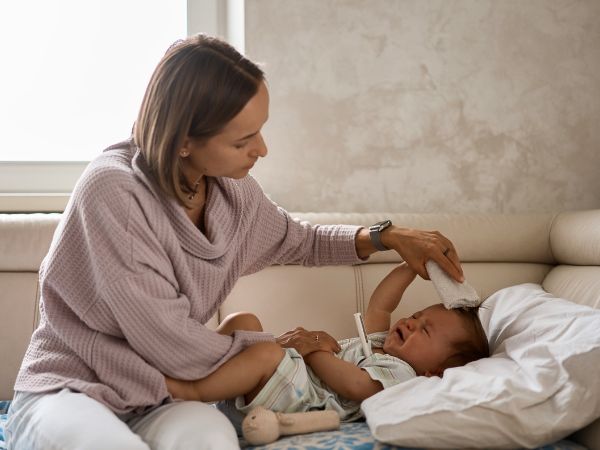
There are also pains caused by illnesses such as ear infections, migraines, digestive issues, etc. Babies suffer from many discomforts and it's important to find the right methods to relieve them. First and foremost, it's important to consult a healthcare professional to identify the underlying illness and use appropriate medical solutions. There are also natural methods that parents can implement to complement these, such as massages, baths, using more suitable food - it all depends on the problem and what helps relieve the baby. Supporting a baby when they are ill is not easy, but by finding the right gestures and tips, you can help them get through this unpleasant period in the least painful way possible.
Chronic pain
Chronic pain (lasting more than 3 months) is rarer in young children. However, it is a sign that something is wrong and should therefore be treated with the same seriousness as pain related to illness.
Identifying pain in babies
In babies and young children, the expression of pain can vary depending on the situation. Crying and screaming are generally the most common signs, letting you know that something is wrong, especially if it's the specific cry associated with your child's pain. However, some children may also remain withdrawn and unresponsive. In fact, any unusual behaviour should be identified as a potential indicator of pain or discomfort. The more you get to know your baby, the better you'll be able to recognise when something is bothering them.
Several signals can be observed such as:
- A tense facial expression
- Screams, cries, whimpers
- An unusually calm and atypical attitude
- An unusual position
- Changes in sleep patterns
Trust yourself
If you have a feeling that something is wrong with your child, listen to your instinct. It's better to make an appointment with a paediatrician or go to the emergency room for nothing, than to miss something that could potentially be serious. Parental instinct is therefore a reliable indicator that you can count on when it comes to your child.
The power of distraction
While there are many medicinal and natural solutions to combat pain, they are not always sufficient. Therefore, distraction can be a very good way to occupy the baby's mind so that they are less focused on what is bothering them. Opt for distractions that don't require too much energy, such as blowing soap bubbles, telling a story, listening to music - there are many solutions to help the baby "forget" the pain.
A pleasant wooden baby room for resting despite the pain
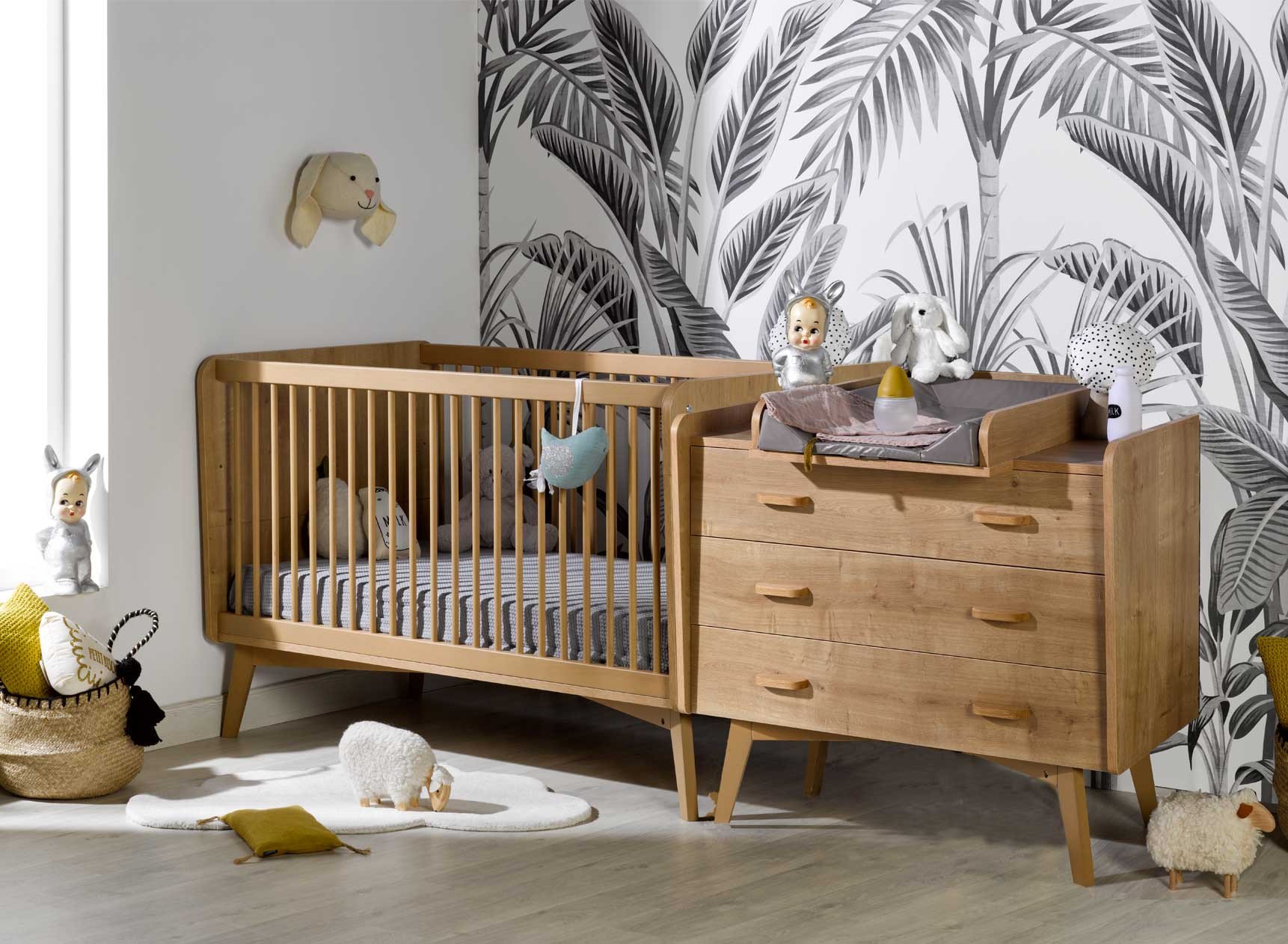
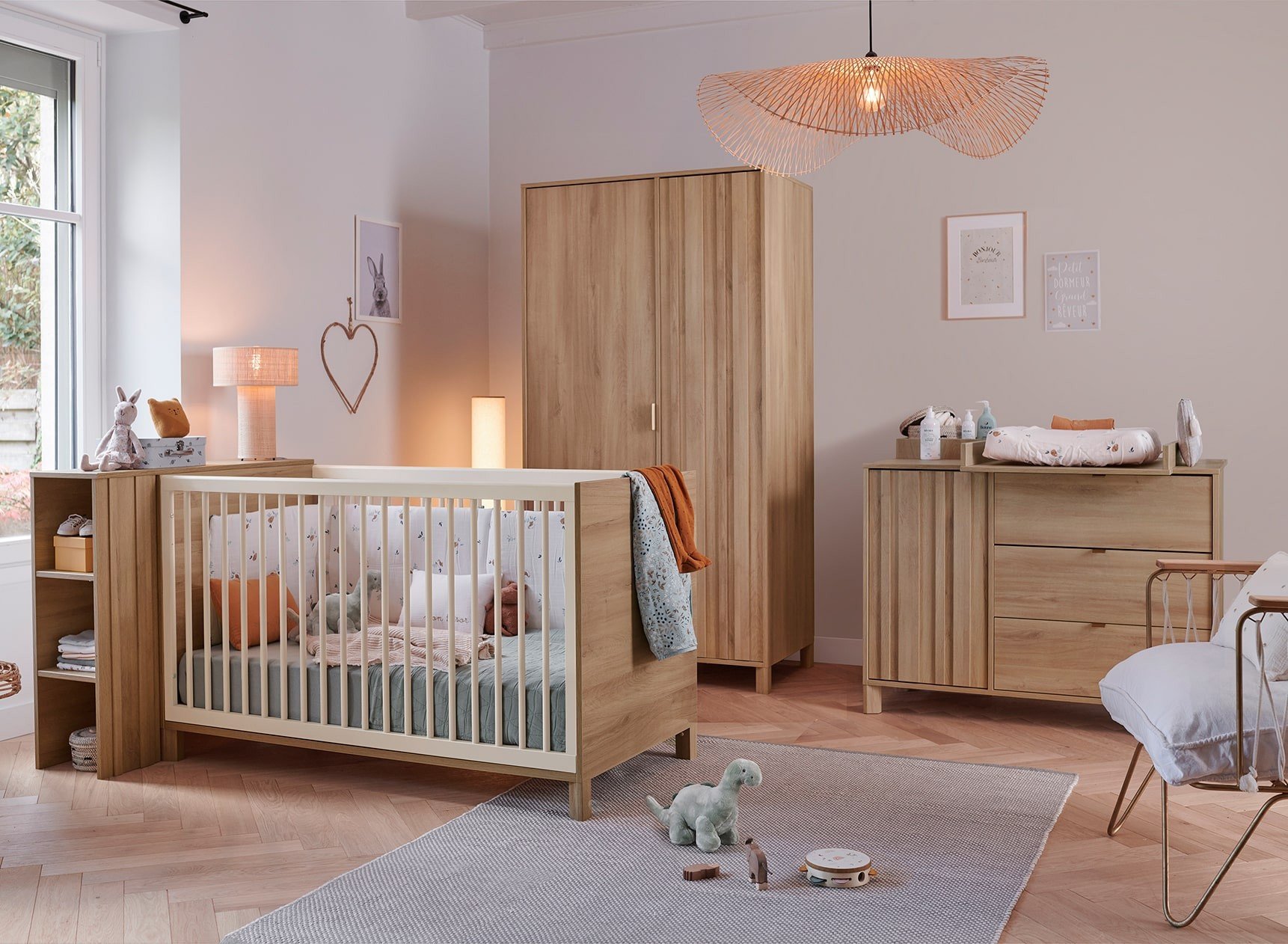
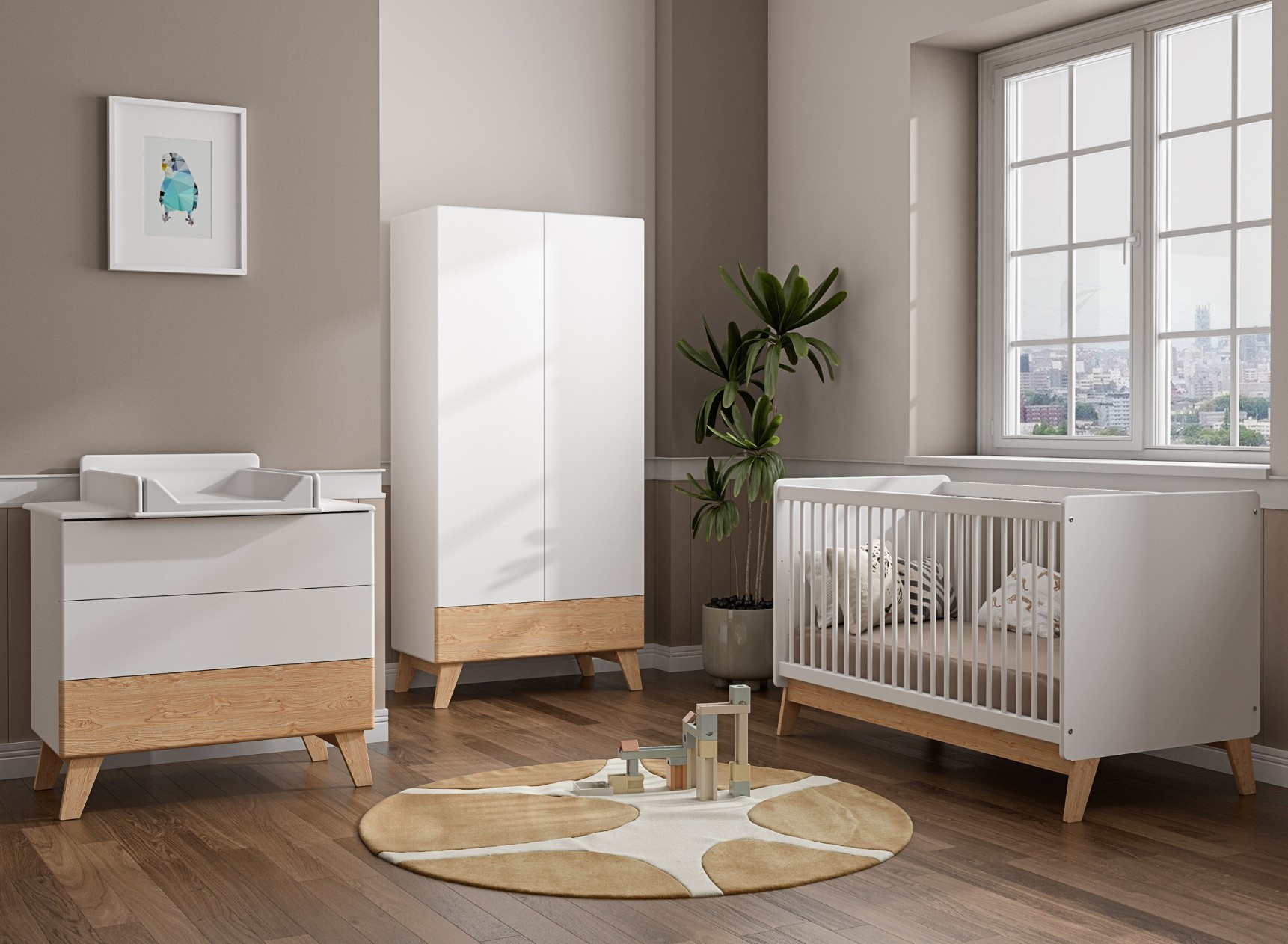
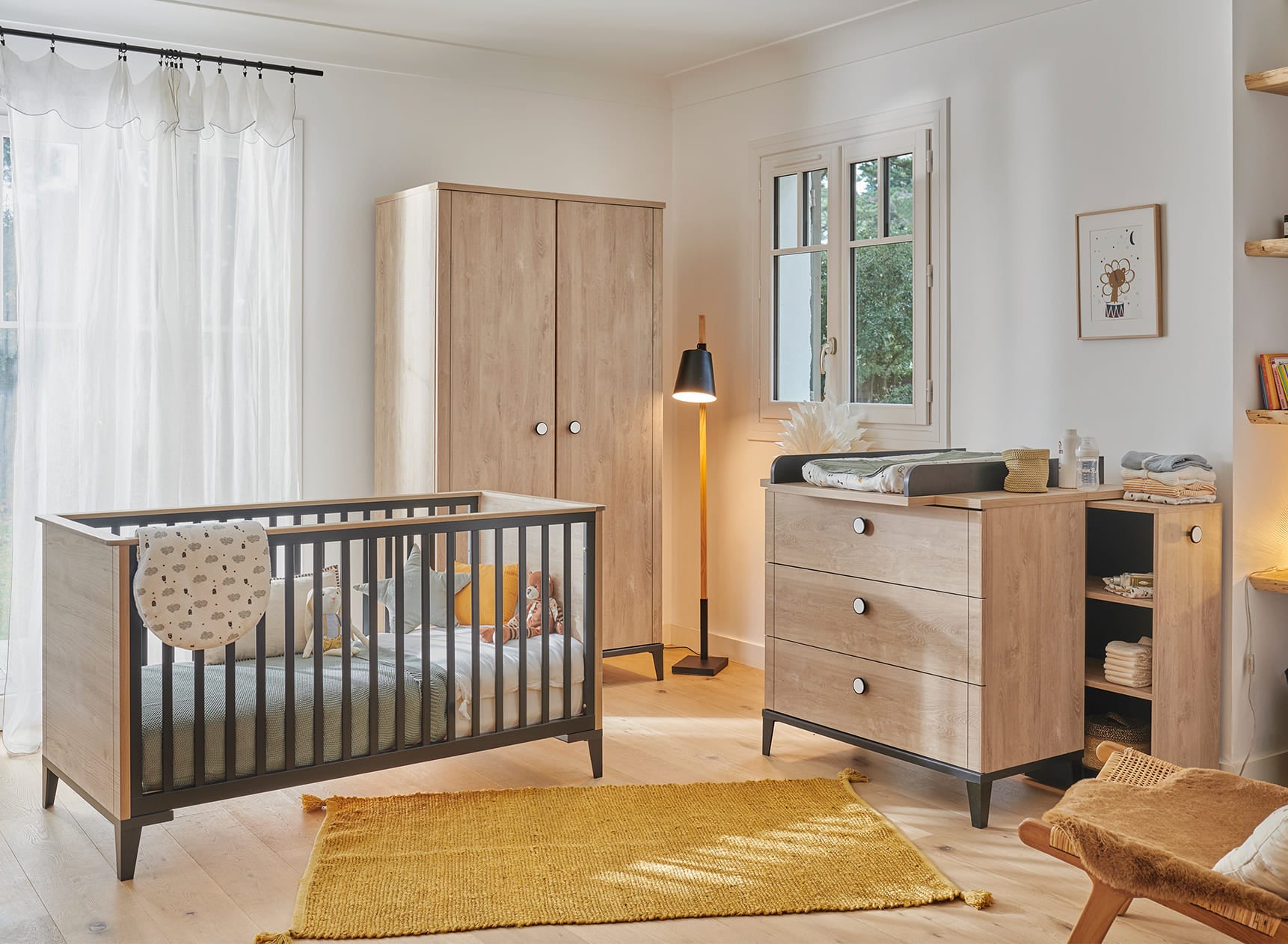
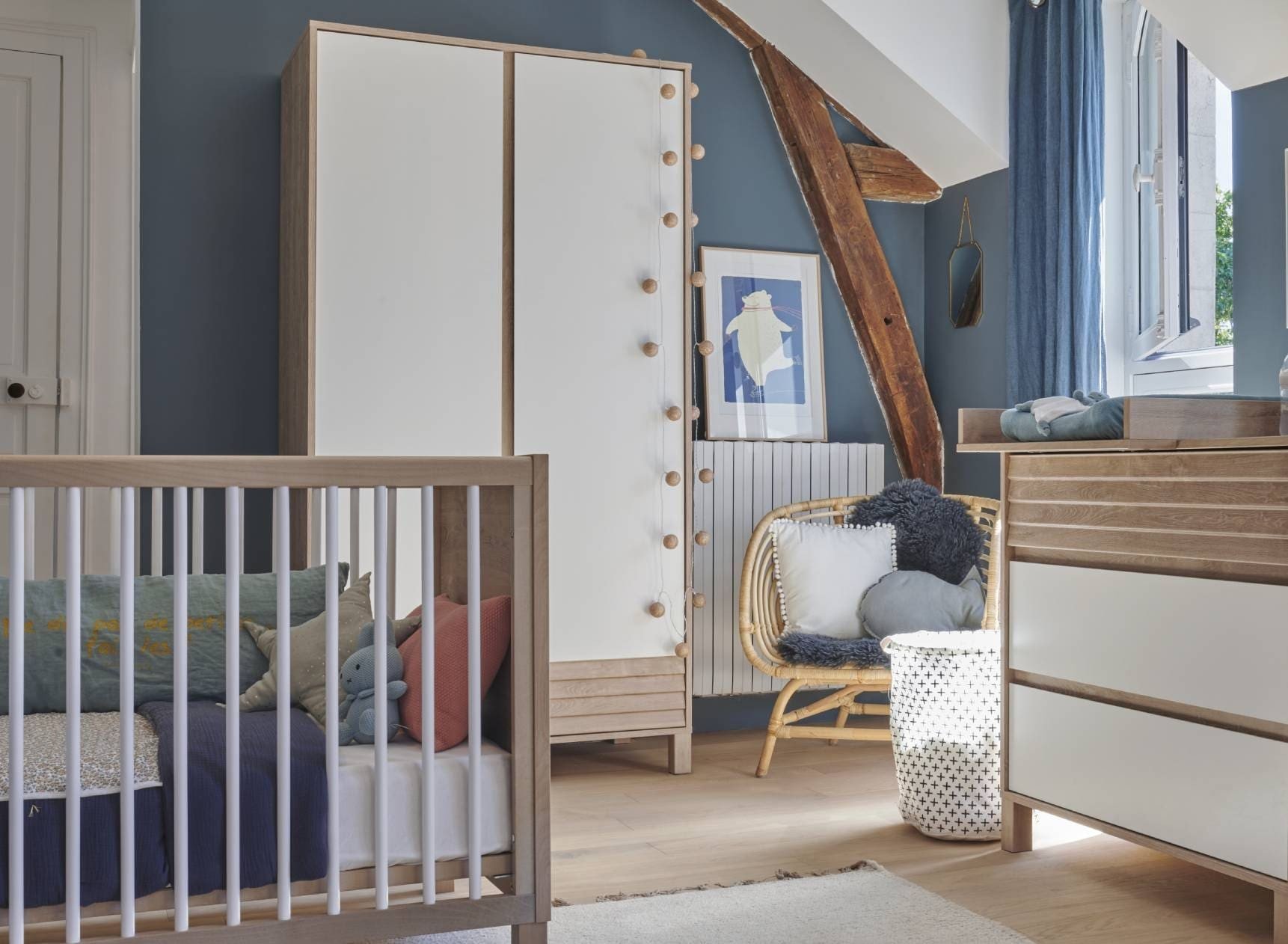
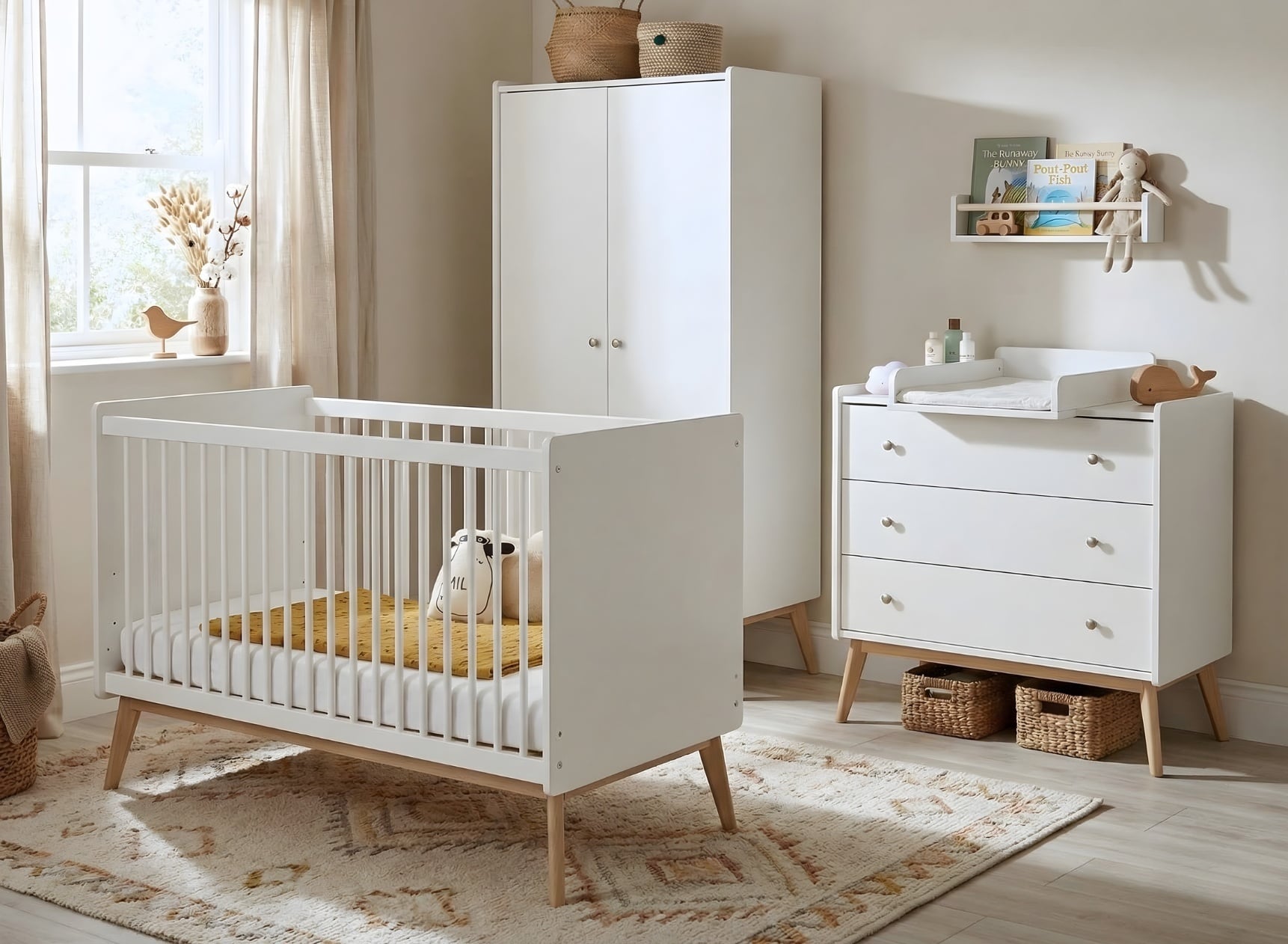
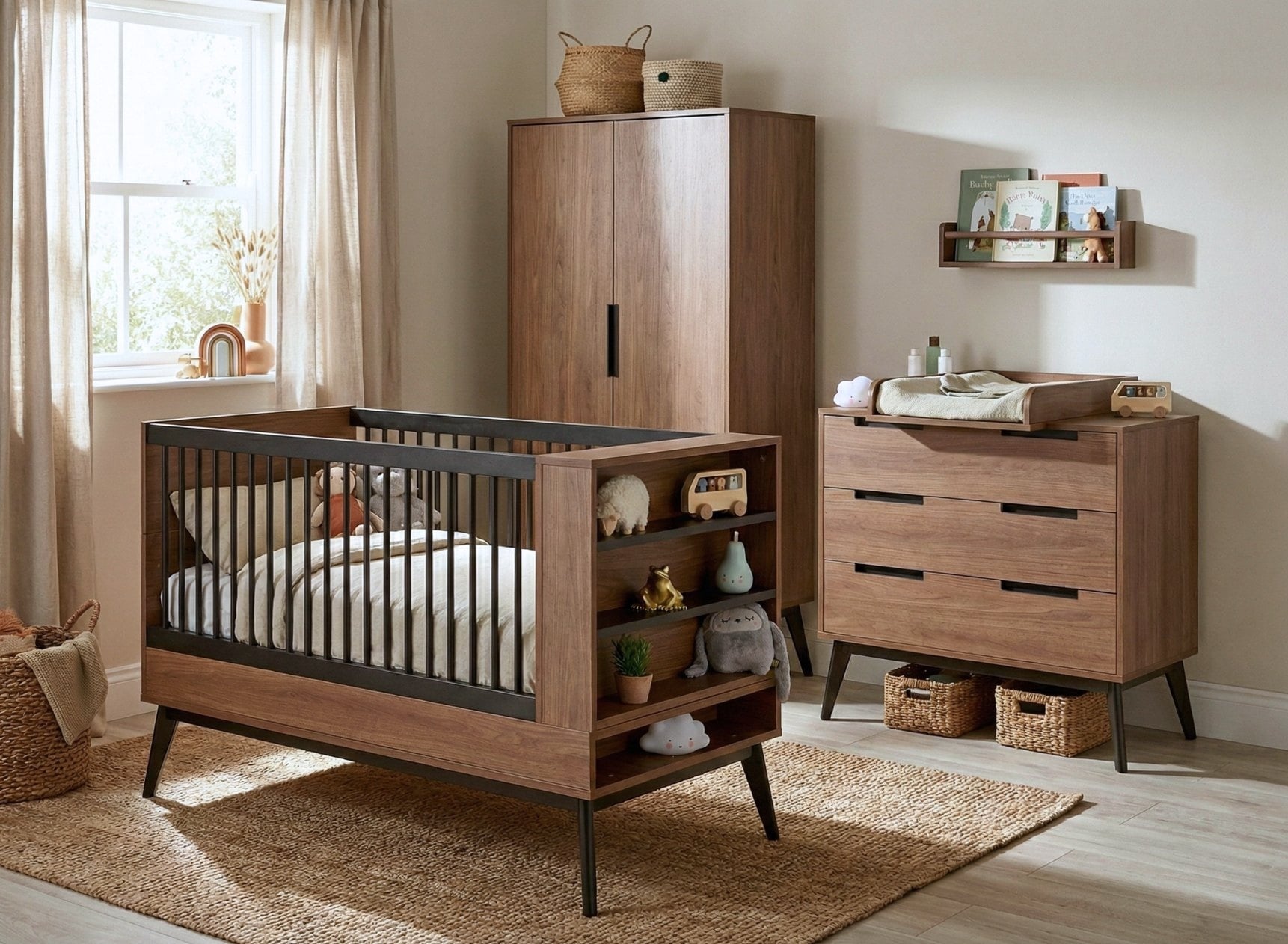
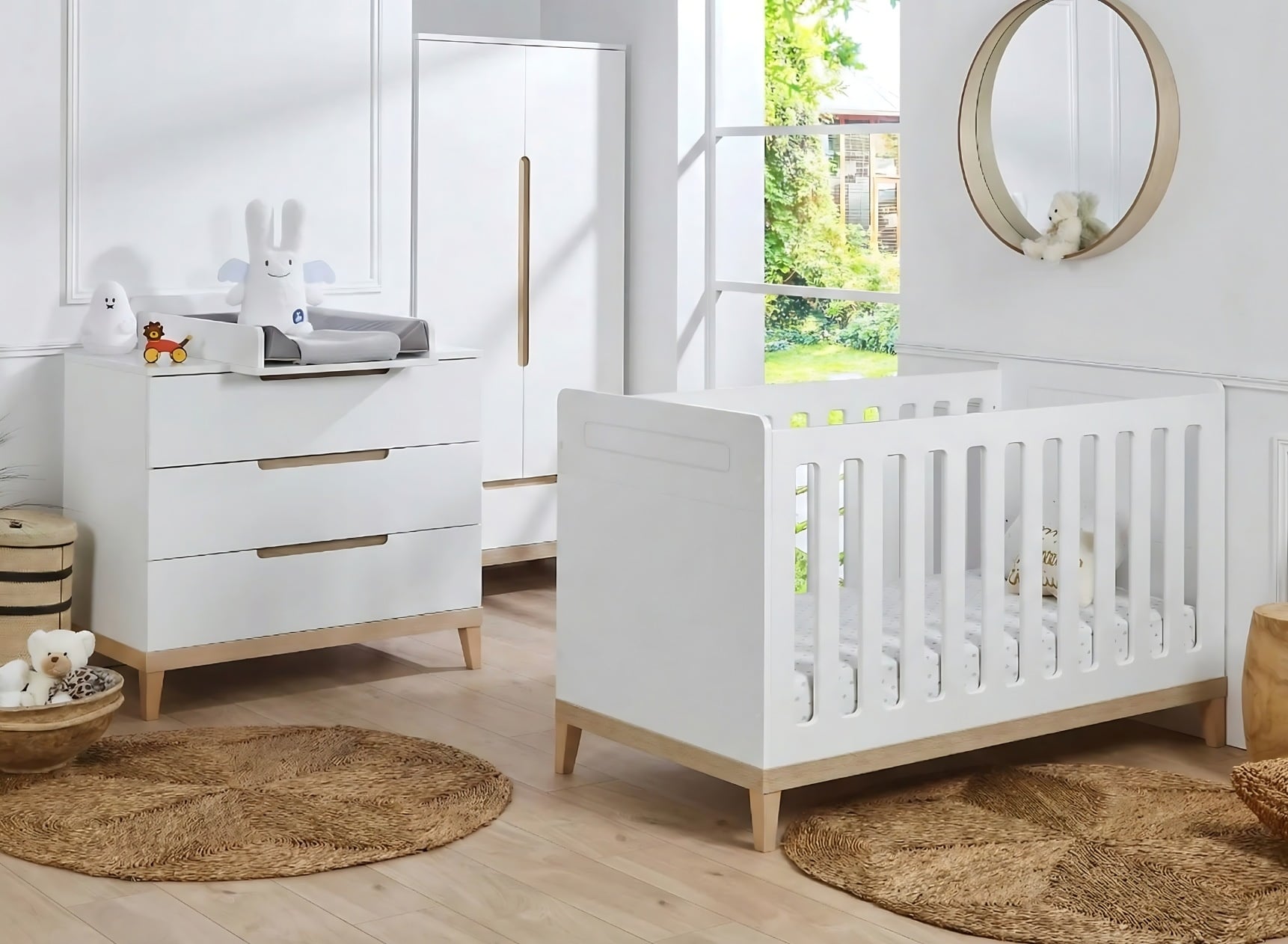
To help baby feel reassured when they are ill, setting up a lovely wooden baby room is an excellent choice. The baby's room should indeed be a familiar and comforting place where the baby feels at ease. Opting for a complete baby room will allow you to acquire all the necessary furniture at once and thus enjoy matching pieces. The VOLT complete baby room, for example, includes a convertible baby cot, a chest of drawers and a wardrobe.
Regardless of the chosen baby room, whether it's a boy's baby room or a girl's baby room, we recommend opting for made in France, PEFC certified solid wood. Materials with low formaldehyde content and solvent-free paints are also to be preferred to preserve the baby's well-being.
The baby's room should be a true cocoon of comfort where they can feel reassured if they are ill or suffering from any pain. It's up to you to make it a place where they feel good. Discover more tips for creating a reassuring and soothing child's room by choosing the right colours !
Sage green and wood bedroom: how to create a natural and soothing space
Children's bed size: the complete guide for healthy and safe sleep
How to decorate your bedroom with healthy materials?