How to remove humidity from a bedroom: 8 effective solutions

- Categories : Tips

Nateo CONCEPT

Humid bedroom: 8 solutions

The key takeaway: to purify a bedroom, it is crucial to maintain a humidity level between 40% and 60% by first identifying whether the issue is condensation or infiltration. Acting on ventilation and adopting breathable bedding protects your family's health against mold. A level above 65% drastically multiplies the risk of respiratory allergies.

A healthy humidity level for your family's sleep must imperatively oscillate between 40% and 60% to guarantee breathable and healthy air.

However, the appearance of dark stains or a musty smell often signals an imbalance that can harm your children's respiratory health. We will help you identify the causes of this phenomenon and present concrete solutions for how to effectively and durably remove humidity from a bedroom.

How to remove humidity from a bedroom: identify the cause before acting?

A healthy humidity level oscillates between 40% and 60%. Beyond 65%, the risks of mold and dust mites skyrocket, requiring a precise diagnosis between surface condensation, wall infiltration, or structural rising damp.

Before looking for how to treat the problem, you need to understand where this unwanted moisture is coming from.

Distinguishing condensation, water infiltration, and rising damp

Condensation is often caused by thermal shock. Warm air meets a cold surface, creating moisture. This is the classic sign of a poorly insulated or underventilated bedroom.

Water infiltration shows up as localized stains. It results from a crack in the facade or a roof leak. Rising damp, on the other hand, climbs from the base of exterior walls.

Treating bedroom wall humidity requires precision. Bedroom condensation is managed through airflow. However, a dehumidifier can never repair a real structural infiltration.

Measuring humidity to reach the ideal level

Purchasing a hygrometer is essential for monitoring the air. This simple tool allows you to keep an eye on the bedroom's humidity level on a daily basis. You will finally know if the air is saturated.

Aim for a range between 40% and 60%. Air that is too dry irritates the respiratory tract. Conversely, saturated air promotes respiratory problems and persistent nighttime allergies.

Here are the major risks if you exceed 65% humidity:

  • Massive proliferation of dust mites in bedding.
  • Development of mold that is toxic to the lungs.
  • Visible deterioration of paint and wallpaper.

3 solutions to ventilate, air out, and effectively dehumidify the air

Once the diagnosis is made, action must be taken to renew the air and evacuate stagnant water vapor.

Optimizing natural ventilation and mechanical ventilation

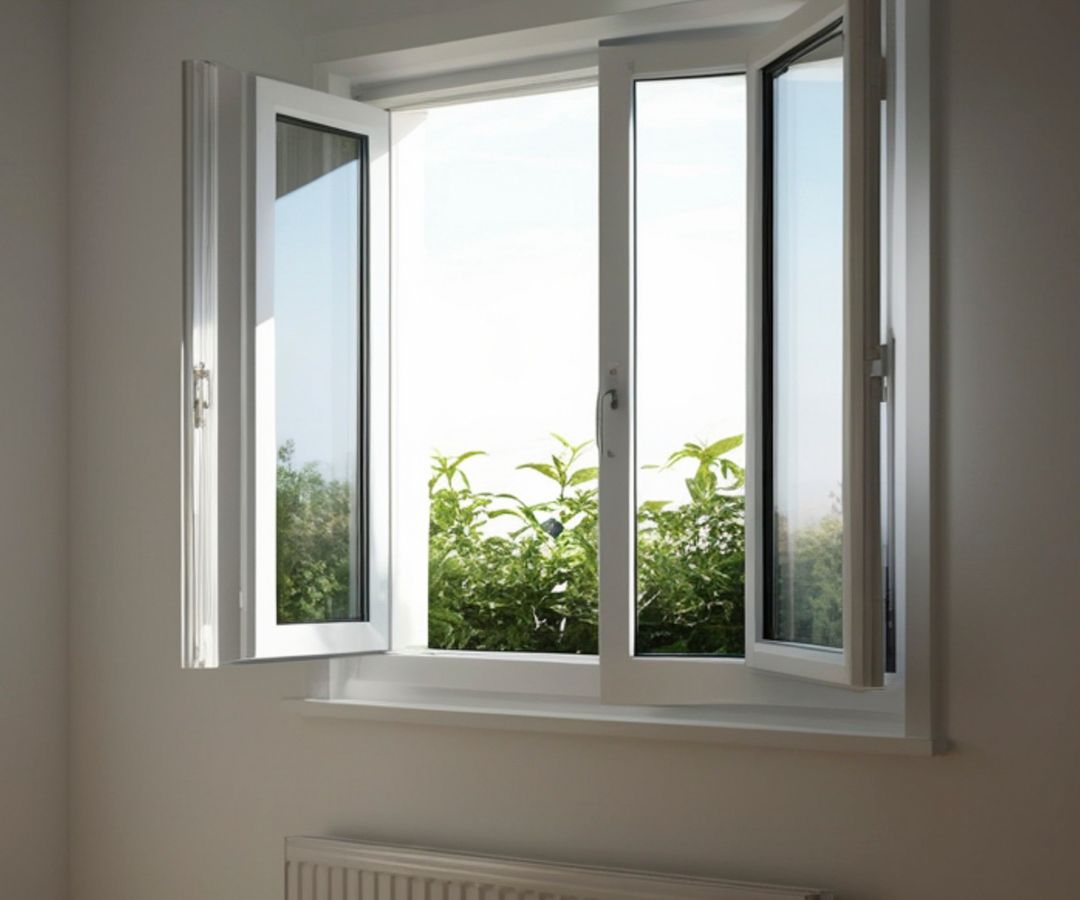
Open windows wide for ten minutes in the morning and evening. This simple action evacuates the humidity produced during the night. Even in winter, this renewal is vital for purifying the space. You will quickly notice the difference in air quality.

The mechanical ventilation system (MVS) must remain clear and clean. Check that the air inlets on the windows are not blocked by dust. Regular maintenance ensures a constant and effective airflow.

Good air circulation prevents humidity from stagnating in dark corners. This is the foundation of a healthy bedroom free from lasting dampness. Your home's structure and your lungs will thank you for this fresh air.

Using a dehumidifier or natural moisture absorbers

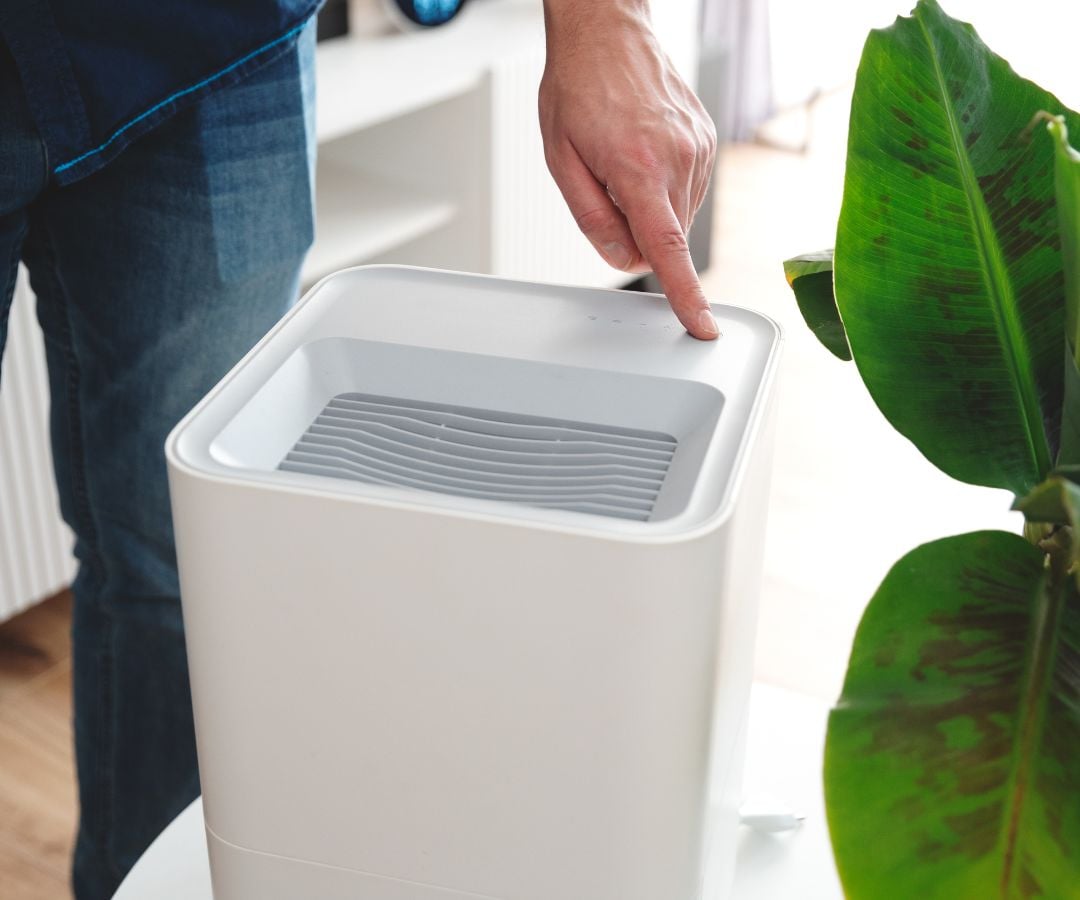
An electric dehumidifier is effective for critical cases. Choose a quiet model so as not to disturb your sleep or that of your children. It is a radical solution for quickly lowering an excessively high humidity level.

Natural absorbers such as activated charcoal or coarse salt work well as a supplement. They capture moisture without consuming energy. This is ideal for small spaces or closets. A simple, eco-friendly, and very economical everyday tip.

The ideal humidity level for newborns is between 45% and 55%. To promote restful sleep for little ones, maintain this balance to avoid respiratory irritations or the proliferation of dust mites.

Good air circulation prevents humidity from stagnating in dark corners. This is the foundation of a healthy bedroom free from lasting dampness. Your home's structure and your lungs will thank you for this fresh air.

Avoid drying laundry indoors

Drying laundry in the bedroom dramatically increases humidity. Water vapor immediately settles on the coldest surfaces. This encourages the appearance of mold stains.

If you have no choice, ventilate the room while drying. Use a fan to speed up the process or place the drying rack near an open window. The idea is to never let water stagnate.

Opt for drying in a utility room fitted with an extractor fan. This keeps the air in your rest area free from latent mold. A bedroom must remain a dry sanctuary to ensure truly restorative and healthy rest.

Regulating humidity with plants and temperature control

Beyond ventilation, certain natural elements and precise heating adjustments help stabilize the atmosphere.

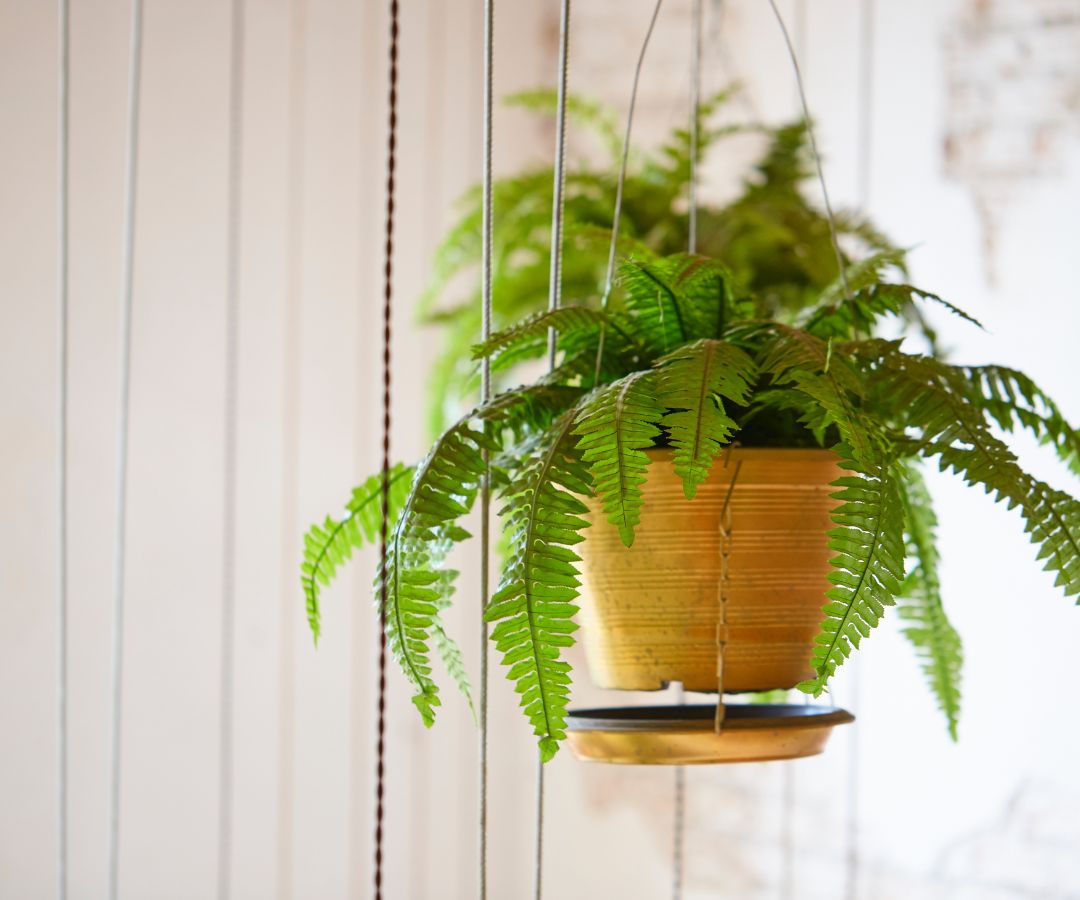
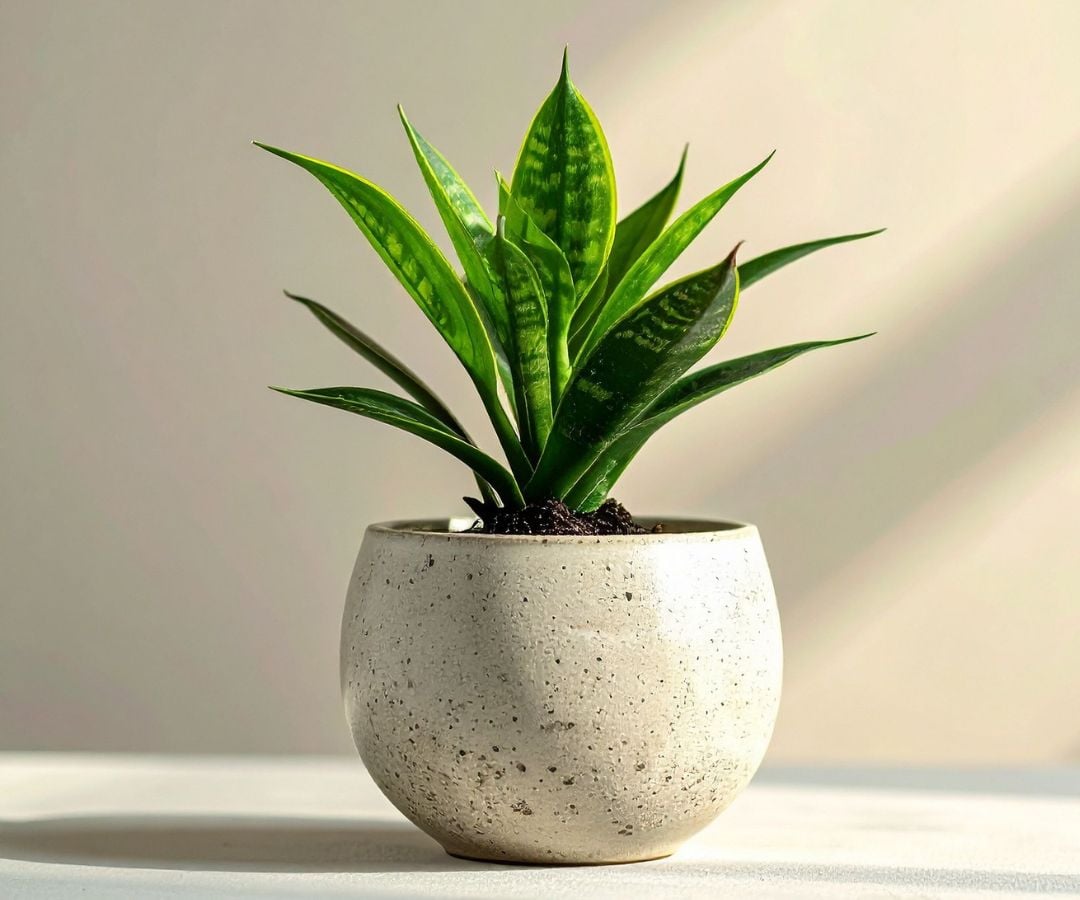
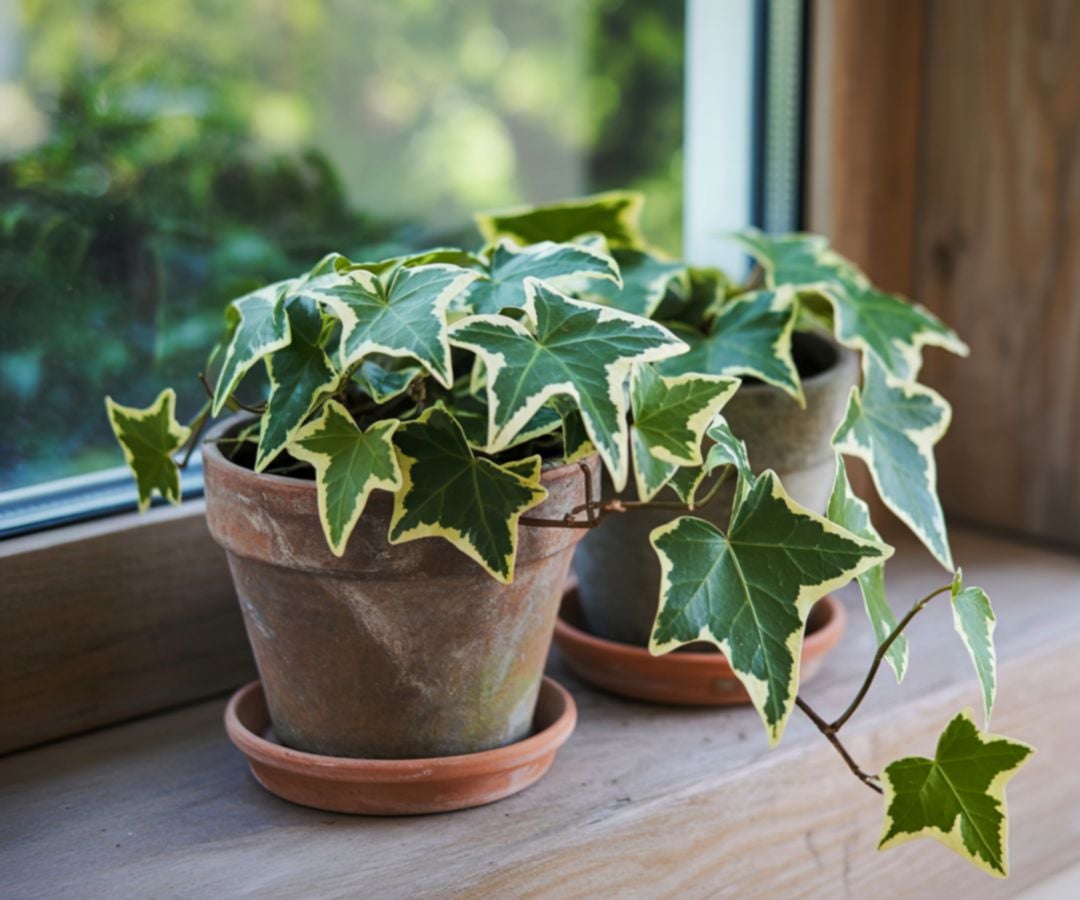
Adopt air-purifying, moisture-absorbing plants

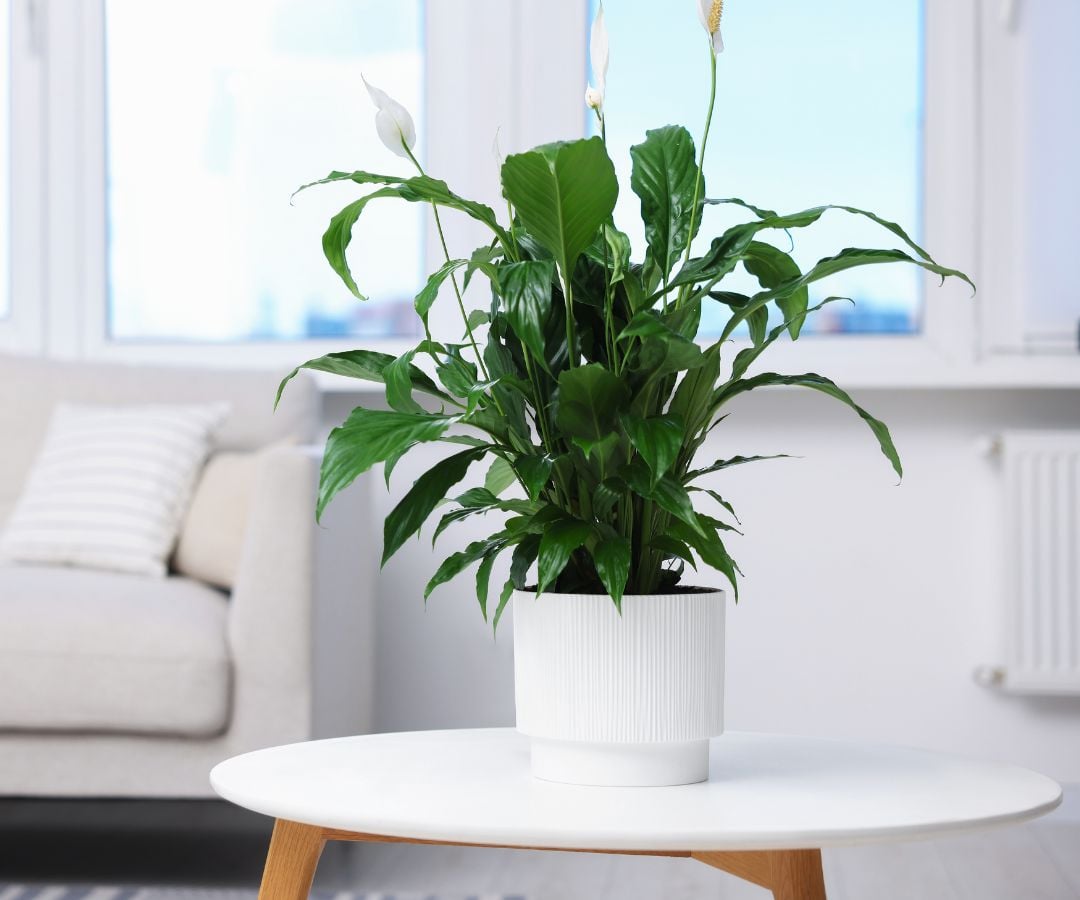
Certain plant varieties absorb water vapor through their foliage. This is a gentle method for naturally dehumidifying the bedroom while decorating the space. You gain both visual and respiratory comfort.

  • Spathiphyllum (Peace Lily)
  • Boston Fern
  • Cacti and succulents
  • Climbing Ivy

Be careful, however, not to turn the bedroom into a jungle. Too many plants could, conversely, increase humidity. Adjust their presence according to the volume of the room.

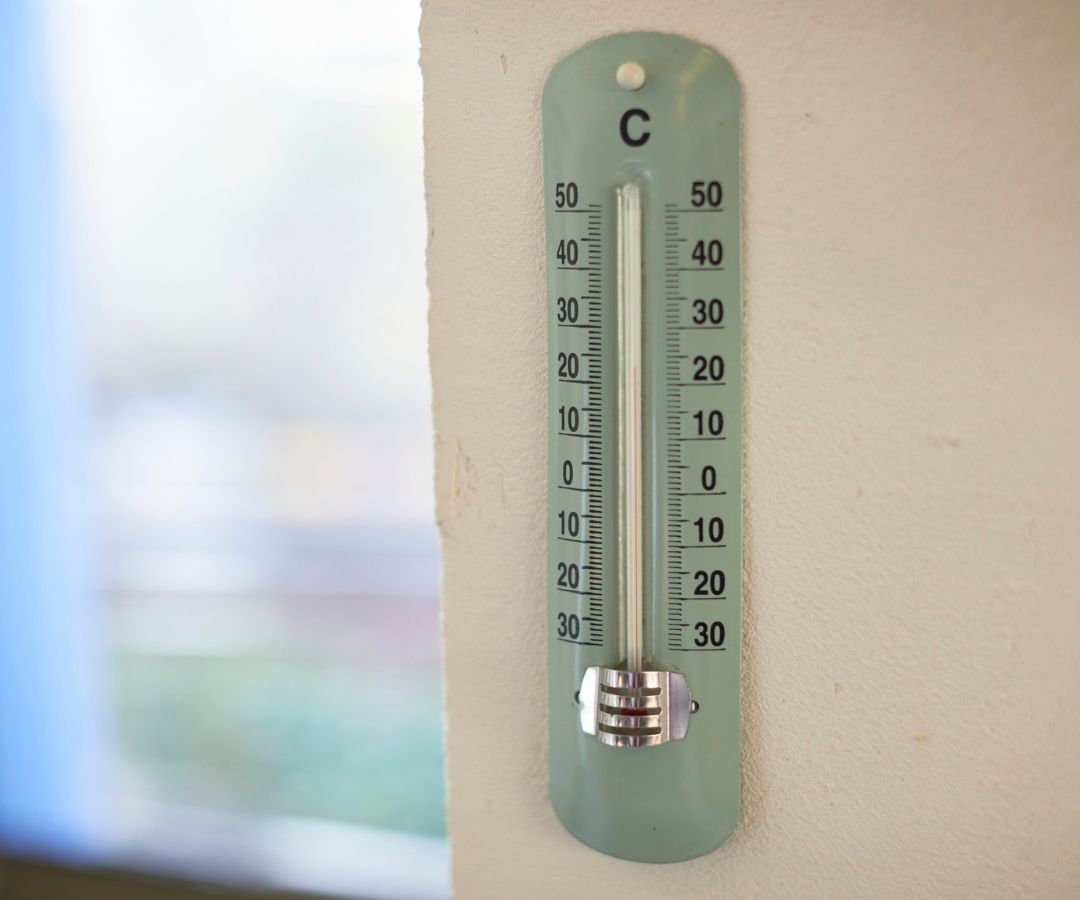
Stabilize the temperature between 18 and 20 °C

Maintaining a stable temperature limits the thermal bridge condensation phenomenon. A cold wall in a heated room inevitably creates moisture. This then encourages invisible mold.

The ideal temperature is between 18 and 20 °C. This is the perfect compromise for your comfort and for the health of the building. Avoid sudden heating variations during the night.

To optimize your environment, also consider the optimal layout for air circulation. A good arrangement of furniture prevents humid air from stagnating behind pieces of furniture.

Furnishing with breathable bedding and eco-friendly furniture

Finally, the choice of materials plays a major role in managing residual humidity.

Promote airflow with a slatted bed base

A slatted bed base with airflow is crucial for allowing your mattress to breathe. Without an air gap underneath, body moisture accumulates and creates mold.

This constant air circulation prevents the proliferation of dust mites, which thrive in warm, humid conditions. It is as much a technical choice as a health choice for your nights.

For an even healthier bedroom, opt for our eco-responsible wooden slatted bed base made in France that promotes mattress airflow.

Install furniture made from eco-friendly wood panels

Opt for VOC-free wood certified PEFC for a healthy bedroom. Low-quality furniture often uses adhesives that trap moisture and pollute the air.

Eco-friendly wood panels with water-based paint are more breathable. They do not retain pollutants that, mixed with humidity, degrade the quality of your sleep.

Think about cleaning your wooden furniture with natural tips to maintain your surfaces without adding damp chemical products.

Choose breathable bedding certified Oeko-Tex

Breathable bedding made from natural fibers such as organic cotton or bamboo facilitates the evacuation of perspiration. This limits condensation under the duvet.

The Oeko-Tex hypoallergenic bedding certification guarantees the absence of harmful substances. This is essential for maintaining a healthy sleep environment, especially in a room prone to humidity.

Discover our range of eco-responsible and breathable bedding to durably protect your bedding and your health.

Act now to regulate your bedroom's humidity level between 40% and 60% through rigorous ventilation and breathable furniture. By identifying the source of condensation, you will finally offer your family healthy and protective sleep. Breathe purified air for serene and sustainable nights.

FAQ

To ensure restorative sleep and protect your family's health, the humidity level should ideally be between 40% and 60%. Air that is too dry can irritate the respiratory tract, while a level above 60% immediately promotes the proliferation of dust mites and mold.

For baby bedrooms, we recommend particular vigilance, with a level maintained between 30% and 55% to avoid any risk of dehydration or early allergies. Using a hygrometer is the best way to monitor this balance on a daily basis.

Several signs should alert you, including the appearance of brown or black stains on walls and ceilings, or paint that is beginning to blister. A persistent musty or moldy smell is also a very reliable indicator of excess stagnant water vapor.

If you feel a damp cold despite the heating being on, or if your sheets always seem slightly damp when you go to bed, it is urgent to act. These signs often indicate a condensation problem or a lack of air renewal.

There are simple, eco-friendly tips such as using bowls filled with coarse salt or charcoal, which naturally absorb ambient moisture. You can also place dehumidifying plants such as Boston Fern, Spathiphyllum, or ivy, which absorb water vapor through their foliage.

Do not forget that natural ventilation remains your best ally: opening windows wide for ten minutes in the morning and evening is often enough to evacuate the humidity produced during the night. It is a free, healthy, and perfectly sustainable habit.

Drying wet clothes releases a significant amount of water vapor into an often confined space. This moisture will settle on the coldest surfaces, creating condensation and encouraging the growth of invisible fungi that are harmful to your lungs.

If you have no other option, make sure to leave the window slightly open or place the drying rack in a room equipped with an air extractor. This protects your rest space and ensures a much healthier sleep environment for you and your children.

To limit thermal shocks on your walls, it is advisable to stabilize the bedroom temperature between 18 and 20 °C. A room that is too warm can increase humidity if it is poorly ventilated, while a room that is too cold encourages cold surfaces where moisture condenses.

By maintaining a gentle and constant warmth, you protect the structure of your home and improve the quality of your indoor air. This is the ideal compromise for thermal comfort and the prevention of structural mold risks.

Infiltration generally comes from the outside, following a crack in the facade or a roof leak, creating localized stains that grow larger after rain. Conversely, rising damp always starts from the base of walls in contact with the ground and progresses upward, often leaving whitish traces of saltpeter.

Precisely identifying the cause is essential because a simple dehumidifier will not be able to resolve a structural problem. In such cases, waterproofing or drainage work is often necessary to durably restore the foundations of your home.