Letting baby cry: when should you really step in?

- Categories : Tips

Nateo CONCEPT

Baby is crying: when to intervene?

Are you wondering how long to let your baby cry to fall asleep without harming their sense of emotional security? Faced with nighttime crying, many parents hesitate between intervening immediately or waiting a few minutes to encourage self-soothing.

Understanding the difference between release crying and a genuine need for comfort helps find the right balance. In this article, discover how long to wait, how to interpret your baby's cries, and how to create a soothing bedtime routine, particularly through a healthy and reassuring sleep environment.

How long to let baby cry: the direct answer

There is no universal duration. Most specialists recommend waiting a maximum of 2 to 5 minutes to observe whether baby self-soothes. If the crying intensifies or appears to be distress cries, it is advisable to intervene quickly in order to preserve their sense of security.

Why the magic timer doesn't exist

Although recommendations exist, no serious study has established a universal duration. Experts agree on the absence of a rigid rule. Every situation remains unique when it comes to knowing how long to let your baby cry to fall asleep. So forget the stopwatches.

Every infant has their own temperament. Some need to release more than others. Biological rhythms simply vary from one child to another.

Context also matters enormously. Tiredness or hunger can radically change things. Trusting your instinct ultimately remains the best compass.

Observing for a few minutes before acting

Try waiting two to five minutes at most. This brief delay sometimes allows for natural self-soothing. The child thus learns to manage their own transitions.

Learn to identify "working" sleep cries. Baby is simply looking for their ideal position. They often grumble more than they are truly suffering. Watch their movements carefully before rushing in.

Differentiate these whimpers from absolute distress cries. If the tone escalates too much, intervene without hesitation. But emotional security always takes priority over immediate independence.

Should you intervene at the very first cry?

So, should you rush to the crib at the first sound, or give a little space?

The myth of the manipulative newborn

Let go of this misconception. Your little one is not a strategist. Knowing how long to let your baby cry to fall asleep starts with understanding their vital need: raw and immediate.

Their tears are a healthy emotional release. It is their only current channel of communication. They are simply releasing the accumulated tension built up over their long day. Do not look for any trace of cunning in this — it is biologically impossible.

Crying is an integral part of their natural development. It absolutely does not mean you are failing in your role.

What tears reveal about the need for security

Crying is intimately linked to the vital need for attachment. Reassurance matters just as much as the bottle. Your simple physical presence instantly calms their still very fragile and immature nervous system.

A lack of response triggers a sharp rise in cortisol. Physiological stress escalates quickly if the wait goes on too long. Baby absolutely needs to feel protected and surrounded by their parents.

Consistent parental response builds a solid emotional foundation. Responding to crying fosters a much more peaceful sleep later on. This is the secret to a lasting and truly healthy bond.

➡️ Explore our healthy & designer nursery rooms

3 simple gestures to soothe bedtime crying

To avoid too many tears and finally understand how long to let baby cry before bed, here are a few gentle techniques that truly work.

Using your voice and touch without picking them up

Simply place a hand on their little tummy. This gentle pressure immediately signals your reassuring presence. There is no need to systematically take them out of the crib to soothe them.

Use very soft, steady murmurs. Your voice remains a powerful anchor for them. Speak with absolute calm and quiet certainty in the dim light.

Maintain this visual or tactile contact briefly. The idea is truly to reassure without over-stimulating them. The ultimate goal remains a return to deep calm for sleep.

The limits of gradual waiting

Be aware that these methods are formally discouraged before six months of age. The newborn is far too young for such complex learning. Scrupulously respect their fragile newborn rhythm.

Prioritise emotional support rather than watching the clock. Timed indifference can prove harsh for some little ones. Listen to the quality of the cry before nervously checking the time. Always remain flexible in your nighttime approach.

Empathy must always guide your nighttime decisions when faced with tears. A simple waking is never a measure of your parenting.

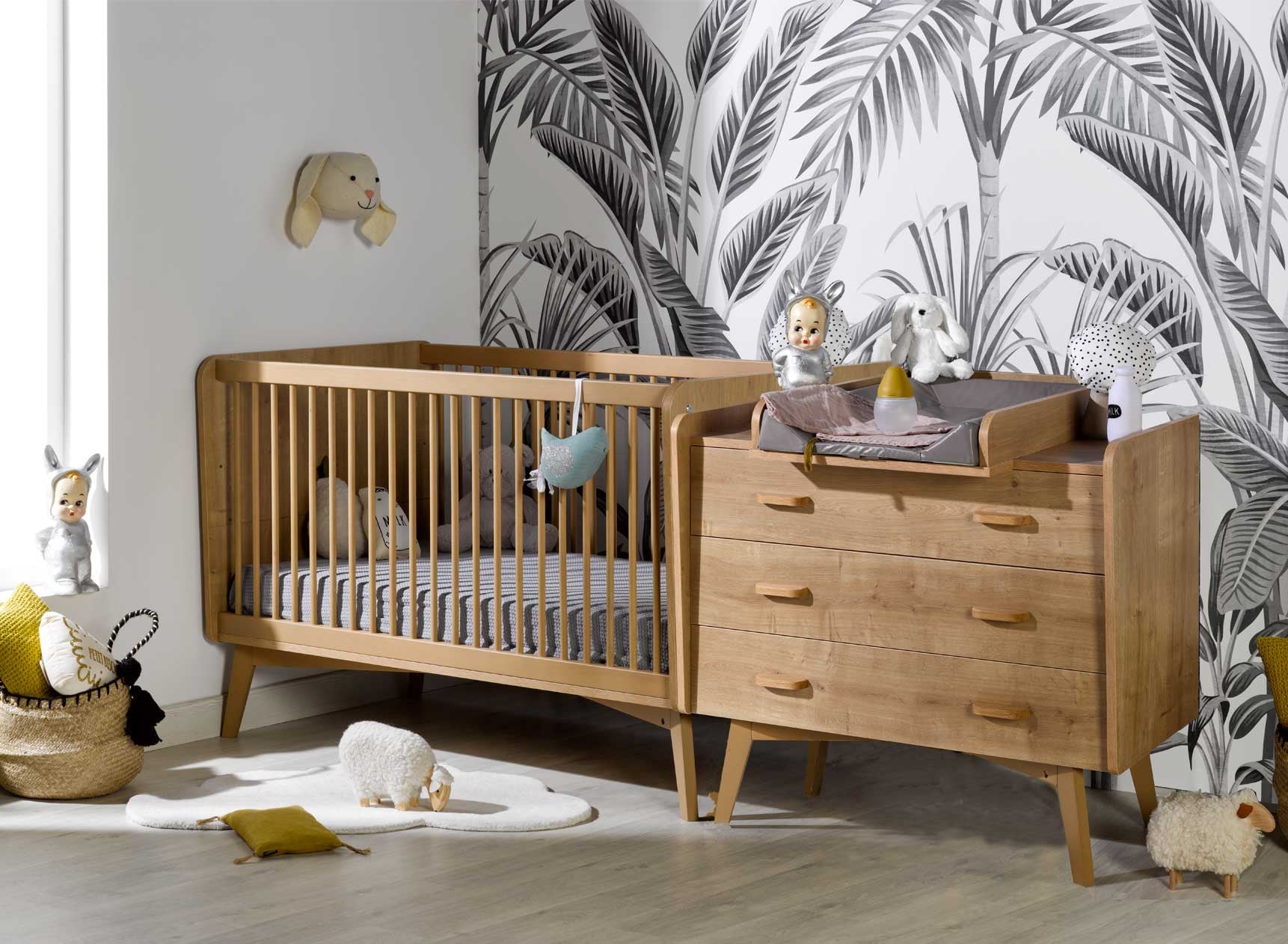
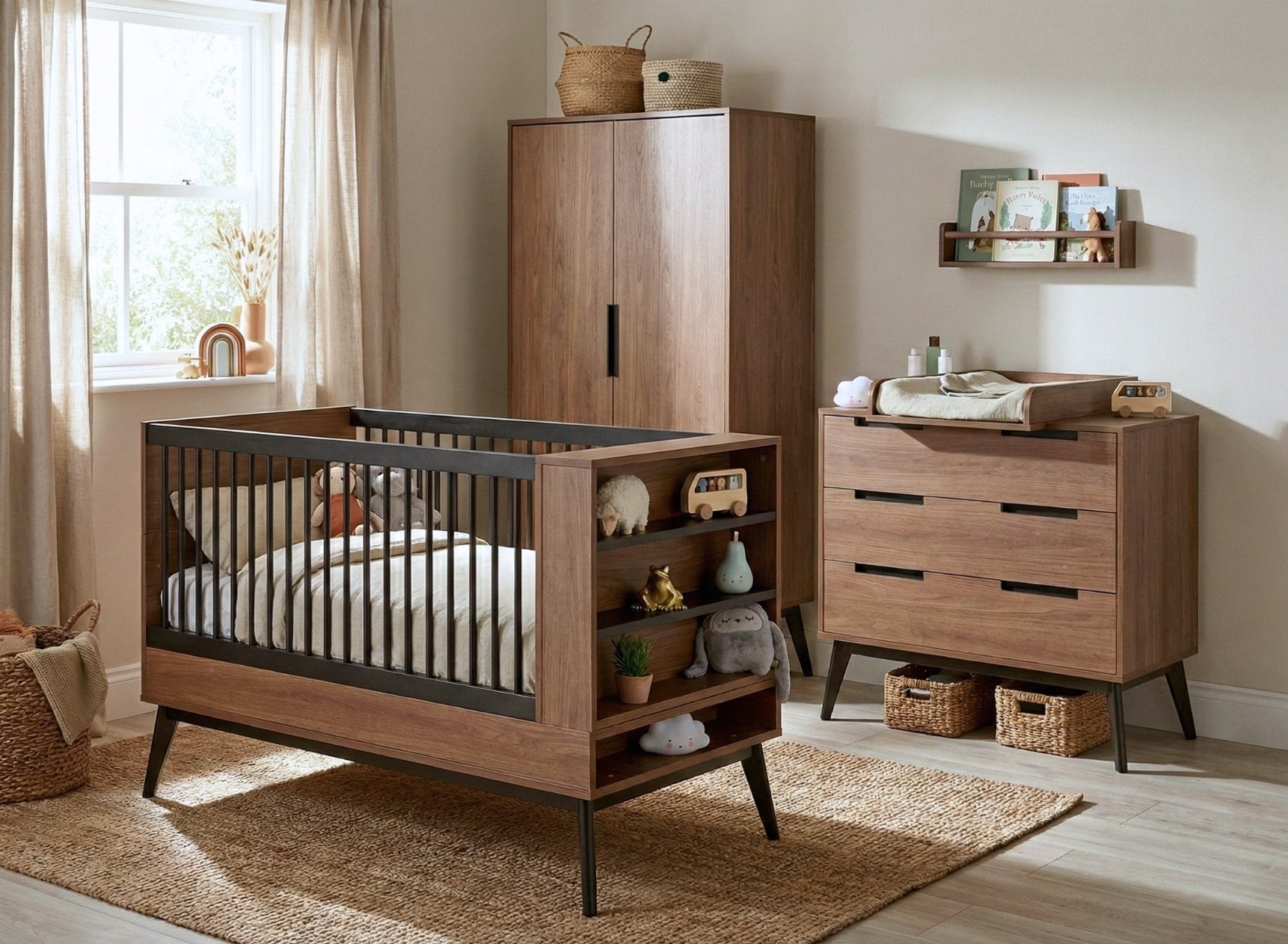
The role of a healthy Nateo Concept nursery room

The impact of solid wood furniture

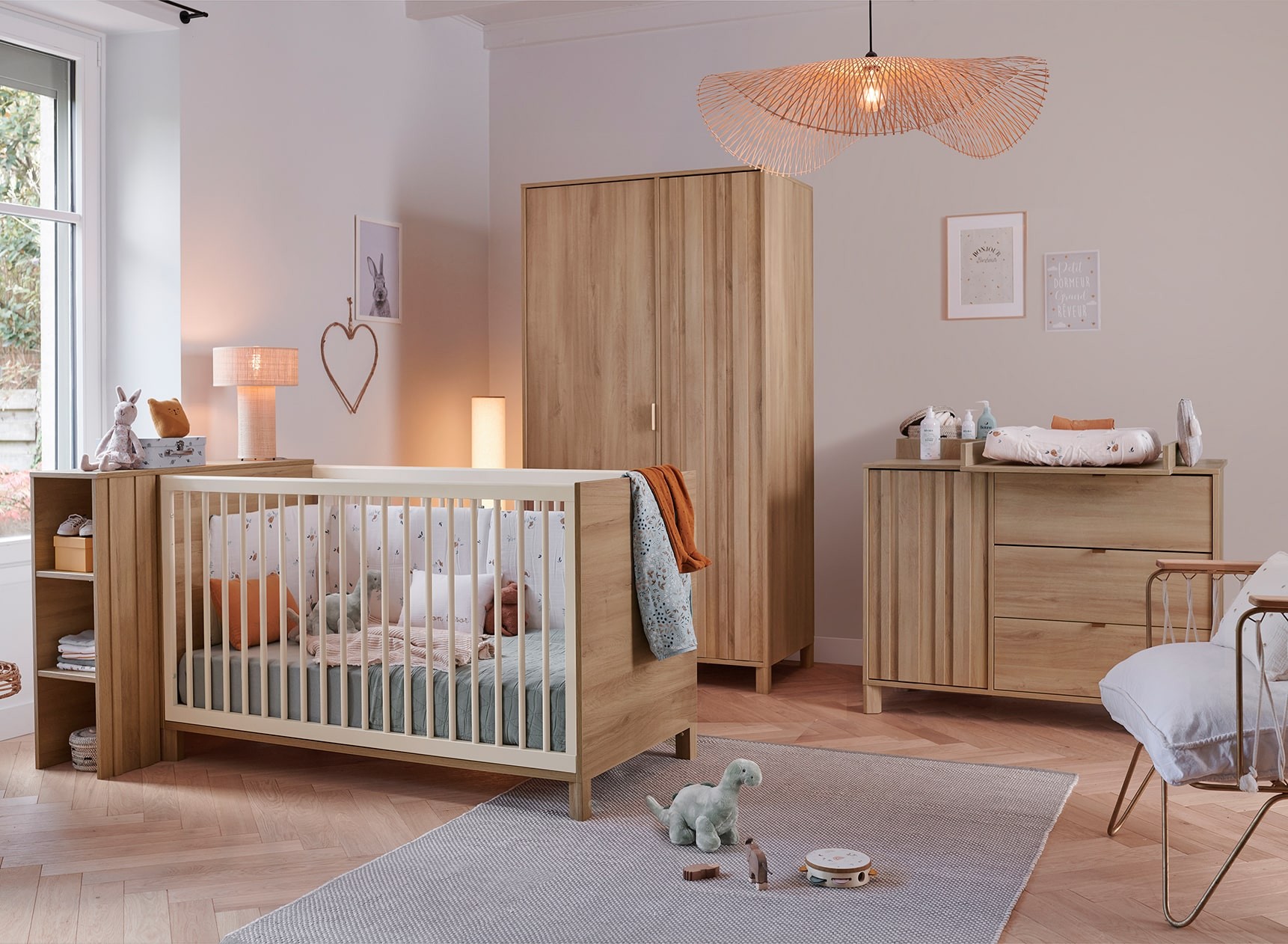
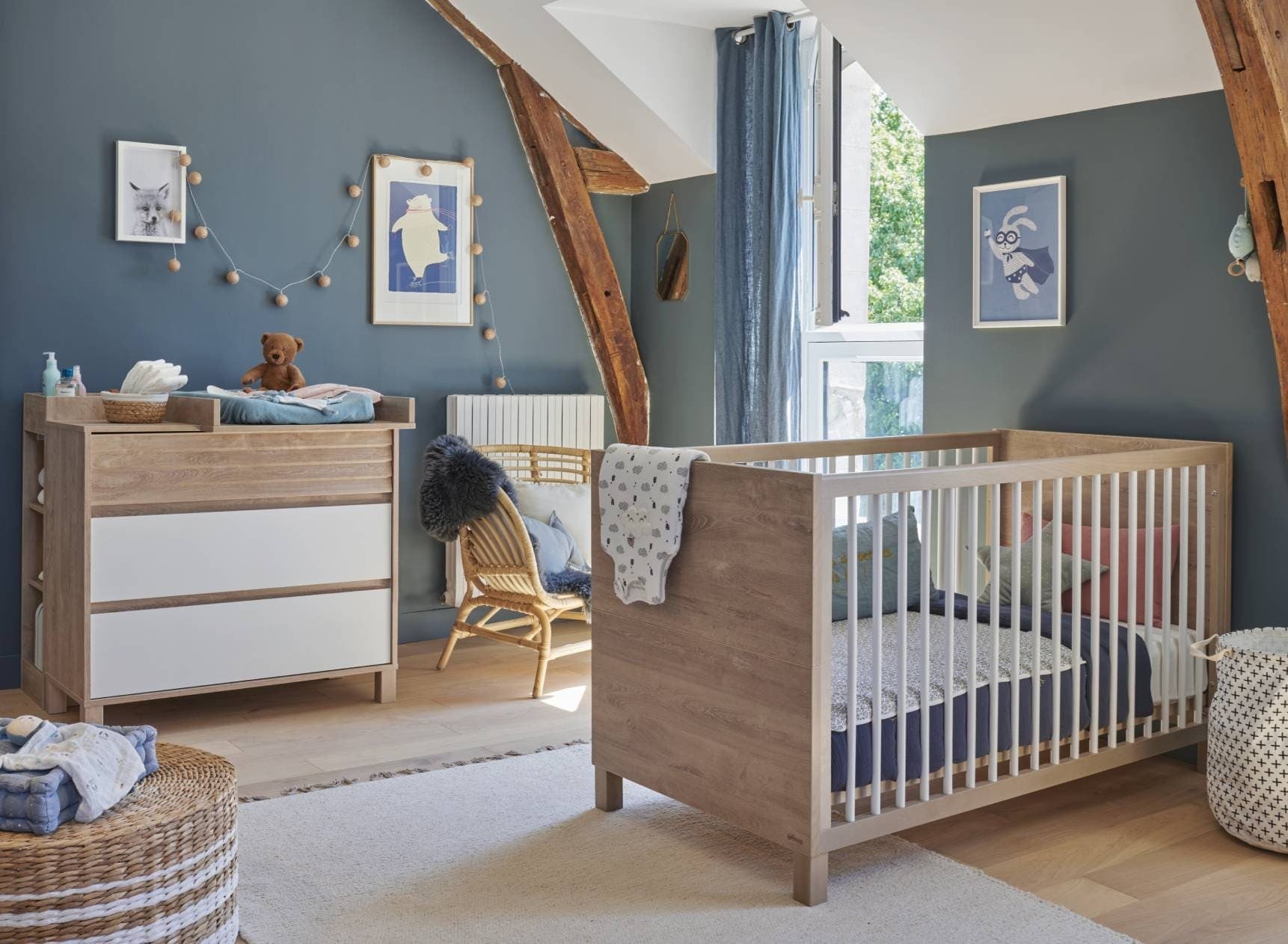
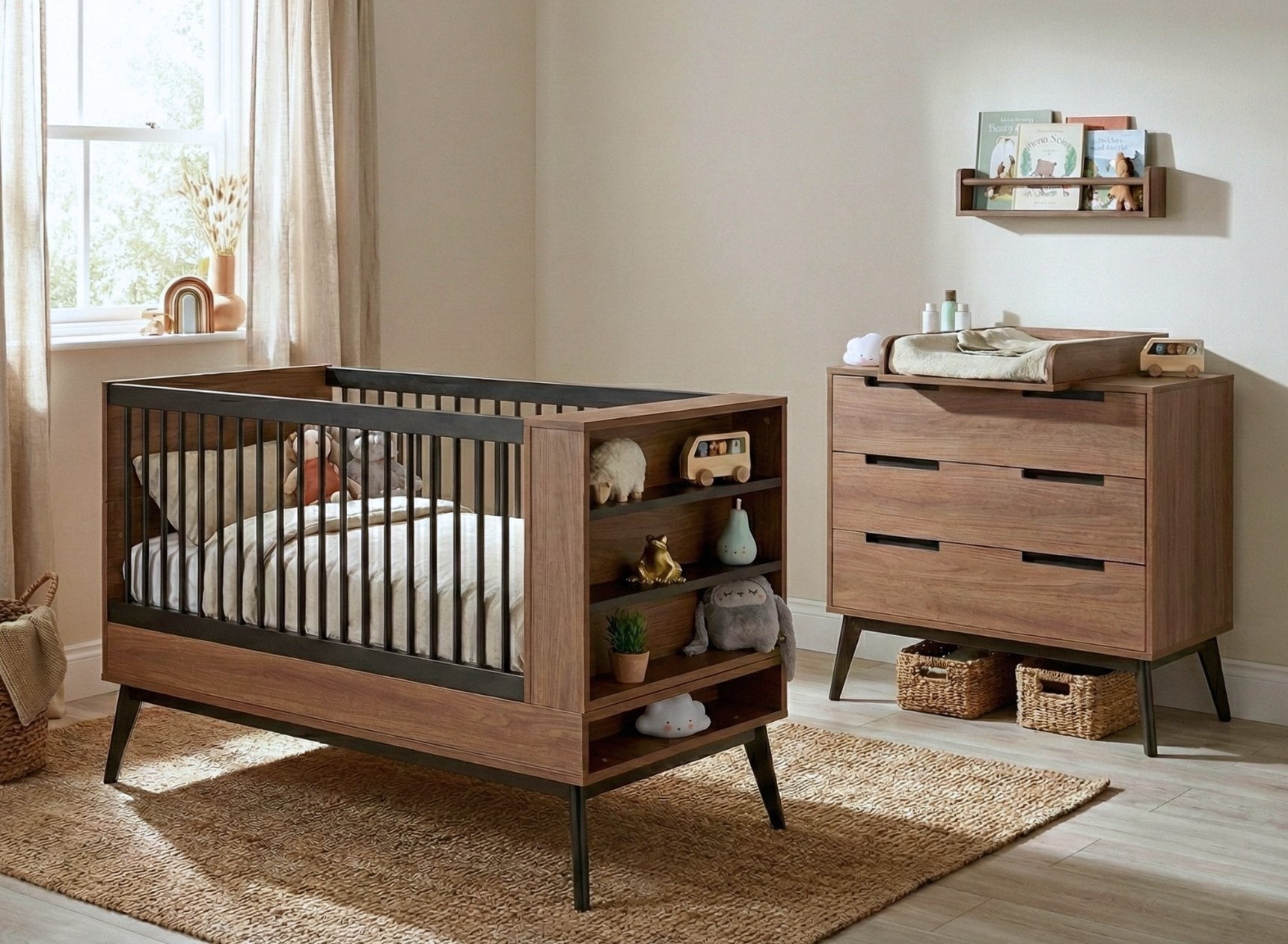
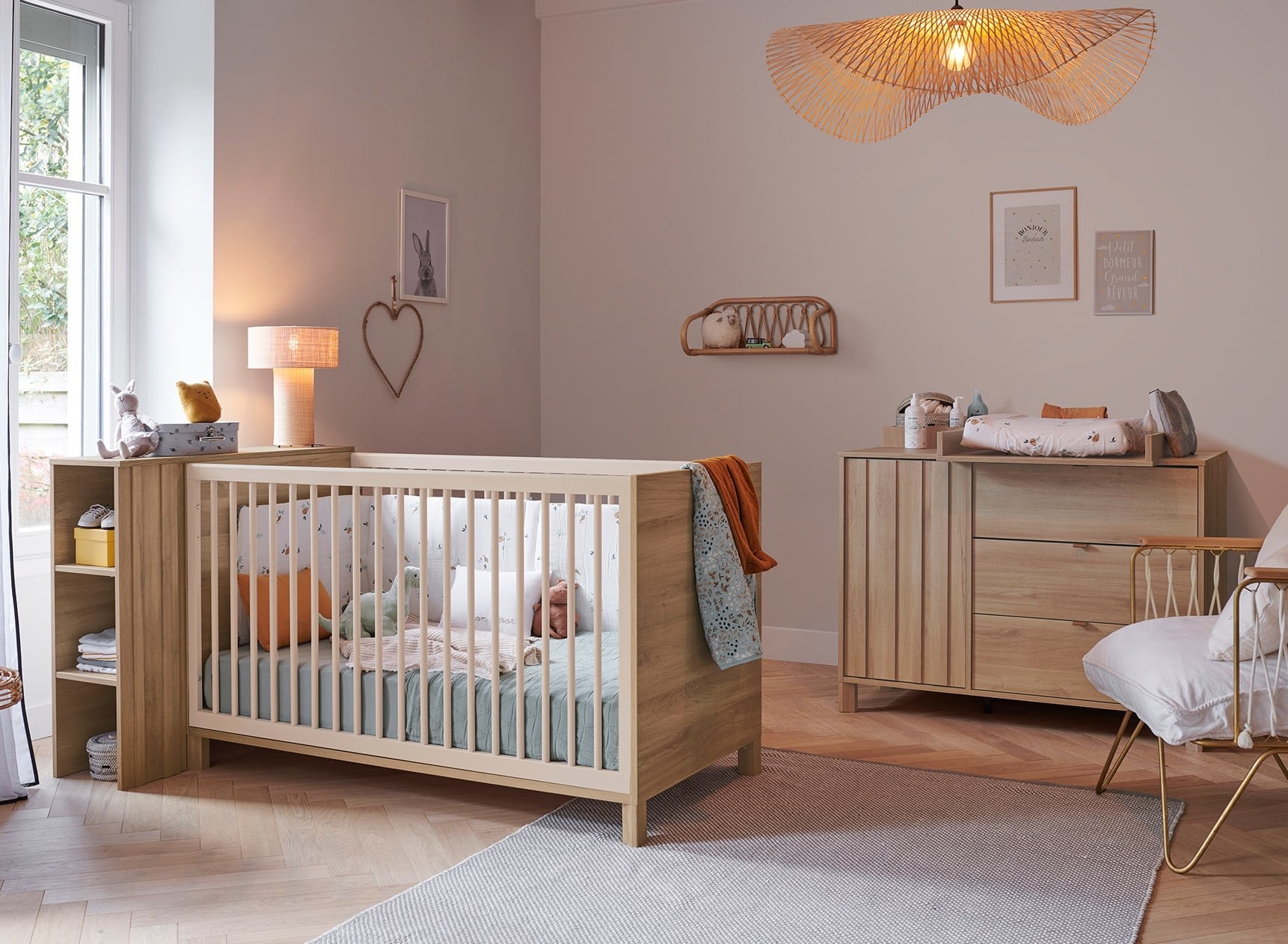
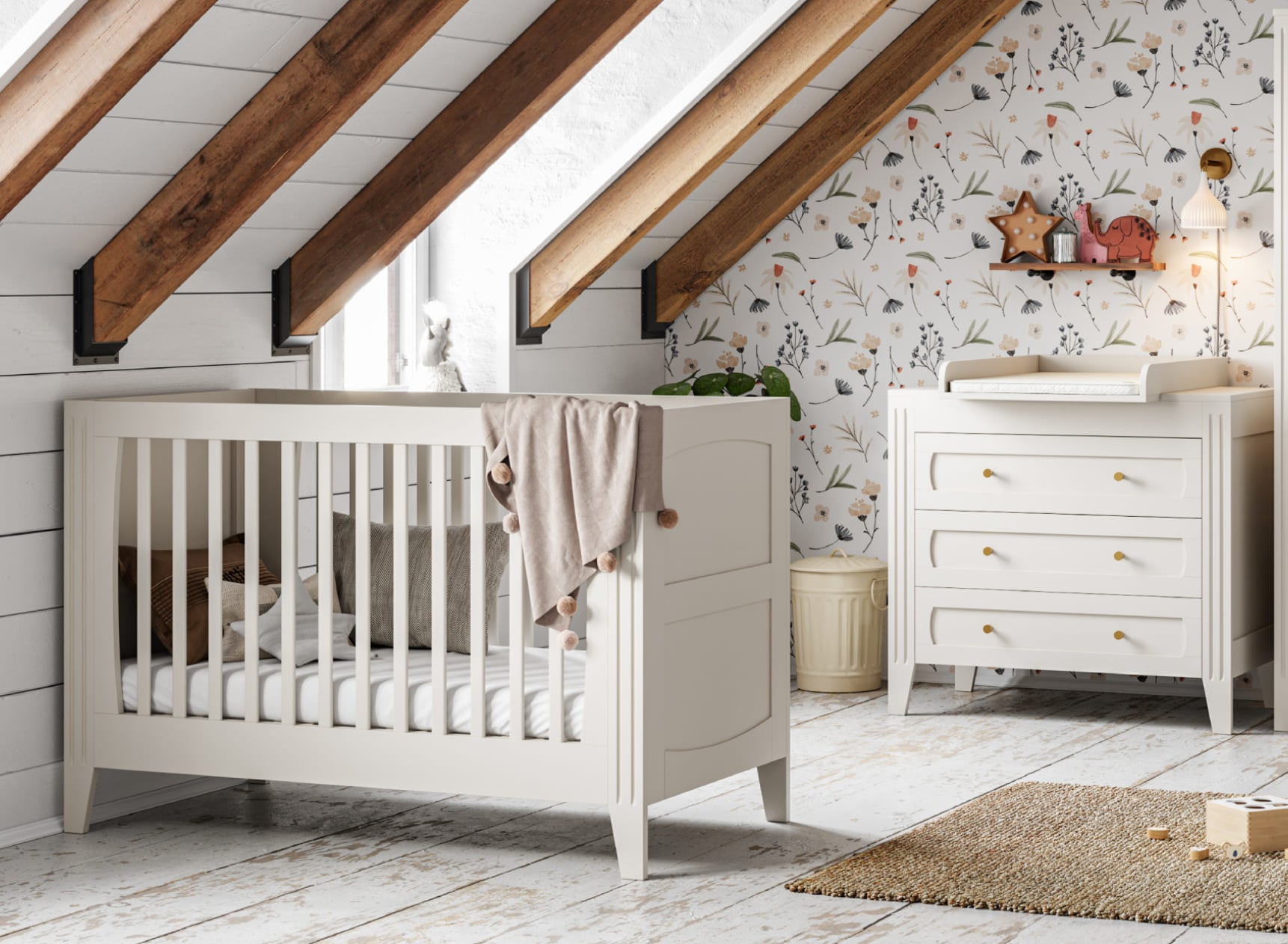
Our Nateo Concept baby beds prioritise genuine robustness. Solid furniture radiates a quiet strength that reassures the child. This physical security forms the indispensable foundation of a peaceful rest.

Solid wood eliminates annoying creaks. No disruptive noise interrupts their sleep cycle. This allows for lasting nighttime calm to be established for the whole family.

A true protective cocoon is created here. The clean design also aids immediate relaxation. Fewer visual stimuli greatly facilitates the process of falling asleep.

➡️ Fall in love with an eco-designed wooden baby bed

Creating a space free from harmful substances

We use water-based paints with absolutely no solvents. Your little one's health is thus fully preserved. Nateo Concept systematically eliminates toxic chemical products.

Clean air promotes deep, restorative sleep. A healthy nursery room limits micro-awakenings linked to respiratory irritation. Breathing remains fluid. This is a fundamental factor of serenity every night.

Give them the best possible environment to grow up well. Healthy baby bedding truly makes all the difference.

Rather than wondering how long to let baby cry, prioritise observing for a few minutes and providing a reassuring response. Act from tonight by offering a healthy environment to soothe their nights lastingly. Your caring presence is the foundation of peaceful sleep and a fulfilling future.

Discover our nursery rooms