Protect your bedding with homemade bed bug traps

- Categories : Tips

Nateo CONCEPT

Homemade traps against bed bugs

Are bed bugs threatening your healthy and stylish interior? These discreet but tenacious pests can compromise your refined and ecological cocoon. Discover how clever bed bug traps transform your fight into a stylish and responsible gesture. These natural traps, combining homemade tricks and scientifically validated solutions, capture without toxic products.

Explore these eco-responsible methods that preserve your bedding while protecting your family.

What is the best bed bug trap: natural and effective DIY solution

The best bed bug trap is a homemade mechanical trap, ecological and chemical-free. It consists of two nested containers: the large container serves as access, the small one traps the insect. By adding talcum powder or diatomaceous earth, bed bugs slip and remain trapped. To enhance effectiveness, place a CO₂ lure (mixture of water, yeast, sugar) nearby: it mimics human breathing and attracts insects to the trap.

Result: a natural system that captures up to 70% of bed bugs in one week, protects your bedding, and preserves indoor air quality.

How to make a homemade and discreet mechanical trap?

Have you noticed bites or stains on your sheets? Opt for a homemade mechanical trap, without chemicals. This system traps bed bugs 24/7 using a physical barrier.

The necessary materials

Use two plastic containers per bed leg: one large (500g container, 12 cm diameter) and one small (yogurt cup). Favor black or dark gray containers: bed bugs are attracted to dark shades. Add talcum powder or diatomaceous earth to enhance effectiveness.

Manufacturing steps

  1. Make the large container rough: Attach masking tape to its sides to facilitate bed bug climbing.
  2. Create a trough: Place the small container in the center of the large one, leaving a 2 to 3 cm space around it.
  3. Coat the interior walls with talcum powder: Sprinkle the trough surfaces. Talcum powder prevents escapes, especially after molting.
  4. Install the trap: Slide each bed leg into the small container. Bed bugs, attracted by heat, will climb through the large container but remain trapped.

For a discreet appearance, choose dark containers. This system blocks insect passages without harmful products. According to tests, similar traps capture up to 70% of bed bugs in one week.

⚠️ This device serves as detection or physical barrier, but is not sufficient for severe infestation. Supplement with heat treatment (washing at 60°C, steam) or a professional if necessary.

Creating a natural CO2 attractant to increase captures

Bed bugs are attracted to carbon dioxide (CO2) that we release while sleeping. By reproducing this call naturally, you can trap these pests even in your absence. A simple and ecological trick to boost the effectiveness of mechanical traps.

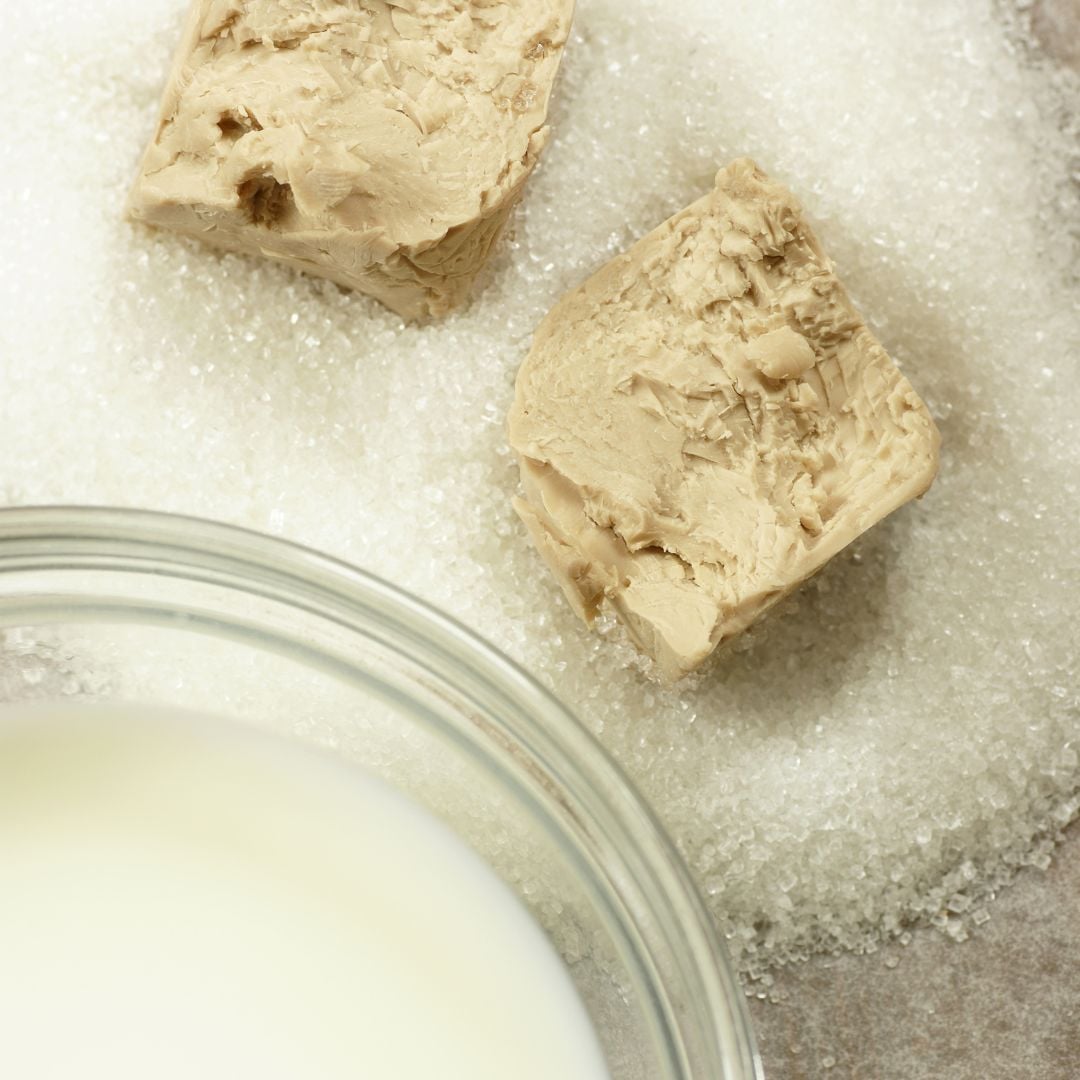
Unlike chemical solutions, this homemade trap uses accessible and biodegradable ingredients. Baker's yeast, reacting with sugar and warm water, triggers fermentation that releases CO2. This process transforms a bottle into a silent but effective lure.

The CO2 trap recipe

  • 1/4 teaspoon of baker's yeast
  • 100 g of sugar
  • 1.5 L of warm water
  • A 2 L plastic bottle

Placement

  • Mix the sugar and water in the bottle until dissolved.
  • Add the yeast and shake gently. The reaction generates CO2 for 6 to 8 hours.
  • Place the open bottle in the center of a sticky trap or next to a mechanical trap.

The attractant works best when the room is unoccupied. Human breathing produces more CO2 than the trap, which reduces its attractiveness. Use it during the day or during an absence. Position it near risk areas: at the foot of the bed, behind nightstands, or around outlets.

This system, inspired by scientifically validated methods, transforms household ingredients into an ecological lure. It complements traditional traps, accelerating capture without chemicals, in line with a responsible approach.

How to properly place your traps for maximum effectiveness?

Manufacturing the trap is only the first step. Its strategic positioning determines its success. Transform your bed into an “island” inaccessible to bed bugs using ecological and effective methods.

Preparing and isolating bedding

Before placing traps, isolate the bed to limit access points. Proceed as follows:

  1. Move the bed away from the wall and furniture (nightstand, etc.). Sufficient space breaks the bed bugs' path.
  2. Ensure that bed linens do not touch the floor. Opt for a well-“wrapped” bed.
  3. Use a certified anti-bed bug mattress cover to enclose insects and protect your sleeping surface.

An airtight cover blocks escapes. Well-protected bedding prevents infestations and preserves a healthy interior.

Trap placement

Mechanical traps Interceptor-type must be placed strategically:

  • Under each bed leg: Top priority. Add talcum powder to interior walls to prevent escapes.
  • Along baseboards, near the headboard. These dark areas attract insects.
  • Under the feet of nearby furniture (nightstands). This anticipates bed bug movements.

Captured traps reveal the source of the infestation (bed or room). Check them every 2-3 days. For a light infestation, allow 2 to 4 weeks before the first captures.

Combined with a mattress cover and talcum powder, traps form an ecological barrier. Black attracts insects, and their reusability limits waste. A spray based on diatomaceous earth applied to the bottom of traps eliminates captured bed bugs, without chemicals.

Beyond the bed: extending protection to the entire bedroom

Bed bugs are not limited to bedding. If signs of infestation appear, extending surveillance to other areas reduces the risk of dispersal. Furniture near the bed, such as armchairs, chairs, or nightstands, become prime targets for these pests.

Mechanical traps, such as Interceptor® models, are placed under the feet of this furniture. Their oval shape and smooth walls trap bed bugs in motion. For children's rooms, favor furniture with clean design and easy to inspect, such as Nateo Concept children's bedroom furniture in solid wood, without complex irregularities. Hiding places multiply in toy chests or modular bed structures.

Sticky traps, although less effective in the long term, can complement this strategy in low-traffic areas. Place them near baseboards, behind frames, or under bookshelves. Choose certified models, avoiding translucent surfaces that trigger alarm pheromones.

By combining these devices with active monitoring, each trap becomes a silent ally in preserving a serene home. This proactive approach reassures parents while respecting an eco-responsible lifestyle, without harsh chemicals.

Prevention: the best natural solution against bed bugs

The "decontamination airlock" after a trip

Upon your return, isolate suitcases in an enclosed space (garage or tiled bathroom). Mechanical traps, such as smooth-trough models, trap escaped bed bugs. Place them around luggage to prevent their proliferation. A crucial step: wash all clothes at 60°C, even unworn ones, to eliminate invisible parasites.

  1. Store suitcases on a hard surface, away from living areas.
  2. Place mechanical traps to capture any intruders.
  3. Wash linens at 60°C and use the dryer on high heat.

Other preventive measures

For an eco-conscious couple, three key actions: inspect second-hand furniture, vacuum strategic areas, and declutter the space to limit hiding places. A vacuum with HEPA filter, for example, captures eggs and larvae in corners.

  • Inspect second-hand furniture to spot eggs or black stains.
  • Clean the headboard, baseboards, and cracks regularly.
  • A minimalist interior reduces hiding places and simplifies maintenance.

By opting for homemade traps (talcum powder or natural glue) and integrating these habits, you preserve your home gently. These methods, without harsh products, protect your health as well as your peace of mind. Investing in prevention means avoiding costly treatments and preserving the tranquility of an eco-designed interior.

Faced with bed bugs, natural and effective traps allow you to act yourself, combining homemade tricks and prevention. Each capture promotes a return to serenity, consistent with eco-responsible values and elegant design.