Want a dark wall in the bedroom? Discover which one to choose and our tips

- Categories : Inspiration

Nateo CONCEPT

Dark Wall: Avoiding the Cave Effect

Are you afraid of transforming your resting space into an oppressive room by applying a dull shade in the wrong place, thus ruining the harmony of your decoration? Yet knowing exactly which wall to paint dark in a bedroom is the ideal lever to correct volumes and establish an enveloping atmosphere without ever losing brightness. Discover our tips for manipulating perspectives and creating a healthy and secure cocoon of softness, transforming your interior into a cozy nest conducive to restorative sleep for the whole family.

The Wall Behind the Bed: The Obvious Choice for a Cocoon Effect

Why It's a Safe Bet

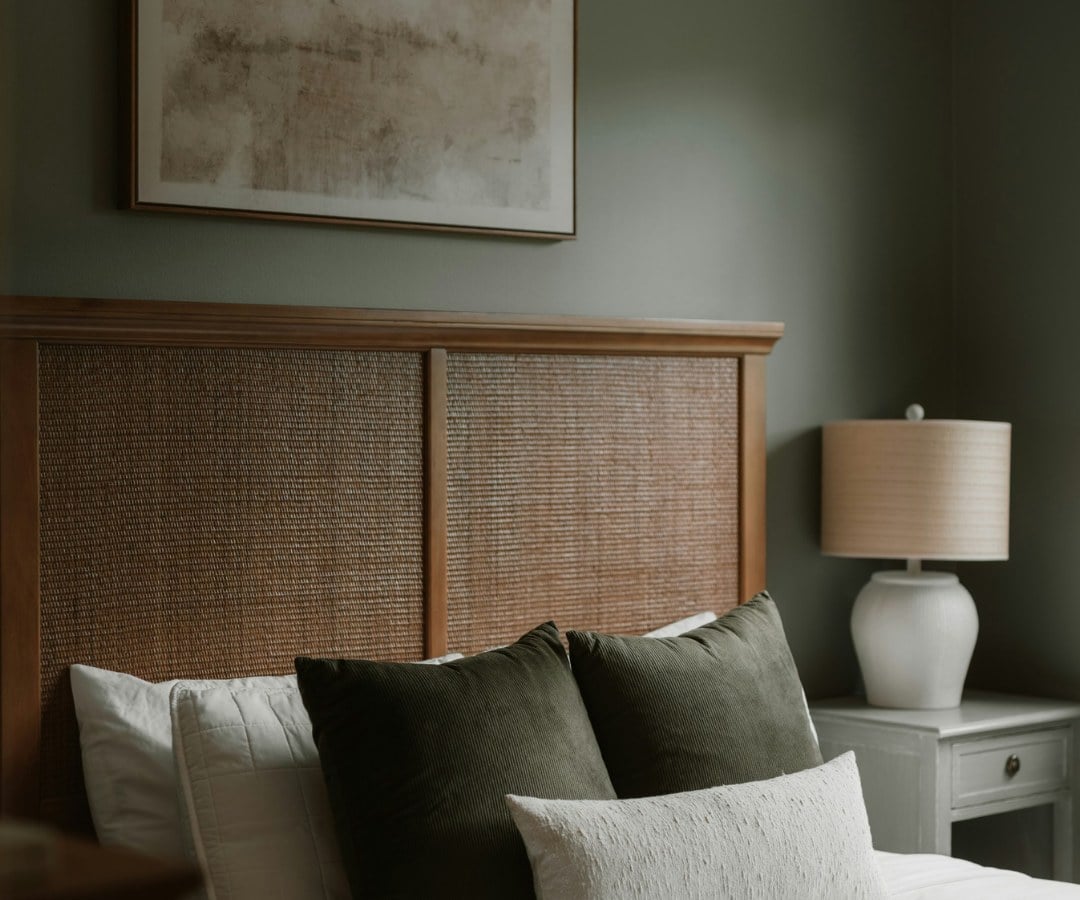
If you're wondering which wall to paint dark in a bedroom, aim for the headboard wall. It's the simplest solution to define the sleeping area and create a strong focal point, without any unnecessary risk.

Imagine the enveloping effect of a dark color behind you once lying down. This arrangement offers an immediate sense of security, like a true protective cocoon that isolates you from the rest of the room. It's ideal for promoting sleep and deep relaxation.

This technique literally enhances the furniture. The contrast brings out noble materials, like the solid wood of a Nateo Concept bed or the natural texture of your linens.

In the Master Bedroom: A Touch of Intimacy

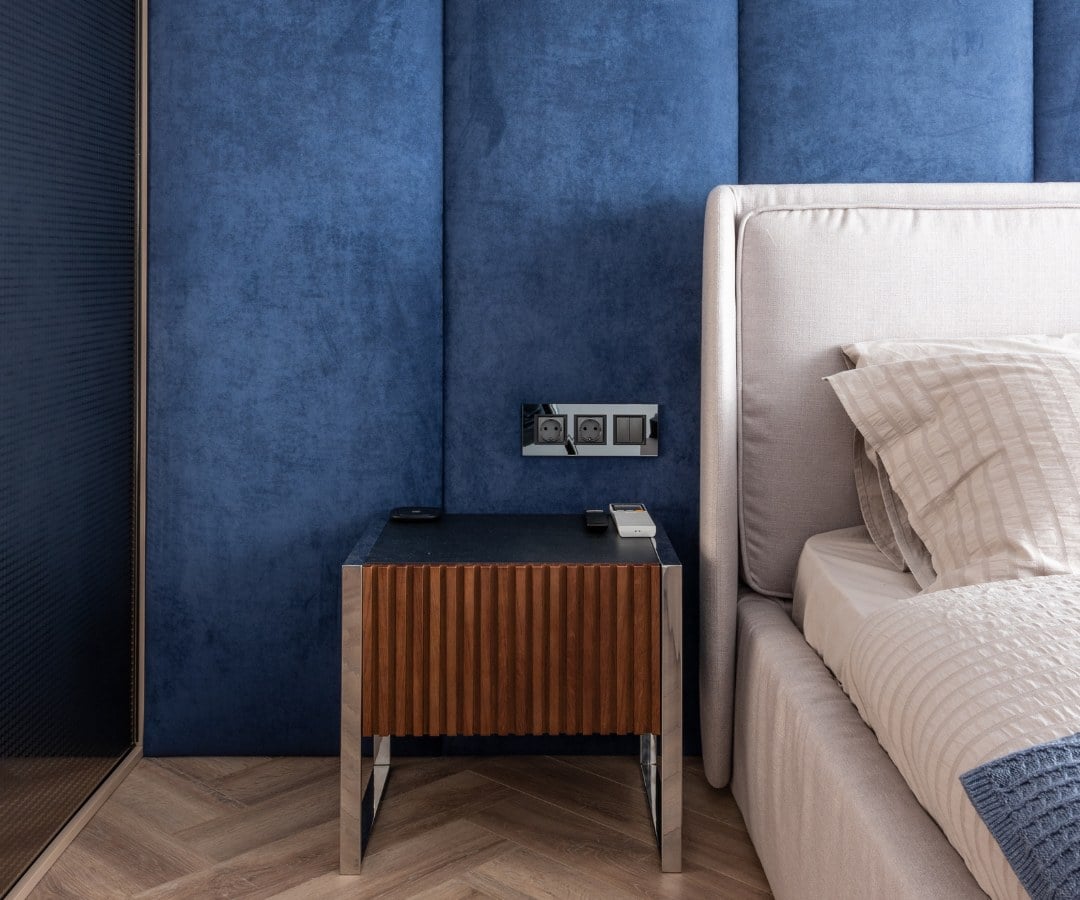
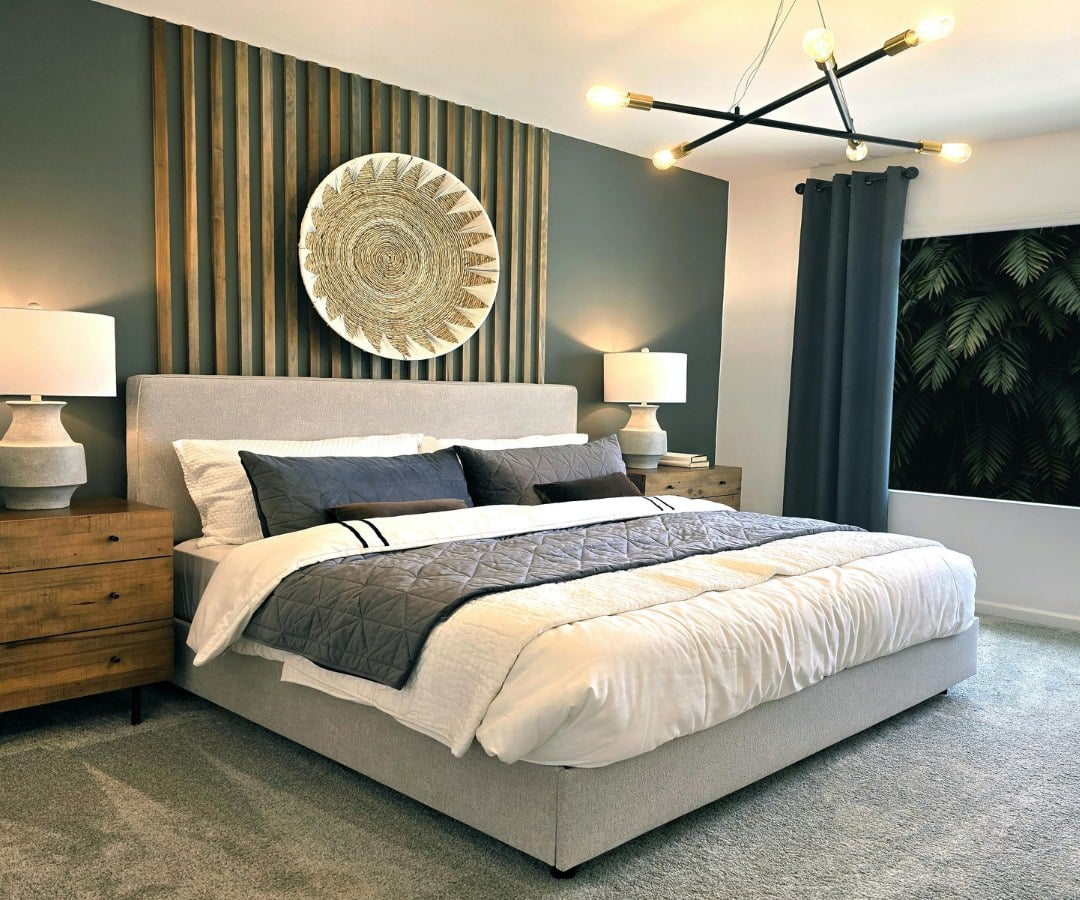
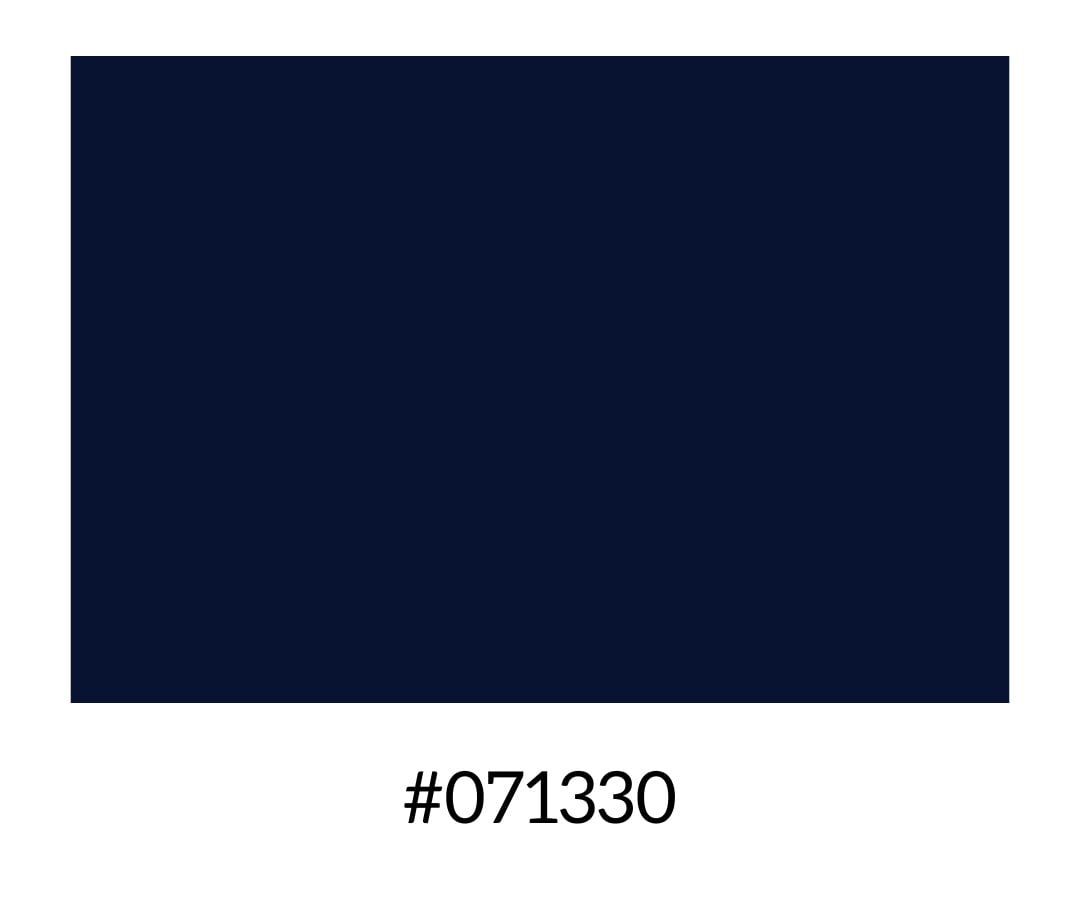
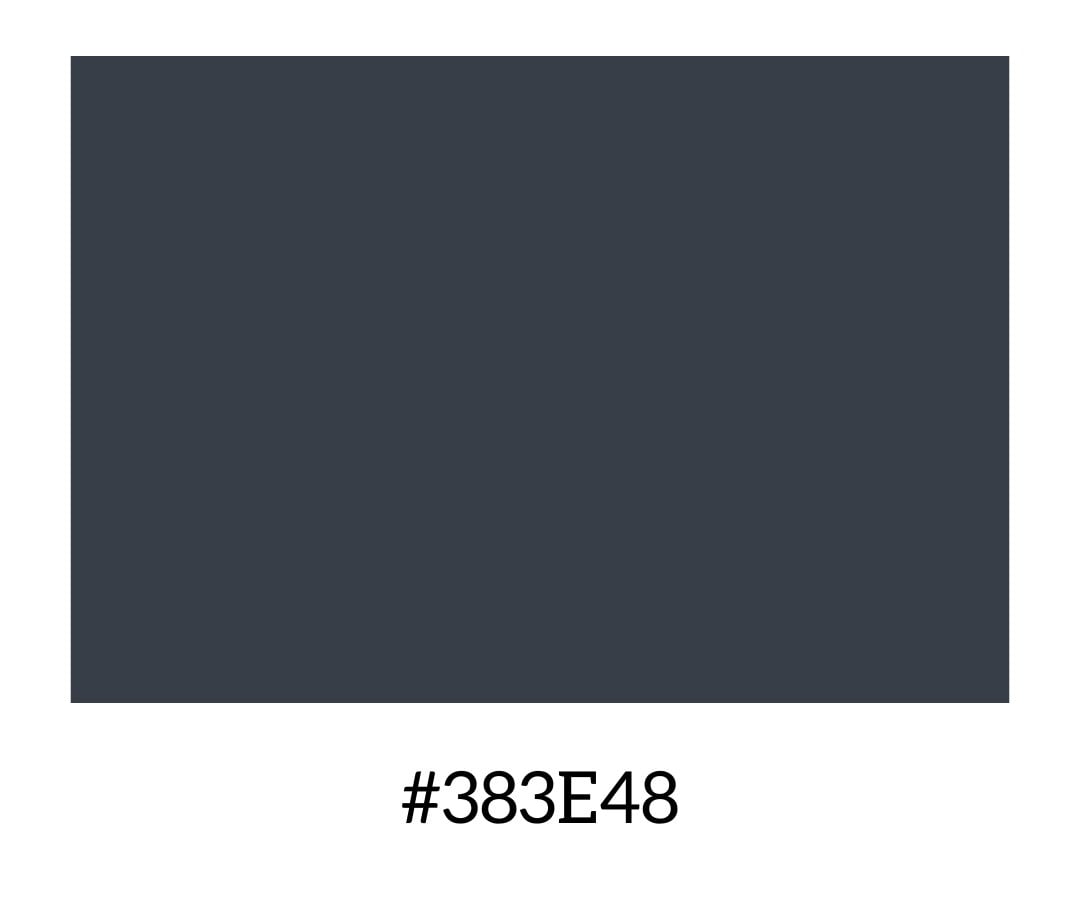
In a master suite, a midnight blue or anthracite gray wall behind the bed changes everything. It instantly establishes a much more intimate and sophisticated atmosphere. It's the most effective way to give character to the room without ever visually overloading it.

To nail this look, pair this dark wall with natural or light wood nightstands. Add soft lighting with dimmed lamps to accentuate the contrast. You'll achieve a perfect cozy nest, both warm and elegant.

For the Child's Room: A Reassuring Setting

For little ones, this trick works wonderfully too. A dark wall at the head of the bed helps calm the child at bedtime by clearly marking the area dedicated to rest.

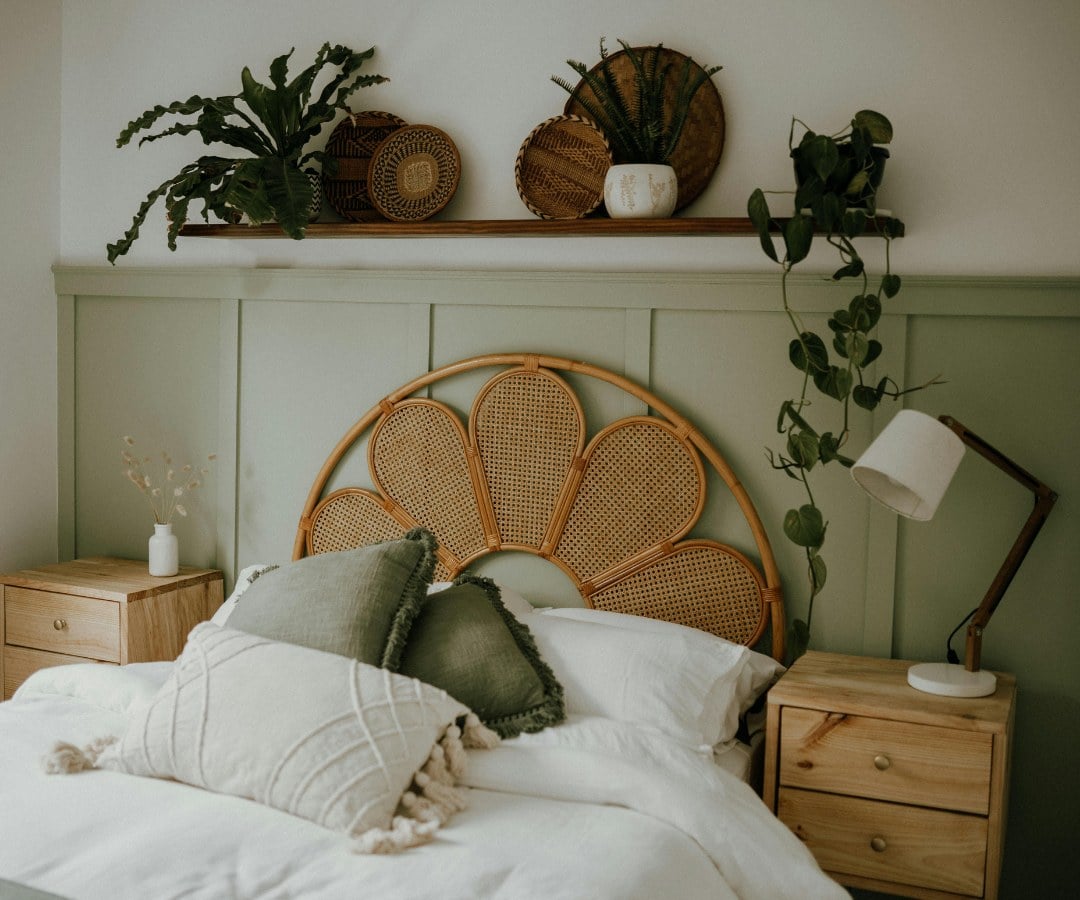
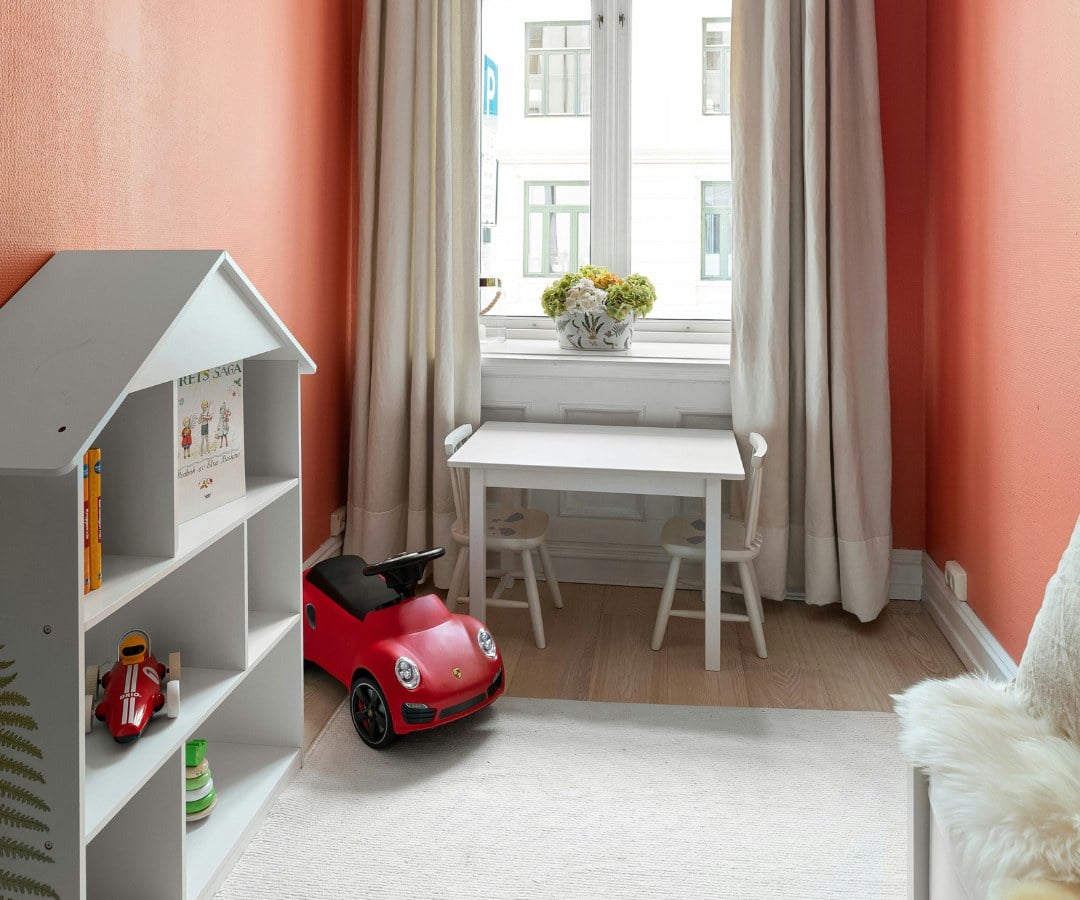
Dare to use dark but soft shades like deep blue, warm terracotta, or dark sage green. These nuances beautifully highlight light furniture, such as a natural wood cabin bed. It's a simple way to create a soothing environment where your child will feel safe to sleep.

Playing with Volumes: How Dark Paint Transforms Space

Adding Depth to a Short Room

Which wall to paint dark in a bedroom without suffocating it? The back wall often the window wall is your best ally. By darkening it, it visually recedes and lengthens the room.
Just make sure to keep the side walls light: this contrast creates the illusion of depth. Without it, the bedroom quickly feels cramped.

Widening a Narrow Space

For a hallway that's too long or an elongated room, reverse the logic: paint the longest walls dark. They visually move closer, reducing the tunnel sensation.
Keep the ceiling and back wall light to let light circulate and rebalance the volumes.

Structure with a Colored Corner

For a more subtle effect, paint two adjacent walls: the famous box effect. Perfect for defining a reading nook or office without a partition.
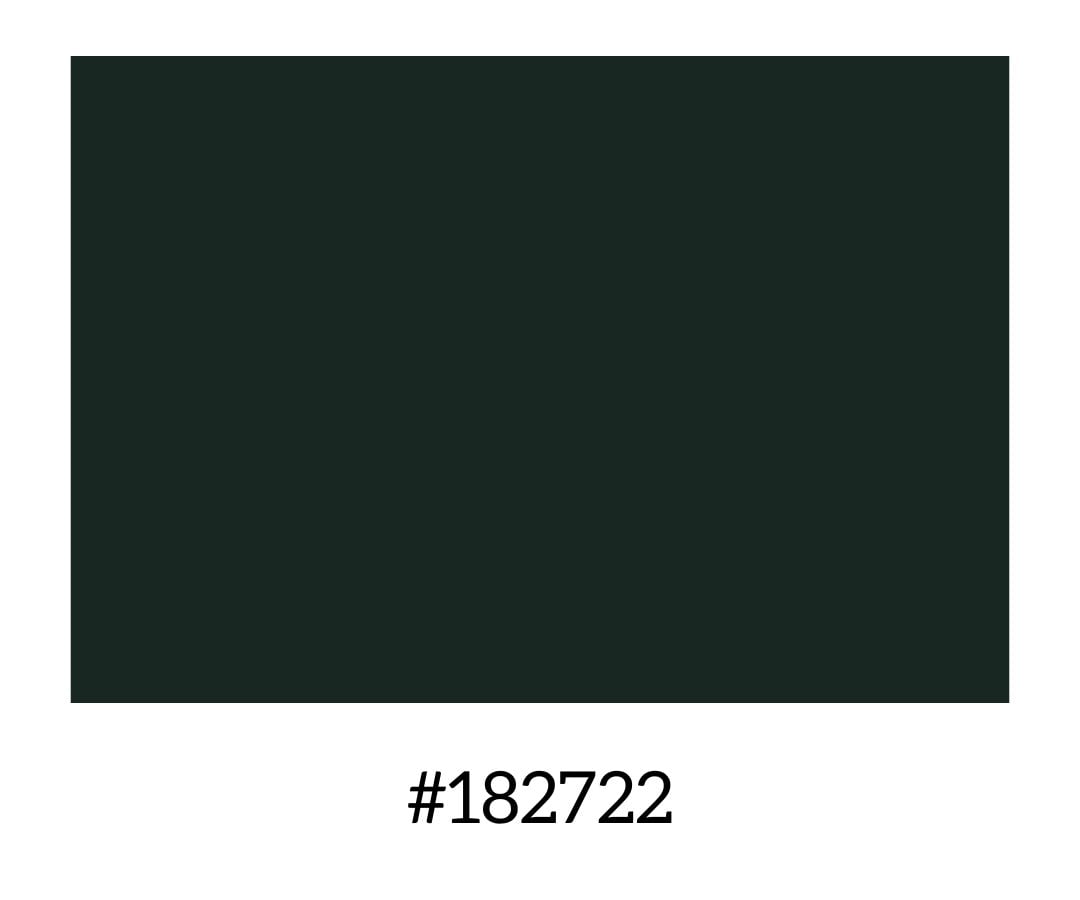
A forest green or midnight blue on a corner creates a soothing cocoon, more harmonious than a simple accent wall.

In summary:

  • Dark back wall → more depth
  • Dark side walls → less length, more width
  • Colored corner → structured and warm space

The Role of Natural Light: The Wall You Absolutely Must Not Neglect

The Wall Facing the Window: The Light Ally

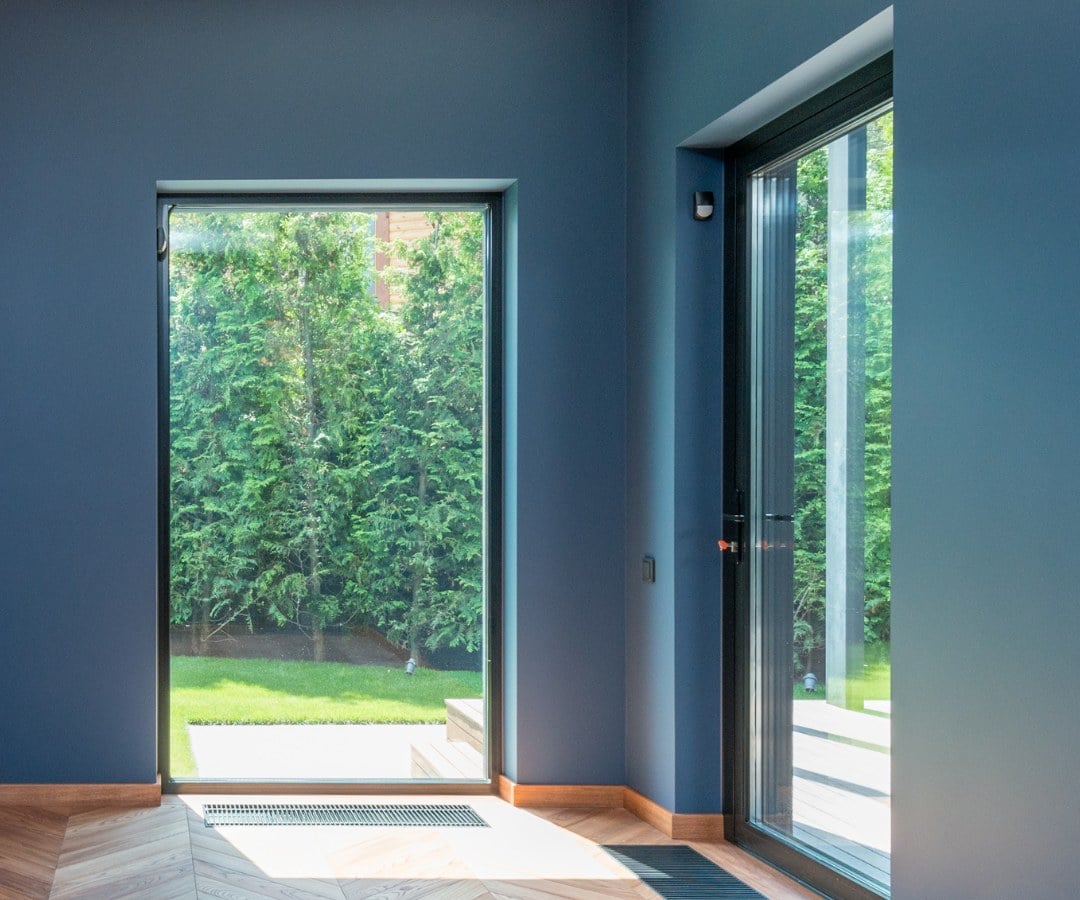
The best wall to paint dark? The one perpendicular to the window. This is where natural light glides over the color, revealing its nuances throughout the day. Result: a living shade, never flat, that gives character to the room.

The Window Wall: The Common Mistake

Painting the window wall seems logical, but it's a visual trap. Always backlit, the color appears dull, almost black. The contrast with exterior light tires the eye and crushes the volumes. Avoid it, unless you're going for an intentional silhouette effect.

In a Poorly Lit Room

Lacking light? Go for a single dark wall, preferably the headboard wall. It structures without weighing down.
Compensate with several soft light sources and light textiles: you'll keep the warmth of the dark without falling into the "cave" effect.

The Detail That Changes Everything: Paint Finish

Have you finally decided which wall to paint dark in a bedroom? That's an excellent start. But be careful, the work is far from over. The final touch the one many wrongly neglect and that costs dearly in style is the finish. And believe me, on a dark shade, it's unforgiving.

Matte or Velvet Finish: The Secret to the Cocoon Effect

For a bedroom, matte finish is queen, period. It literally absorbs light instead of harshly reflecting it. Result? Incredible depth and that incomparable visual softness we all seek for relaxation.

Worried about fingerprints? Then opt for velvet. It's the ideal alternative: slightly more durable than matte, but with the same ultra-chic powdery finish. It's the perfect compromise for a high-end finish and maximum cozy effect.

Why to Avoid Satin (or Glossy) Finish

Here's the mistake that often ruins everything: satin. This finish reflects light, which is the exact opposite of the cocoon effect desired here. On a dark shade, it creates unsightly reflections that completely break the uniformity of your wall.

Even worse, satin acts like a magnifying glass on surface imperfections. The slightest hole or speck of dust becomes visible. In a resting place, these visual distractions must be banned. Leave that for bathrooms.

The Importance of Quality, Healthy Paint

We don't mess around with health, especially our children's. Indoor air quality is paramount in a closed room. Avoid chemical solvents and absolutely prioritize water-based paints low in VOCs (Volatile Organic Compounds).

Besides, low-quality paint is immediately noticeable. Quality formulas offer significantly superior covering power. This is essential on dark colors to achieve that perfectly uniform and deep finish from application, without touch-up marks.

Mistakes to Avoid and Good Color Combinations

You have the theory, let's move to practice. Before breaking out the rollers, let's identify the pitfalls that await most parents and the tricks for harmonizing this dark wall with your decoration.

The 3 Pitfalls to Avoid

Let's start with the most serious mistake: painting the ceiling dark. Unless you have 13-foot ceilings, it's a guarantee of a crushing "box" effect.

There are other missteps that ruin the atmosphere. Don't waste your efforts with these common oversights:

  1. The total dark look: only paint all 4 walls and ceiling dark if the room is huge and very bright, otherwise, it's oppressive.
  2. Forgetting the rest of the decor: a dark wall must be balanced with lighter furniture, textiles, and accessories.
  3. Choosing a color you don't like: don't follow a trend if the color doesn't speak to you. You'll see it every day.

What Dark Colors for a Bedroom?

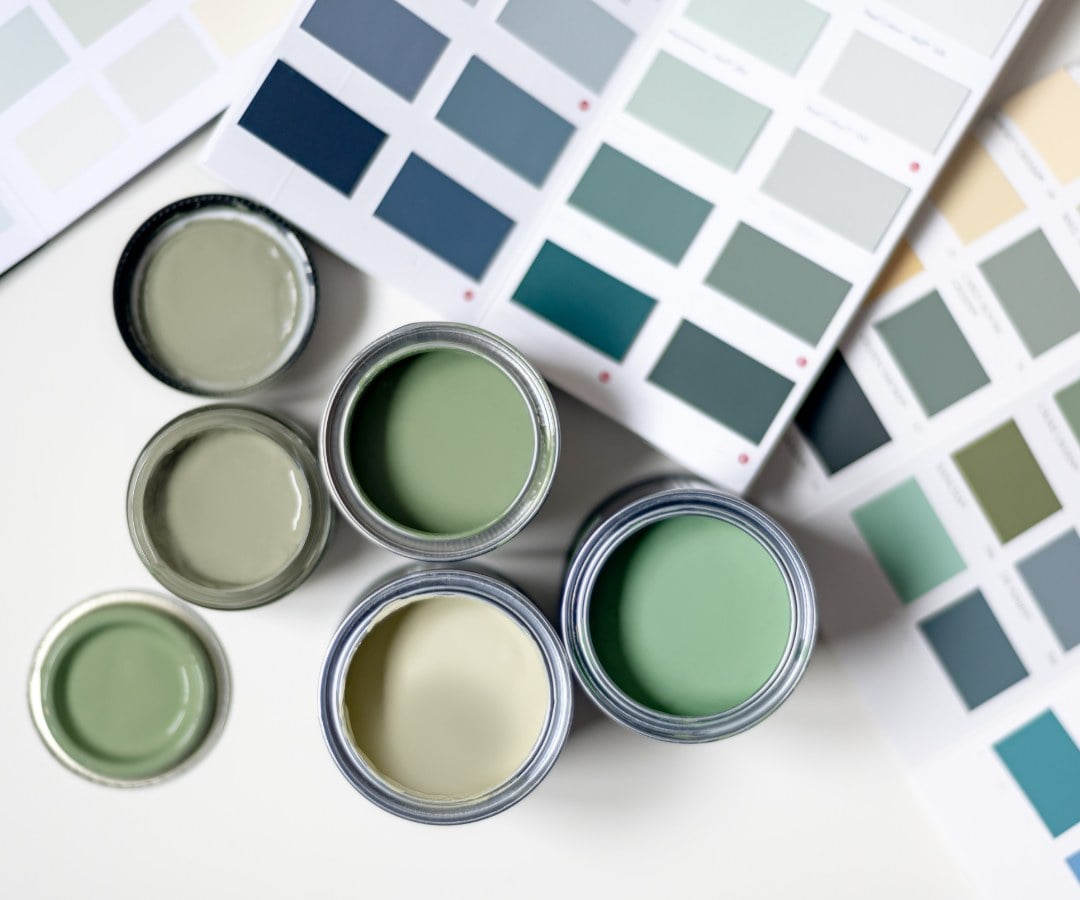
For a calming atmosphere, definitely favor midnight blue, forest green, or anthracite gray. These colors are known for their relaxing properties. They transform the room into a haven of peace.

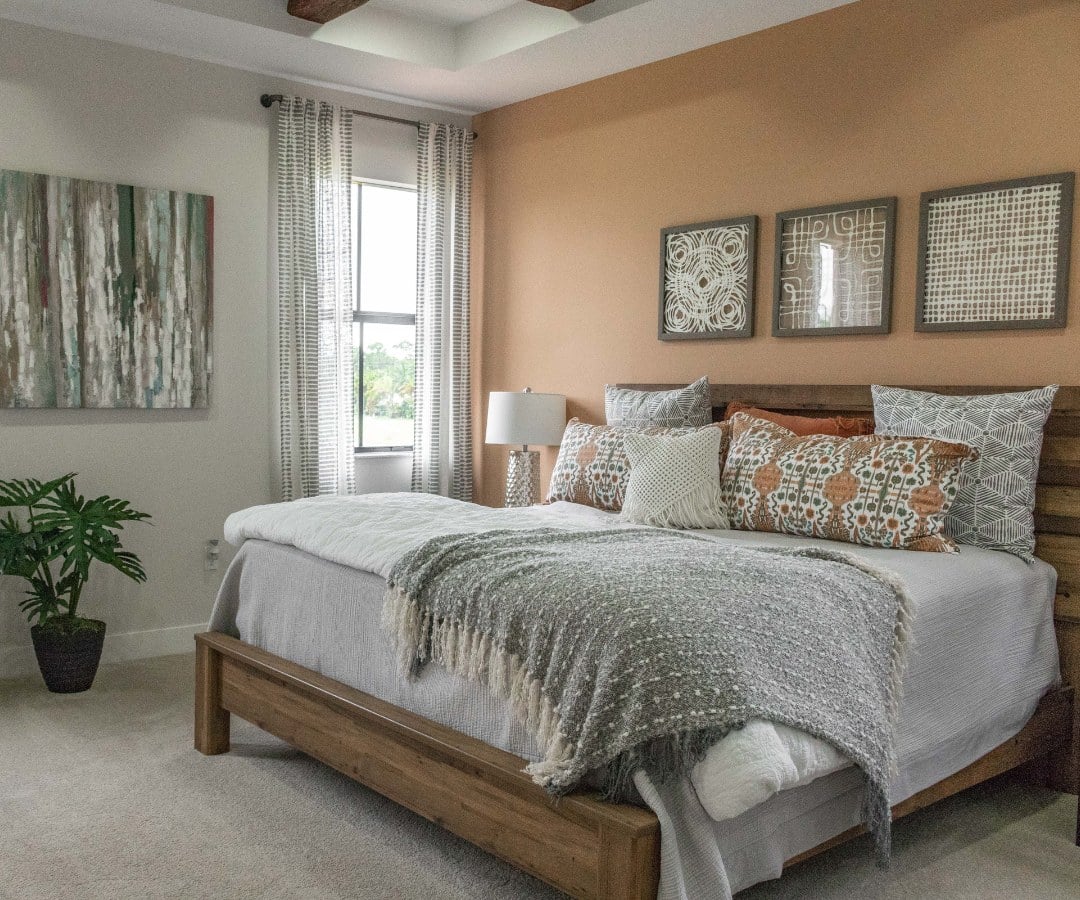
For a warmer atmosphere, turn to shades like deep terracotta, burgundy, or chocolate brown. They create a comforting cocoon, perfect for a master bedroom.

Harmonize with Light Touches and Wood

Balance is the key to success. A dark wall naturally calls for bright counterpoints to avoid suffocating the space. Think white or beige bedding, light curtains, a natural fiber rug.

Go all in on the marriage of wood and dark colors. Light or natural wood warms the atmosphere and creates an elegant, organic contrast. This is the DNA of Nateo Concept furniture for creating a calming child's room.

Painting a dark wall is the ideal decorating trick to establish a cozy and secure atmosphere. Whether you choose the wall behind the bed or facing the window, the essential thing is to balance with natural light. Opt for healthy paint and natural wood furniture to offer your family a cozy and sustainable nest.