What is the ideal temperature for your baby's room?

- Categories : Tips

Nateo CONCEPT

Provide a healthy and comfortable environment for your baby

Taking care of your baby is an extraordinary adventure, but it often comes with questions and uncertainties, especially regarding the sleep environment. Did you know that the room temperature plays a crucial role in your child's sleep, development, and overall health? Too hot or too cold, and your little one's body might struggle to maintain thermal stability, which can lead to safety risks. In this guide, we will explore simple yet effective tips to create an ideal environment conducive to your infant's rest. Take a deep breath: you're in good hands.

Understanding the ideal temperature

The dangers of inadequate temperature

A poorly regulated room can have unexpected consequences. Too high a temperature increases the risks associated with overheating, potentially even leading to Sudden Infant Death Syndrome (SIDS). Conversely, an environment that's too cold can compromise bodily development, slow blood circulation and seriously disrupt restorative sleep.

To ensure a stable and healthy environment, it is essential that the temperature is between 18°C and 20°C. This range not only ensures optimal comfort but also protects your baby against sudden variations that could harm their ability to adapt physically.

An often overlooked detail? The direct impact of inadequate temperature on neurological development. Disturbed nights affect the natural cycles of deep sleep, crucial for brain growth. Maintaining an ideal temperature is therefore not just a simple recommendation: it's a vital necessity.

Body temperature regulation in babies

Did you know that infants cannot regulate their temperature like adults? Their thermoregulatory system is still immature, making them particularly vulnerable to extreme conditions. Excessive heat can lead to profuse sweating and rapid dehydration, while intense cold can cause ineffective shivering or hypothermia.

To detect if your baby is too hot or too cold, touch their neck or back rather than their hands or feet (the latter being naturally cooler). Another telling sign: damp or red skin indicates it's too hot, while cold or mottled skin reveals discomfort related to cold.

By using simple methods such as adjusting pyjamas or light, breathable cotton layers, you can help your child maintain a stable and appropriate body temperature throughout the night.

Techniques for maintaining the ideal temperature

Using the thermometer and thermostat

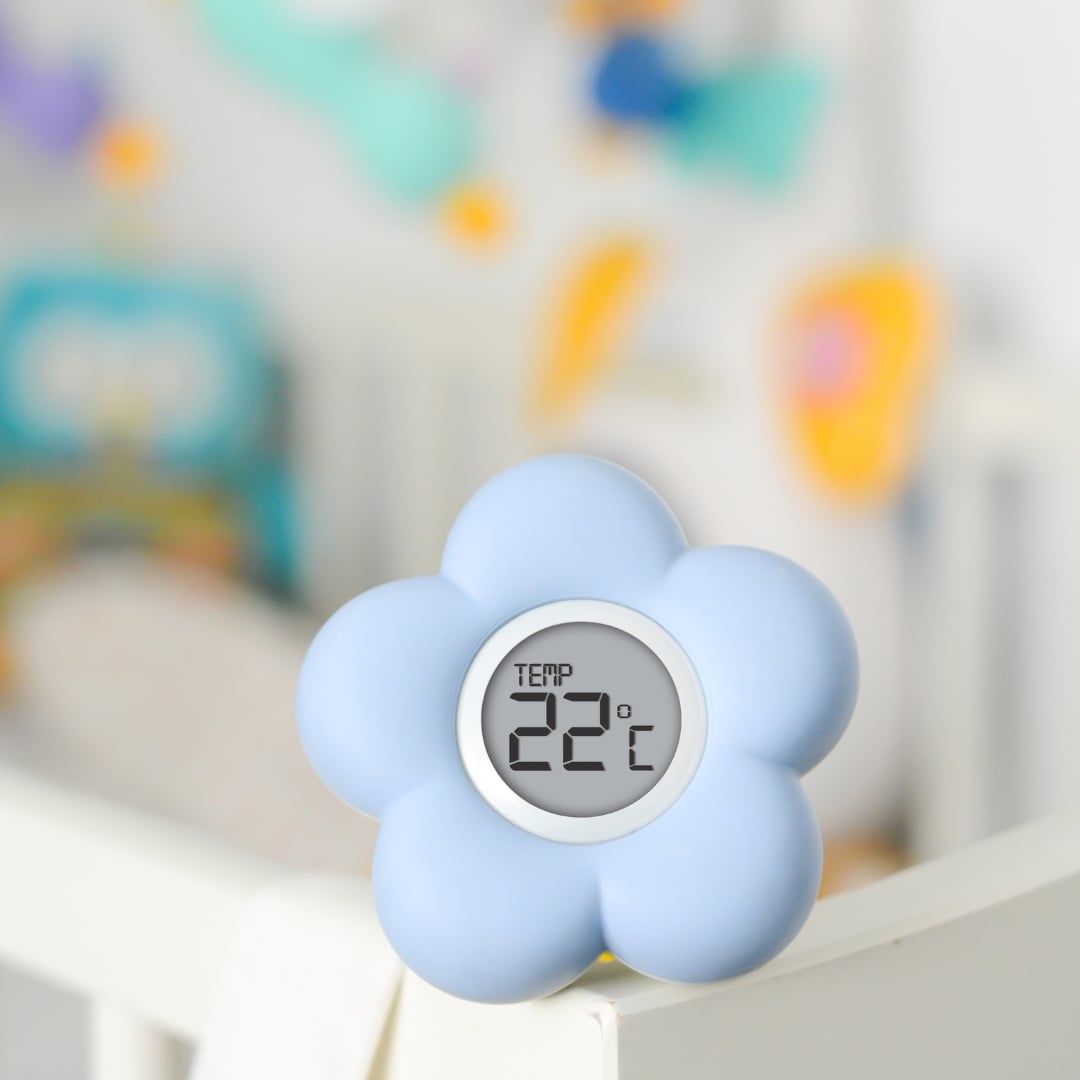
The first essential tool for monitoring the temperature of the baby's room is a good old, accurate and accessible indoor thermometer. Place it near the crib to get a reliable reading of the actual conditions in the place where your child sleeps.

If your home is equipped with a programmable thermostat, take advantage of it to automate settings according to seasonal needs! A simple trick is to program it slightly cooler during the night (around 19°C), when the body benefits more from cool air to optimise its breathing.

Choosing appropriate clothing and bedding

Clothing plays a key role in maintaining a balanced temperature. Opt for light pyjamas in summer and slightly warmer models in winter. A onesie with integrated feet often offers a good compromise between comfort and thermal safety.

For bedding, favour natural cotton sheets that allow excellent air circulation, thus reducing risks associated with excessive heat accumulation in the crib. Ban thick or heavy blankets which can be dangerous: they not only increase the likelihood of suffocation but also of excess heat.

Discover our range of ecological baby bedding for restful nights.

Importance of humidity in the room

Role of humidity on temperature sensation

Relative humidity, often forgotten, directly influences how we perceive heat or cold in a room. Humidity below 30% dries out the air, making it difficult for the baby's fragile airways to function properly. On the other hand, humidity above 60% promotes the appearance of mould harmful to their health.

Ideally, maintain humidity around 40-50%, thus creating a balanced environment where your baby will feel comfortably cool without feeling either dry or stuffy.

Humidity regulators: operation and maintenance

Humidifiers are your allies! They gently diffuse a light mist that hydrates the ambient air during dry or winter periods when central heating excessively dries out the atmosphere. However, these objects require rigorous maintenance: clean them weekly to avoid any dangerous bacterial proliferation.

On the contrary, if you live in a very humid region, invest in a compact dehumidifier to reduce this factor while ensuring it never exceeds the recommended limits.

For more information, consult our guide on the importance of humidity in the baby's room.

Signs of overheating or cooling

Observe your child carefully! A baby who sweats profusely, seems agitated or refuses sleep is probably showing signs that it's too hot in their room. Conversely, if their lips become slightly bluish or if their behaviour becomes lethargic, this could indicate that they need to be warmed up immediately.
These subtle clues are valuable as they allow you to intervene quickly before an uncomfortable situation becomes truly dangerous.

Seasons and adaptation of conditions

Winter and summer precautions

Winter often requires careful adjustments: use safe heating with an anti-overheating function to avoid any potential incidents. Add a thick window cover or install insulating blinds to prevent cold draughts.

In summer? A well-adjusted portable air conditioner can make all the difference during an extreme heat wave - but always make sure it never blows directly on the crib!

For more advice, there are articles such as the one from Madame Figaro on how to help babies sleep when it's hot.

FAQ on baby room temperature

The ideal range is between 18°C-20°C with about 50% humidity.

Yes, but direct it away from the crib so that it doesn't blow directly on your child.

A light sleeveless bodysuit is usually sufficient during summer periods!

Let's regain confidence together

You are now armed with the necessary knowledge to offer your child a space perfectly adapted to their nocturnal needs! Never forget that every detail counts: from the choice of pyjamas to that of the discreet but reliable wall thermometer.

By following these practical tips daily while carefully observing their physical reactions such as those related to touch (warm/cold skin), you will offer not only comfort but above all lasting serenity - as much for them... as for you!

Explore our baby rooms