Which mattress protector should you choose? The complete Nateo guide
Nateo CONCEPT
Mattress protectors: how to choose the right one
The key takeaway: to durably protect your bedding, opt for a polyurethane (PU) mattress protector. This modern membrane guarantees complete waterproofing while remaining silent and breathable, avoiding the greenhouse effect. By choosing OEKO-TEX® certified natural materials, you provide your family with a healthy, hygienic sleep environment free from harmful substances.
The human body naturally releases moisture every night — humidity that seeps into your bedding fibers and encourages the growth of dust mites or the appearance of yellowish stains. To maintain bedroom hygiene and preserve your manufacturer's warranty, using a mattress protector is essential.
Yet, between noisy PVC membranes and synthetic materials that cause sweating, knowing which mattress protector to choose can quickly become a headache for parents concerned about their family's comfort. We'll break down the healthiest materials and key technical criteria to help you protect your investment for the long term.
Waterproof vs. breathable mattress protector: what's the real difference?
A waterproof polyurethane (PU) mattress protector, free from PVC, blocks liquids, while natural materials such as organic cotton or bamboo ensure optimal breathability. These modern membranes, machine washable at 60°C, guarantee total hygiene without a greenhouse effect, thereby extending the lifespan of your bedding with an effective physical barrier.
So how do you choose the protection that will truly safeguard your investment without turning your nights into a sauna?
The polyurethane membrane for total protection
The PU membrane acts as a true shield against everyday accidents. It prevents moisture from reaching the core of the mattress. It is the guarantee of healthy bedding.
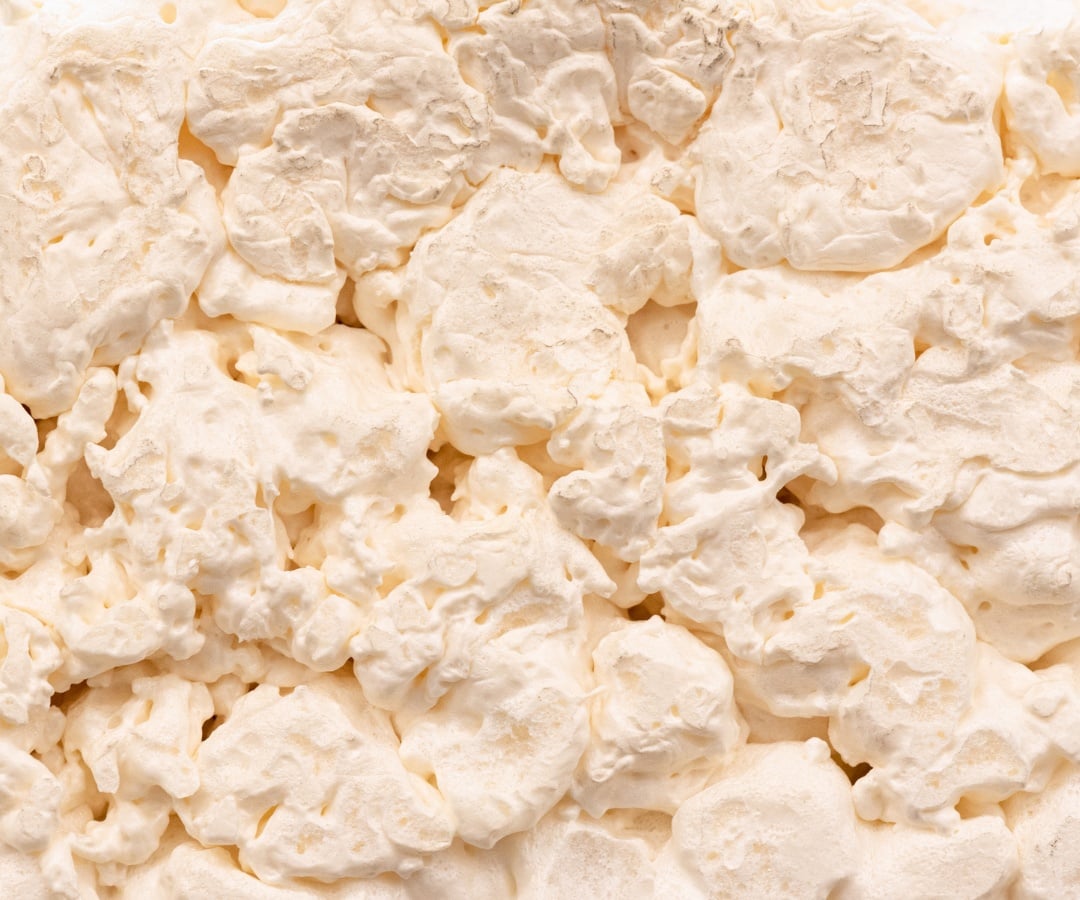
Polyurethane is a superior alternative to old PVC. Unlike rigid plastic, it is flexible and silent. It contains no phthalates that are harmful to health. It is a safe choice for peaceful sleep, especially for children.
This modern technology combines protection with absolute discretion. You will feel no difference beneath your sheets.
The comfort of a breathable mattress protector without the greenhouse effect
A breathable mattress protector allows air to circulate freely. It dissipates body heat that builds up during the night. This prevents you from waking up in a sweat due to a stifling mattress.
The best protectors combine waterproofing and ventilation. The membrane lets vapor molecules through while blocking liquids. That is the secret to staying dry without overheating.
Choosing materials such as bamboo enhances this sensation of freshness. These natural fibers absorb moisture far better than polyester. Your bed remains a comfortably temperate and pleasant cocoon.
3 criteria for comparing two mattress protectors before buying
To make the right choice, you need to look beyond the visual appearance and analyze the technical composition of the product.
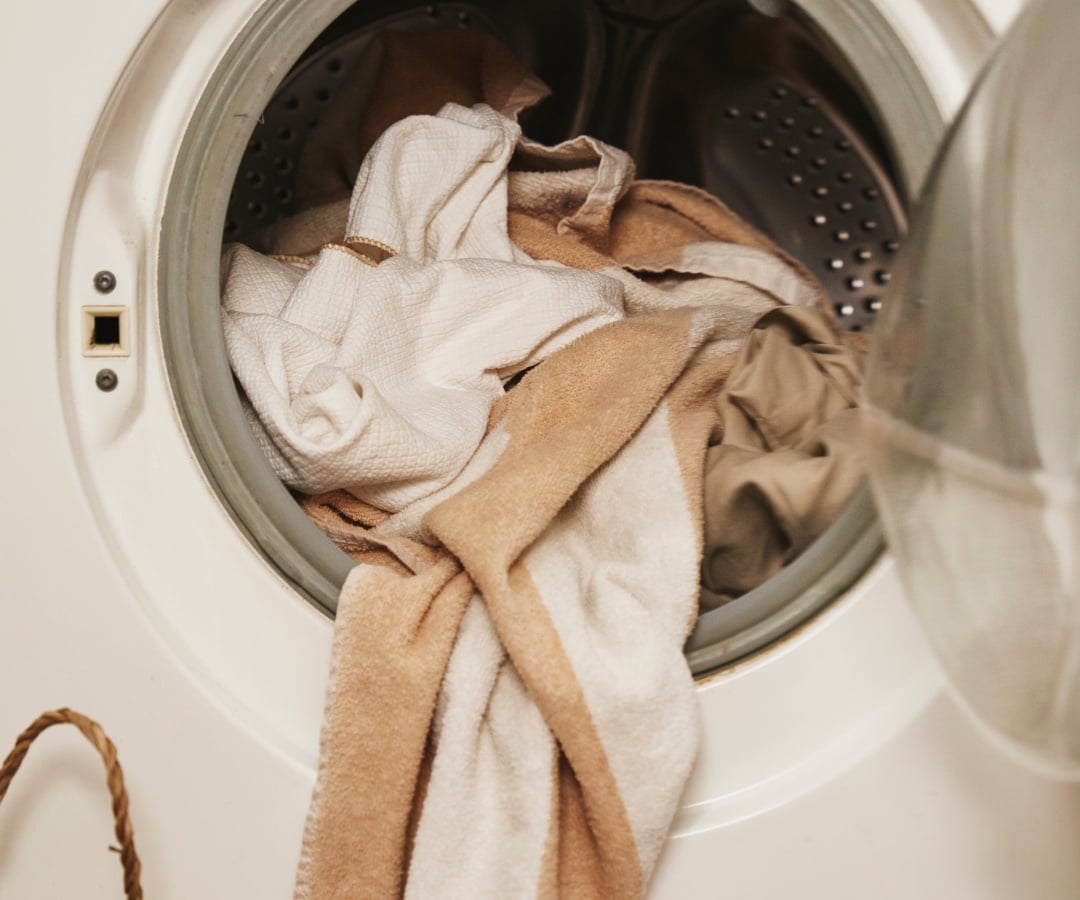
Resistance to intensive washing at 60 degrees
Hygiene requires regular high-temperature care. Washing at 60°C is essential to eliminate dust mites. Always check that your protector can withstand this thermal treatment.
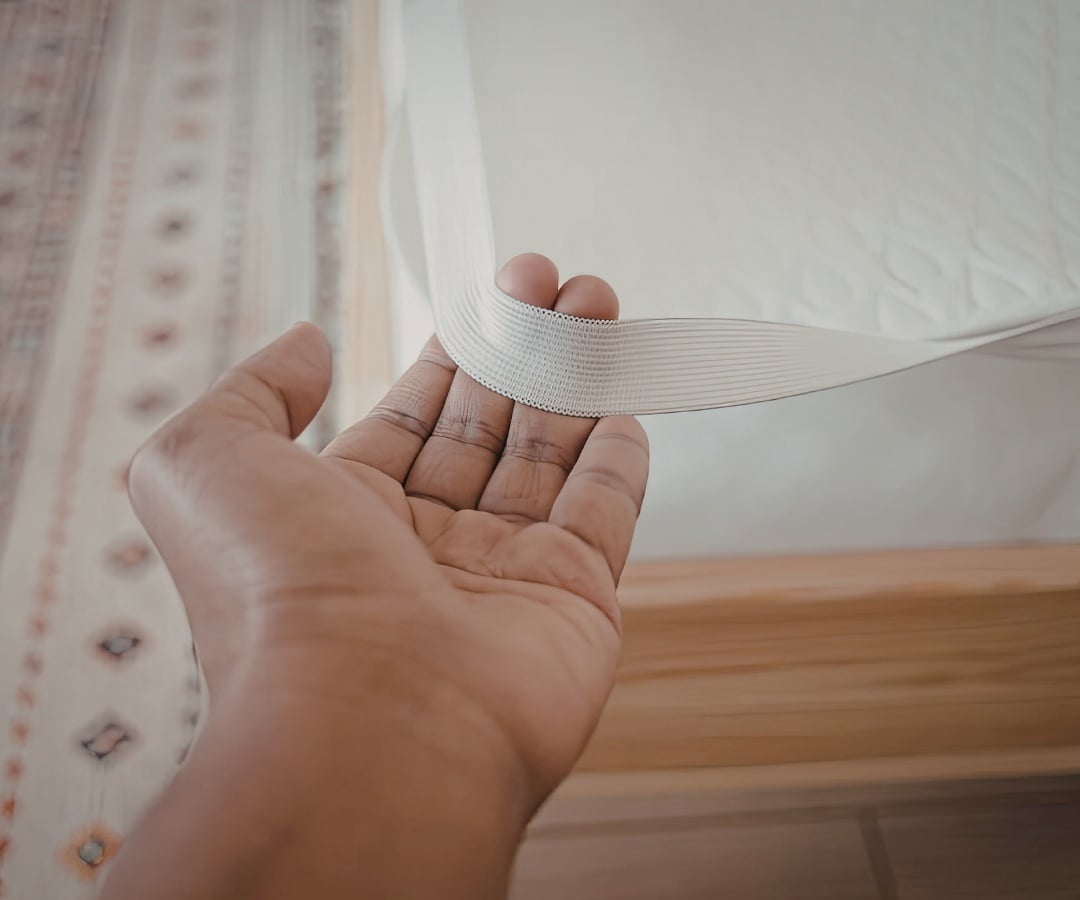
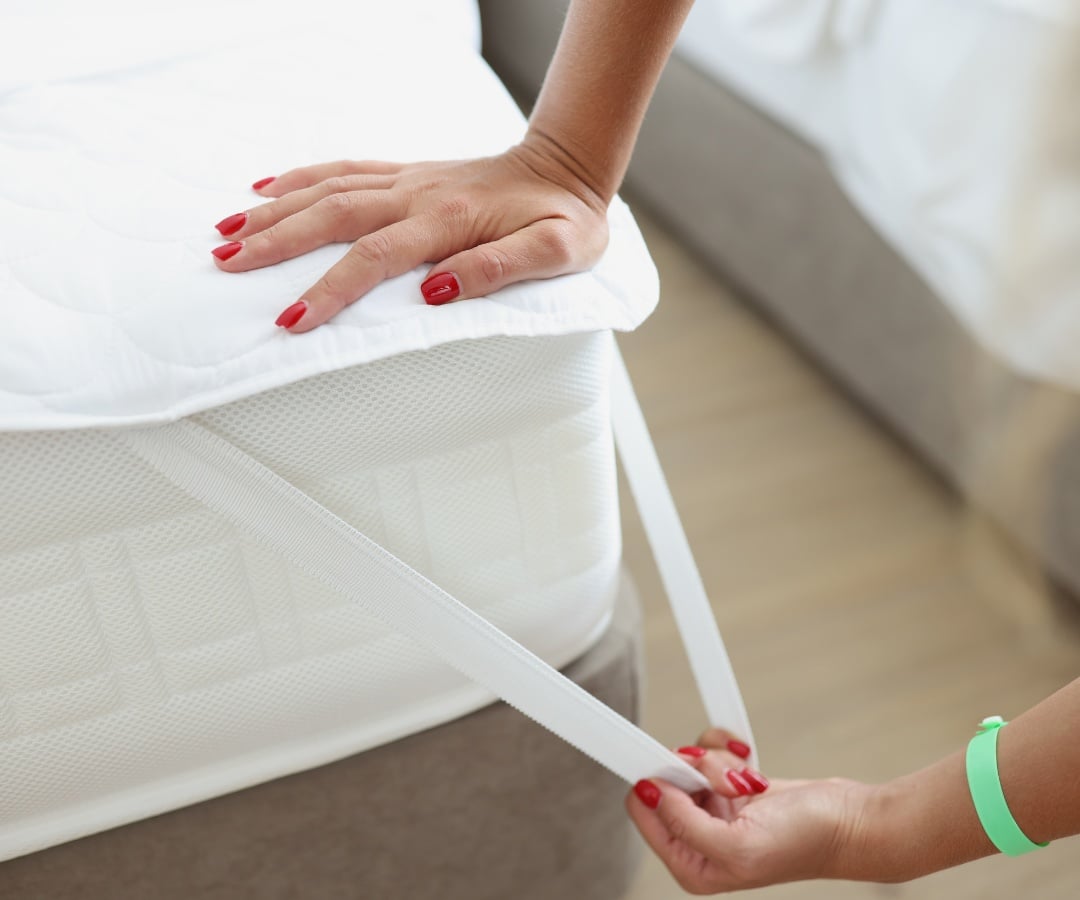
The quality of the elastic determines how well the mattress protector stays in place. It should not move, even after several machine wash cycles. A robust fastening guarantees that the mattress remains perfectly covered.
A resistant mattress protector retains its protective properties for a long time. It is a worthwhile investment to protect your bedding durably.
The quality of the comfort layer in natural fibers
The comfort layer is in direct contact with your skin. Organic cotton offers incomparable, natural softness. Bamboo terry, on the other hand, provides a silky touch that is greatly appreciated.
A good weight ensures the durability and plushness of the mattress protector. The denser the fiber, the better it absorbs perspiration. This is a determining factor in the quality of your rest.
Choose premium materials. Your nightly comfort depends on them directly, every evening.
Choosing a healthy membrane without PVC
Absolutely avoid mattress protectors containing PVC. This plastic material releases unpleasant chemical odors. It is also responsible for irritating rustling noises. Opting for polyurethane is an eco-responsible choice for your home and your overall health.
A healthy membrane respects the bedroom environment. It contains no substances that are toxic to the body. This is essential for maintaining optimal air quality in your rest space.
Which mattress protector should you choose based on the sleeper's profile?
Each age group has its own specific constraints, which means protection must be chosen to suit the end user.
Specific needs for baby and children's beds
For toddlers, complete waterproofing is non-negotiable. Leaks are frequent during the first years. A chemically certified mattress protector shields their fragile, sensitive skin.
The dimensions must match the mattress exactly. For a bunk bed mattress or a convertible one, make sure to check the fitted depth carefully. A well-fitted mattress protector prevents uncomfortable creases under the child's body.
Here are the essential points to keep in mind to ensure safe sleep for young children:
Oeko-Tex certification mandatory
Elastic fastening
High-temperature washing possible
Discreet and absorbent comfort for adults
Adults often prioritize silence and discretion. Cotton flannel provides an extra cozy layer of thickness. It effectively protects against natural nighttime perspiration without compromising comfort.
Using a quality protector helps extend the lifespan of your mattress by several years. It is a simple gesture to preserve bedroom hygiene. Proper care prevents the buildup of dust and moisture.
Sound discretion is paramount. You will quickly forget the presence of your protective mattress cover.
Natural solutions for allergy-prone sleepers
Bamboo has natural antifungal and antibacterial properties. It is a valuable ally for people suffering from respiratory allergies. It limits the proliferation of micro-organisms without chemical treatments.
Avoid synthetic anti-dust mite treatments, which are often irritating. Prefer naturally healthy and certified materials. An effective physical barrier is generally sufficient to protect the most sensitive sleepers.
Good health starts with clean bedding. Plant-based fibers offer healthy and long-lasting protection.
Care and lifespan: how to get the most out of your mattress protector?
Good protection is not enough; you need to know how to care for it so that it remains effective over the years.
Best washing practices to preserve waterproofing
Wash your mattress protector approximately every two months. In the event of an accident, act immediately to avoid stubborn stains. Use a gentle detergent without harsh bleaching agents. This preserves the flexibility of the polyurethane waterproof membrane.
Go discover our organic cotton and bamboo mattress protectors for easy care. Also remember to air your mattress with every sheet change. A light brush or a quick vacuum helps remove residue. These simple steps complement the action of your mattress protector for impeccably clean bedding.
Signs of wear and replacing your protector
A membrane that begins to deteriorate no longer protects anything. If you see cracks, it is time to replace the mattress protector. Waterproofing is no longer guaranteed in the event of a leak.
The average lifespan ranges between two and four years. This depends on the frequency of washing and the initial quality. A premium mattress protector will inevitably last longer.
Do not neglect this replacement. Your mattress is a precious investment worth safeguarding.
FAQ
Why is it essential to use a mattress protector every day?
The human body naturally releases moisture during sleep. Without protection, this perspiration seeps into your mattress fibers, encouraging the growth of bacteria and dust mites, and the appearance of yellowish stains. Using a mattress protector acts as a true shield to maintain impeccable hygiene and durably preserve the validity of your bedding manufacturer's warranty.
What is the difference between a mattress pad, a mattress protector, and a mattress encasement?
The mattress protector and the mattress pad are generally fitted like a fitted sheet to protect the sleeping surface. The mattress encasement, on the other hand, is a fully zipped cover that wraps around the entire mattress. It is the ideal solution when moving or to give a second life to an already worn support.
Is it better to choose a PU or PVC protector?
For your family's comfort, we wholeheartedly recommend polyurethane (PU). Unlike PVC, which is rigid, noisy, and promotes sweating, PU is a flexible, silent, and above all breathable membrane. It effectively blocks liquids while preventing the greenhouse effect, ensuring peaceful nights free from harmful chemicals such as phthalates.
How do I choose the right fitted depth for my mattress protector?
It is essential to measure your mattress thickness precisely. For optimal hold, the fitted depth should exceed the mattress thickness by 5 to 7 centimeters. This prevents the protector from slipping off during the night. Typically, allow for 15 cm fitted depths for a baby bed and between 27 and 30 cm for a standard adult mattress.
Which materials should you choose for healthy and natural bedding?
Organic cotton and TENCEL™ (eucalyptus fiber) are excellent choices for their softness and thermoregulating properties. If you are looking for maximum absorption, bamboo terry or loop fabric are ideal. These natural materials, often OEKO-TEX® certified, are gentle on children's sensitive skin and help minimize skin irritation.
How often should you wash your mattress protector and how should you care for it?
We recommend machine washing every two months or so, ideally at 60°C to thoroughly eliminate dust mites. To preserve the polyurethane waterproof membrane, opt for air drying rather than tumble drying. Having two mattress protectors per bed allows for a practical rotation and continuous protection of your bedding.
Sage green and wood bedroom: how to create a natural and soothing space
Children's bed size: the complete guide for healthy and safe sleep
How to decorate your bedroom with healthy materials?