How to protect your baby from the heat in summer?

- Categories : Tips

Nateo CONCEPT

Baby and heat: the right reflexes

Heatwave or high temperatures? Discover our simple tips to protect your baby in summer and ensure comfort, coolness, and safety throughout the day.

Protecting your baby from the heat

When summer sets in, heat often rhymes with worry for new parents. Are you wondering how to ensure your baby's comfort and safety when the temperature keeps rising? The answer isn't in a miracle solution, but in a series of precise, often overlooked actions that make all the difference.

Heat dangers for babies

A heat stroke in a baby can occur in just a few minutes, especially during periods of high heat or heatwave. Unlike adults, infants regulate their body temperature very poorly. Their small size and immature nervous system make them extremely vulnerable.

Signs such as profuse sweating, unusual crying, or conversely, a sudden lethargy, should immediately alert you. Hot and dry skin, a damp neck, or even rapid breathing indicate the beginning of dehydration or worse: a real life-threatening danger.

It's therefore necessary to be very attentive several times a day, even indoors, in an apparently cool room. Prevention is better than cure: a simple change in schedule or clothing can avoid many risks.

Sensible hydration

Importance of proper hydration

Are you breastfeeding? Do you give the bottle? It doesn't matter: in summer, frequency is key! Breast milk contains 87% water, which is more than enough to hydrate your child up to 6 months. But you need to offer more frequent feedings... even if the baby isn't crying!

Never rely solely on visible signs: thirst in infants is often silent. Offering a bottle of cool water between meals or feedings can make all the difference during the hottest days.

The ideal interval? Every 1.5 to 2 hours during heat peaks. This regularity supports their metabolic functions and prevents any febrile spikes related to dehydration.

Clothing and accessories

Choosing clothes during hot weather

A hot baby is often an overdressed baby. Forget about layering! Opt for light clothing made of undyed organic cotton. Light colors better reflect sunlight and limit the rise in body temperature.

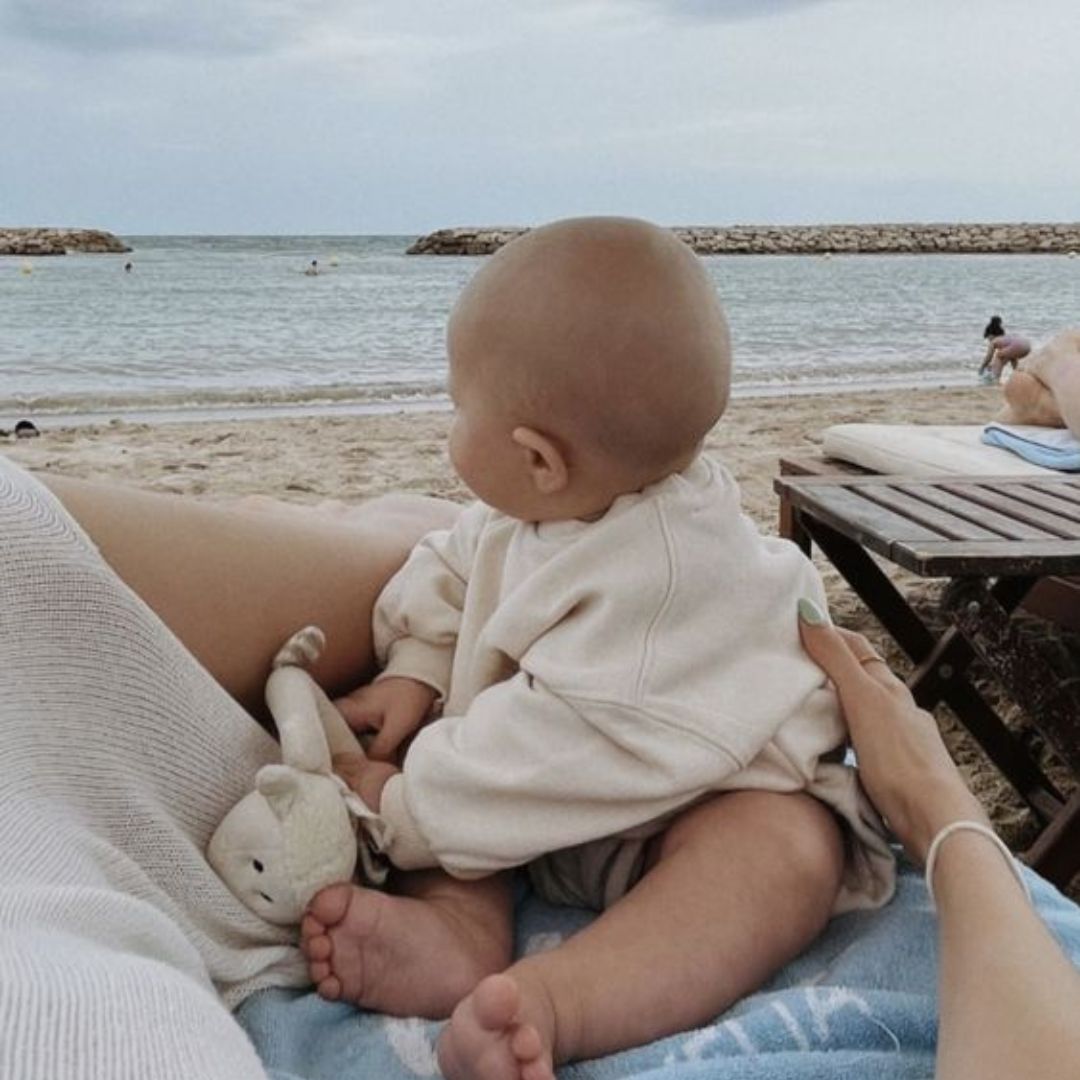
Going for a walk? If you're using a baby carrier, make sure the head is kept clear and protected with a small UV-protective hat. If you're going out on a bike with a trailer, never neglect wearing an appropriate helmet, even if it slightly increases the perceived heat.

The stroller must be equipped with a large extendable canopy or a good adjustable umbrella to create a real mobile shaded space around your child.

Room layout

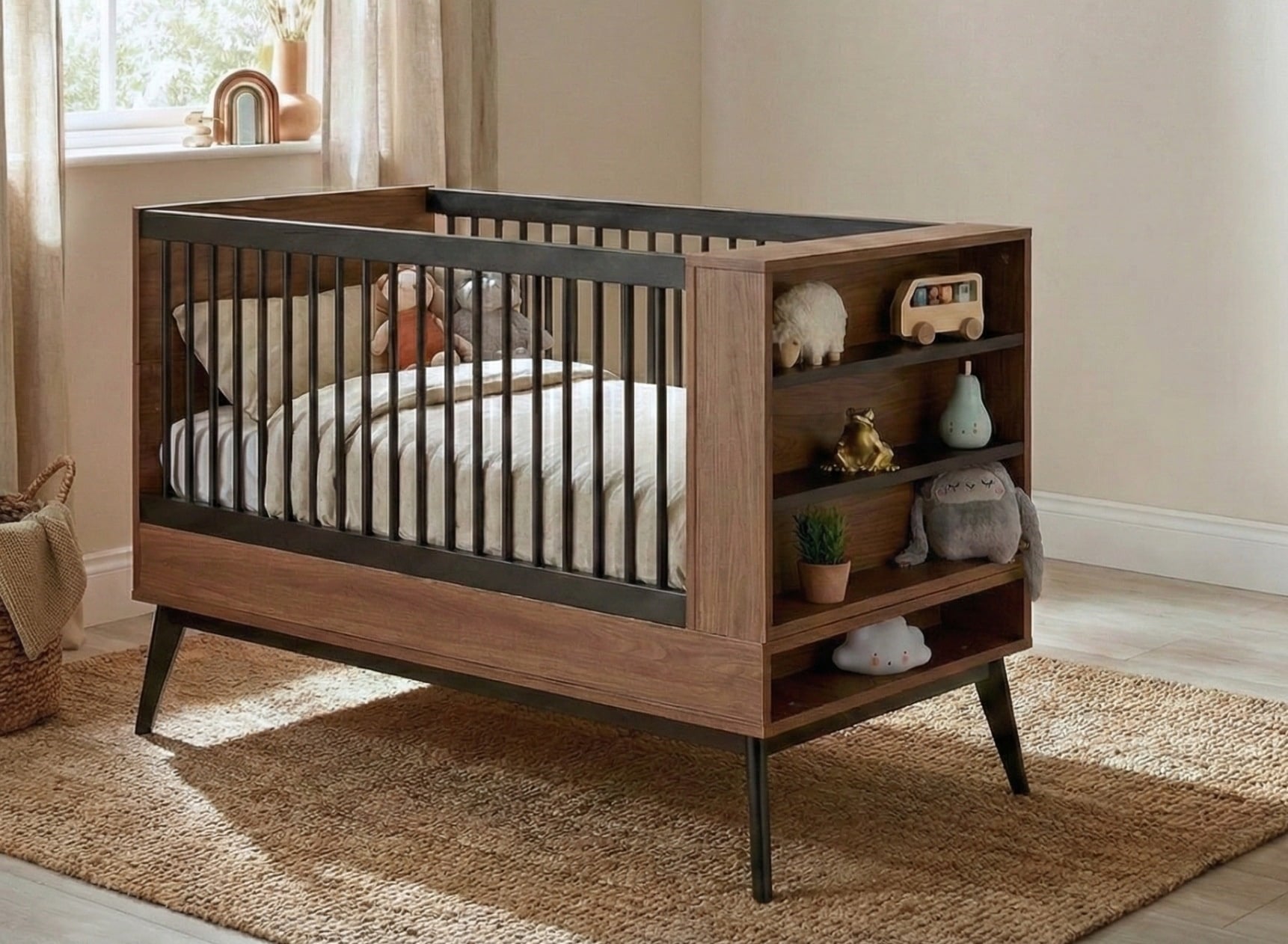
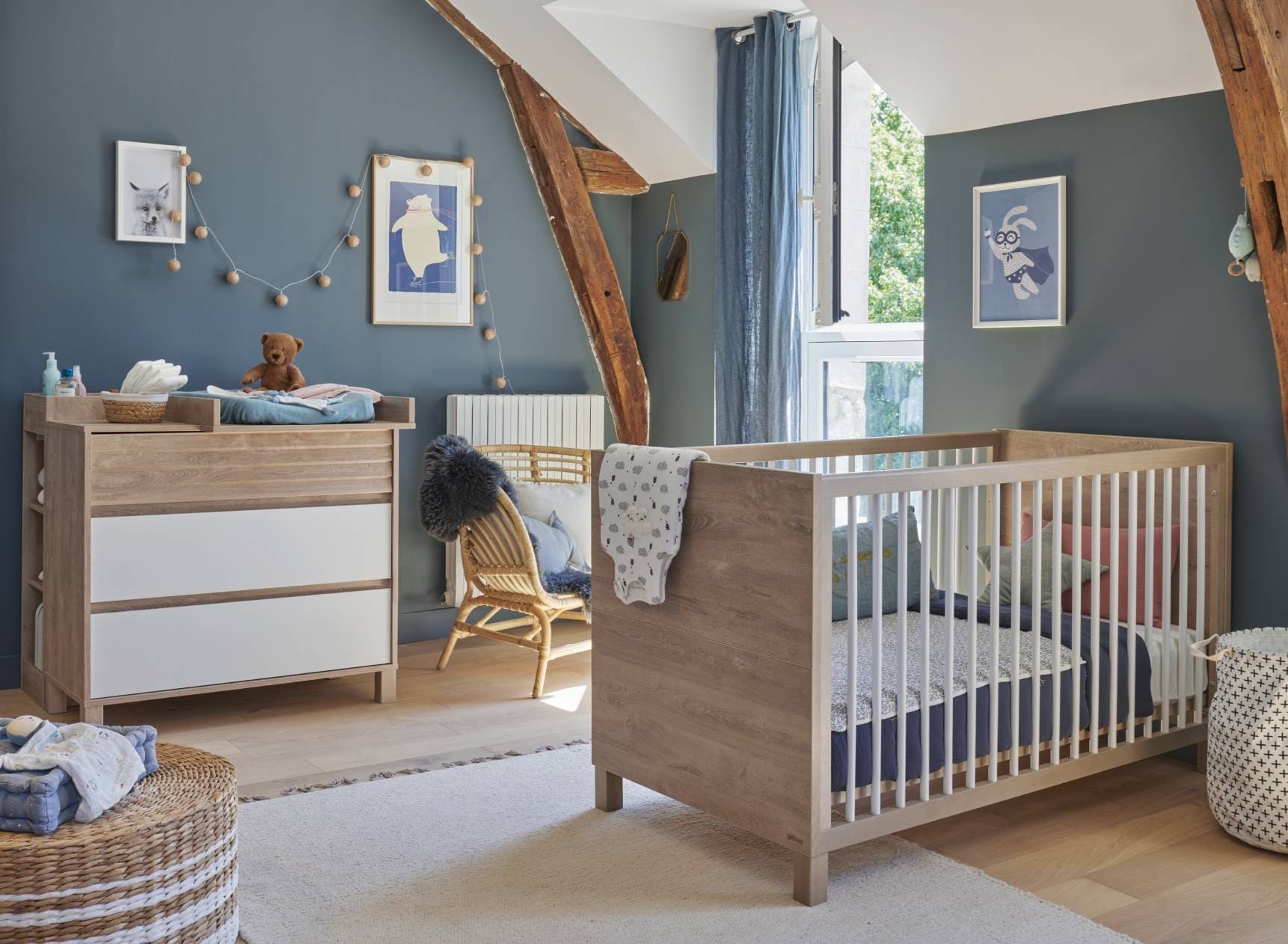
Creating a cool space for sleep

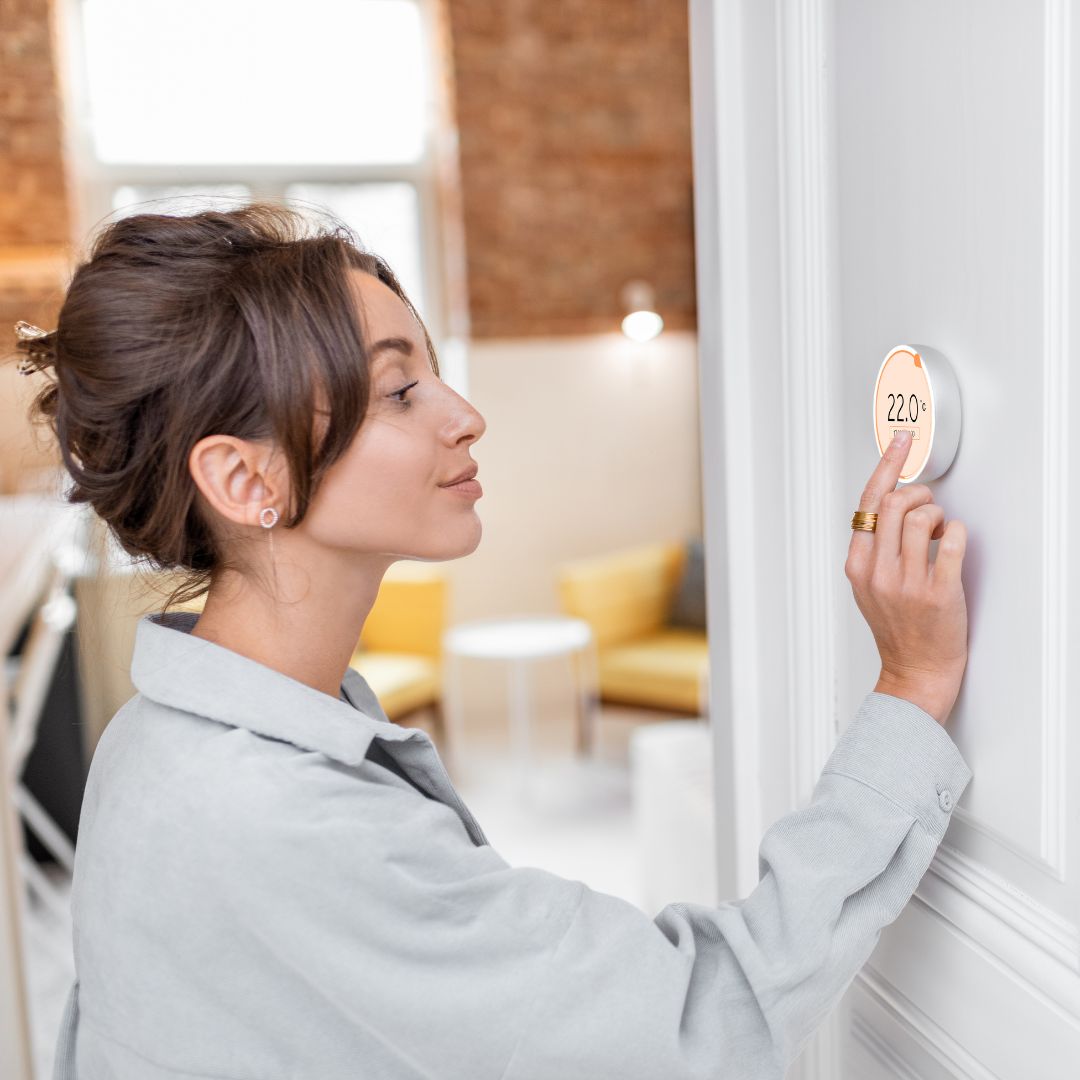
The room shouldn't become an oven! Close the shutters in the morning with thermal blackout curtains and create a slight air circulation with a fan oriented... not towards the bed, but towards the opposite wall to circulate the air without direct current. And if you're lucky enough to have good air conditioning, set it between 23°C and 25°C maximum - never below!

Also consider the room's orientation: a south-facing room captures sunlight more quickly. Cool it down as soon as possible during the night by opening the windows wide if the outside temperature drops below that of the inside. Also air out the baby's crib and opt for organic cotton bedding to ensure optimal rest.

Soft, dimmed lighting also avoids unnecessary stimulation before bedtime. A calm and temperate environment naturally promotes better sleep in children.

Finally, don't neglect the humidity level in the room, which can put the baby in an uncomfortable situation if it's not balanced. You'll find all the information on this topic in our dedicated blog article.

Watch for warning signs

Detecting signs of overheating

A baby who is too hot may not always be able to express it clearly... except through incessant crying or a blank stare. A body temperature above 38°C without apparent signs of infection should be taken very seriously.

Other worrying signals: abnormal drowsiness, refusal of breast or bottle, dry skin despite the ambient heat... These are all subtle indicators to watch carefully.

In these cases, don't wait! Immediately contact your doctor or go to the pediatric emergency room if their condition seems to deteriorate rapidly despite your attempts to cool them gently.

Advice for parents

Adapting daily routine

The first summers with a baby sometimes disrupt all your habits. Be ready to completely revise your daily organization: outings moved to dawn, lukewarm bath before each nap (between 35°C and 36°C), lighter meals...

Observe how your child reacts day after day: each baby has their own heat tolerance. Some families even opt for original solutions like temporarily setting up a mattress in their coolest room - often a hallway!

And if you're a pregnant woman during this stifling season? Be extra cautious: your own heat strokes can directly affect your future baby. Drink plenty, rest often, and avoid any prolonged direct sun exposure between 11:00 AM and 4:00 PM.

Want our number one tip?

Create an adapted summer routine around your child's natural rhythm... not the one imposed by your social or family obligations! It's better to say no to an outing in the middle of the day than to face a sleepless night later due to an poorly anticipated heat stroke.

Remember that a simple lukewarm bath after each walk is often enough to bring down their body temperature without medication or medical intervention - that's the magic of well-applied natural care!

Finally, always keep these essentials close by: - A bottle of suitable mineral water - A small mister - A rechargeable mini USB fan - High protection sunscreen - And of course... lots of patience!

Because yes, facing summer with a newborn is demanding... But armed with the right reflexes, you can transform each hot day into a safe - even enjoyable - moment for your whole family!

Discover our baby furniture