How to Keep Your Child Properly Hydrated in Summer? Practical and Essential Tips
Nateo CONCEPT
Children's hydration in summer: the right reflexes
Heat, sun, and endless games... but is your child drinking enough? Discover our simple tips to keep them well-hydrated all summer long.
Understanding the importance of summer hydration
Why summer is a high-risk period
The summer period exposes children to a particularly high risk of dehydration. Why? Because their bodies, still immature in terms of thermoregulation, don't dissipate heat as well as an adult's. When they play outside, run, or participate in any physical activity, they sweat profusely, without always immediately feeling thirst.
Their thirst sensation isn't a reliable indicator: it often occurs late, when water loss is already significant. This is where increased vigilance becomes essential. Summer, with its sometimes extreme heat waves and extended days outdoors, increases the need for fluid, without this being obvious to younger ones.
A little-known fact? A child can lose up to 3% of their body weight in water before even showing visible signs of dehydration! This critical threshold can be crossed in just a few hours under high heat.
The crucial role of hydration in children's development
Water represents about 75% of a newborn's body weight and remains a major component in young children. It is essential for proper organ function, thermal regulation, and nutrient transport. Insufficient hydration disrupts these vital functions.
In the long term, poor water management harms growth and cognitive development. The brain, very sensitive to water variations, can react with decreased concentration, mood changes, or unexplained fatigue. Maintaining good hydration is thus investing in the child's overall health – both for today and tomorrow.
Identifying early signs of dehydration
Common symptoms in children
The first symptoms can go unnoticed if you don't know where to focus your attention:
- Sudden fatigue
- Dark or less frequent urination
- Tearless crying
- Dry or hot skin
- Unusual irritability
These signs should be considered as a real warning. In some advanced cases, headaches or dizziness may even occur. Since a young child's ability to express what they feel is limited, it's up to us to carefully observe these changes to enable rapid intervention.
Quick intervention measures for parents
At the first signs, it's vital to act quickly. Immediately offering a drink rich in electrolytes, such as oral rehydration solution (ORS), helps compensate not only for water loss but also for essential mineral salts.
A remarkably effective method: divide intake into small sips every 10 minutes – this promotes absorption without causing nausea.
If your child refuses all liquids? Apply a damp cloth to their face and offer homemade flavored ice cubes (frozen diluted juice). Meanwhile, monitor symptom evolution hourly – the slightest change should call for more reactivity.
And let's not forget: when in doubt, or if you suspect a complication like gastroenteritis, consult a professional immediately.
Calculating ideal water consumption
Daily guide by age and activity
Here's an essential reference too often ignored: a child needs about 100 ml/kg daily up to 10 kg, then 50 ml/kg additional up to 20 kg. This means an active toddler weighing 15 kg should consume about 1.25 liters per day... excluding food!
But this volume increases significantly with outdoor temperature and level of physical activity. A child exposed to heat for several hours should receive up to 30% additional fluid intake to maintain their health recommendations.
Infants? Their hydration comes exclusively through bottles, or via breast milk during breastfeeding, which naturally evolves with their seasonal needs – an often unknown physiological miracle. Even at bedtime, in an adapted and comfortable child bed, it's useful to leave a water bottle or glass within reach in case of nighttime thirst.
Adjustments for special conditions
In case of fever, diarrhea, or heavy sweating due to heat waves, it's crucial to adapt the hydration routine. The rule? Never wait for the child to ask for a drink, anticipate!
In these specific situations, favor an approach focused on personalizing intake: alternating between plain water and enriched solutions (homemade diluted juices, cold soups). This strategy optimizes absorption and avoids glycemic peaks while ensuring maximum safety and effectiveness.
Practical strategies to encourage hydration
Attractive water bottles and other aids
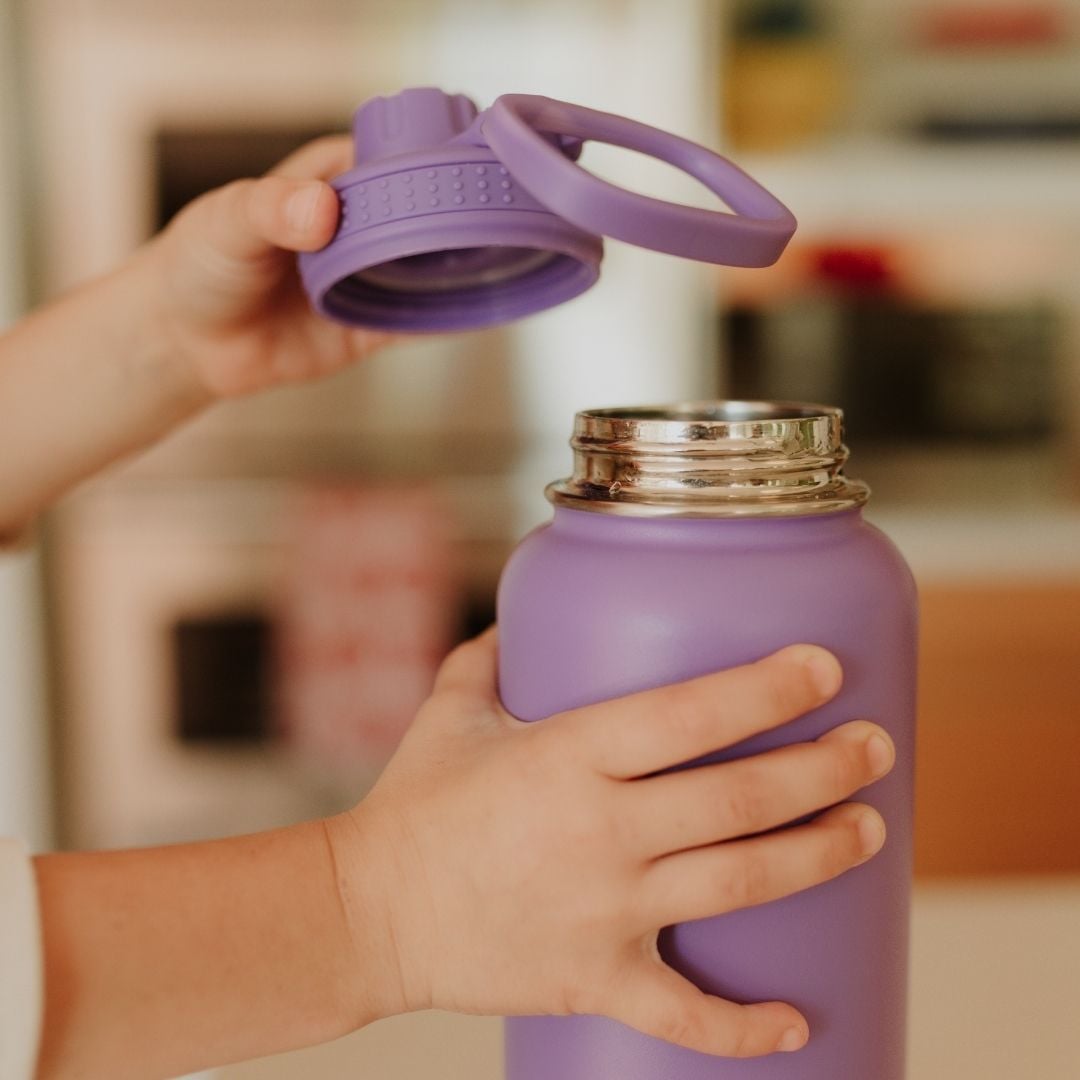
An effective tip? Invest in colorful bottles with visual indicators (fun graduations or built-in timers). These objects quickly become a game... and therefore a continuous source of encouragement to drink!
Also consider flexible straws or customizable water bottles: when drinking becomes fun, consumption naturally increases without additional parental effort.
Games and activities to encourage drinking
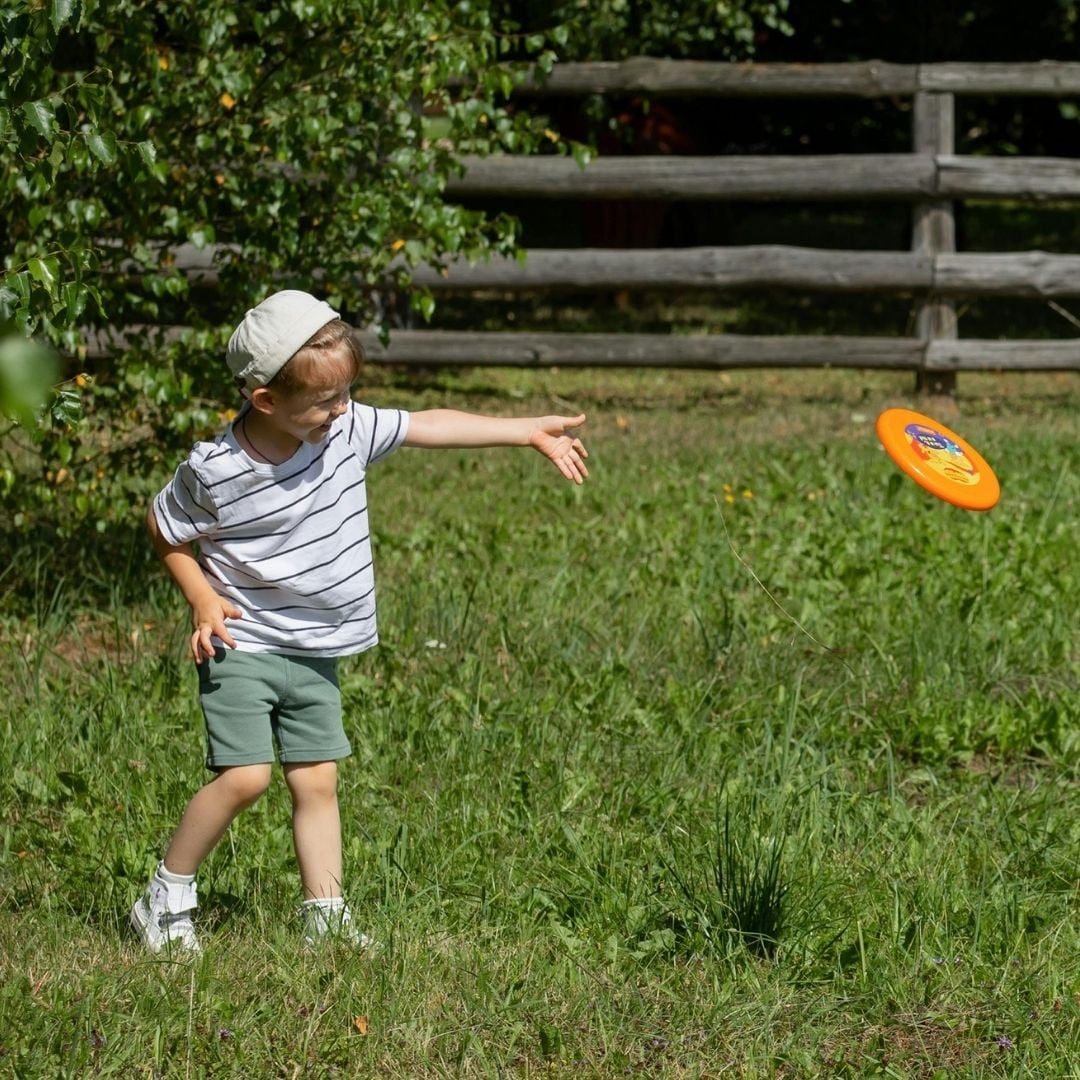
Transform each drinking break into a fun ritual! Organize mini-games around filling colorful glasses or invent a fun challenge, like guessing the taste of homemade flavored water blindfolded, after each outdoor session.
Water games such as races with perforated buckets or relays with wet sponges are perfect for discreetly integrating the hydration reflex while maintaining a high level of fun and emotional engagement in younger ones. Water games also have other benefits for your child, discover which ones in our dedicated blog article.
Symbolically rewarding each voluntary intake also reinforces positive behavior in the long term. And yes — even a few drops count!
Outdoor activities: tips to stay hydrated
Preparation before leaving
Before any summer outing – beach, park, or hiking – adopt a solid routine of anticipation:
1️⃣ Prepare several types of drinks (still water + diluted juice)
2️⃣ Choose water-rich fruits (watermelon, cucumber)
3️⃣ Pack a small supply of ORS
4️⃣ Bring a light salty snack to balance sodium/potassium
This phase requires real organization, but guarantees serenity throughout the day!
Managing hydration during activities
During your outdoor excursions? Plan breaks every 30 minutes minimum to systematically offer a few sips. Even if your child refuses at first, gently insist: regularity is better than volume taken at once.
Carefully observe their behavior: sudden slowdown = immediate need for rest + quick rehydration. This dual action effectively prevents any unexpected heat exhaustion thanks to your constant attention and rigorous regularity.
Tips for parents and early childhood professionals
Education and continuous awareness
Training reference adults in daycare centers or preschools today is fundamental. Regularly talking about hydration with children themselves creates a lasting climate of awareness, where everyone becomes an actor in collective well-being.
The real lever? Creating connections between families and educational structures so that this vigilance becomes a true partnership, thus reinforcing all daily efforts.
Tools and resources available
Free apps now allow you to set personalized hydration reminders based on age/weight/activity! They also offer nutritional advice adapted to local climate: a valuable gain in parental autonomy day to day.
Add some printable guides posted on the family fridge or distributed in local health centers... And you have a complete arsenal of help, designed to maximize every small gesture towards more fluidity (and therefore more life)!
Hydration, a summer priority
Remember this: detecting each subtle sign early helps avoid many complications. Adapting practices according to ambient temperature and age is THE key to parental success throughout the hot season!
And now? Make it a daily habit! Create your rituals around the joyful glass of water. Transform each shared moment into a gentle but powerful opportunity... Because maintaining good hydration in your child isn't just a task — it's a profound act of enlightened love.
Sage green and wood bedroom: how to create a natural and soothing space
Children's bed size: the complete guide for healthy and safe sleep
How to decorate your bedroom with healthy materials?