Cleaning wooden furniture: natural tips
Nateo CONCEPT
How to Clean Wood Furniture Naturally
Cleaning wooden furniture without damaging it is often a real challenge. Whether you want to preserve raw wood, waxed furniture, or varnished furniture, the right methods and natural products (black soap, white vinegar, linseed oil) make all the difference. Discover simple and effective tips to restore shine to your furniture while protecting its finish.
How to clean wooden furniture?
To clean wooden furniture without damaging it, first dust it with a soft, dry microfiber cloth, then use a slightly damp cloth soaked in warm soapy water (black soap or Marseille soap). Wipe immediately with a dry cloth to prevent moisture from penetrating the wood.
💡 For stubborn stains, use a mixture of white vinegar and water in small quantities, always followed by quick drying. Avoid abrasive or highly chemical products that can damage the wood or its finish.
How to identify your furniture's wood type
Wooden furniture comes from different species, each with unique properties. You'll find exotic woods like teak, European woods like oak and walnut, or softwoods like pine and beech.
The type of wood influences maintenance methods. Teak, weather-resistant, is suitable for outdoor use, while oak, being harder, is ideal for indoor furniture. Pine, being more porous, reacts differently to moisture.
Wood finishes and their specific maintenance
Finishes protect wood while revealing its beauty. Varnished wood shines and resists water well, waxed wood is soft to touch and easy to refresh, oiled wood penetrates deeply, raw wood stays natural, and lacquered wood offers a glossy finish.
Wooden bunk beds require regular maintenance, just like other furniture.
Finishes determine cleaning methods. For varnish, a damp cloth is sufficient. Wax requires regular dusting and annual refreshing. Oil nourishes deeply. Raw wood tolerates gentle products like black soap. Lacquer, however, requires specific solutions. We will detail the usage techniques later in the article.
💡 Discover here our article on how to maintain a wooden children's bed and increase its lifespan.
Recommended cleaning frequency and routine
Regular maintenance prevents deterioration. Dusting should be done weekly. Wax or oil should be applied every 3 to 6 months depending on use. Specific treatments follow the seasons.
Deep cleaning is necessary when the surface becomes dull or sticky. Stubborn stains appear after several months of use. Lack of care leads to discoloration, cracks, or mold.
Antique furniture requires gentler care to preserve its original appearance.
Don't miss our range of wooden furniture for adults.
Natural and effective products for cleaning wood
Black soap and Marseille soap: benefits and use
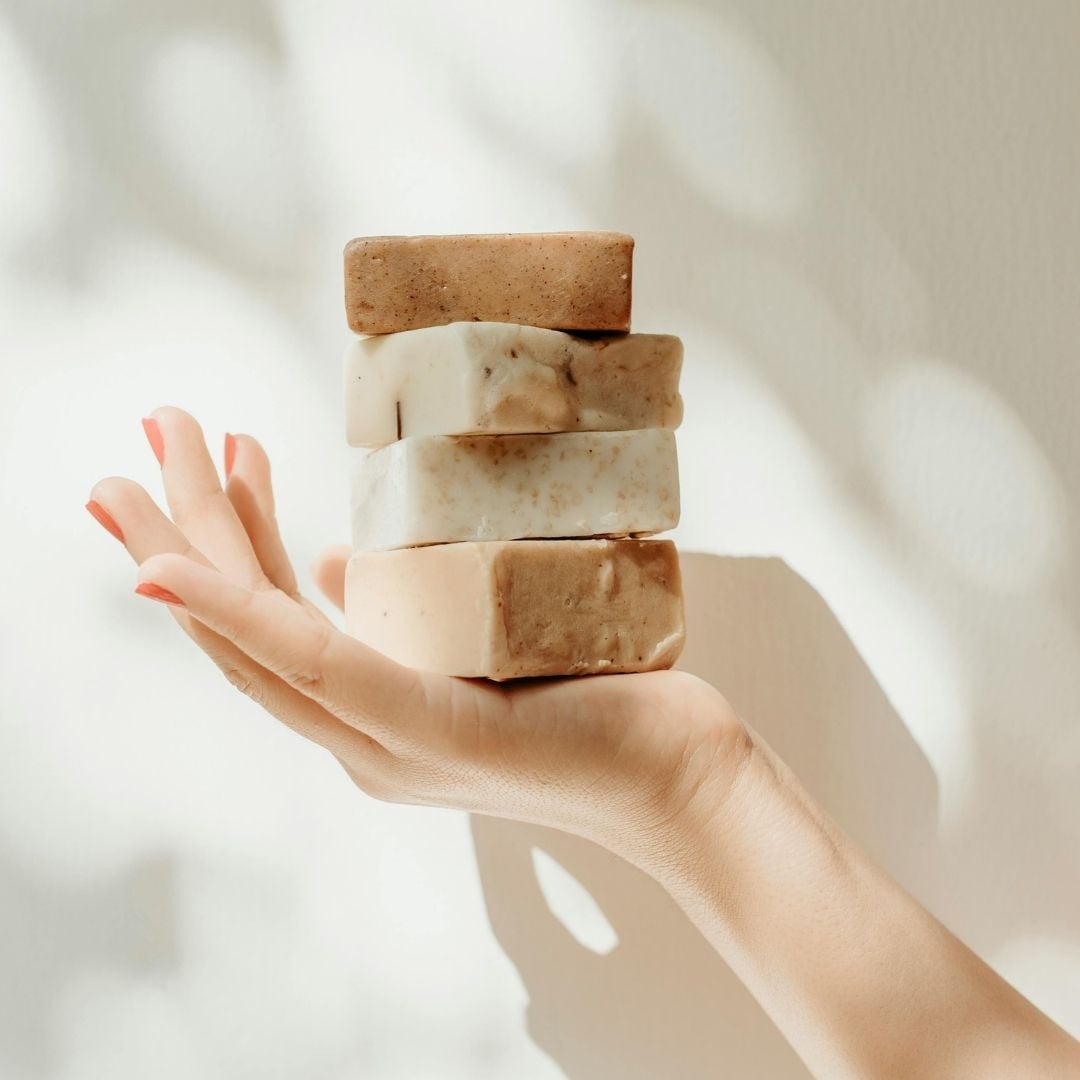
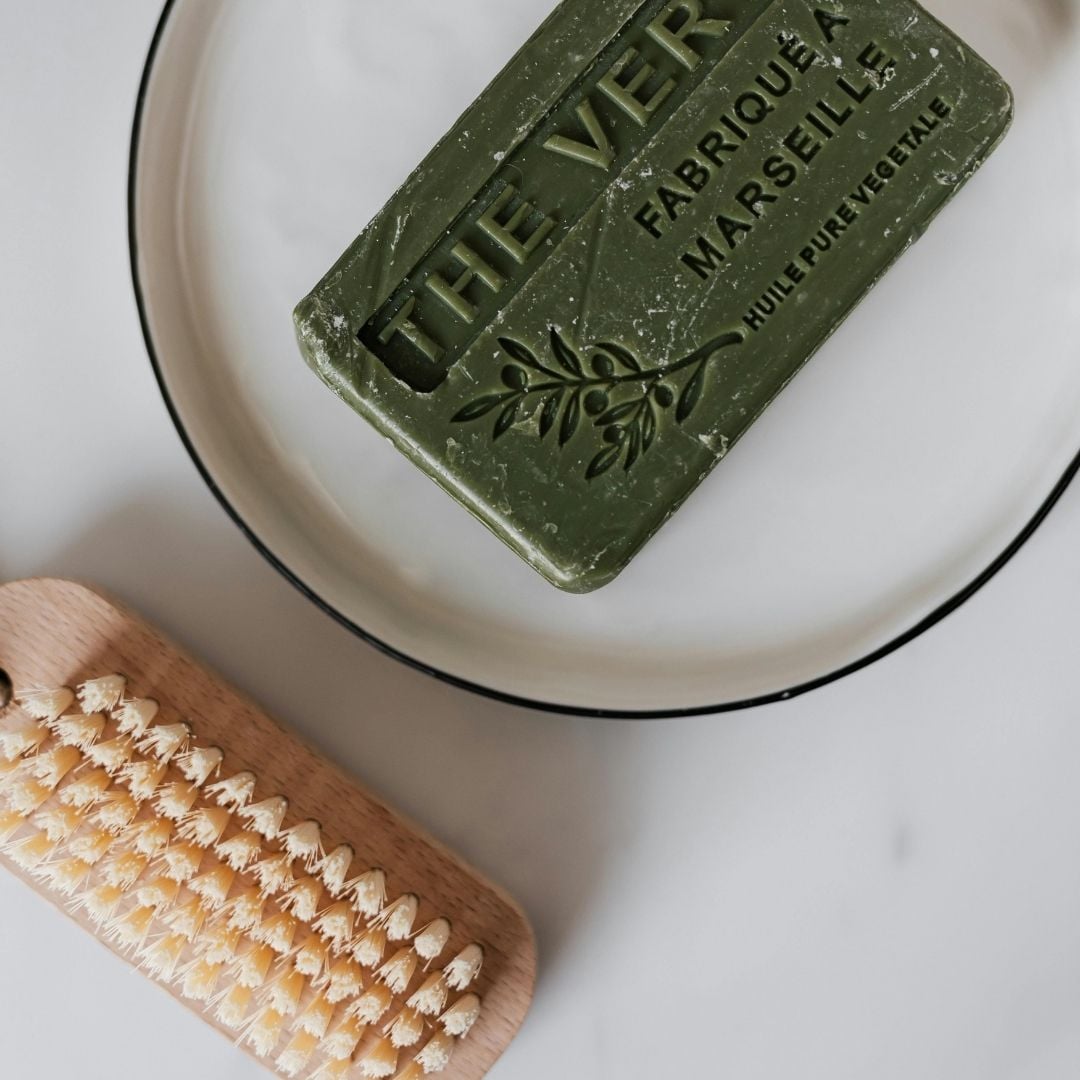
Black soap and Marseille soap are two natural solutions for cleaning wood without harsh products. Their plant-based composition respects wood finishes and species.
Using black soap on varnished, lacquered, or waxed wood: apply a drop on a non-abrasive sponge, rub in the direction of the grain, no need to rinse
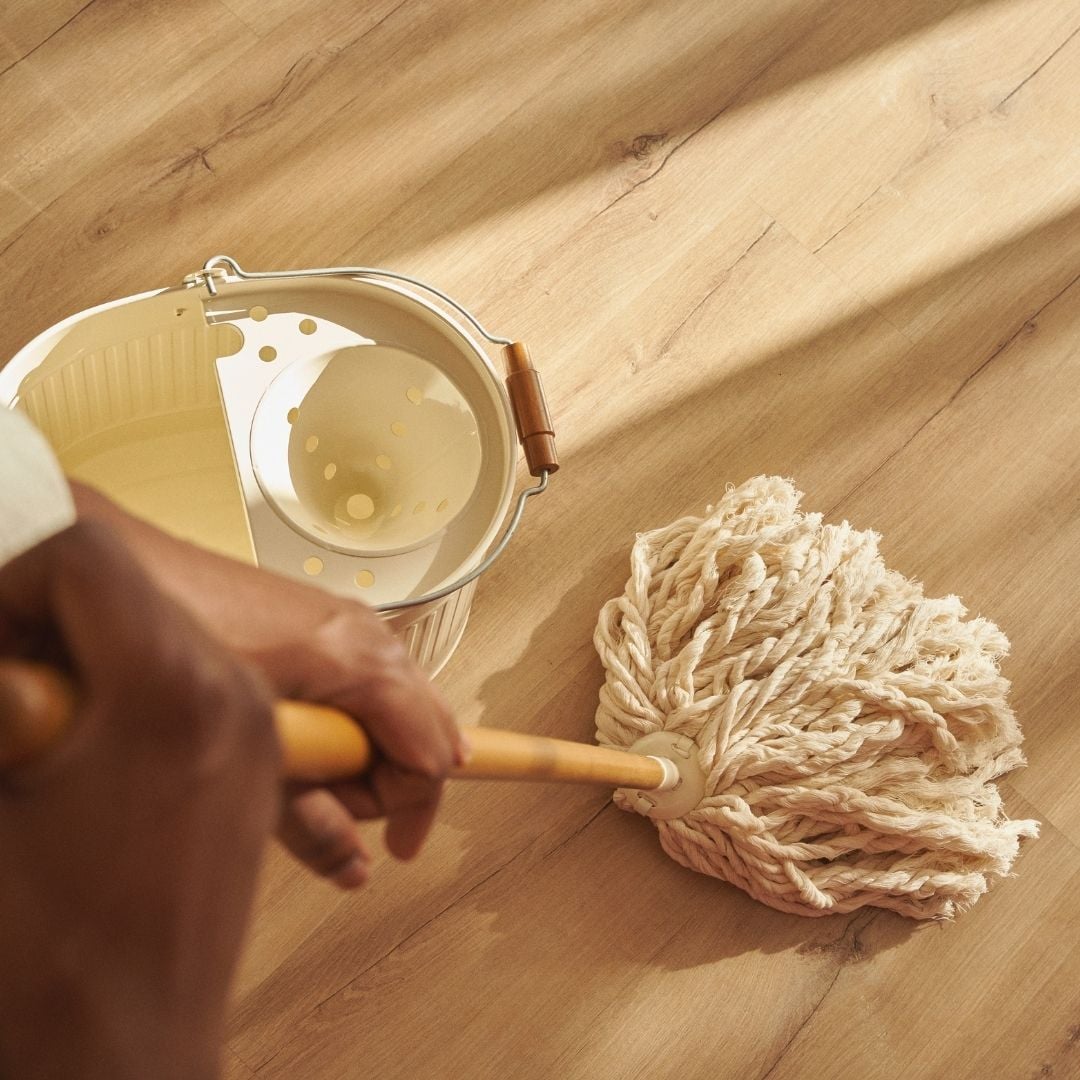
Clean a wooden floor with black soap: dilute one glass in 5L of water, use a soft mop, dry without rinsing
Prepare a solution for wooden stairs: mix 2 to 3 spoonfuls of black soap, 5L of warm water and a few drops of white vinegar, clean in the direction of the grain, rinse with clean water and dry
Using Marseille soap: dilute in warm water, apply with a soft cloth in circular motions, rinse lightly and dry immediately
Maintaining a wooden deck: pour 10 spoonfuls of black soap into 10L of hot water, brush with a stiff broom in the direction of the slats, rinse thoroughly
These methods help remove dirt while preserving the natural shine of the wood, using biodegradable and economical products.
For varnished or oiled surfaces, black soap is perfect. It can be applied pure or diluted depending on how dirty the surface is. Marseille soap is ideal for painted or waxed wood. Its degreasing action removes sticky residue without damaging the surface.
White vinegar, baking soda and talc: usage tips
White vinegar, baking soda and talc offer eco-friendly solutions for wood maintenance. Their degreasing and disinfecting powers adapt to many common situations.
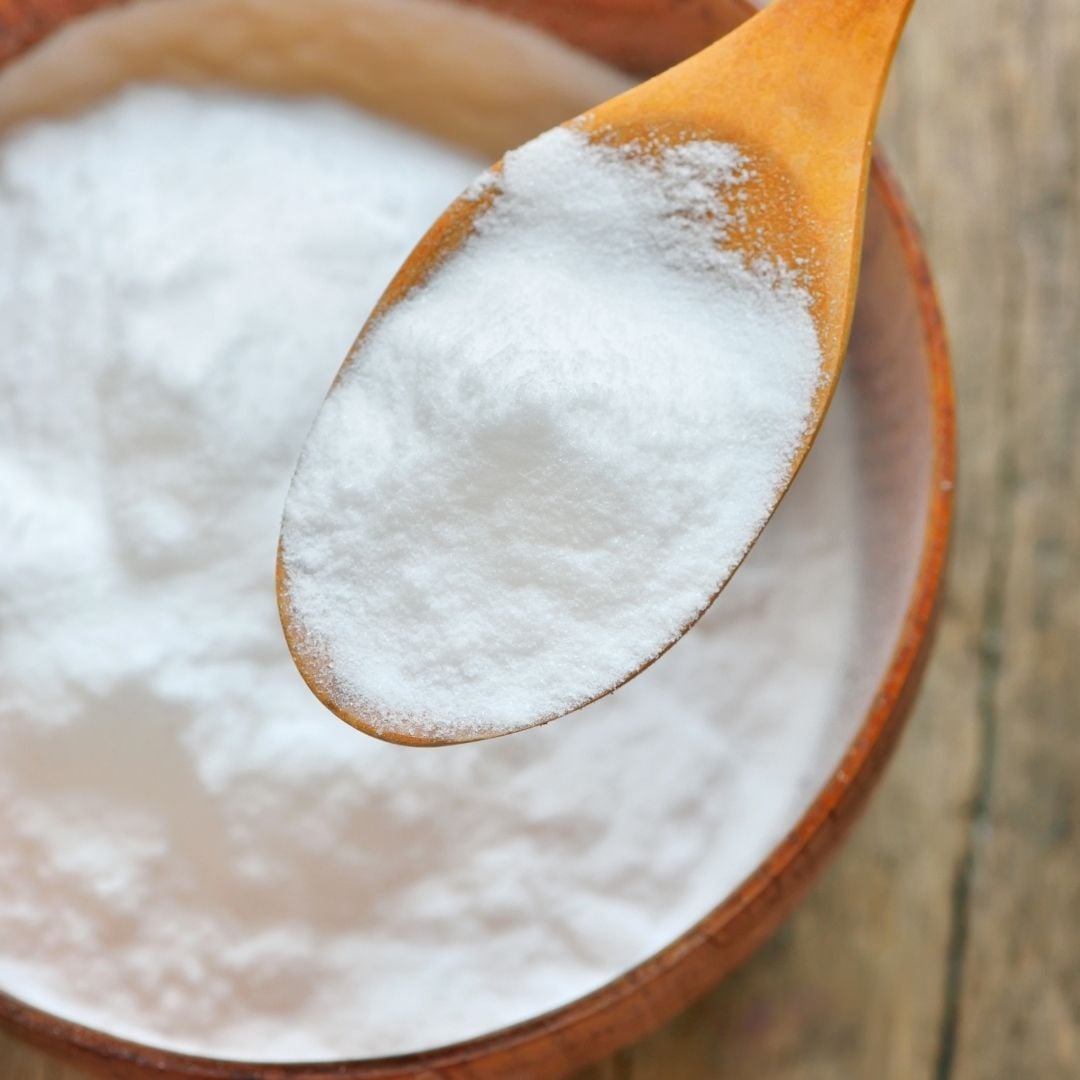
For water stains, a solution of white vinegar diluted in warm water will remove the marks. Baking soda removes ingrained dirt by gently rubbing with a damp cloth. Talc, sprinkled on a dry cloth, removes grease marks on waxed wood.
Natural oils to nourish and protect wood
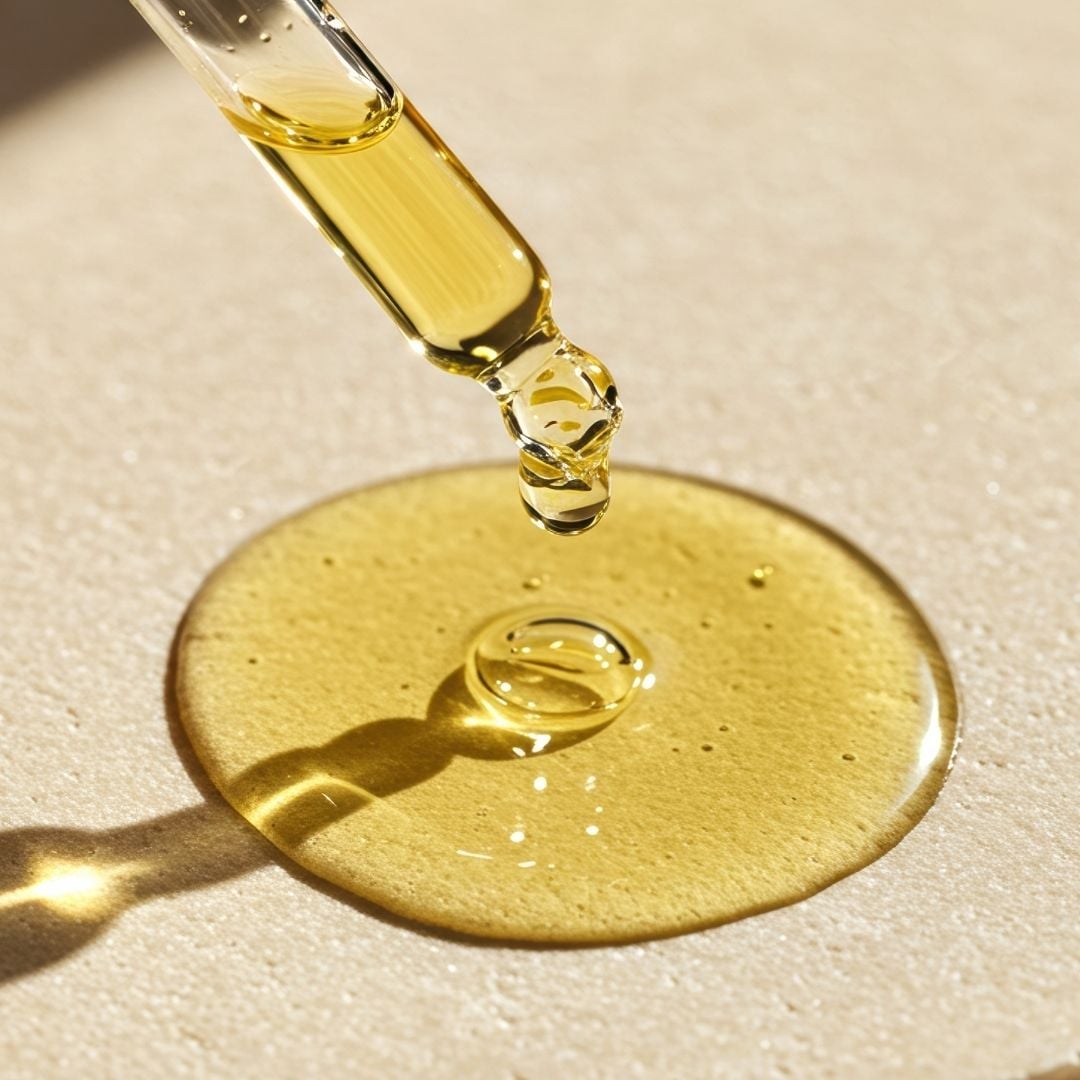
Linseed oil, olive oil, and teak oil protect wood after cleaning. Each has specific qualities depending on the type of wood and furniture use.
- Linseed oil penetrates deeply to nourish raw and oiled wood.
- Olive oil is suitable for softwoods like pine.
- Teak oil is reserved for exotic woods.
Apply the chosen oil with a brush in the direction of the grain, let it dry for 12 to 24 hours, then wipe off the excess.
Cleaning techniques for specific problems
Restoring shine to dull wood
Wooden furniture becomes dull due to light exposure, dust, and wear. Varnish erodes, oil dries out, wax accumulates in dull craters.
- Waxed wood: apply a layer of melted wax with a soft cloth
- Varnished wood: spray a mixture of water and white vinegar, wipe with a microfiber cloth
- Oiled wood: nourish with linseed oil, let it penetrate for 24h then wipe off excess
- Raw wood: brush in the direction of the grain with a soft brush to revive the natural color
The final polishing is done with a cotton cloth or chamois leather in circular motions. For varnished surfaces, a warm iron over a protective cloth maintains shine without harsh products.
Removing stubborn stains from wood
Water stains form white rings on waxed wood or dark marks on the wood itself. Grease marks penetrate the pores of soft wood. Ink leaves permanent marks, while alcohol dulls varnished finishes.
- For water rings on waxed wood, gently rub with antique wax and very fine steel wool. Grease stains can be absorbed with talcum powder or Fuller's earth.
- Ink can be removed by rubbing with half a lemon.
- For alcohol stains, use a cloth soaked in turpentine.
Treating neglected or heavily soiled wooden furniture
Heavily soiled furniture shows a compact layer of dust and ingrained stains. First clean with a damp cloth soaked in soapy water, then apply a diluted white vinegar solution to dissolve the grime.
For antique furniture, avoid standing water that can make wood swell. Instead, use a slightly damp cloth to dust, then apply diluted black soap. Finish with a nourishing wax to preserve the wood's soul without damaging its surface.
Understanding the type of wood, choosing natural products like black soap or white vinegar, and acting quickly on stains ensure safe cleaning for your furniture. Apply these methods to preserve their shine and durability. Your efforts provide a lasting heritage to cherish tomorrow.
Sage green and wood bedroom: how to create a natural and soothing space
Children's bed size: the complete guide for healthy and safe sleep
How to decorate your bedroom with healthy materials?