Nateo CONCEPT
Repainting according to wood type
Dream of giving new life to wooden furniture without risking unpleasant surprises? Discover how to repaint wooden furniture according to its species for a durable and aesthetic result. Practical advice and tips adapted to common species (oak, beech, pine) await you to transform your projects into success.
The 4 main steps to know for repainting your wooden furniture
Here are the 4 steps to know for repainting wooden furniture in general:
1) Combine wood filler and putty to fill holes and cracks. Let dry before sanding to unify the surface and avoid visible defects.
2) Remove all dust with a vacuum and damp cloth. A clean surface ensures optimal adhesion and flawless finish.
3) Apply a primer suitable for the wood species (blocking for oak, insulating for beech). It enhances adhesion and protects against tannin or resin bleeding.
4) Allow 6 to 12 hours drying time between each step. Check that the surface is dry and at room temperature to avoid blistering or peeling.
We will now analyze the different specificities and distinctions to know according to the wood species of the furniture you wish to repaint.
The importance of wood species for successful makeover
Wood species influences preparation and paint type needed. Oak tannins, pine resin, or beech fineness require adapted solutions for a durable and aesthetic result.
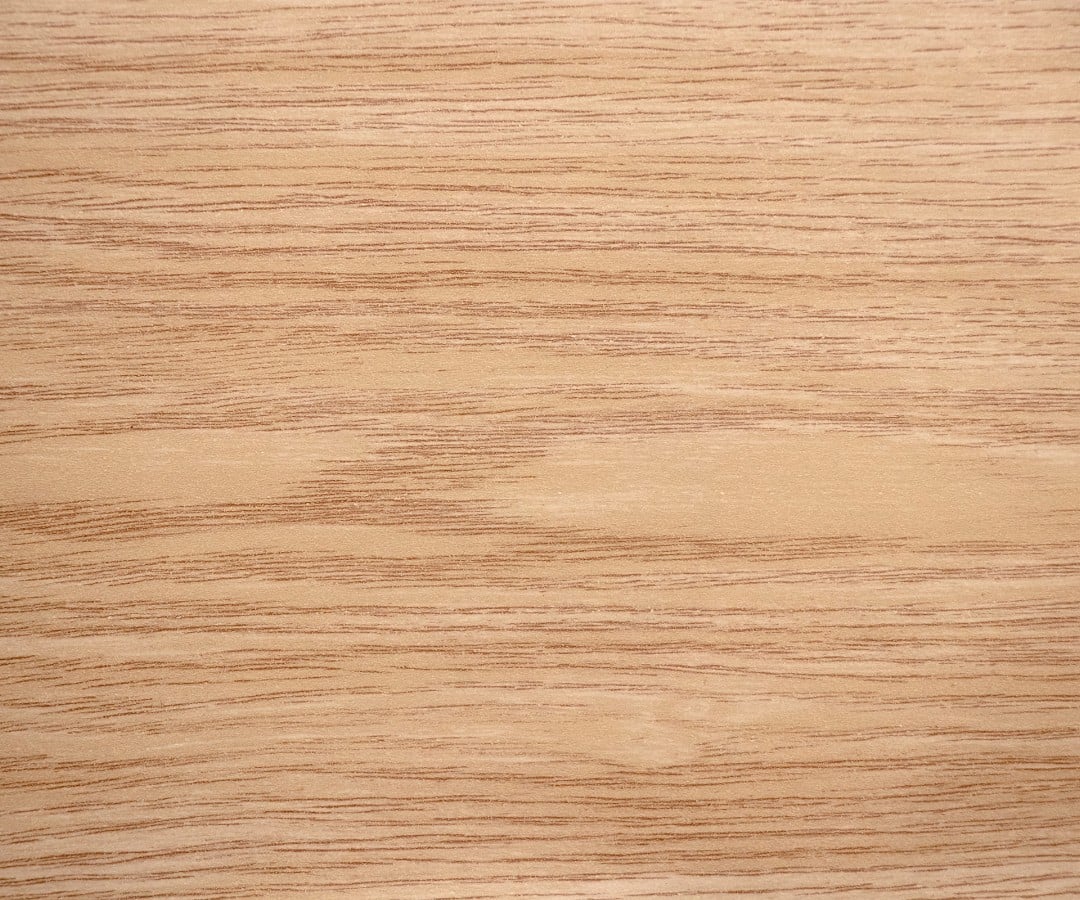
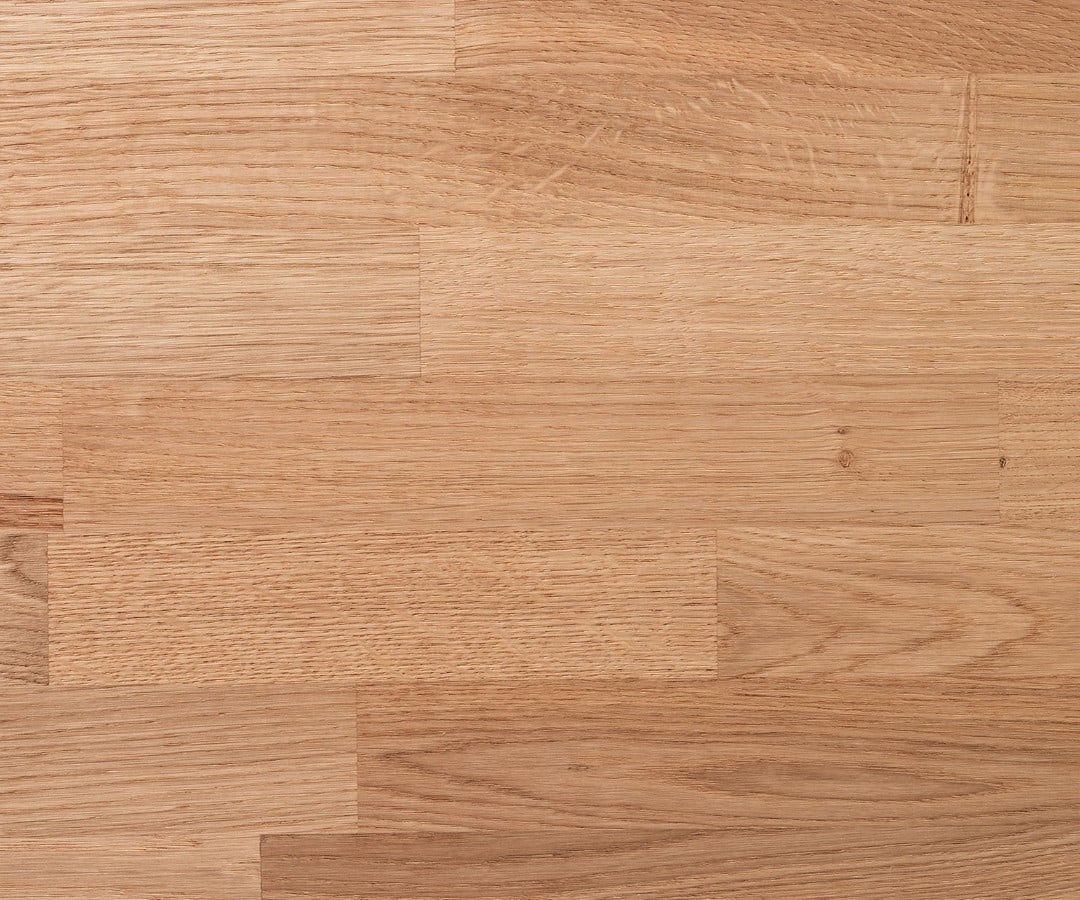
Oak contains tannins which, in presence of moisture, cause stains. A specific primer is necessary to prevent bleeding and ensure uniform finish.
Beech, with fine grain, can yellow under UV effects. Appropriate protection, like UV-resistant varnish, preserves its clarity and prevents premature darkening.
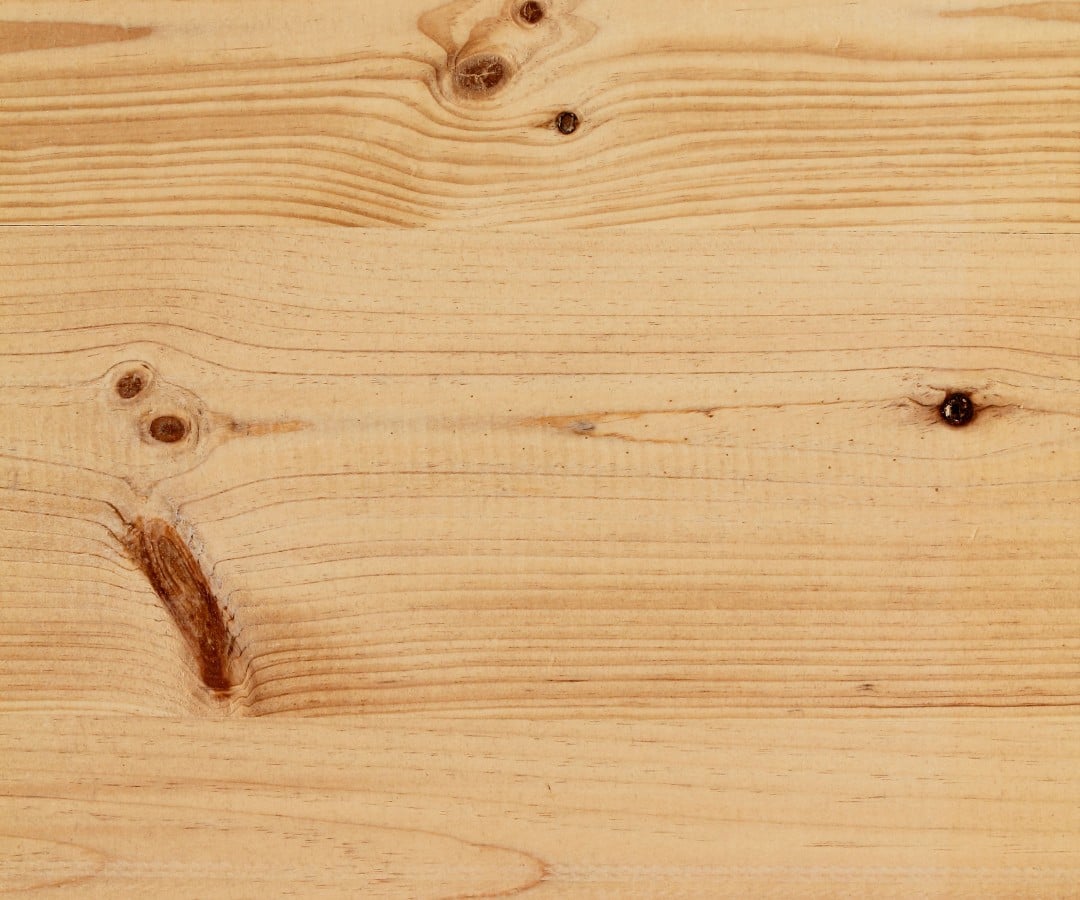
Pine knots exude resin, especially under heat. Heat them, remove excess with alcohol, then apply blocking primer to prevent stains.
What type of paint is needed according to wood species?
| Wood species | Recommended paint type | Specific characteristics |
|---|---|---|
| Exotic woods (e.g. teak) | Acrylic paint | Naturally oily and anti-drying requiring special primer. Acrylic (water-based) paints are preferred for better compatibility. |
| Oak | All exterior paints | Versatile hardwood. Compatible with acrylic, oil-based, and alkyd paints. Use specific primer to block tannins. |
| Beech | Acrylic or alkyd paint | Light wood with fine grain, sensitive to yellowing. Prefer an insulating primer and matte finishes to preserve its delicacy. |
| Pine | Oil-based or alkyd paint | Resinous wood with knots requiring pre-treatment. Use a blocking primer for resins and progressive sanding (60-80 then 180-220 grit). |
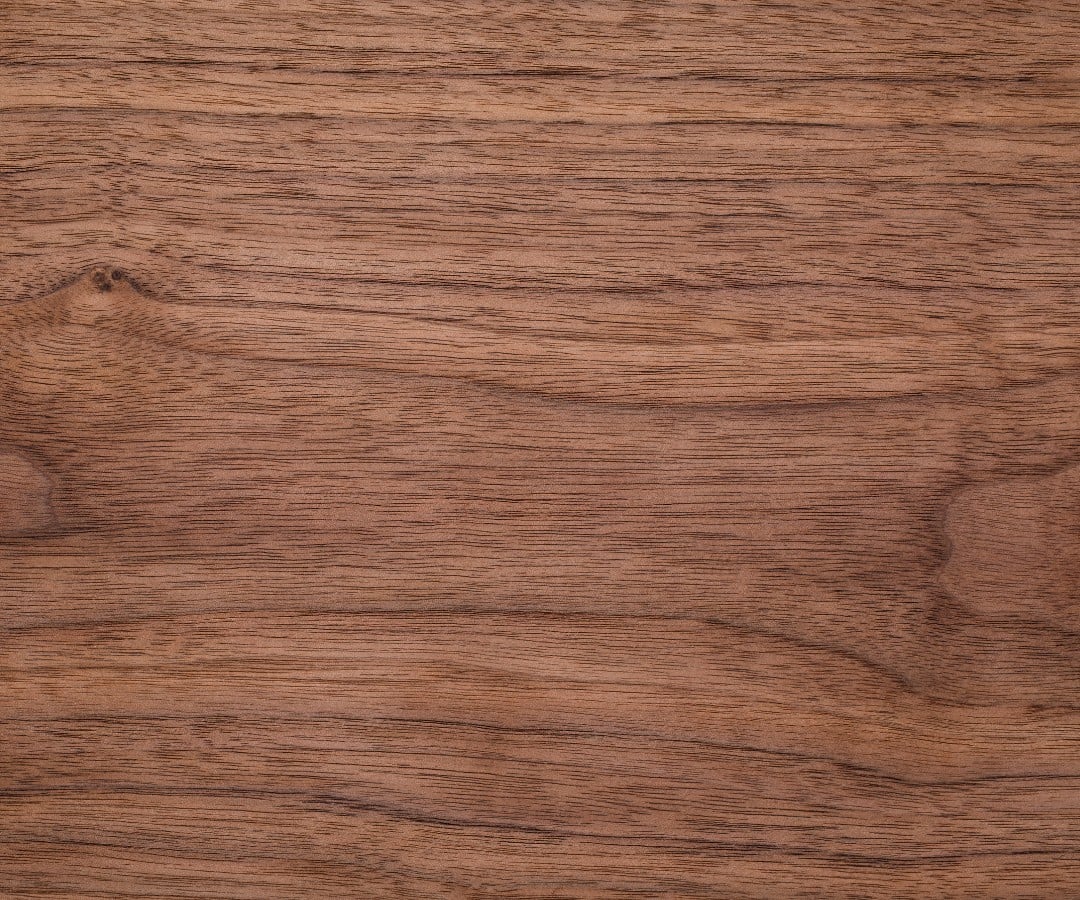
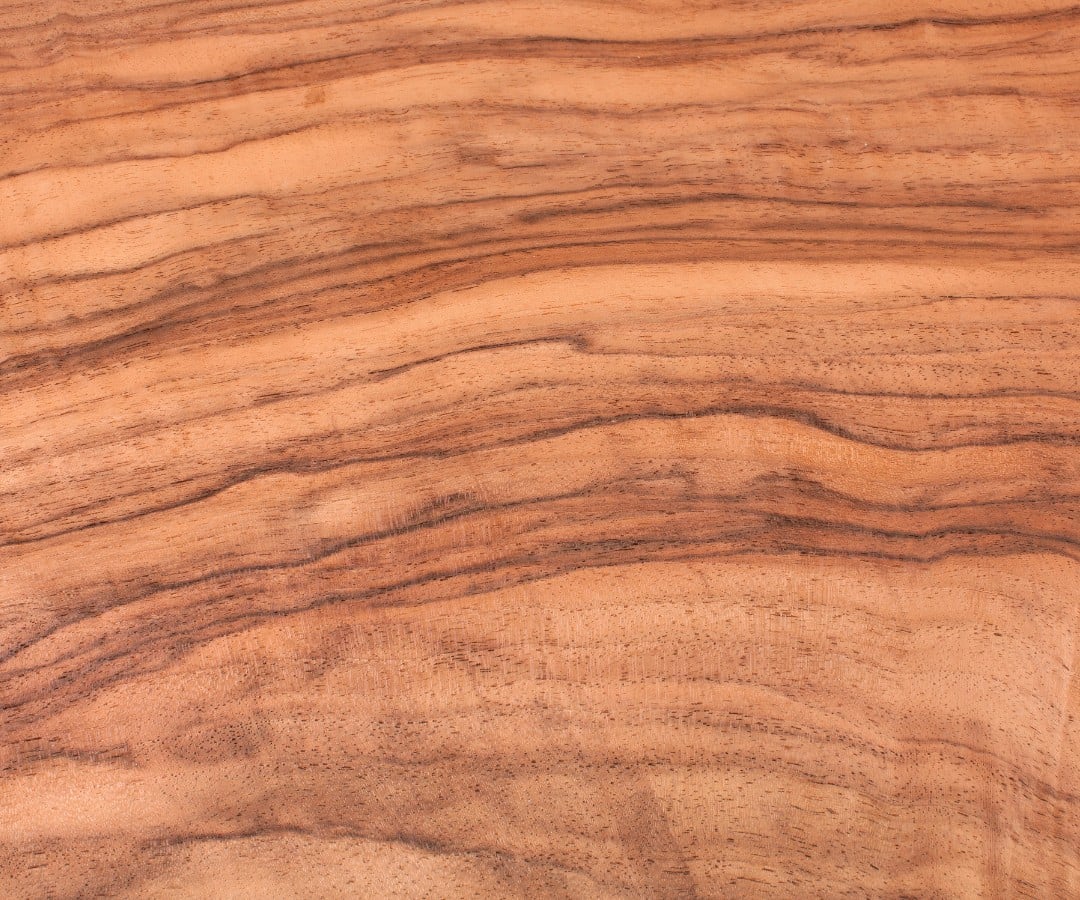
| Walnut | Satin or chalk paint | Dark wood with pronounced grain. Prefer translucent primers and light finishes to enhance noble grain. |
Wood density affects its absorption. Denser species, like oak, require specific preparation for optimal adhesion, unlike lighter woods.
Grain influences the final appearance. Pronounced grain absorbs more paint, while fine grain offers a smooth finish. Adapt the technique according to wood texture.
Useful equipment before repainting your wooden furniture
Clean the furniture with a soft cloth and diluted black soap. Avoid harsh products to preserve wood integrity and ensure good paint adhesion.
- Large flat brush: for covering wide, flat surfaces, prefer synthetic bristles for water-based paint or silk for varnishes.
- Foam roller: ideal for a smooth finish without brush marks, but often requires two coats for optimal opacity.
- Small detail brush: essential for detailed areas like moldings, feet, or hard-to-reach angles.
💡 For more information on tips for cleaning wooden furniture, check out our dedicated Nateo Concept article
Adapt sandpaper grit (60-80 for rough sanding, 180-220 for final smoothing). Always sand in the direction of the grain to avoid scratches.
- Painter's tape: protects areas not to be painted (metal, already varnished areas) and ensures clean edges.
- Measuring spoons: for precise paint or mixture dosing (e.g. chalk paint) without waste.
Protective gloves: vinyl or nitrile to avoid stains and maintain safety during application.
Specific techniques according to wood species
Repainting oak
Use a blocking primer for oak. It prevents tannins from bleeding through the paint. Apply two coats to avoid yellow or green stains under the finish.
Sand oak with 60-80 grit initially, then finish with 180-240. Work in the direction of the grain to avoid scratches and ensure optimal smoothing.
Repainting beech
Protect beech with a transparent finish. An insulating primer limits yellowing. Avoid oily products to preserve its clarity and fine grain.
Repainting pine
Treat pine knots with a wood stabilizer. Seal them with a special primer before painting to block resin and prevent stains.
Repainting walnut
Enhance walnut grain with a light stain or oil. Gentle preparation (fine sanding, dusting) preserves its noble appearance under the paint.
Repainting exotic woods
Prepare exotic woods by degreasing the surface. Light sanding and an appropriate primer improve adhesion on these dense and oily species.
Paint selection and application techniques
| Wood species | Recommended paint type | Specific characteristics |
|---|---|---|
| Exotic woods (e.g. teak) | Acrylic paint | Naturally oily and anti-drying requiring special primer. Acrylic (water-based) paints are preferred for better compatibility. |
| Oak | All exterior paints | Versatile hardwood. Compatible with acrylic, oil-based, and alkyd paints. Use specific primer to block tannins. |
| Beech | Acrylic or alkyd paint | Light wood with fine grain, sensitive to yellowing. Prefer an insulating primer and matte finishes to preserve its delicacy. |
| Pine | Oil-based or alkyd paint | Resinous wood with knots requiring pre-treatment. Use a blocking primer for resins and progressive sanding (60-80 then 180-220 grit). |
| Walnut | Satin or chalk paint | Dark wood with pronounced grain. Prefer translucent primers and light finishes to enhance noble grain. |
- Choose acrylic paints for their low odor and quick drying time. They suit all woods, allow the material to breathe, and resist UV without yellowing.
- Choose oil-based paints for humid areas (kitchen, bathroom) or outdoor furniture. They resist impacts, scratches, and fungi, but require ventilation during application.
- Use chalk paint for a shabby chic style. It adheres well to raw wood and allows a patinated effect by lightly sanding the edges after drying.
- Apply paint with brush in the direction of the grain. Use thin coats and light sanding between each coat to avoid marks and ensure uniform smoothing.
Use a mohair roller for large surfaces. Load it moderately and apply paint in crossed passes to limit air bubbles.
Plan for two finish coats after a primer. Very porous woods or dark colors may require a third coat for a uniform and lasting finish.
Finishes and protection of repainted furniture
Apply varnish to strengthen furniture resistance to impacts and stains. Choose water-based varnish for moderate use (oak, beech) and solvent-based varnish for humid or high-traffic areas like kitchen or bathroom.
Repainting wooden furniture according to its species requires understanding its specificities, adapting preparation (sanding, primer) and choosing eco-friendly paint for a lasting finish. Transform your furniture today with Made in France solutions, combining safety and aesthetics, for an interior where every detail tells your commitment.
Sage green and wood bedroom: how to create a natural and soothing space
Children's bed size: the complete guide for healthy and safe sleep
How to decorate your bedroom with healthy materials?