Exercise and pregnancy: keys to moving safely

- Categories : Tips

Nateo CONCEPT

Pregnancy & sport: moving safely

Are you wondering if maintaining physical activity is compatible with your baby's safety? This comprehensive article on sport and pregnancy details the official recommendations for moving safely throughout your maternity journey. Discover adapted exercises to relieve your pain, control your weight gain, and promote quick recovery after your child's arrival.

Moving while pregnant: the real benefits and golden rules

Why your body will thank you

No more restless nights and roller-coaster moods. Physical activity stabilizes your mood and regulates weight gain. It's the secret to lasting overall well-being for you and baby.

See these nine months as intensive physical preparation. Moving concretely prepares your body for the demanding effort of childbirth.

Studies are clear: the benefits far outweigh the misconceptions. Here's why experts recommend maintaining the sport and pregnancy combination during this pivotal period:

  • Reduced risk of gestational diabetes.
  • Better weight gain management.
  • Reduction of lower back pain and swelling.
  • Improved sleep and mood.
  • Physical preparation for delivery and recovery.

The framework to respect: when and how?

Forget Olympic records. The goal is to maintain healthy activity, guided by the "Prescription Guidelines". Like choosing our Nateo Concept baby beds, safety takes priority over performance.

Were you already active? Continue by adapting the intensity. For beginners, start gently, but never without prior medical advice. This is the essential condition to avoid any unnecessary risk.

The golden rule? If you can no longer talk while moving, you're going too hard. The key words remain moderation and self-awareness. Never push to total exhaustion.

Making the right choices: which sports to practice and which to pause?

Now that the basics are established, let's get practical: what do we include in our sports schedule and, most importantly, what do we cross off the list until further notice?

Gentle activities to prioritize

The goal is no longer raw performance, but maintaining adapted and safe physical activity. Above all, we're looking for fluid movement to feel good without taking unnecessary risks.

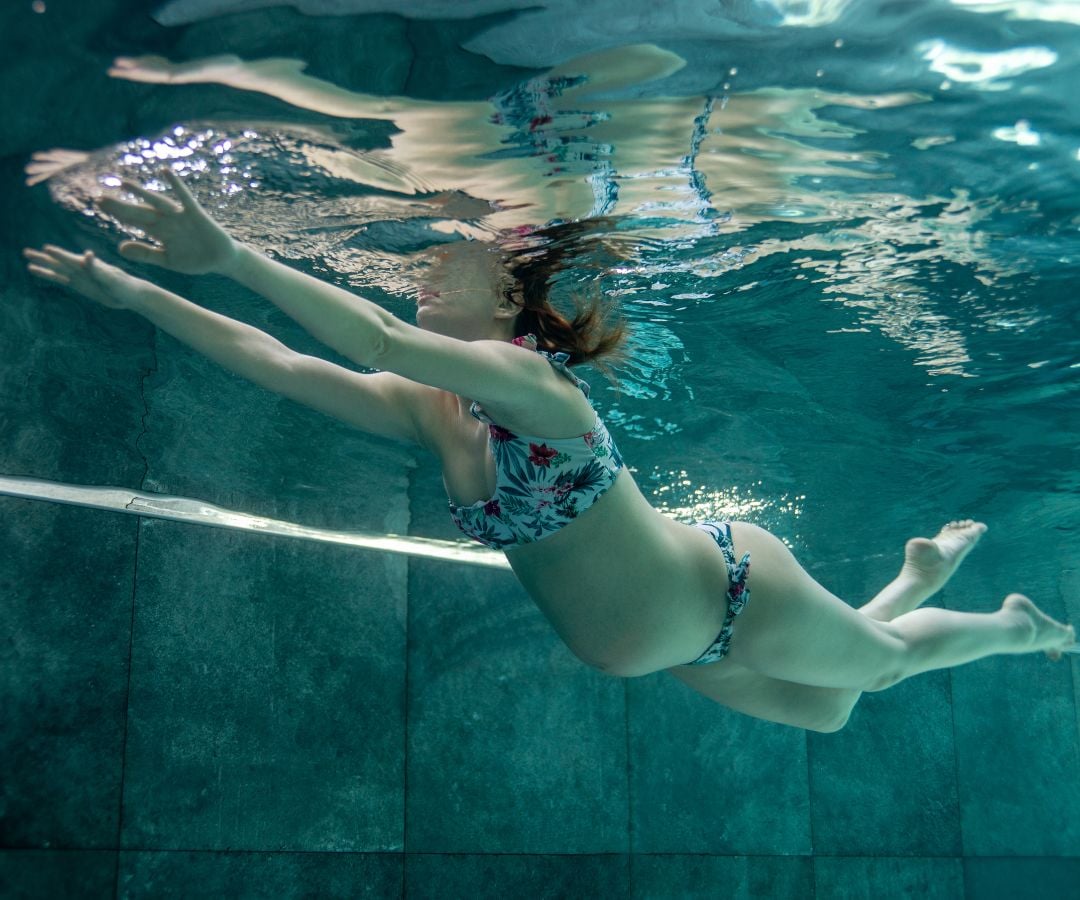
Two activities stand out clearly: walking and swimming. In water, your body feels lighter, instantly relieving your often-heavy joints. On land, walking remains the simplest, free, and remarkably effective solution.

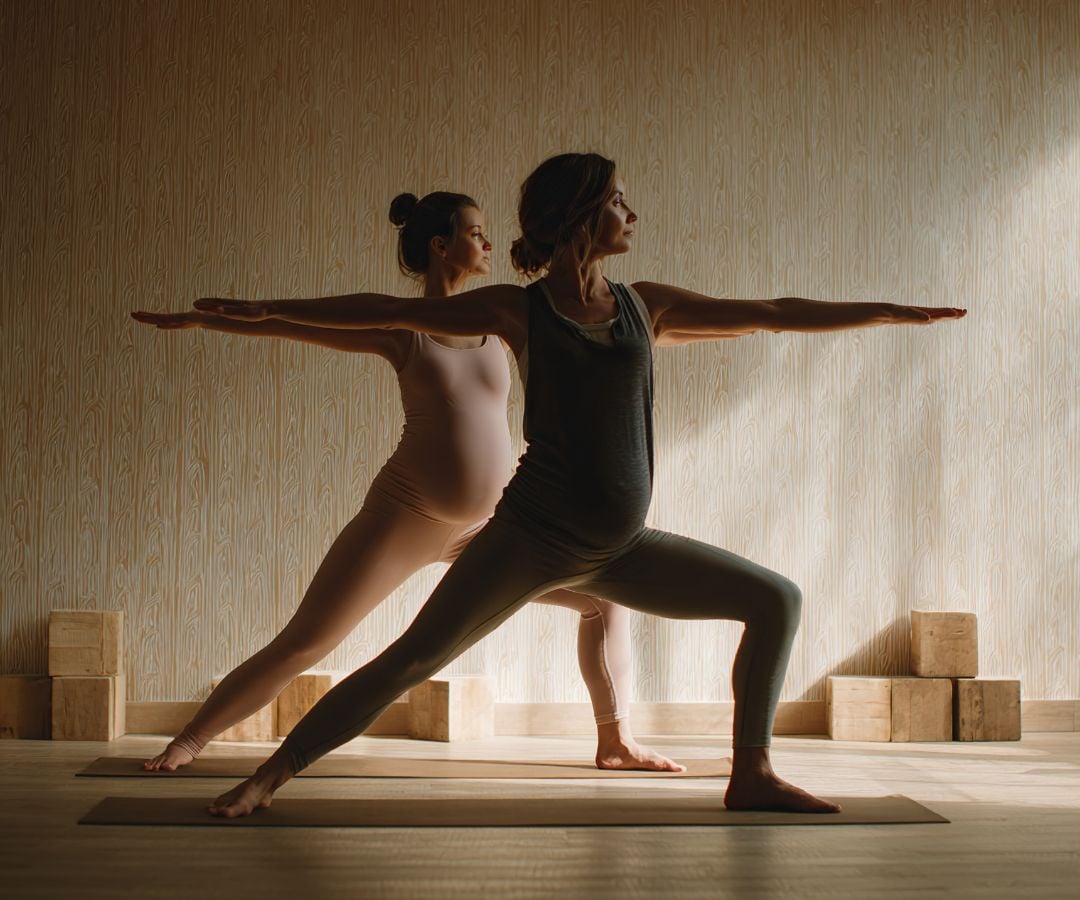
Also seriously consider prenatal yoga and Pilates. These disciplines specifically target posture and breathing while protecting your pelvic floor, a key area to care for during these nine months.

The red list: sports to absolutely avoid

Let's be clear: to ensure your safety and that of your baby, certain practices must be removed from your routine immediately.

This blacklist logically groups activities where the physical danger is far too obvious to ignore. You certainly don't want to take unnecessary risks with the sport and pregnancy combination, do you? Here's what you need to ban:

  • Combat and contact sports (risk of blows).
  • Activities with high risk of falls (skiing, horseback riding, climbing).
  • Team sports with contact.
  • Scuba diving.
  • Activities in overheated environments (hot yoga).

The logic behind these prohibitions is irrefutable: avoid anything involving impacts, falls, and excessive abdominal pressure. Your center of gravity changes, don't tempt fate.

Adapting your practice: adjustments by trimester and movements to reconsider

Knowing how to manage sport and pregnancy is one thing, but knowing how to adapt it as the months progress is what makes all the difference.

The first trimester, a period of vigilance

Early pregnancy is a phase of major internal changes. Fatigue and nausea often dominate expectant mothers' daily lives. The key is listening to your sensations above all.

We recommend reducing intensity rather than stopping abruptly. If you have energy, continue without forcing. If fatigue takes over, rest is the absolute priority.

Hydration is essential to avoid overheating during exercise. This is a period where caution and moderation reign, especially in cases of multiple pregnancies where monitoring is intensified.

Abs, squats: separating fact from fiction

Forget the myth of classic abdominal exercises to stay in shape. "Crunches" should be banned as they increase pressure on the pelvic floor and can worsen diastasis recti.

We suggest safe alternatives to stay active without risk. Working the transverse muscle through hypopressive breathing is ideal. The goal is to support the belly, not compress it dangerously.

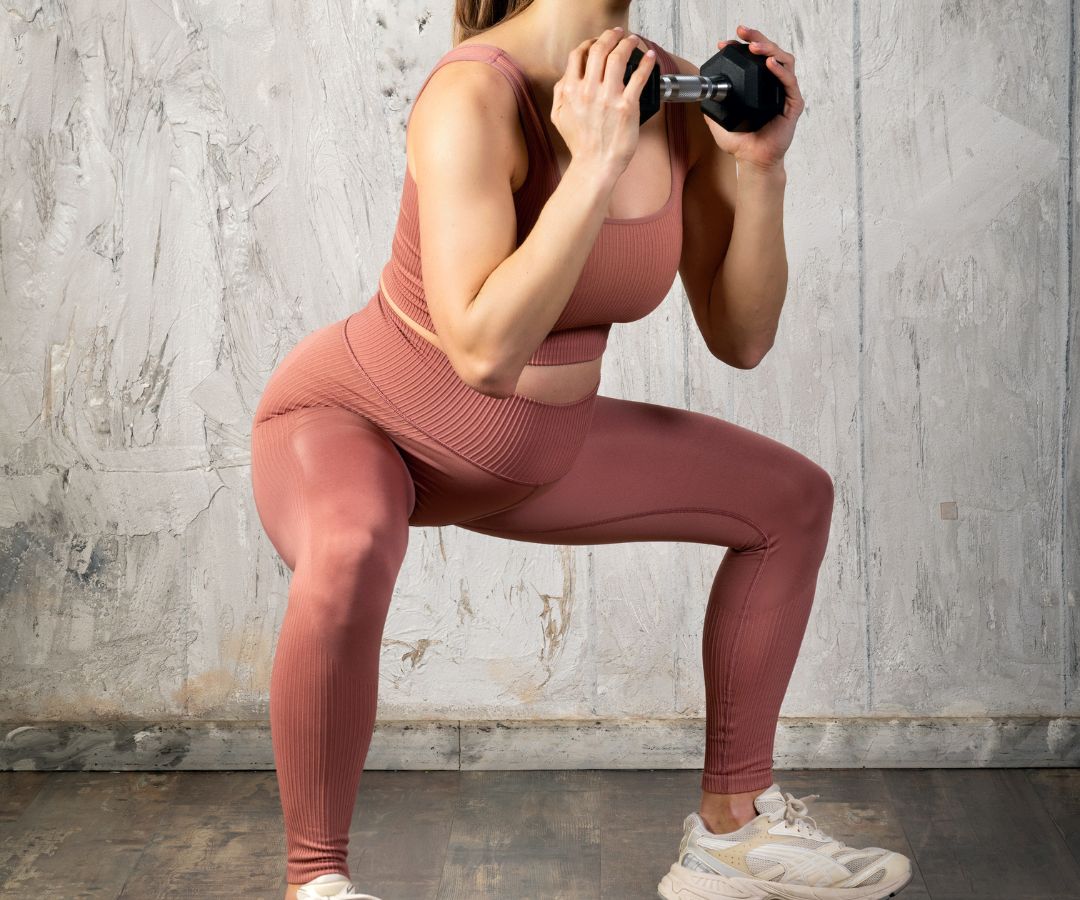
Squats remain excellent for the lower body, provided they're performed with perfect form and without heavy weights.

Warning signs to never ignore

Your body sends clear signals when you need to stop immediately. You simply need to know how to recognize them to avoid complications.

  • Any pain (abdominal, pelvic).
  • Bleeding or fluid loss.
  • Unusual shortness of breath or palpitations.
  • Dizziness, lightheadedness, or headaches.
  • Uterine contractions.

At the slightest alert, stop everything and call your doctor or midwife. Don't take any unnecessary risks.

Preparing for after: how sport helps with postpartum

Moving for nine months isn't just for the present. It's also a real investment for a smoother recovery once baby is in your arms.

Easier recovery on all levels

By maintaining regular activity, your body retains valuable muscle memory. It's a fact: active mothers often recover their physical abilities faster. The link between sport and pregnancy therefore continues well after childbirth.

Don't neglect the psychological impact. Exercise acts as an effective barrier against baby blues, providing an essential breathing space in a daily life suddenly turned upside down by baby's arrival.

However, resuming must remain gentle and gradual, often with simple walks. The golden rule? Always wait for medical approval and completion of pelvic floor rehabilitation.

Anticipating baby's arrival with complete peace of mind

Feeling good gives you the energy needed to handle the mental load of preparations. This physical vitality gives you the strength to create the future cozy nest without exhausting yourself prematurely.

Channel this energy to finalize the nursery before delivery. This significantly reduces stress, especially if you opt for evolving and functional furniture.

👉🏼 Prepare for baby's arrival with our baby nurseries

View this organizational phase as a gentle physical activity in itself. Take advantage of these calm moments to find practical tips for organizing the nursery and optimizing space intelligently.

Maintaining adapted physical activity is a real asset for your well-being and that of your child. By following the official guidelines and listening to your body, you're calmly preparing for post-pregnancy. Don't hesitate to consult your doctor to validate your practice: your health remains the absolute priority.

FAQ

Prioritize gentle activities like walking, swimming, or light gymnastics. They promote oxygenation without depleting your reserves. If you were already athletic, you can continue by reducing intensity and with your doctor's approval. Listen to your body: the goal is well-being, not performance.

Avoid activities with risk of falls or impacts: combat sports, team sports, horseback riding, skiing, diving, or "hot yoga". These practices can be dangerous for the fetus or cause overheating.

As long as you feel well and your doctor approves, you can continue to move until term. However, stop immediately if you experience contractions, bleeding, dizziness, or unusual shortness of breath.

Yes, but not "crunches". Prefer working the transverse muscle through breathing and postural exercises to support the belly and back without pressure on the pelvic floor.

Yes, provided you adapt the positions. Prefer side planks or on your knees, and avoid any excessive tension on the belly.

Absolutely. Perform them with body weight only, back straight, without going too low. Use a chair for support if needed.

Regular runners can jog in the first trimester at moderate pace. From the second trimester onward, it's better to opt for swimming or stationary cycling, which are less demanding on the pelvic floor.

No, moderate physical activity is beneficial: it improves sleep, limits weight gain, and reduces certain risks. Only violent or poorly adapted practices should be avoided.

After the first trimester, avoid lying flat on your back, unstable balancing postures, and any compression of the belly or abrupt twisting.

Discover our baby nurseries