How to dress baby outdoors: best practices
Nateo CONCEPT
Baby Outdoors: Dressing Them Right
Faced with temperature variations, knowing how to dress baby outdoors is essential to ensure their comfort and safety during outings. Between cold, wind, or passing warmth, the choice of clothing should not be improvised. In this article, we explain how to dress baby for outdoor outings according to temperature, detailing the principles of layering and the most suitable fabrics. You will thus have clear guidelines to protect your child long-term, without risk of overheating or discomfort.
Important Details for Dressing Baby Outdoors Properly
To dress baby outdoors properly, check their neck once dressed, it should be warm and dry. Ignore hands and feet, especially protect the head and extremities. Remove all bulky clothing before installing in car seat. The outfit must remain adjustable to adapt to the temperature.
Method for Dressing Baby Outdoors According to Their Needs
After creating a baby's room that is healthy and temperature-controlled, outdoor outings require a different approach. Since weather conditions are more variable, it becomes essential to adapt baby's outfit to their actual needs to preserve their thermal comfort. Dressing baby outdoors properly therefore means adjusting layers and materials according to temperature, wind, and duration of exposure.
Applying Layering to Regulate Body Heat
The golden rule is simple: always add one more layer than your own outfit. If you're comfortable in a sweater, your child needs a bodysuit underneath. This is the shield against the cold.
Adopt the onion technique for optimal management. Start with a bodysuit, add a warm sweater, then finish with a protective coat. This system allows you to adjust the outfit instantly if the wind picks up.
This flexibility prevents the child from sweating during an unexpected indoor passage or in a store.
Checking Thermal Comfort Through Skin Contact
Forget the thermometer, your best indicator remains direct touch. Simply slide two fingers behind their neck to assess the actual temperature. The skin should feel warm to the touch.
Never rely on the coolness of their hands or feet. These extremities are often misleading because peripheral blood circulation is still immature in infants and newborns.
Watch for signs of overheating such as scarlet cheeks or a damp neck.
Textile Configuration Adapted to Winter Temperatures
While the multi-layer method forms the foundation, extreme cold requires increased vigilance for your child's vulnerable areas.
Protecting Extremities and Choosing Insulating Materials
Babies quickly lose heat through their head and limbs. Here are the essentials to prevent this rapid cooling:
- A hat covering the ears well.
- Mittens, ideally attached so you don't lose them.
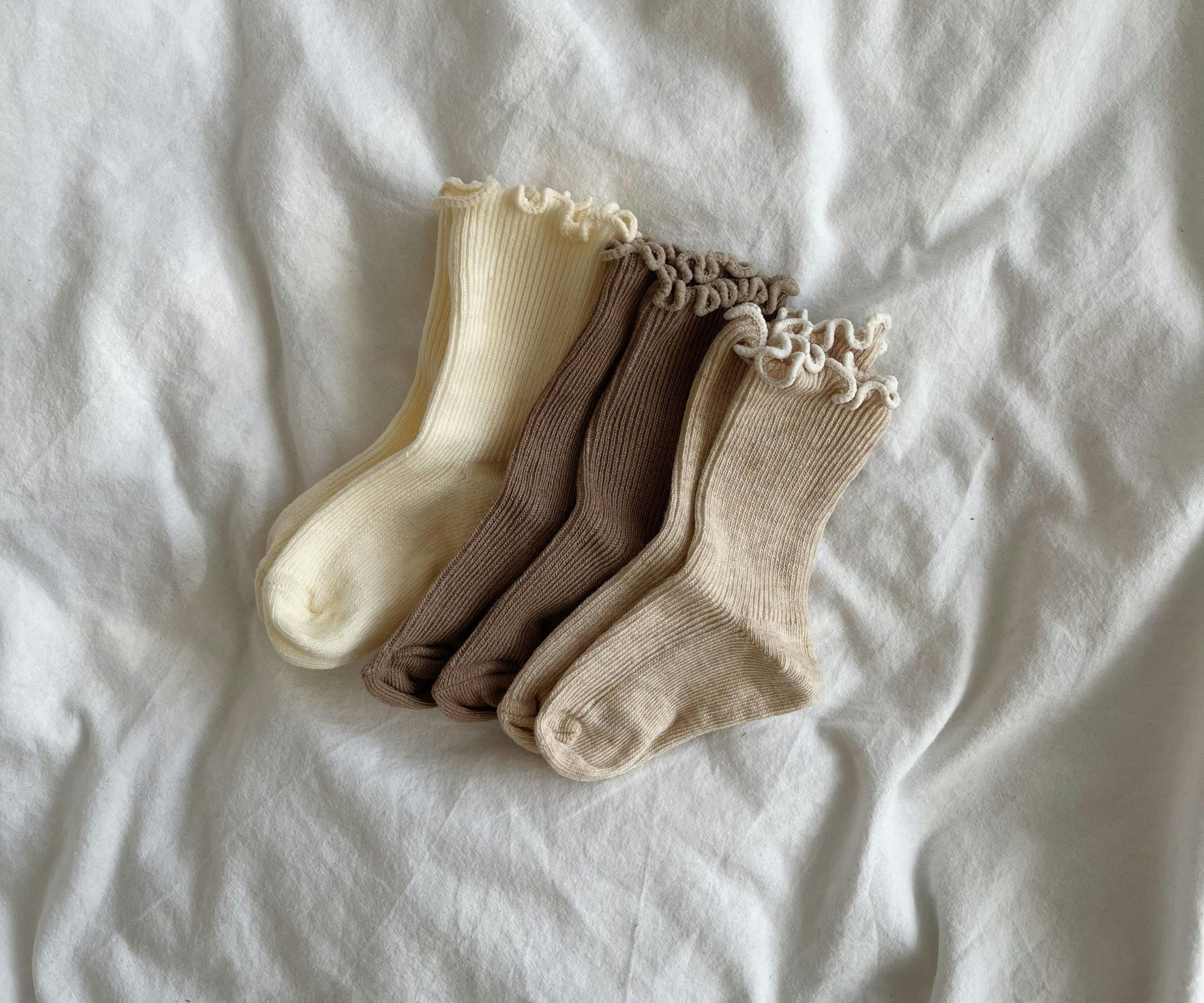
- Thick wool socks.
- Tights worn under pants.
Forget basic synthetics and opt for natural fibers like wool or velvet. These noble materials retain body heat while allowing baby's skin to breathe without excess moisture.
Using Baby Nest and Snowsuit in Stroller
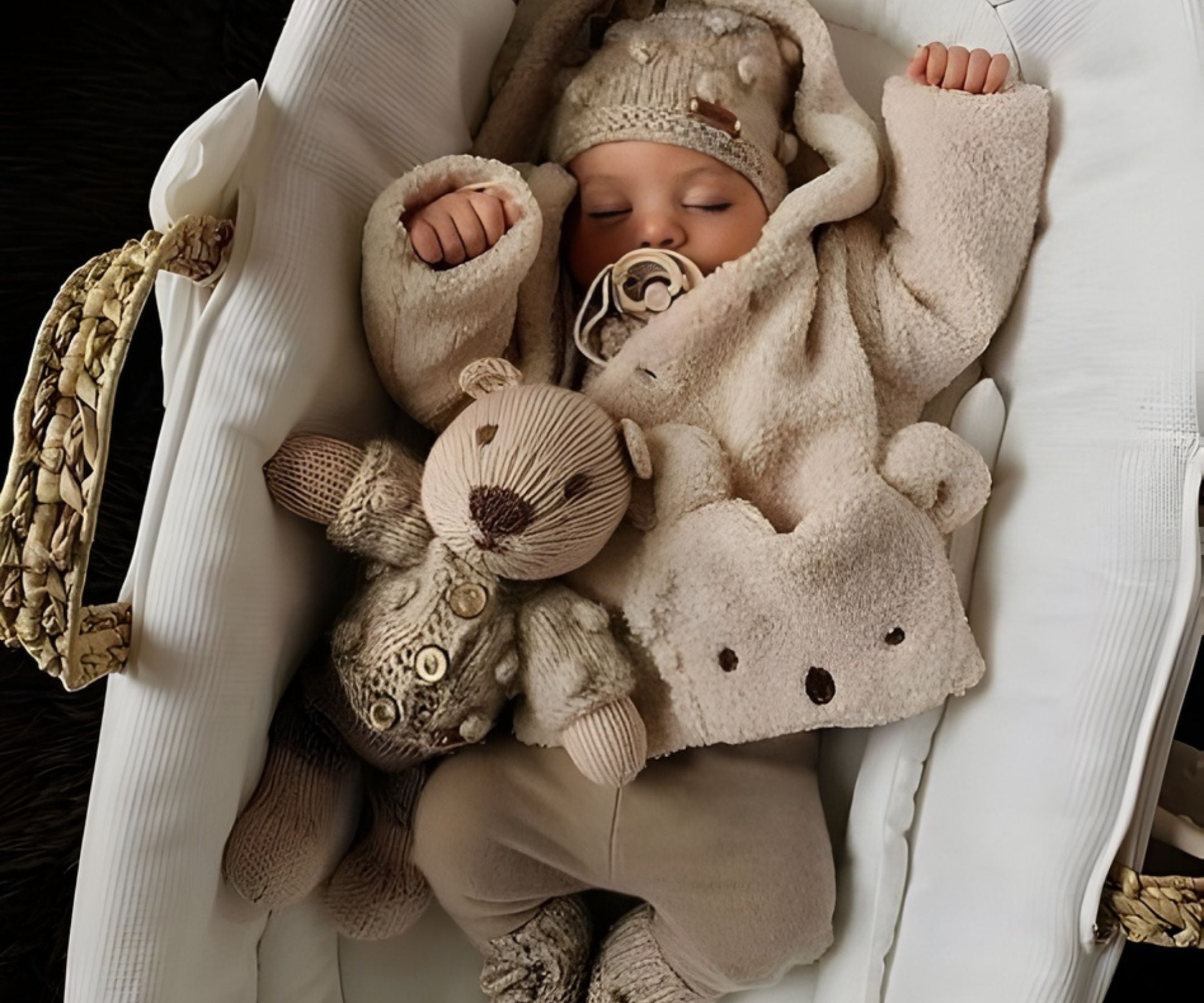
For carried babies, the snowsuit is essential. It completely wraps the body, protecting from icy wind without leaving the slightest gap.
In a stroller, the baby nest offers a cozier alternative. This true cocoon of warmth allows the child to nap outdoors while remaining perfectly bundled up.
Choosing the right equipment can seem complex given weather variations. This comparison table helps you visualize the best option. You'll know exactly what to use to ensure baby's thermal comfort.
| Equipment | Ideal temperature | Recommended use |
|---|---|---|
| Baby nest | 0-10°C | Stroller |
| Snowsuit | <0°C | Babywearing |
| Footmuff | 5-15°C | Long walk |
Selection of Light Outfits for Hot Weather
Highlighting Natural Fibers for Skin Breathability
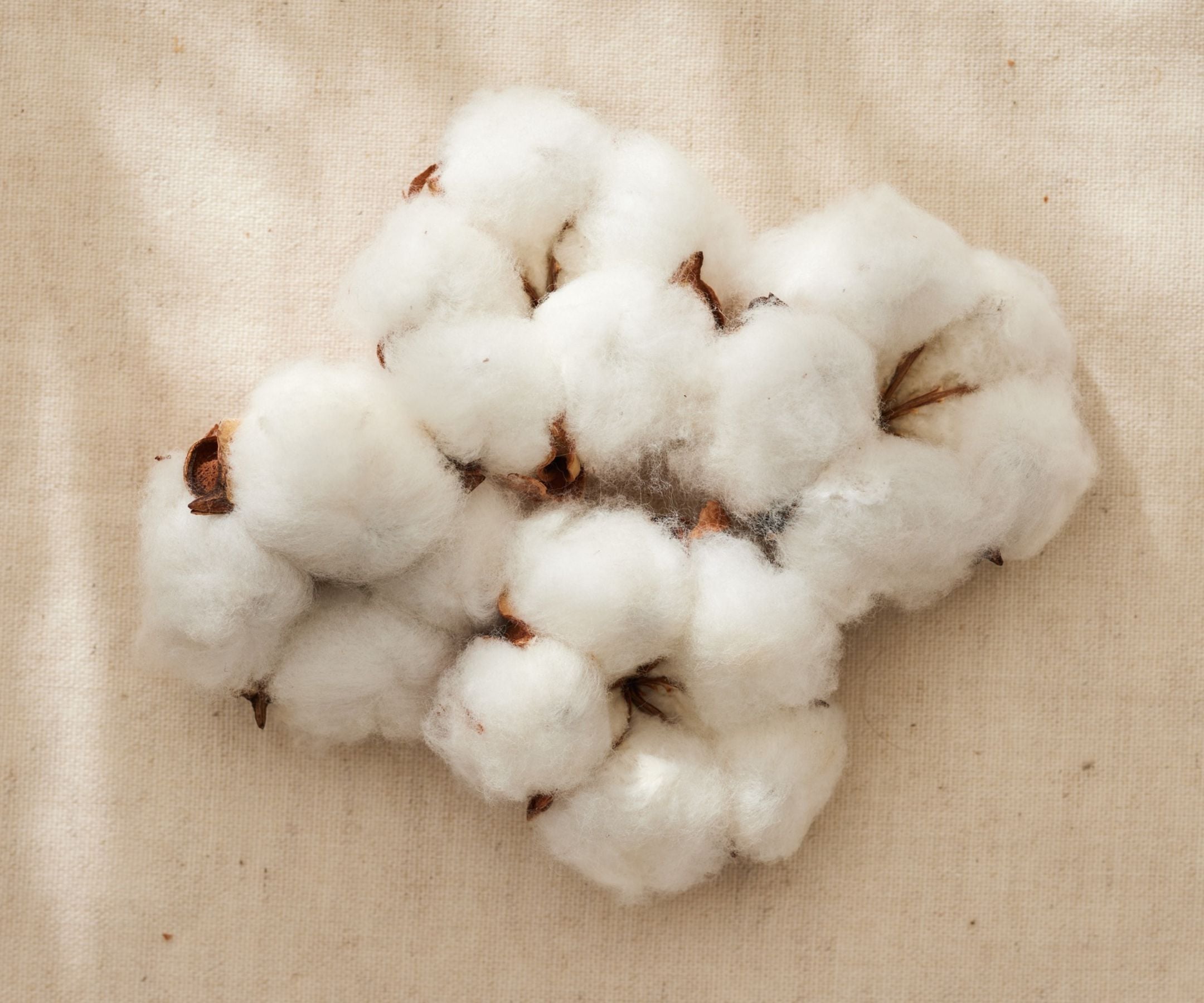
Forget synthetics that suffocate the skin. Organic cotton or linen are your best technical allies. These fabrics are perfect for absorbing moisture and preventing irritation.
The cut is just as crucial as the material for thermal comfort. Emphasize loose cuts. Air must be able to circulate freely around baby's body to maintain a stable and pleasant temperature, thus avoiding the greenhouse effect.
Avoid dark colors that trap heat. Recommending light colors is a golden rule. White or beige reflect sunlight instead of absorbing it.
Essential Accessories for Effective Sun Protection
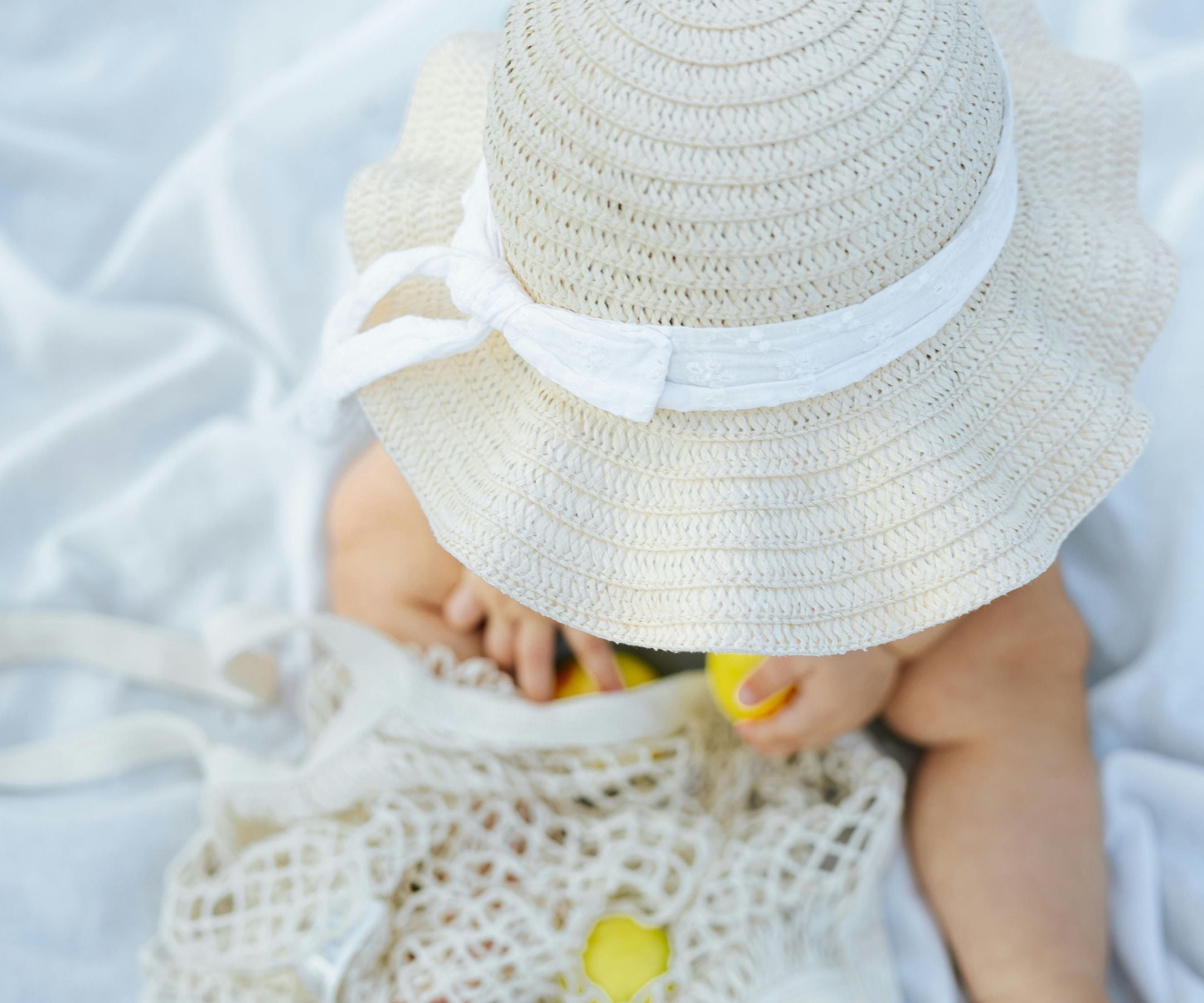
The wide-brimmed hat is not just a fashion accessory, it's an absolute necessity. It must cover the face, ears, and especially your child's fragile neck.
The crystalline lens of very young children lets through 90% of UVA rays. Mentioning category 4 sunglasses is a duty. Newborns' eyes are extremely sensitive to UV rays, even in the shade.
Finally, secure your child's immediate environment by applying these non-negotiable preventive measures:
- Adjustable stroller parasol
- High protection mineral sunscreen
- Regular hydration
- Avoid the hottest hours
Safety Requirements and Practical Management of Accessories
Adjusting Clothing for Car Seat Safety
Did you know that your child's thick coat is a real trap in the car? During an impact, the padding compresses abruptly. This creates a dangerous gap under the harness. As a result, the restraint becomes completely ineffective.
The golden rule is simple: always remove the bulky jacket before buckling baby in. Adjust the straps directly over their close-fitting clothes. Then, place a blanket over them to keep them warm.
Your journey becomes infinitely safer for your little passenger this way. The harness must absolutely remain as close to the child's body as possible.
Organizing Outings with the Nateo Concept Universe
A successful outing often relies on impeccable changing logistics. A well-organized bag allows you to handle sudden weather changes. This helps you avoid unnecessary stress during the day.
This is where Nateo Concept furniture makes perfect sense. A well-organized dresser greatly facilitates quick bag preparation before departure. Everything is immediately within reach.
Maintain this healthy space by learning how to clean a wooden baby crib effectively. To save even more time in the morning, consider organizing your closet in 4 steps. Order truly simplifies parents' lives.
Favoring the layering technique and the excellence of natural fibers ensures your child's lasting well-being. To adjust your newborn's outdoor outfit, check their neck and adjust their protection without delay. Guarantee them unforgettable walks combining thermal comfort and optimal safety.
How do I apply the layering rule to dress my baby?
The simplest and most effective method is the three-layer approach.
The first layer (ideally merino wool) helps wick away moisture. The second retains body heat, and the third protects baby from wind, cold, or rain.
To easily adjust the outfit, also apply the "+1" rule: baby should wear one more layer than you. This approach allows you to add or remove a layer according to temperature variations.
How do I know if my baby is at the right temperature?
The most reliable way is to touch their neck.
- Warm and dry: baby is fine.
- Clammy: they're too hot.
- Cold: you need to add a layer.
Avoid relying on hands or feet, which are often cold in newborns. Also observe their behavior: red cheeks or sweating signal overheating, while a pale complexion may indicate they're cold.
Why shouldn't you leave baby's coat on in their car seat?
Thick coats and snowsuits compromise harness safety. In an accident, the padding compresses and creates a dangerous gap between baby's body and the straps.
The correct practice is to buckle baby in without bulky clothing, then cover them with a blanket or their coat placed over them once the harness is properly tightened.
Should I choose a baby nest or a snowsuit for outings?
The choice depends mainly on your use. The snowsuit protects very well from the cold, but it's less practical and must be removed in the car.
The baby nest is more versatile: it allows you to cover baby without waking them and adapts to the stroller as well as the car seat thanks to its openings for straps. It's often the simplest solution for daily outings.
Sage green and wood bedroom: how to create a natural and soothing space
Children's bed size: the complete guide for healthy and safe sleep
How to decorate your bedroom with healthy materials?