Very restless baby at bedtime: understanding and soothing them

- Categories : Tips

Nateo CONCEPT

Restless baby: finding sleep

Is your baby very restless and crying intensely at bedtime? turning every bedtime routine into an ordeal for new parents. This article helps you understand the possible causes of this evening restlessness, from gastric reflux to still-immature sleep cycles. Discover concrete solutions to ease these digestive tensions and create a healthy environment that finally promotes deep, lasting and secure sleep for your child.

In short, how do you soothe a restless baby at bedtime? 

A baby can become very restless at bedtime due to digestive reflux, excessive tiredness, a motor development leap or separation anxiety. Their still-immature nervous system sometimes struggles to slow down at the end of the day.

To soothe them quickly:

  • keep them in an upright position after feeding
  • establish a calm and repetitive routine
  • reduce stimulation (light, noise)
  • favour babywearing or reassuring contact

In the majority of cases, this restlessness is temporary and linked to the normal development of the infant.

Motor development and sleep cycles

The infant's biological rhythm is in full development. Sleep gradually takes shape. It is a natural process, but sometimes an intense one.

New physical achievements, such as rolling over, stimulate the nervous system in the evening. The brain processes this motor information. This creates visible nervous tension. The child seems to fight against tiredness.

Distinguishing between day and night takes time. Sleep cycles evolve constantly. This transition often causes noticeable restlessness at the end of the day.

Separation anxiety and the need for reassurance

Around eight months, a key stage emerges. The child becomes aware of their parents' absence. Evening separation then becomes a source of stress.

Physical contact remains the best way to stabilise their emotions. Nateo Concept encourages these essential moments of closeness.

Establishing a calm routine helps the child feel secure. Use gentle words to soothe their fears before bedtime.

Also think about creating a warm environment to reassure them. A cosy nest reduces anxiety. Your presence does the rest.

Gastric reflux, the all-too-frequent disruptor of nights

Understanding why your baby is so restless requires first ruling out a physical cause, such as reflux.

Identifying the signs of burns and digestive discomfort

Some physical signs are unmistakable. Does your little one arch their back? This is often a sign of real discomfort. Shrill crying after feeding is an immediate warning sign. Watch them carefully while they drink their milk.

Internal GER often reaches a peak around four months. Acidity then rises violently into the oesophagus with no visible rejection. This causes truly intense and persistent pain.

Their body tenses up. They often chew on nothing. Here are the warning signs:

  • Body that suddenly tenses up
  • Empty chewing motions
  • Refusal to lie down right after eating

The negative association between pain and the lying-down position

The horizontal position worsens acid reflux. The baby then associates their cot with physical pain. They therefore logically resist at bedtime.

Gastric acidity causes incessant micro-awakenings. Sleep becomes fragmented and barely restorative. The child is unable to complete their sleep cycles. This fragmentation quickly exhausts the whole family.

Accumulated fatigue increases the infant's irritability. It is a vicious cycle that is hard to break. An exhausted child becomes even more sensitive to pain.

3 reflexes to soothe infant tension

If your baby's restlessness before their night's sleep worries you, here is how to concretely relieve these digestive and nervous discomforts.

Embracing verticality and physiological babywearing

Keeping your little one upright after feeding is essential. Gravity helps keep the stomach contents in place. This naturally limits painful acid reflux.

Physiological babywearing also reduces overall nervous stress. This skin-to-skin contact releases welcome soothing hormones. Your body warmth calms their internal tensions. It is a simple and effective remedy.

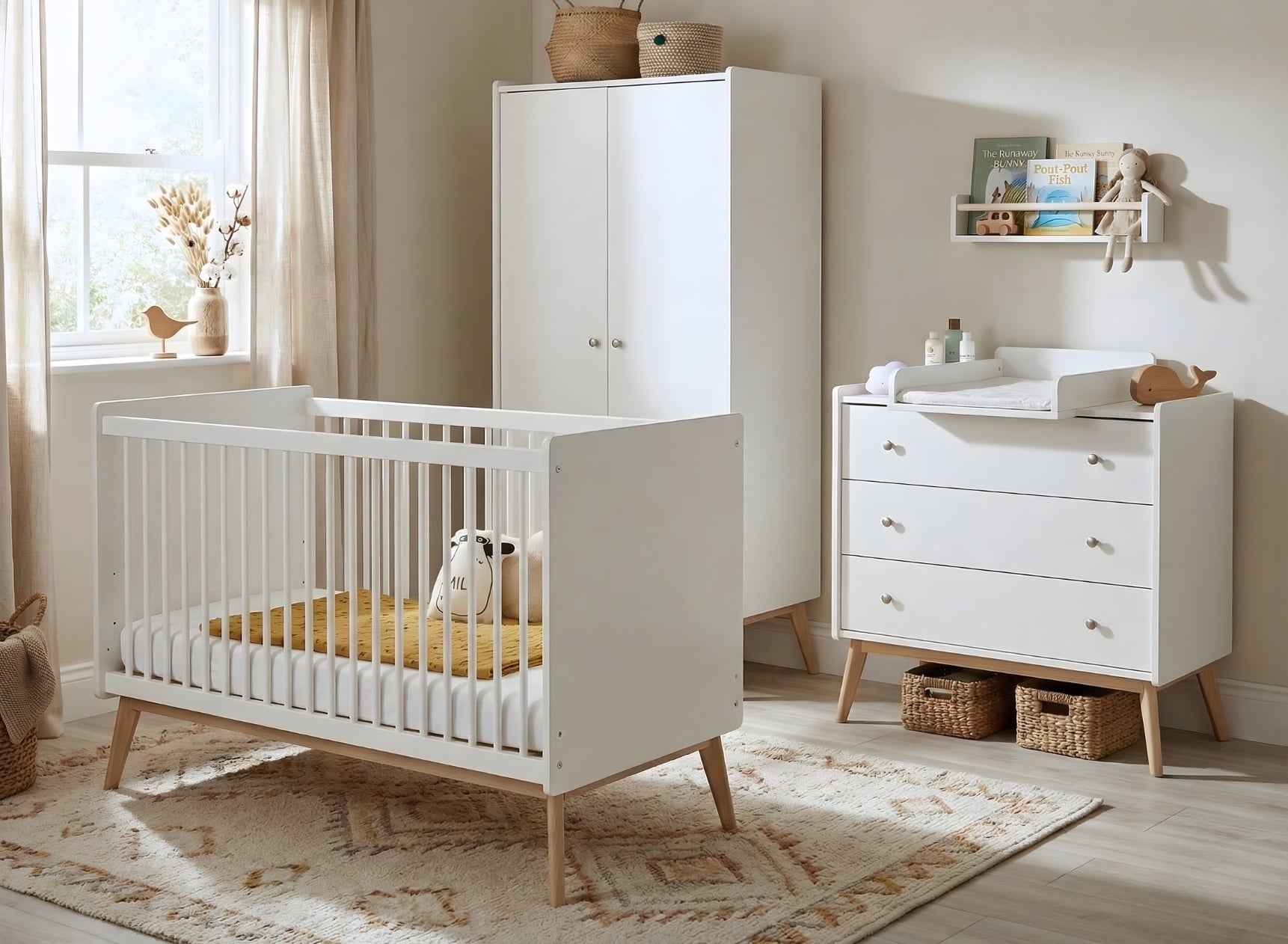
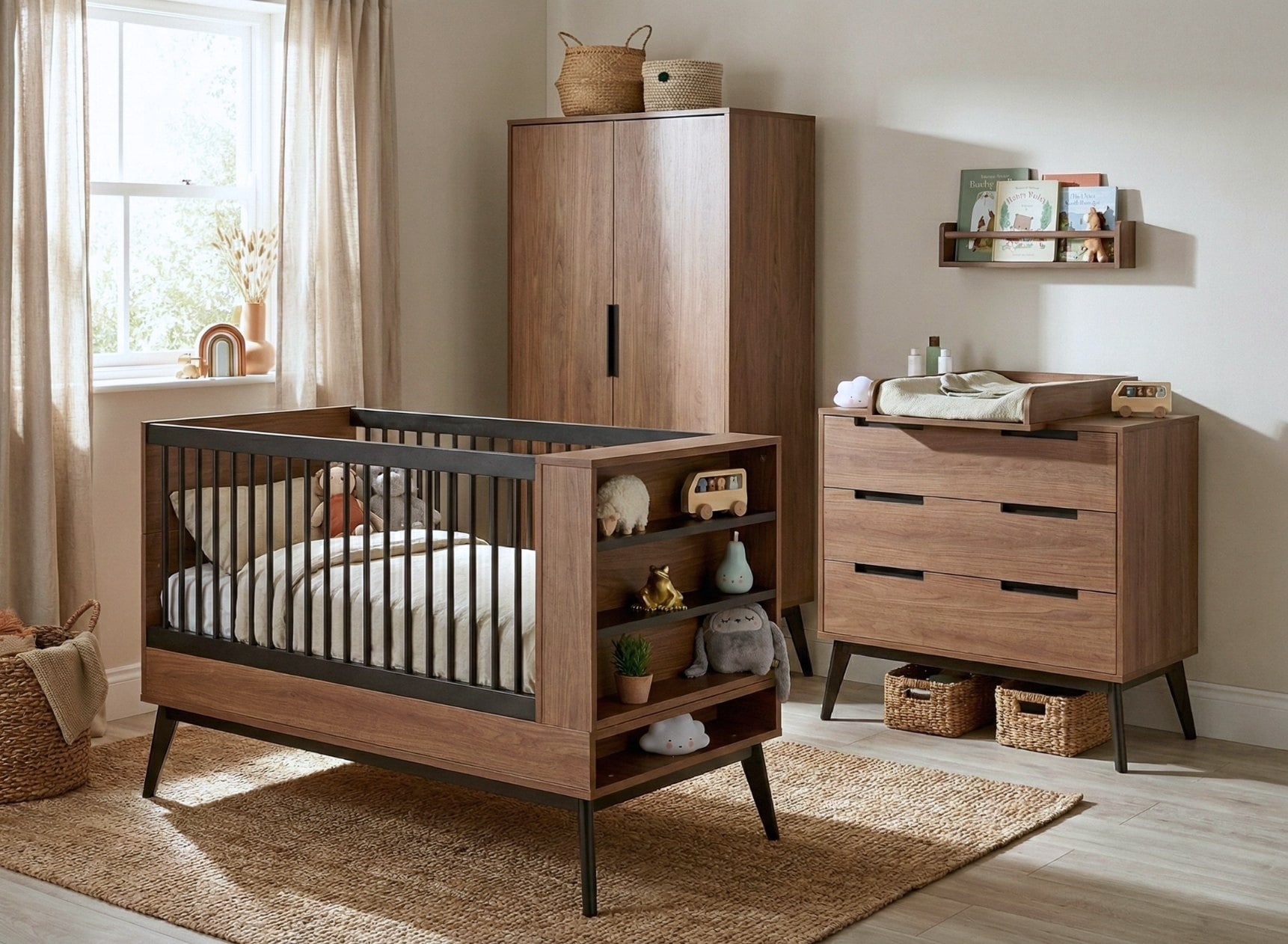
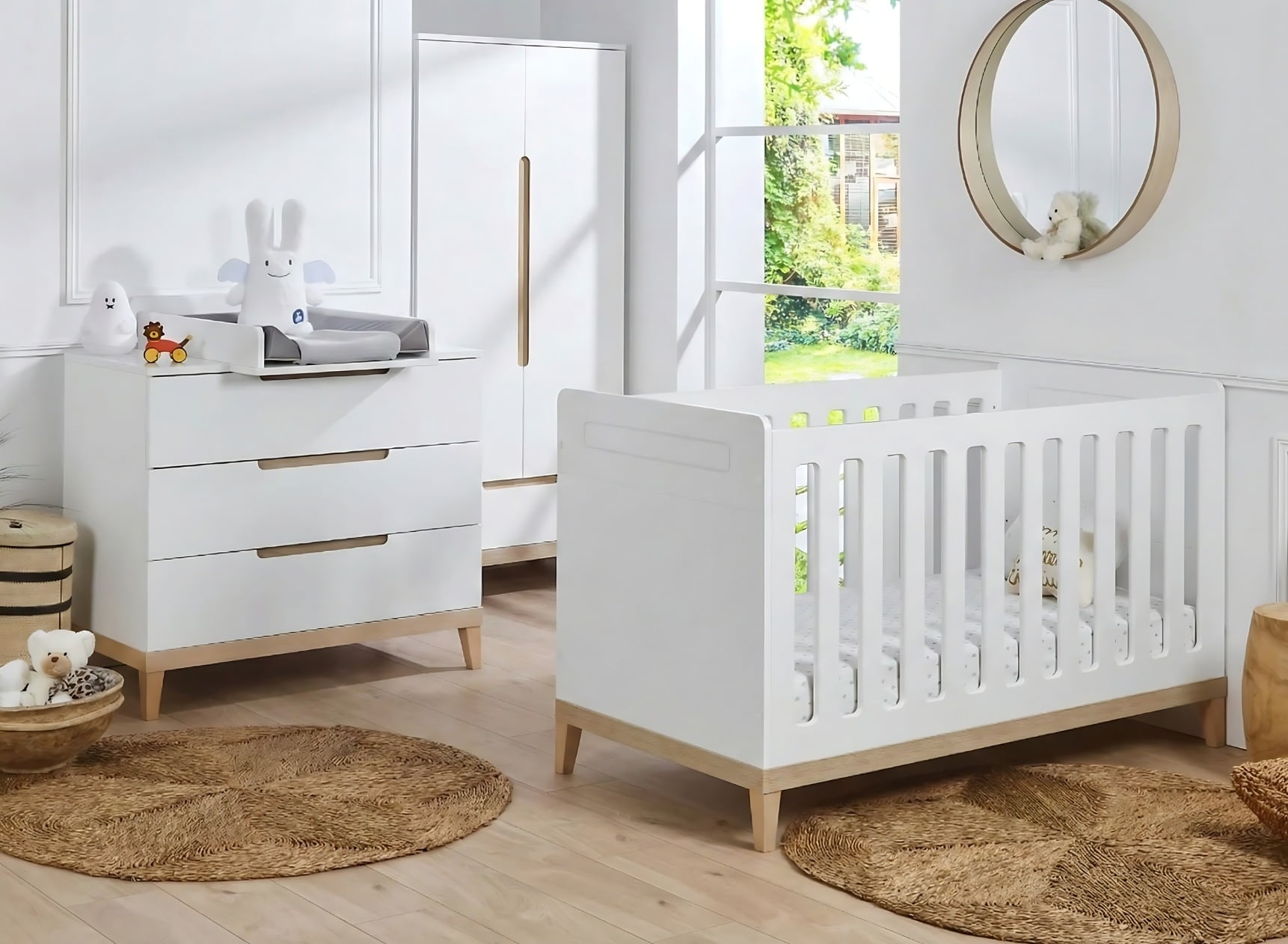
Also set up the essentials of a functional baby room to make your nights easier. A well-thought-out layout reduces your fatigue. It is a real bonus for organisation.

Adjusting the pace and quality of meals

Splitting meals helps to put less strain on your baby's small stomach. More frequent but lighter feeds greatly ease the digestive process. Your baby will feel less uncomfortable as a result.

Make sure feeding remains truly calm. Swallowing air often makes colic and reflux worse. Take the time to pause regularly.

Sometimes, a food sensitivity can play a hidden role. Observe whether certain foods affect your baby's nighttime restlessness. Medical advice can help identify these serious leads. Peaceful digestion is the foundation of a good night's rest.

Creating a healthy room with Nateo Concept furniture

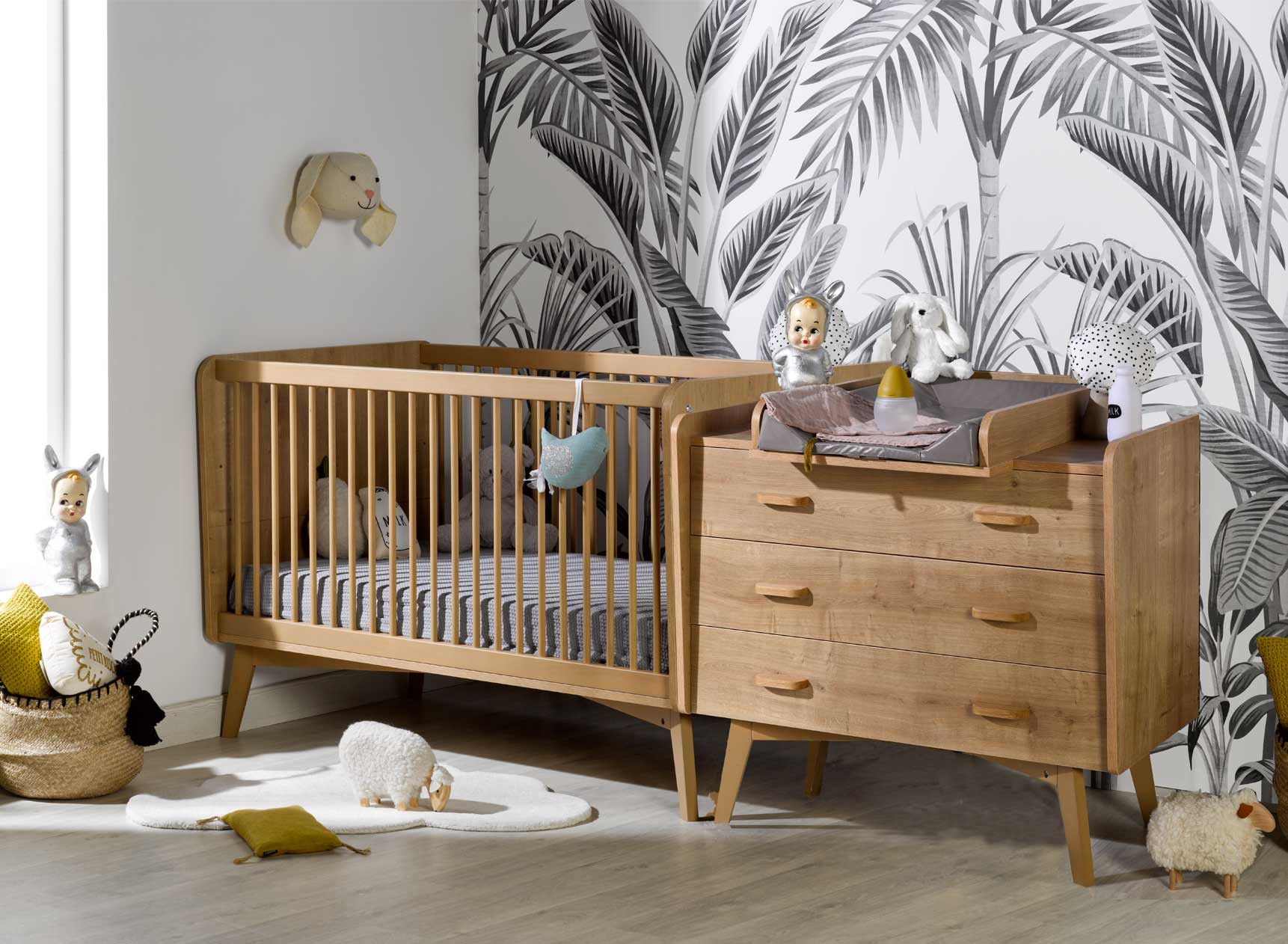
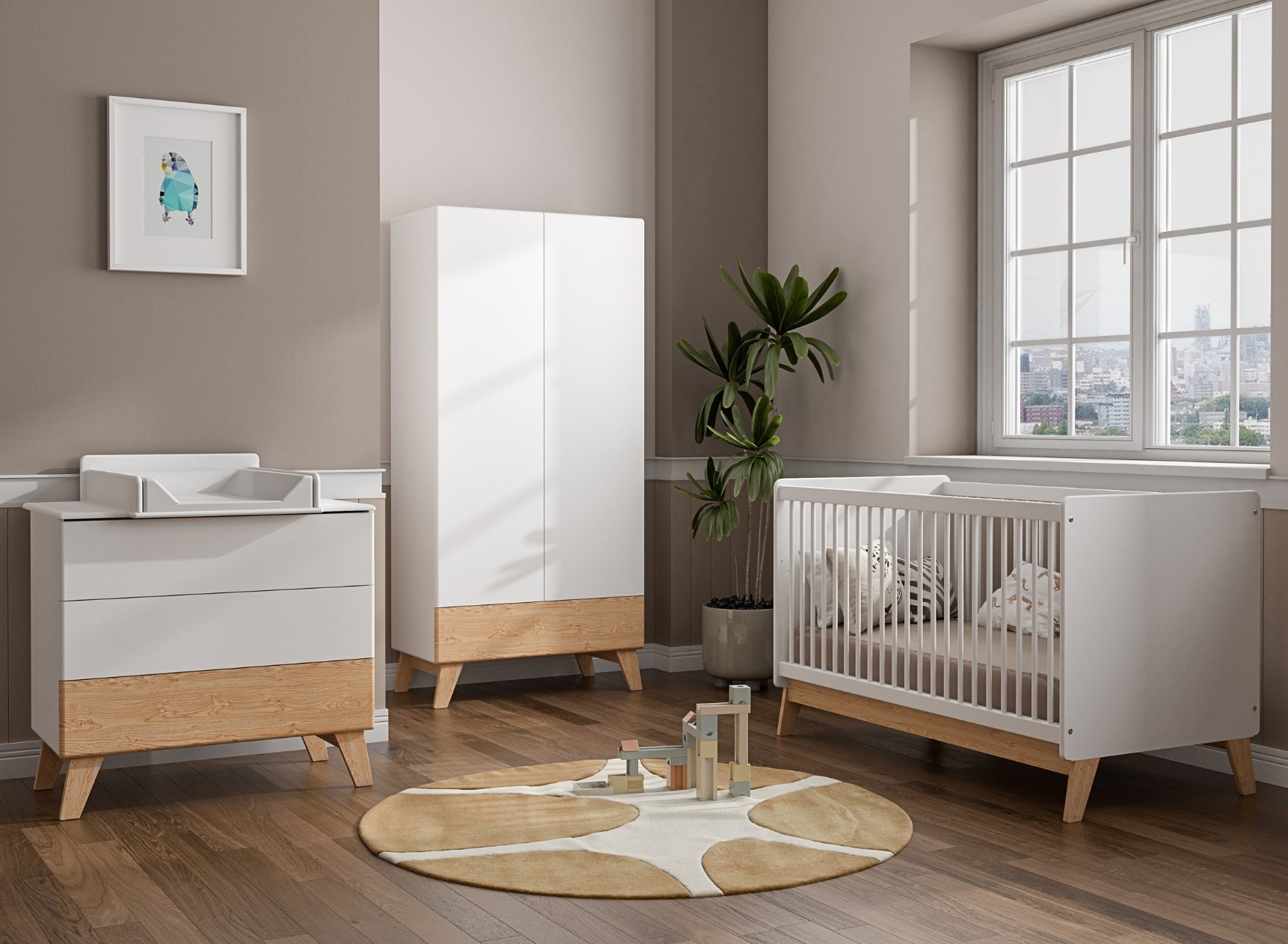
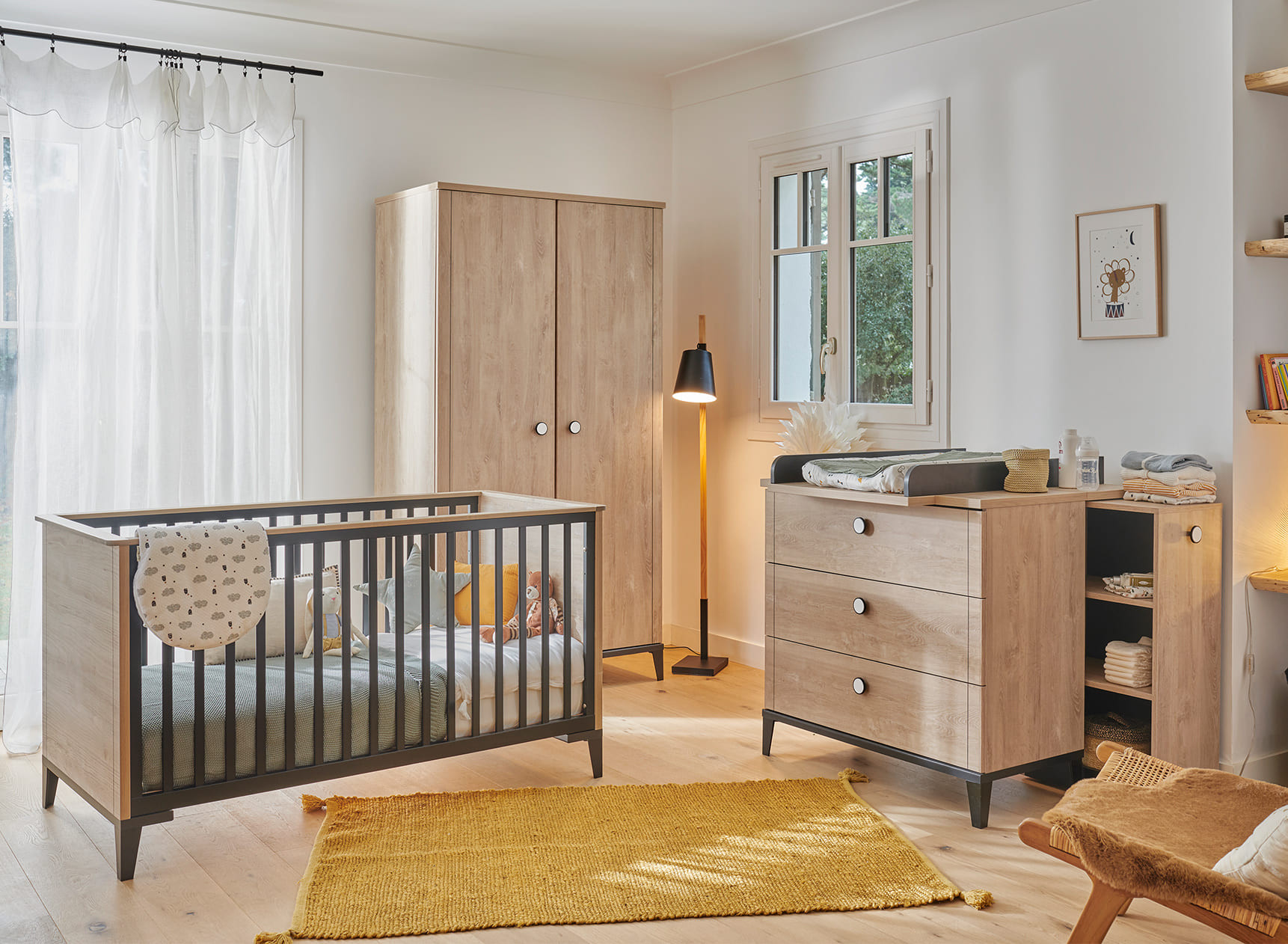
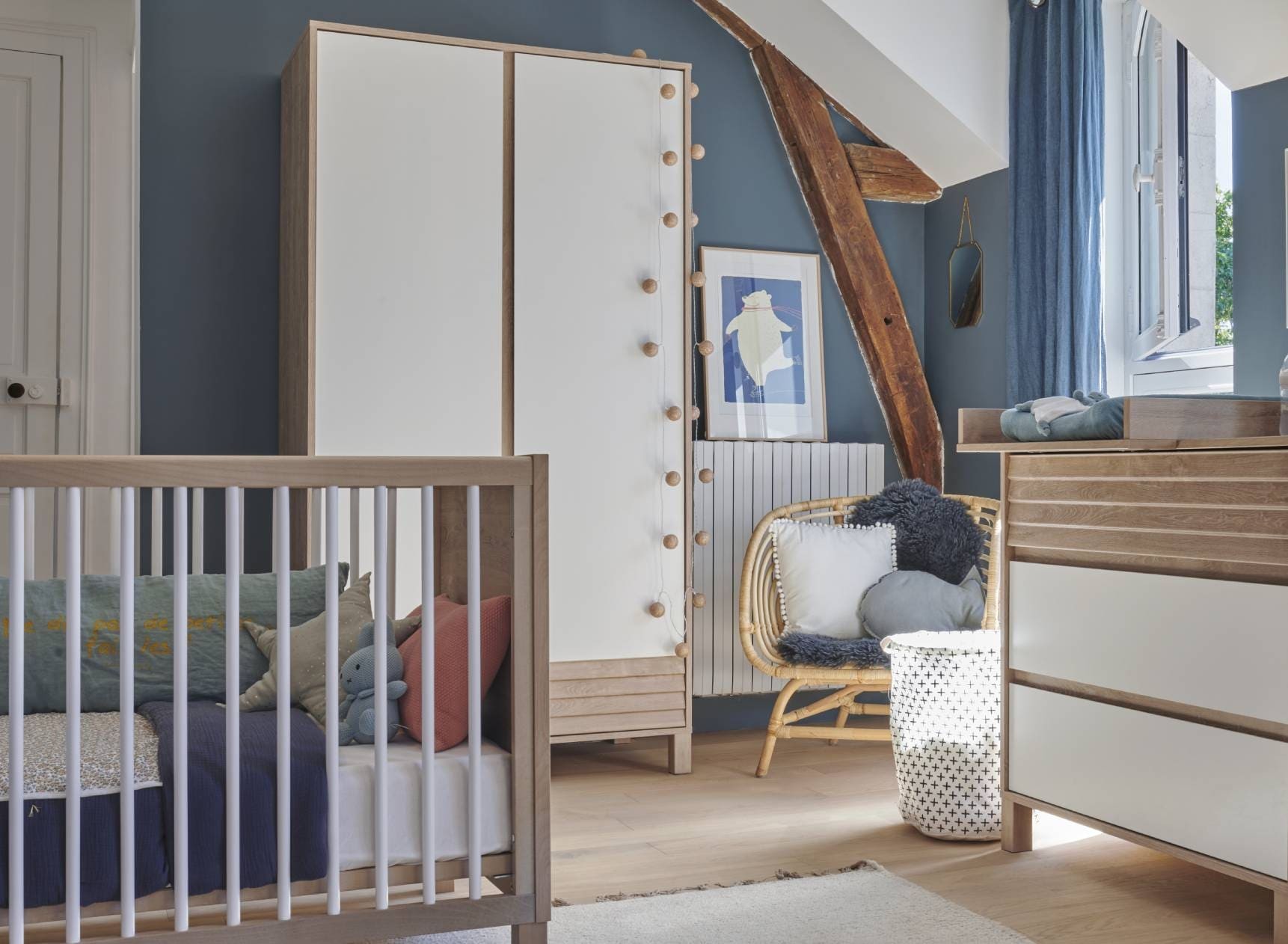
Setting up your little treasure's nest requires special care. In fact, the material environment directly supports their well-being and the baby's sleep.

Choosing natural materials free from harmful substances

The choice of furniture directly influences respiratory health. Nateo Concept exclusively uses sustainable solid wood. Our finishes are made with water-based paints.

A VOC-free environment protects fragile lungs. French manufacturing guarantees strict control of components. It is a safety assurance for your child.

We want the best for our little ones. Opt for ecological wooden baby furniture. It is a responsible and healthy choice. Your newborn deserves this pure air.

Creating a secure space conducive to calm

A firm sleeping surface is essential for safety. Avoid unnecessary soft toys or blankets in the cot. Minimalism soothes a very restless baby trying to fall asleep.

Maintain a stable temperature in the room. Between twenty and twenty-one degrees is ideal. A room that is too warm often disrupts deep sleep.

Organise the space to create a gentle atmosphere. Neutral colours help calm the mind before bedtime. An orderly environment reduces visual stimuli. Your baby will finally be able to fully relax.

Understanding why your baby is very restless at bedtime allows you to adjust their routines and the safety of their environment. Embrace verticality and natural furniture to immediately ease their tension. Offer them this protective cocoon from tonight to finally enjoy peaceful and truly restorative nights.

➡️ Browse our ecological & healthy baby rooms

Discover our baby rooms