Which mattress to choose for your child? The guide for parents

- Categories : Tips

Nateo CONCEPT

Children's mattress: choosing wisely

The key takeaway: the growth of the spine requires firm support with a foam density of between 25 and 40 kg/m3. Opting for natural materials such as Oeko-Tex certified latex or bamboo guarantees healthy sleep, free from harmful substances. A quality mattress, ideally 16 to 20 cm thick, ensures restorative rest for 5 to 7 years.

Did you know that a child spends nearly 40% of their life sleeping, a time during which their spine consolidates permanently? To support this growth, parents must prioritise firm support and healthy materials to provide truly restorative rest. This guide details how to choose the ideal density and natural certifications to guarantee your little one a safe and lasting sleep cocoon.

Firmness, size, filling: the 3 criteria for choosing a children's mattress

Having understood the importance of quality sleep, it is time to look at the technical aspects that make all the difference. Here are the three pillars for an informed choice.

Certifications and materials: what guarantees a healthy children's mattress

Beyond physical comfort, health safety is the criterion that reassures every parent who cares about their child's environment.

The firmness suited to age and build

A child's spine grows quickly. Firm support is therefore important for their posture. Aim for a density between 25 and 40 kg/m3. This is the ideal threshold for lasting support.

A surface that is too soft is a common mistake. It harms physical development and tires the muscles. Prioritise balanced comfort for truly serene growth.

Spinal support remains the priority. A firm, ecological mattress guarantees restful nights.

The Nateo Concept tip? Test the resistance with a simple hand press.

What mattress size should I choose based on the bed?

The standard sizes 90x190 or 90x200 are the most common. They are suitable for classic single beds. The 80x180 format is better suited to smaller spaces.

Always allow a margin of 15 to 20 cm based on the child's height. They will be able to move without hitting the edges. This is a guarantee of comfort.

For healthy sleep, opt for a 90x190 bamboo children's mattress suited to their build.

Always check the slatted base measurements. A precise fit prevents edge wear.

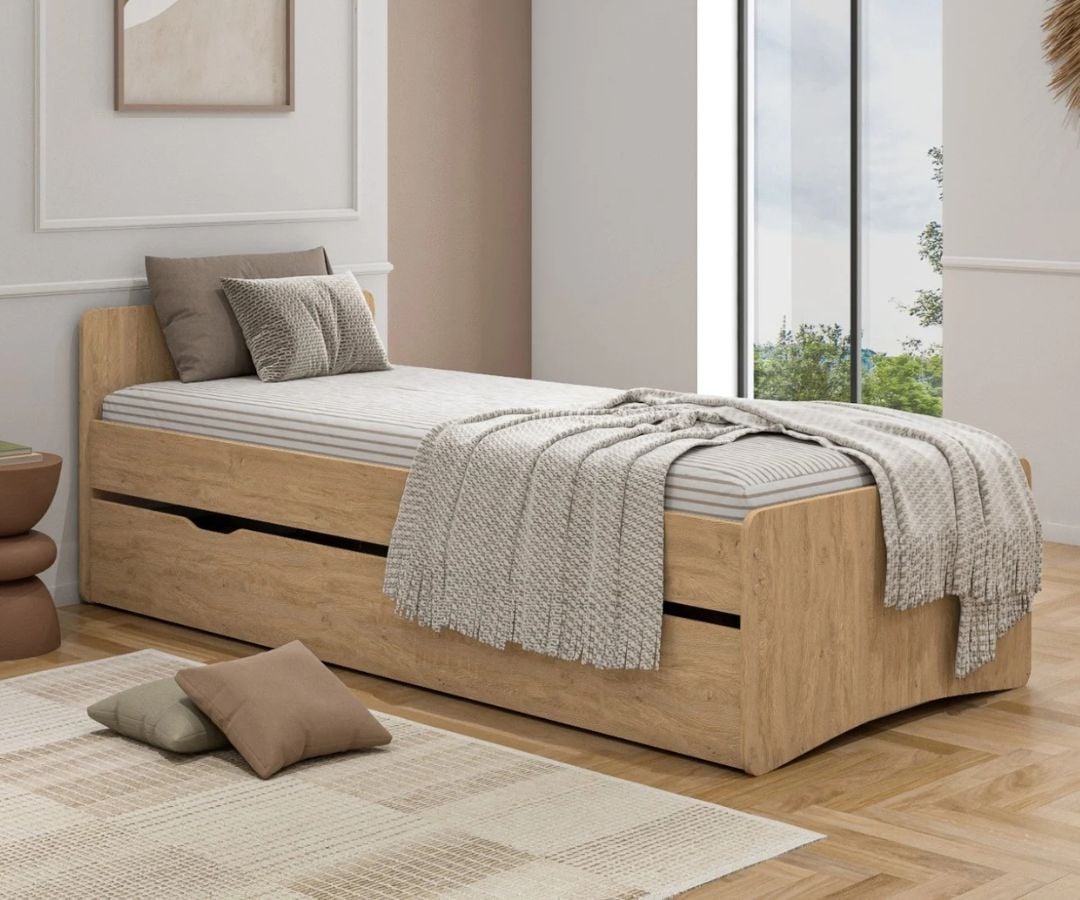
Lit gigogne HECTOR

Foam, springs or memory foam: which filling?

High-resilience foam offers excellent durability. Pocket springs, on the other hand, ensure optimal ventilation. They are perfect for restless children.

The bamboo children's mattress is very popular for its thermoregulating properties. It absorbs moisture naturally. It is a healthy option for sensitive skin.

Avoid memory foam for younger children. It retains too much body heat.

How long does a children's mattress last and when should it be replaced?

Once the right model has been found, it is important to maintain it properly and above all to identify when it is no longer fulfilling its role.

Identifying signs of wear and loss of density

A mattress loses its properties after 5 to 7 years of daily use. Watch for the appearance of hollows or lumps on the surface. These deformations indicate that the filling is worn out. The children's mattress density is then no longer providing sufficient support.

A degraded sleeping surface directly impacts a child's restorative sleep. If your little one wakes up with aches, replace it. Rest is too precious to be neglected.

Turn the mattress regularly. This extends the lifespan of the natural fibres used.

Hygiene also plays a crucial role. Healthy foam remains effective for much longer.

Adapting the choice for a children's bunk bed mattress

For elevated beds, thickness is a safety issue. It must not exceed 16 cm. This guarantees that the safety barriers remain effective and protective.

It is essential to choose a mattress for a children's bunk bed that is appropriate. A controlled height prevents accidental falls during the night.

A mattress that is too thick negates the effect of the guardrail. Be vigilant when making your purchase online.

Also think about the overall room layout, as for a mezzanine bed to illustrate the use. Safety remains the absolute priority.

The benefits of organic cotton and anti-mite bamboo

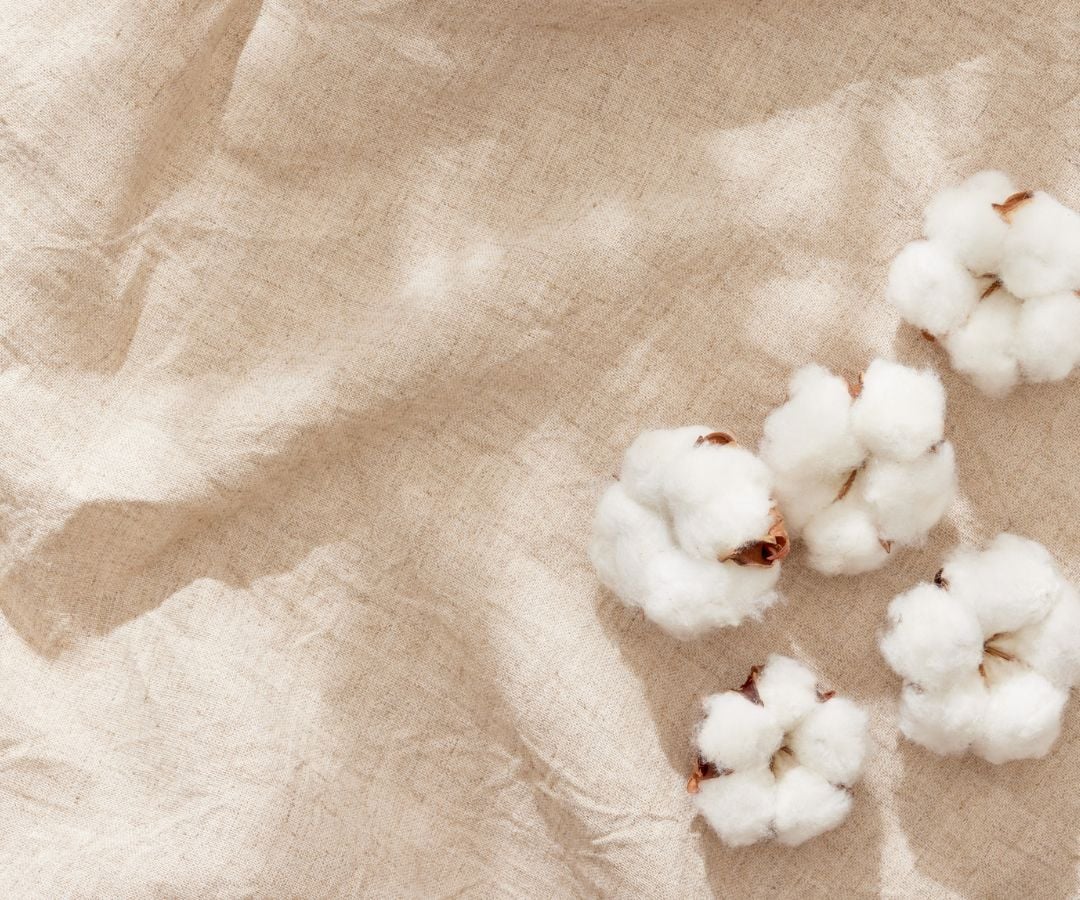
Organic cotton is a natural barrier against irritation. It offers incomparable softness for the delicate skin of young children. Unlike synthetic materials, it breathes better. This is the major advantage of a truly ecological and respectful mattress.

Organic models exclude VOCs and heavy chemical treatments. Bamboo provides anti-mite protection for children without toxic products. It is therefore a healthy and sustainable choice.

Respiratory health depends on these materials. Absolutely avoid harmful solvents and adhesives.

Prioritise renewable raw materials. They preserve the future of our planet and your children.

Understanding Oeko-Tex labels and Made in France

The Oeko-Tex Standard 100 label certifies the absence of substances harmful to health. It is an essential international guarantee today. The CertiPur label, for its part, ensures the purity of foams.

Choosing a Made in France mattress allows you to support unique local expertise. Traceability is total and manufacturing standards are very strict. It is a mark of quality.

  • Oeko-Tex for textiles
  • CertiPur for foam
  • French manufacturing for ethical standards

To go further, discover our tips on choosing materials for the baby's room.

Mattress and bedding: the complete universe for a serene children's room

A good mattress cannot work miracles alone; it must be integrated into a coherent ensemble to offer the best possible rest.

Pairing the mattress with the right children's slatted base

A slatted base is the ideal partner for a foam or spring mattress. It allows continuous air circulation beneath the sleeping surface. This prevents condensation and mould.

Discover the Nateo Concept children's slatted bases with a natural anchor to explore the range. These supports ensure optimal ventilation and increased durability.

The quality of the slatted base influences the perceived firmness. Never overlook this structural element of the bed.

Also consider modular furniture to complete the room setup. A well-designed ensemble grows with your little sleeper.

Protecting the sleeping surface for lasting hygiene

The use of a breathable mattress protector is strongly recommended to protect the core of the mattress. It prevents minor night-time accidents without blocking natural ventilation. Choose materials such as cotton or bamboo for extra softness. This is essential.

Consult our guide to choosing the right mattress for your child to understand the specific needs of young children. Healthy protection is key.

Wash the protector frequently at high temperature. This effectively eliminates bacteria and allergens.

Impeccable hygiene extends the like-new feel. Your child will sleep in a healthy cocoon.

To provide restorative sleep for your little ones, prioritise firm support in high-resilience foam or natural latex, certified Oeko-Tex. As parents who care about their children's growth, choose now an appropriate thickness and healthy materials such as bamboo. Guarantee them a serene future in a protective and lasting cocoon.

FAQ

The choice depends on the specific needs of your little sleeper. High-resilience foam is highly popular for its excellent support-to-durability ratio, offering consistent spinal support. Pocket springs, on the other hand, are perfect for ensuring optimal ventilation if your child tends to perspire.

For parents seeking natural materials, the bamboo mattress is a healthy and gentle option. Thanks to its natural thermoregulating and antibacterial properties, it offers a healthy sleep environment, ideal for sensitive skin and for limiting the risk of allergies without heavy chemical treatments.

For a child weighing less than 30 kg, we recommend a density between 25 and 40 kg/m3. A minimum density of 30 kg/m3 for high-resilience foam guarantees that the mattress will not sag prematurely, thus preserving the alignment of their back.

In terms of firmness, opt for medium to firm comfort. Support that is too soft would not allow optimal development of the growing spine. This is the perfect balance to provide a welcoming feel while firmly maintaining the body during the night.

Safety is our absolute priority for elevated beds. For the upper sleeping level of a bunk bed or mezzanine bed, the mattress thickness must not exceed 15 to 16 cm. This allows the safety barriers to fully play their protective role by extending sufficiently above the mattress.

For the lower bed, you have more flexibility, with models available up to 18 or 20 cm. Bear in mind, however, that a mattress that is too thick reduces the sitting space between the two slatted bases, which can be less comfortable for the child when settling in.

To provide a healthy cocoon for your child, look for the Oeko-Tex Standard 100 certification. This international label guarantees the absence of toxic chemicals, pesticides or heavy metals in textiles. It is an essential safeguard to protect the respiratory and skin health of the youngest children.

The CertiPur label is also an excellent indicator of foam purity, ensuring that foams are manufactured without phthalates or harmful VOCs (Volatile Organic Compounds). Finally, choosing Made in France guarantees full traceability and compliance with the strictest European safety standards.

On average, a quality children's mattress has a lifespan of 5 to 7 years. Beyond that, the materials lose their resilience. If you notice hollows, lumps, or if your child begins to express discomfort or sleep disturbances, it is time to replace it to preserve their well-being.

Physical development is also a signal: if your child is growing and their height no longer allows a margin of 15 to 20 cm at the foot of the bed, moving up to a larger size, such as a 90x190 children's mattress, becomes necessary for their daily comfort.