Child's bed size at 3 years: choosing a safe and durable model
Nateo CONCEPT
Child's bed at 3 years old: what size to choose?
Is your little one starting to feel cramped or dangerously attempting to climb the bars of their crib every evening? Choosing the bed size for a 3-year-old child represents a real challenge for parents wanting to combine their child's autonomy with impeccable safety and eco-friendly materials. Between the evolving cocoon model and the durable big bed, we analyze the determining criteria to make a smart investment that will guarantee peaceful and healthy nights for the whole family.
The great dilemma at 3 years old: cocoon bed or big bed?
At this pivotal age, two schools clash: keeping a reassuring cocoon or betting directly on durability. Here's what you need to know to decide without regrets and meet your child's specific needs.
The reassuring option: the 70x140 cm bed, a gentle transition
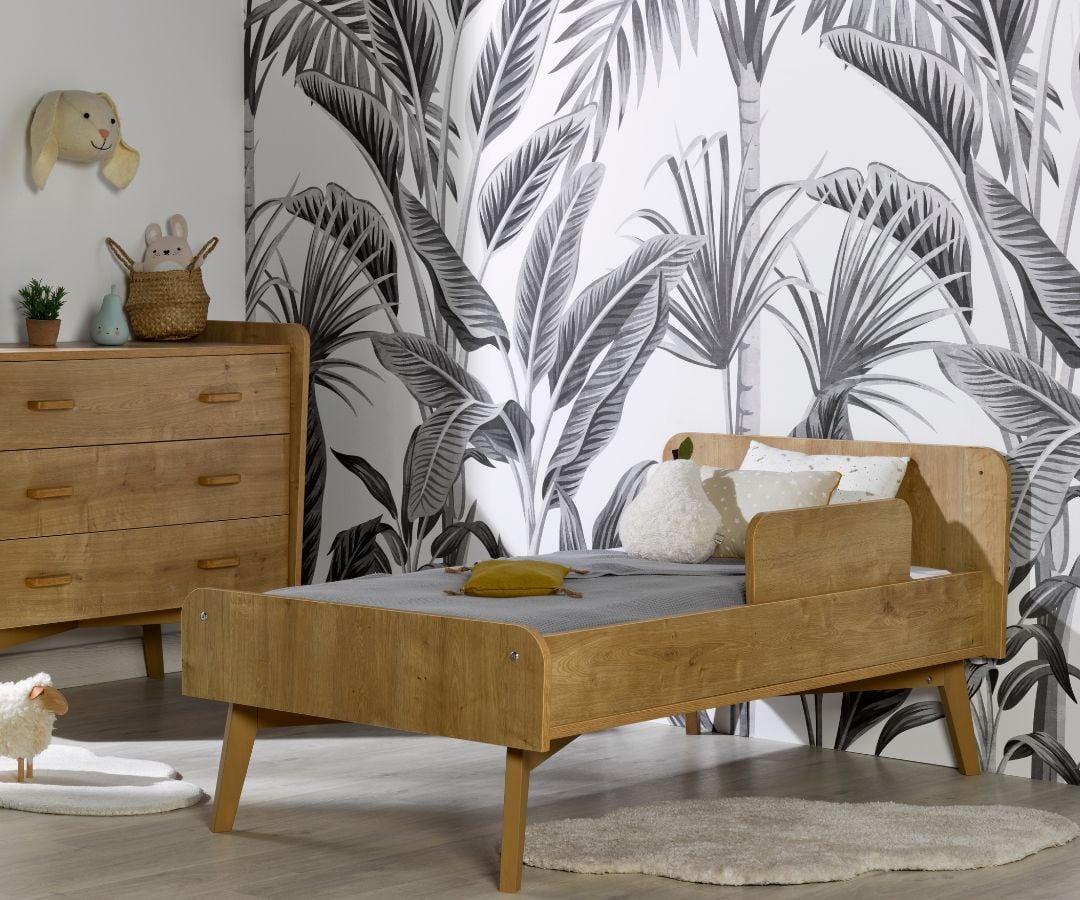
The 70x140 cm is the logical continuation of the crib. It's a "cocoon" size that doesn't disorient the child after the comfort of their first bed.
Psychologically, it's unbeatable. A smaller space is more reassuring at this age. The child doesn't feel "lost" in a bed that's too big, which facilitates the transition. It's a temporary solution, but often the most suitable.
This format is perfect until 4 or 5 years old. Asking yourself the question of up to what age to use a 70x140 cm bed is indeed an excellent approach.
The smart investment: the 90x190 cm bed, looking long-term
The 90x190 cm bed represents the choice of durability. It's the "big" bed that will accompany them for years.
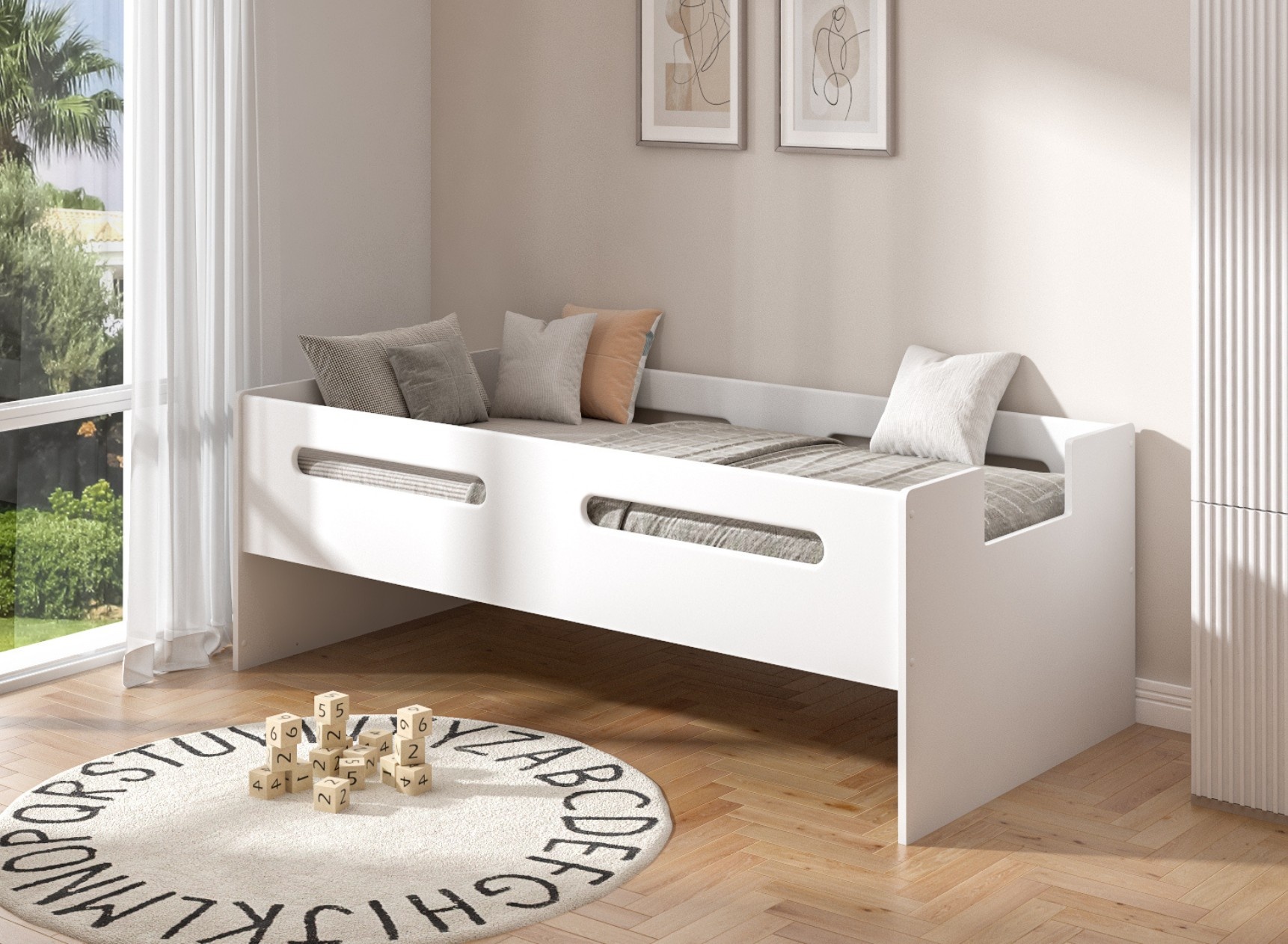
One point remains non-negotiable: safety. For a 3-year-old child, a removable safety rail is absolutely essential to prevent nighttime falls.
It's an economical and practical choice if you secure the installation well. It's a big step toward autonomy, and you can discover our 90x190 children's beds for inspiration.
Beyond size: the bed height, the detail that changes everything
Now that the dimension match is set, let's talk about a criterion often forgotten but which, in my opinion, is just as important: the height.
A low bed to boost your child's autonomy
The height of the bed base often constitutes a blind spot for parents. At three years old, your child measures about 95 cm. A low bed allows them to get in and out safely on their own.
This is the essence of Montessori pedagogy applied to rest. The goal is to give them complete confidence. They thus become the true master of their sleep environment.
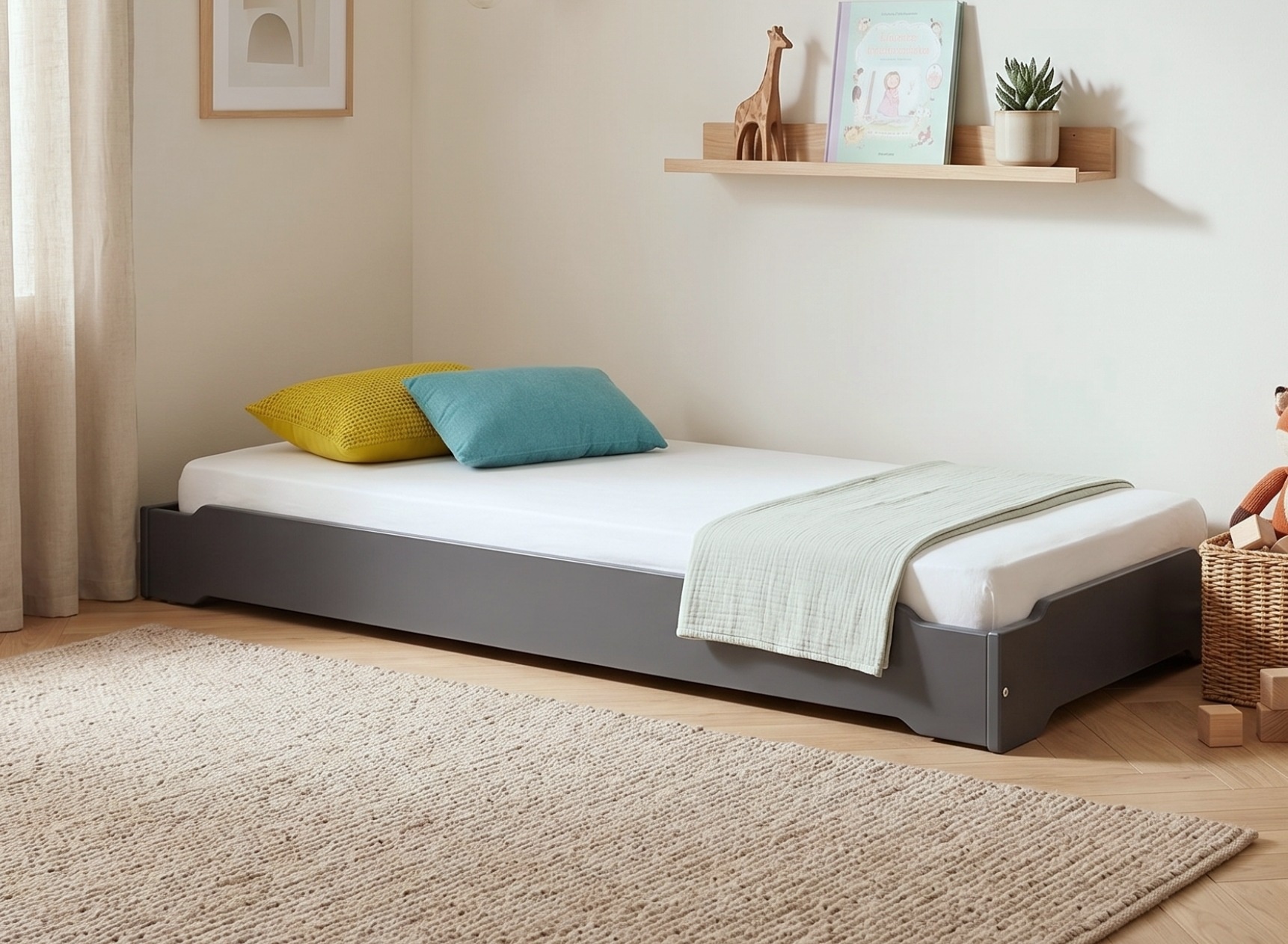
Ideally aim for a sleeping height below 35 cm. This proximity to the floor minimizes the risk in case of a fall. It's reassuring for you. It also encourages their independence, for example to go to the bathroom at night.
Types of low beds to consider
You have several options to choose a low bed that promotes this precious autonomy. Here are the most suitable solutions.
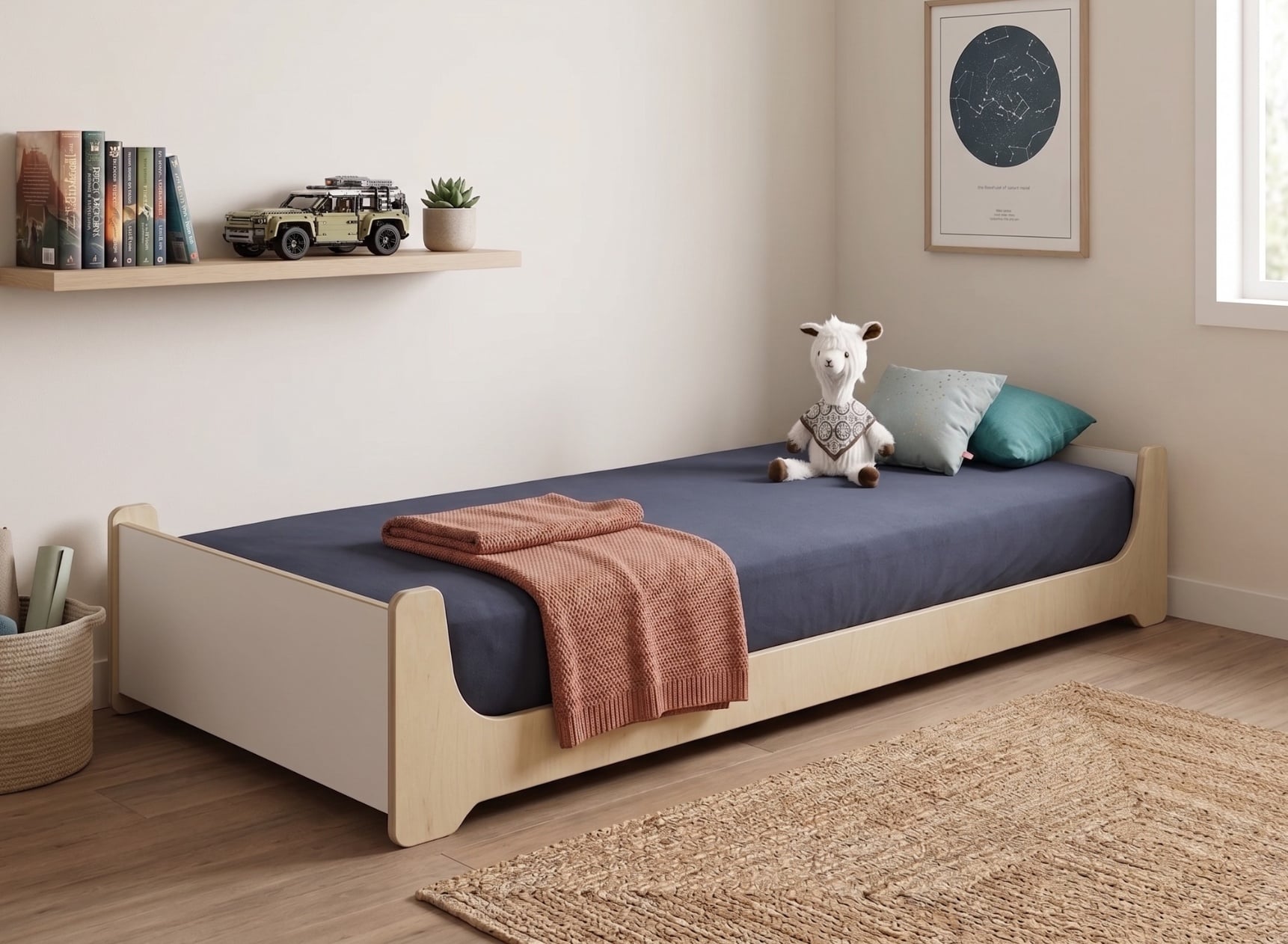
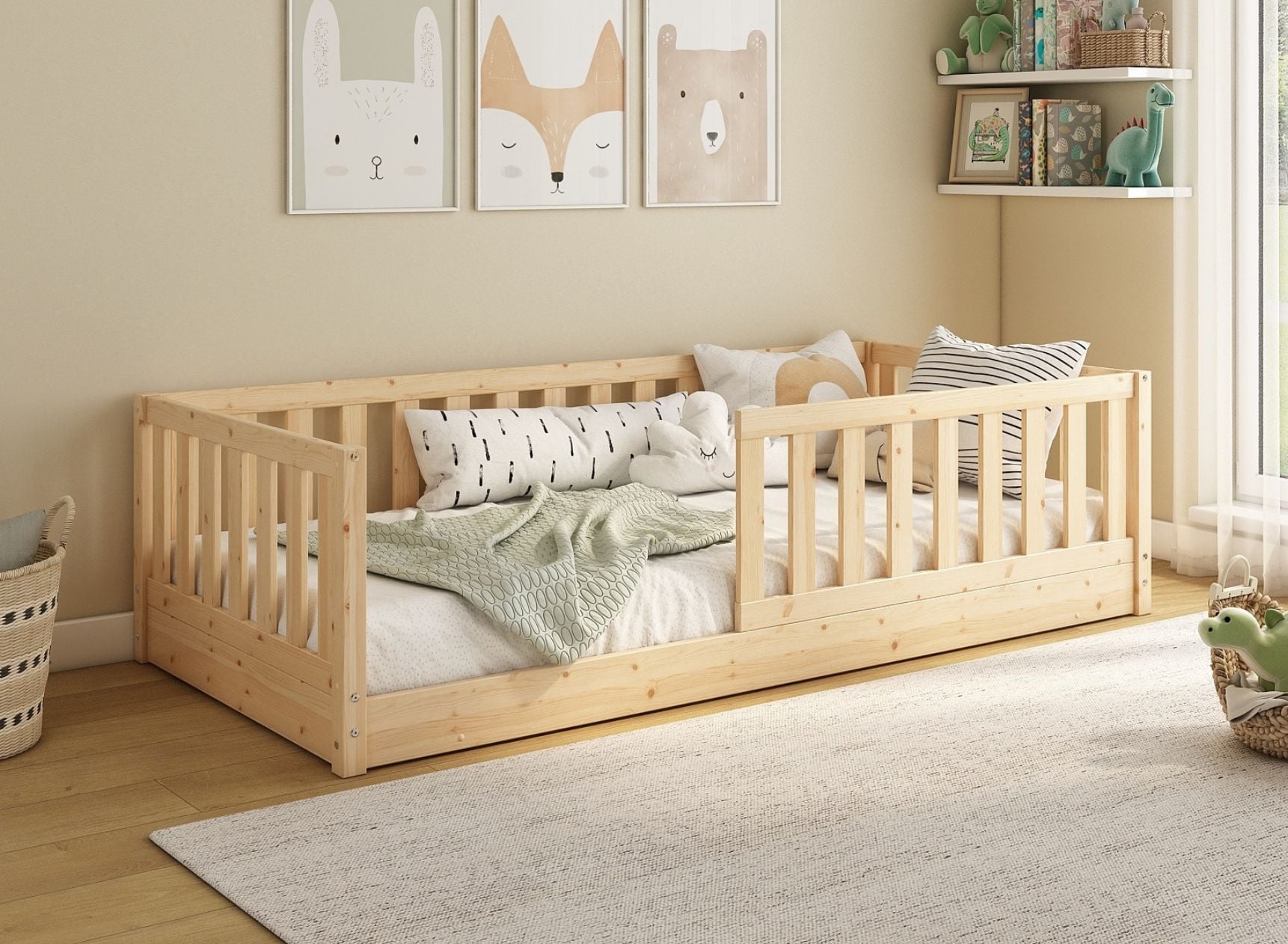
- The floor bed: The Montessori approach par excellence. A simple mattress on an extra-flat bed base for maximum safety and total freedom.
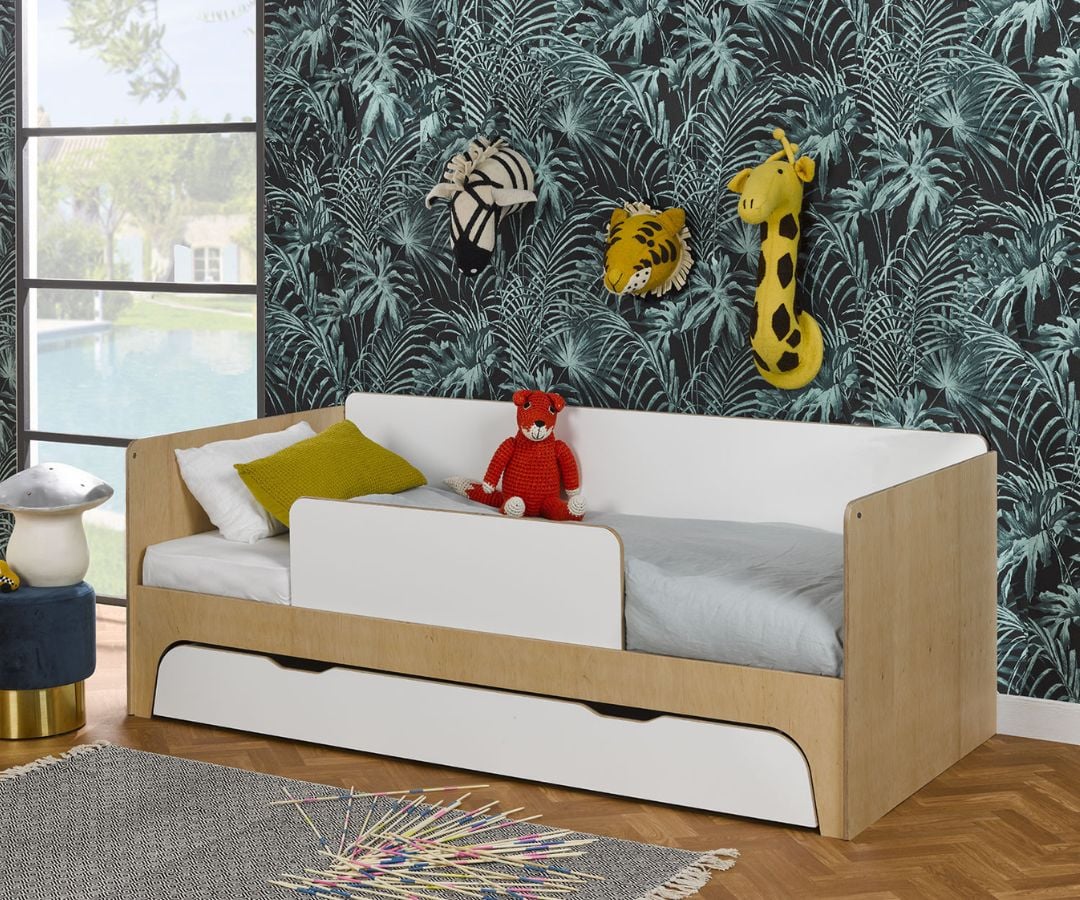
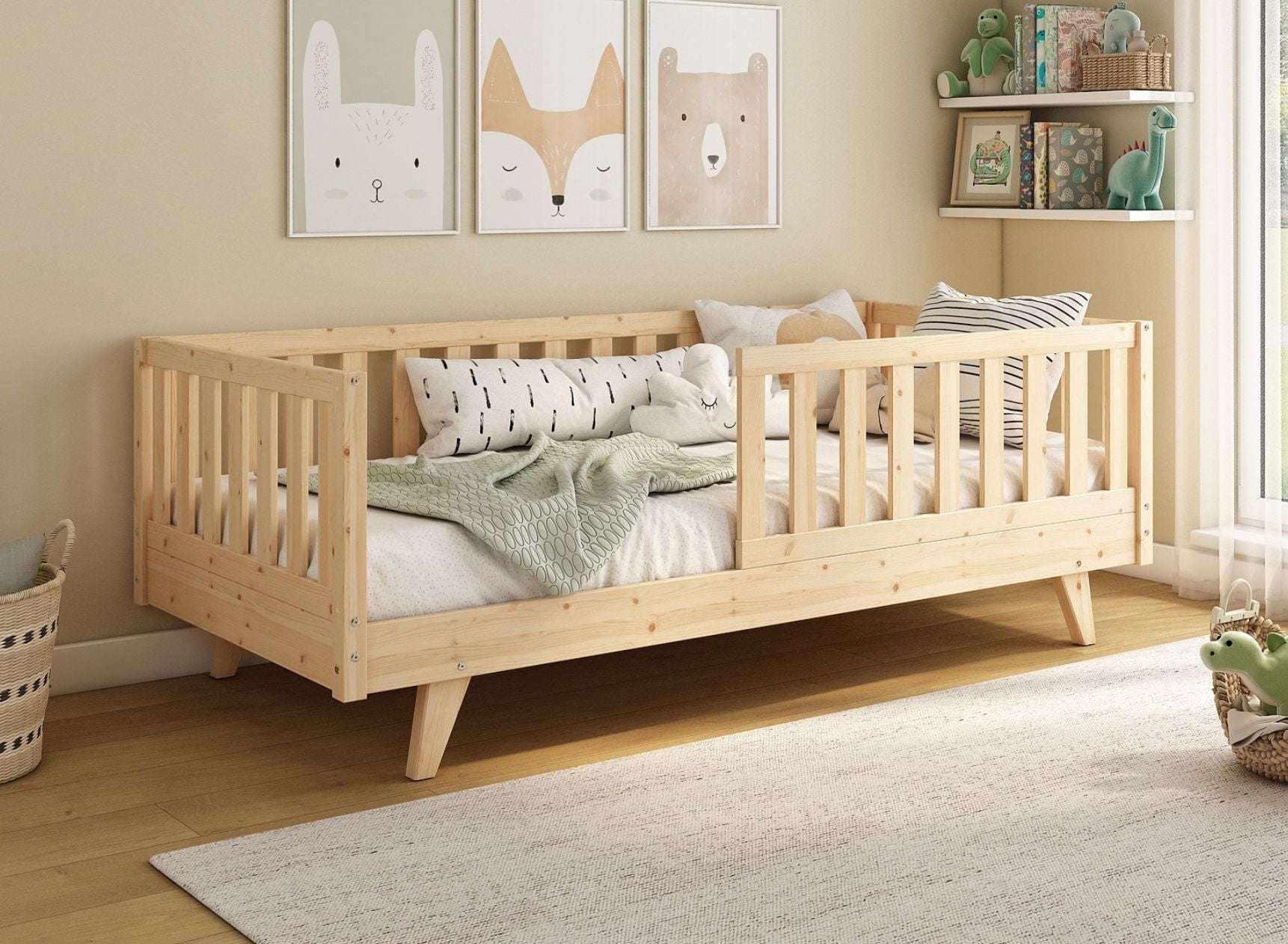
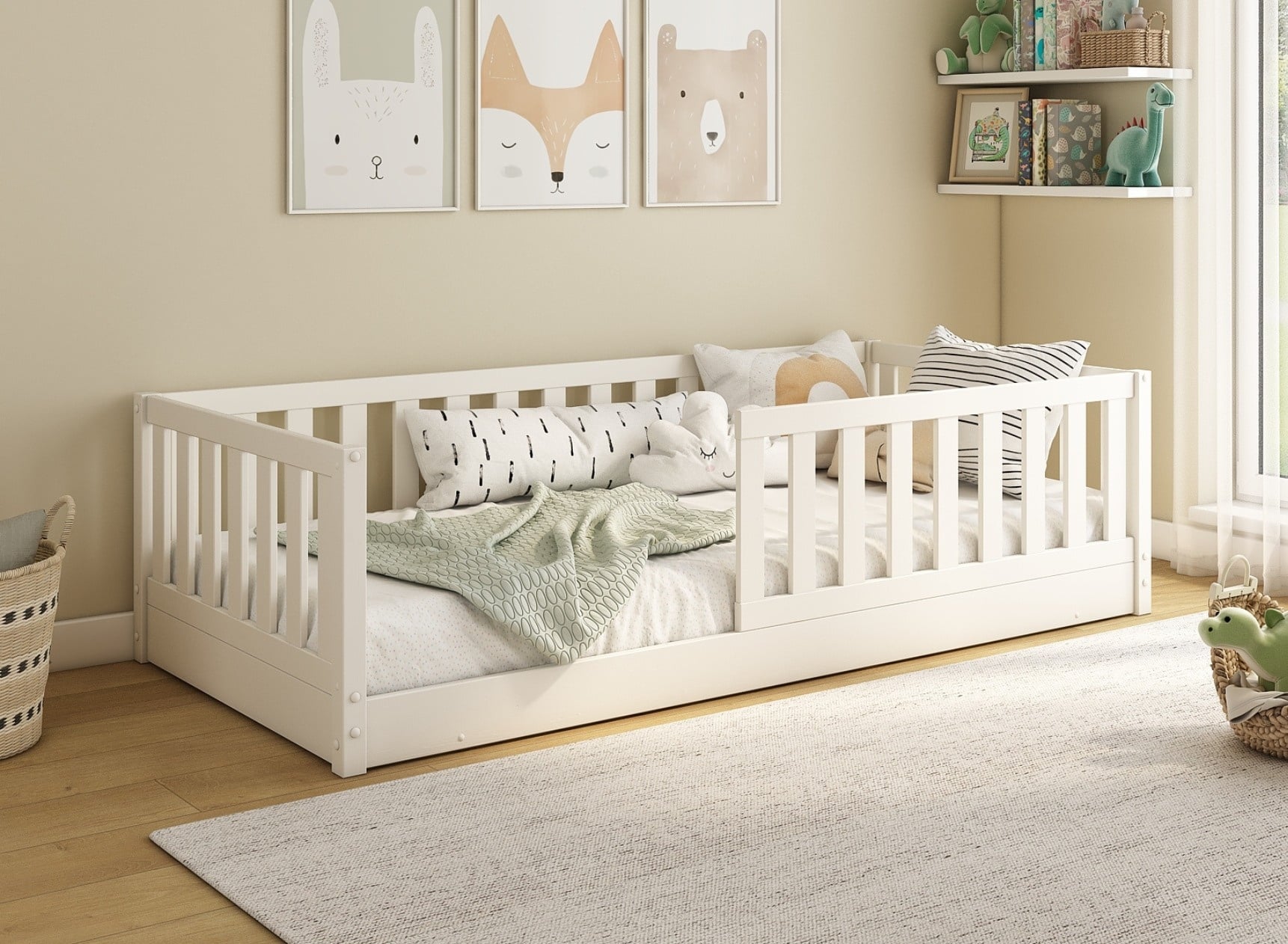
- The cabin bed: Often low, it creates a playful and reassuring environment. The child has their own little refuge, which can greatly help them love their new bed. The cabin bed is an excellent option from 3 years old.
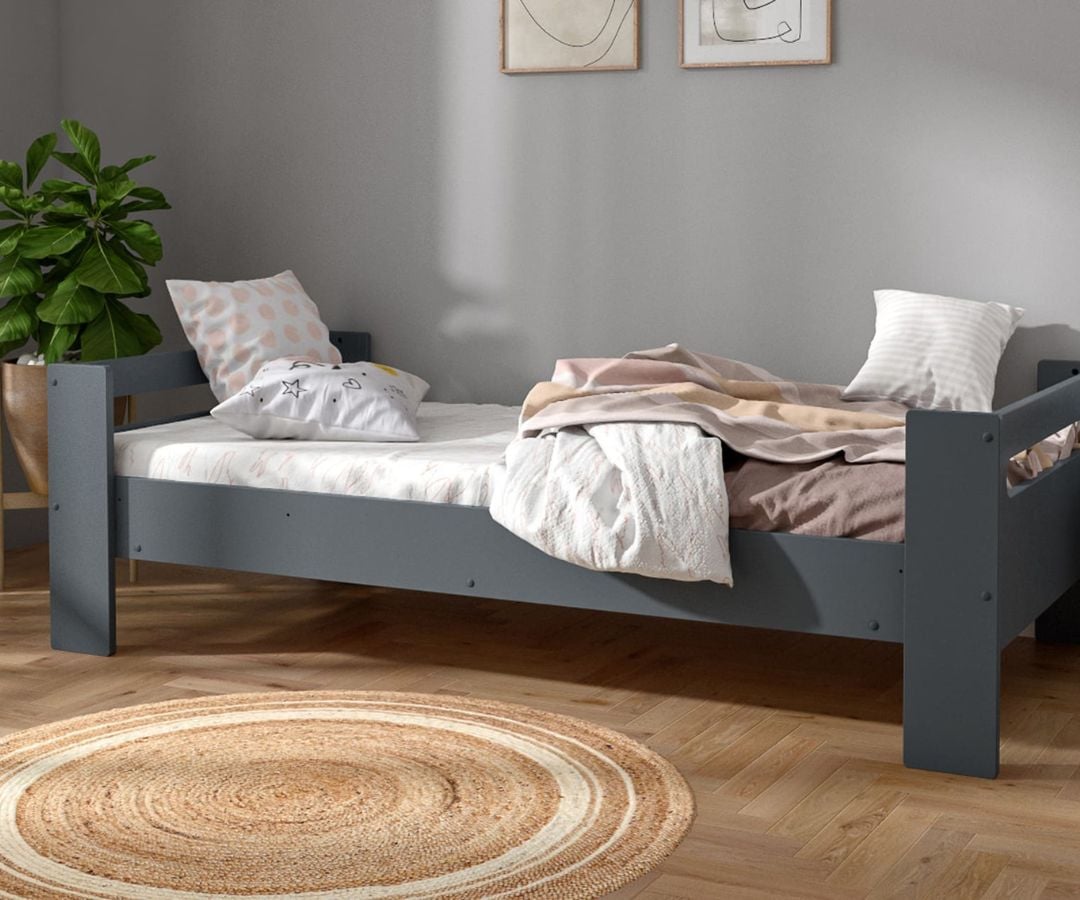
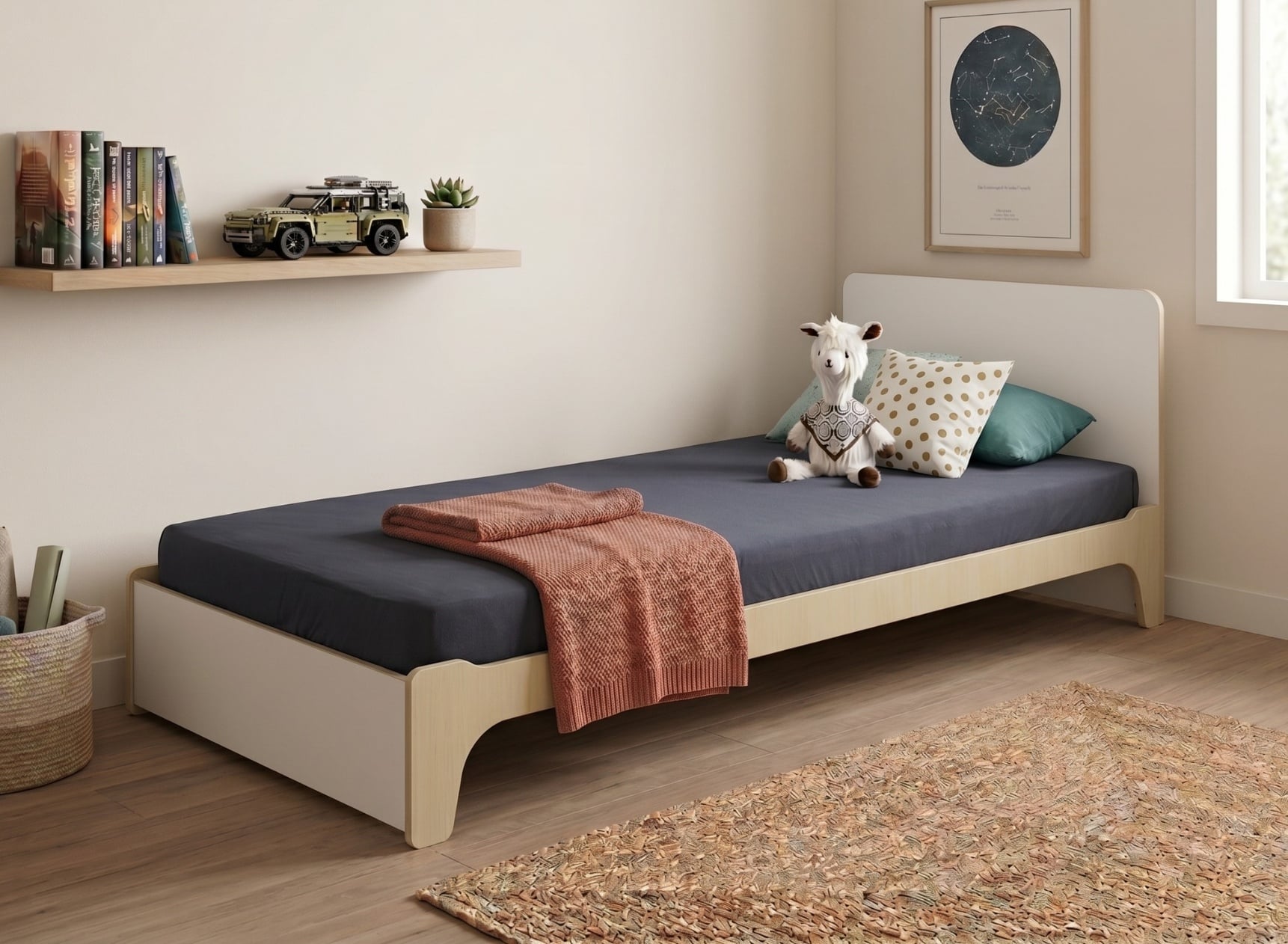
The simple low bed: Certain simple bed models are specifically designed to be close to the ground, combining a clean design with optimal safety.
Safety and comfort: the points of vigilance to choose well
Size, height... that's good. But for nights to be truly serene, there are some golden rules to never forget.
The safety rail: your best ally
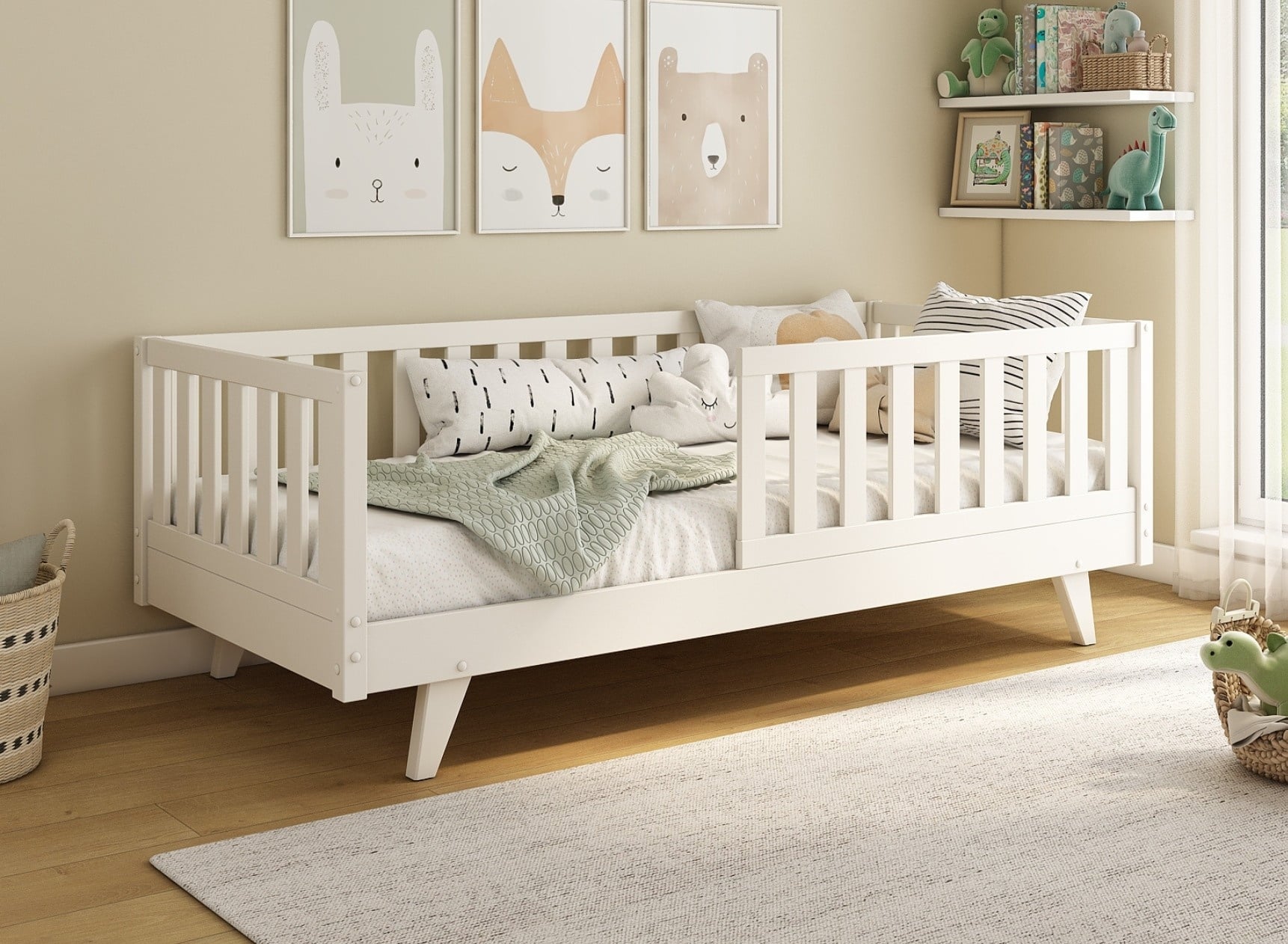
The transition to a big bed often triggers unprecedented nighttime agitation. The bed rail is not simply a decorative option. It's an absolute necessity, especially if the bed is not placed on the floor. This way you avoid sudden falls.
This device must be firmly attached and high enough to prevent rolling. It reassures your child as much as yourself. Nobody wants to wake up with a start at three in the morning.
Even on a 70x140 model, this accessory plays a key role. A small rail helps psychologically during the first weeks. It's the protective cocoon needed for this big transition.
The mattress and the bed base: an inseparable duo
Here's a fundamental rule: the mattress must fit perfectly in the bed frame. Never neglect this millimetric precision.
- Not the slightest gap: The smallest space between the mattress and the frame is a potential trap. An arm or leg can get stuck in it.
- The right firmness: A child's mattress must be firm but not hard. It must support a growing spine.
- The quality of the bed base: The bed base ensures the mattress's ventilation and support. It's a key point for healthy sleep and to create a true little cozy nest.
Ultimately, whether it's the reassuring cocoon in 70x140 or the durable investment in 90x190, the best choice remains the one that respects your child's rhythm. Always favor healthy materials and quality manufacturing to guarantee their safety and offer them serene nights in a healthy environment.
Sage green and wood bedroom: how to create a natural and soothing space
Children's bed size: the complete guide for healthy and safe sleep
How to decorate your bedroom with healthy materials?