Cooling baby's room: tips for ideal temperature
Nateo CONCEPT
Baby room: cooling tips
Is the heat in your baby's room disrupting their nights or your peace of mind? Discover solutions to cool down the baby's room, safely, thanks to natural tricks, adapted equipment, and regulation of the ideal temperature for baby. Preserve their peaceful sleep and health with concrete advice and tested tips for a pleasant and comfortable room.
The importance of ideal temperature in the baby's room
An unsuitable temperature exposes the baby to health risks. Excessive heat disrupts sleep, promotes dehydration, and increases the risk of sudden infant death syndrome. Infants have difficulty regulating their body temperature, so monitoring is necessary to prevent any danger.
The ideal temperature is between 18 and 20 °C for a baby room. This range ensures peaceful and safe sleep. A humidity level between 40% and 60% complements this thermal comfort. Maintaining these conditions prevents discomfort related to temperature extremes.
Natural techniques to cool the baby's room
Managing windows and shutters to maintain coolness
Close the shutters in the morning to block heat. Open windows in the evening to renew the air. Use cross ventilation by opening opposite windows.
- Favor thermal curtains to block the sun's heat
- Install insulating films on windows to reduce heat entry
- Close shutters during the hottest hours of the day
- Create an air current
- Improve window sealing with quality weatherstripping
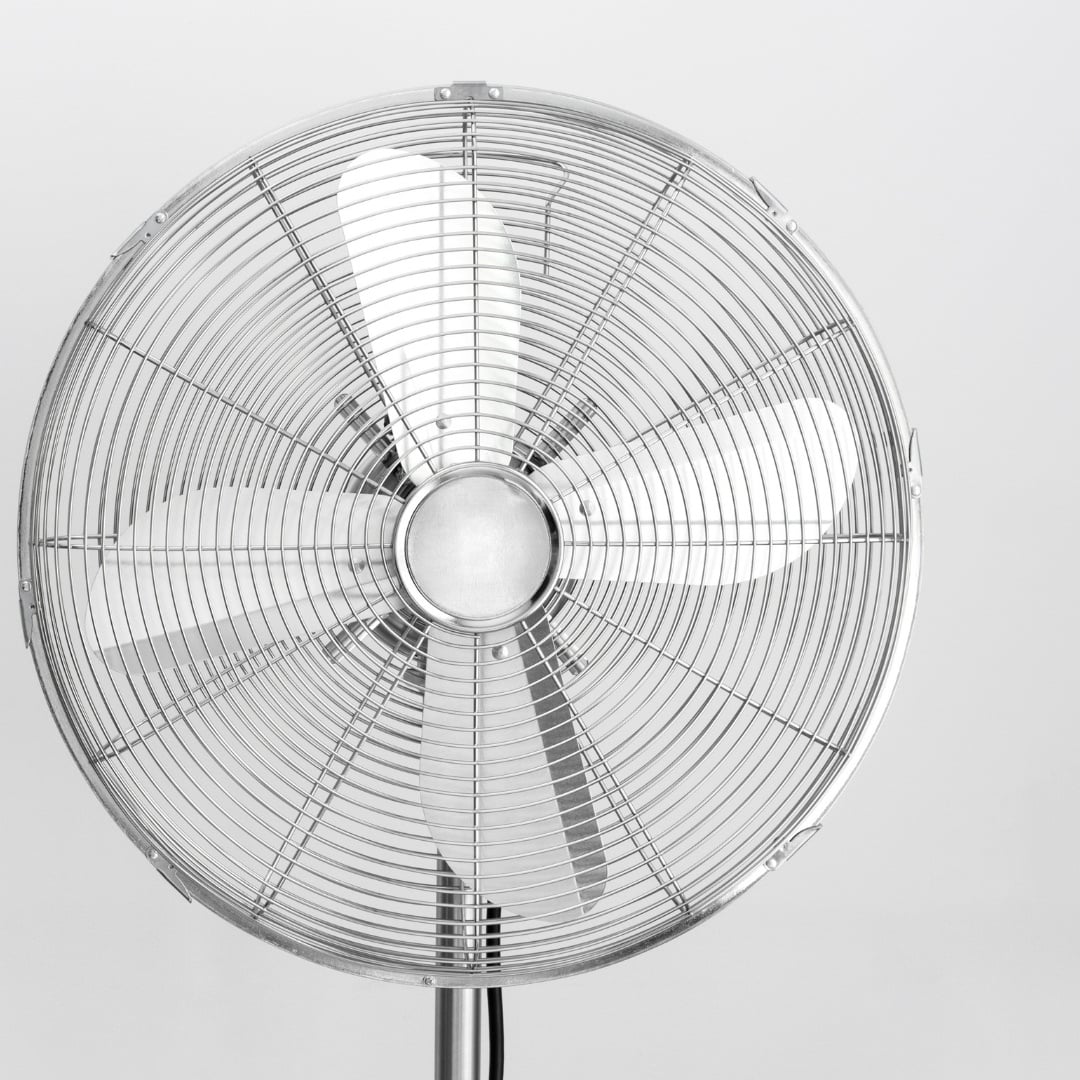
Good air circulation is important. Avoid directing the flow directly on the baby. Place a fan facing the wall to diffuse air safely.
Tips for natural humidification and cooling
Water evaporation lowers the temperature. Hang wet towels on windows or place frozen bottles in the room for a cooling effect.
Use damp towels hung in front of a window or frozen water bottles in the corners of the room. Their melting captures ambient heat for natural cooling.
💡Discover here some tips for humidifying a room
Furnishings and decor adapted to high temperatures
Favor natural textiles. Organic cotton and linen promote breathability. Avoid synthetic fabrics for optimal temperature regulation.
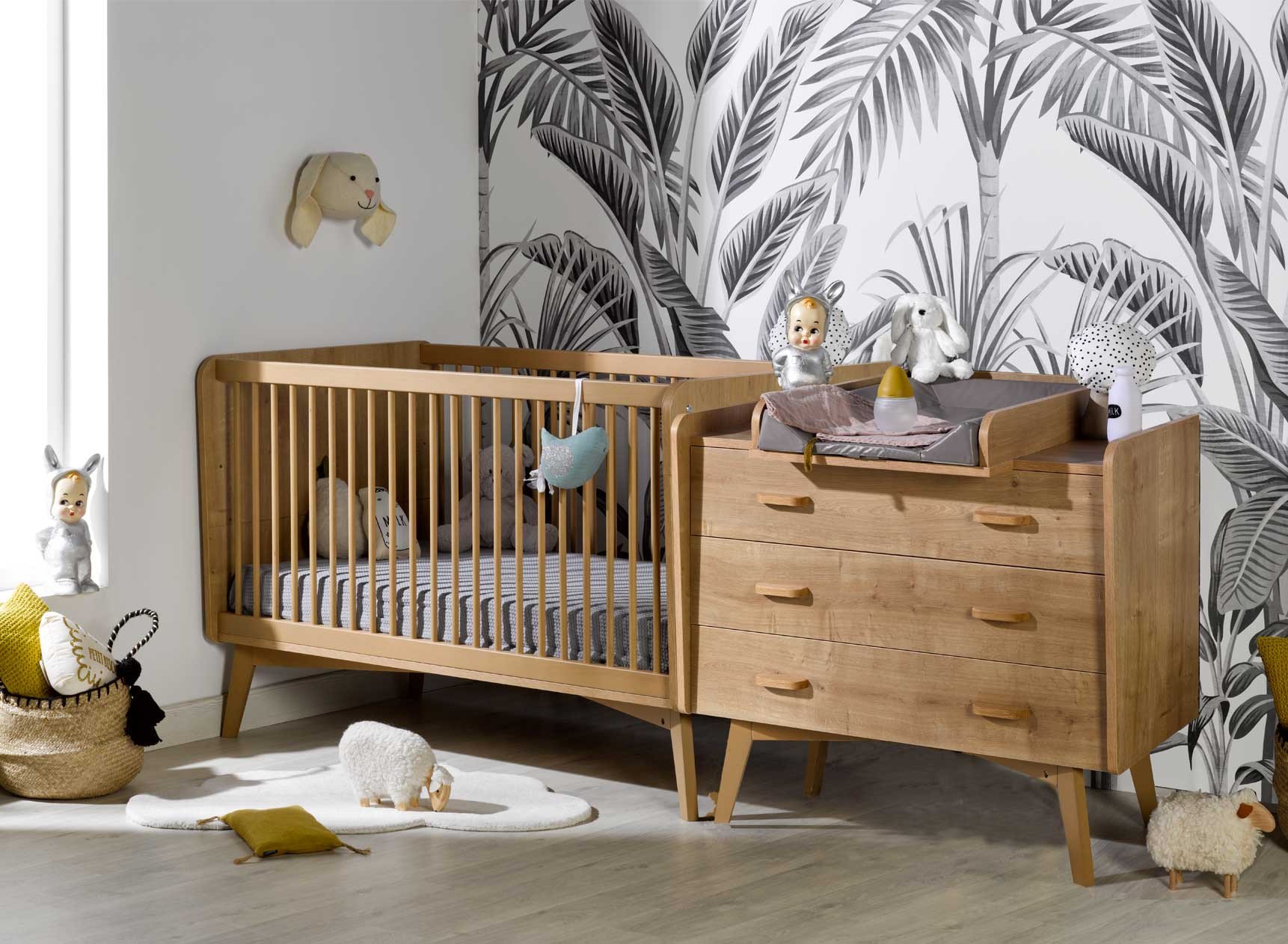
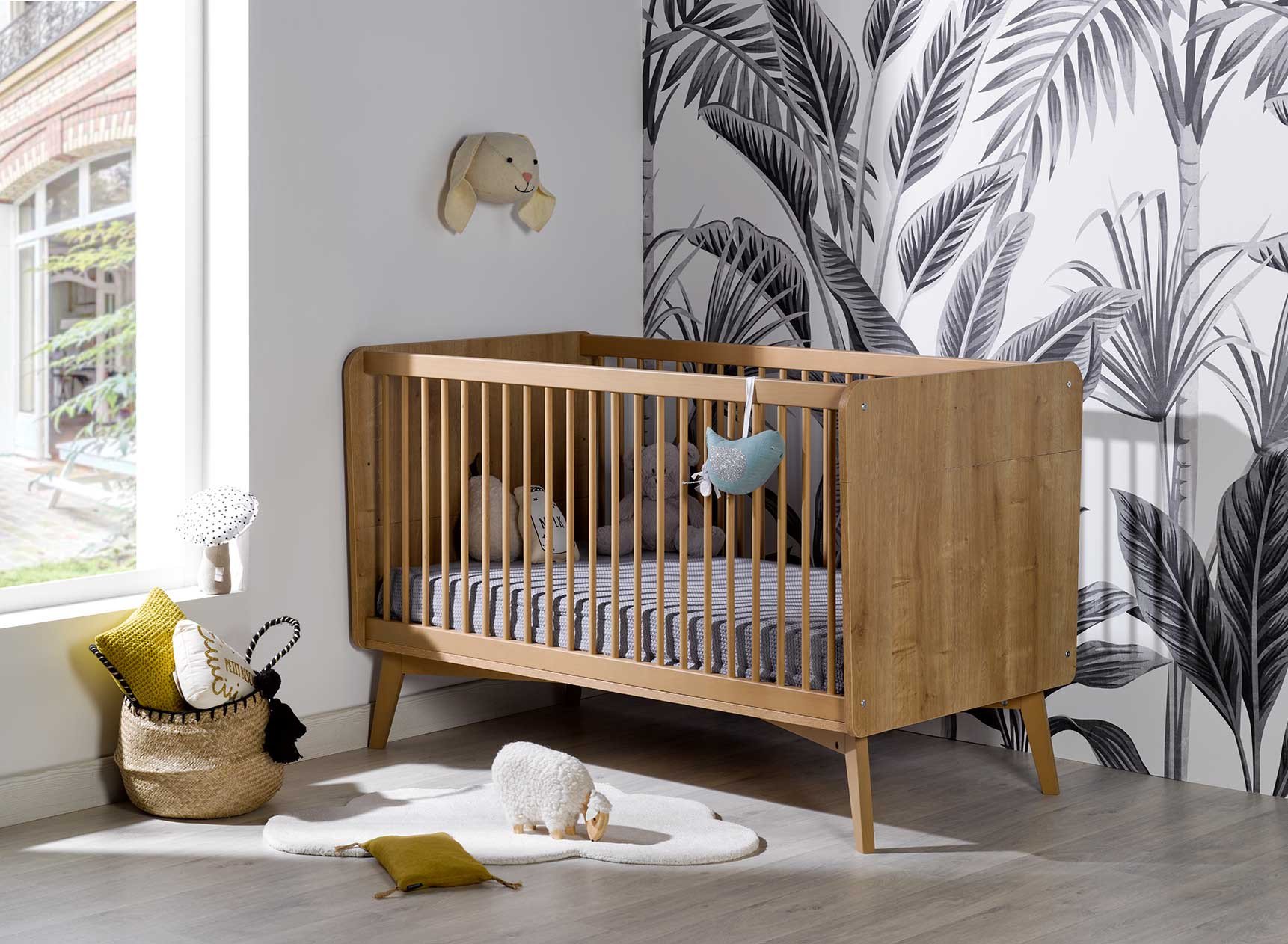
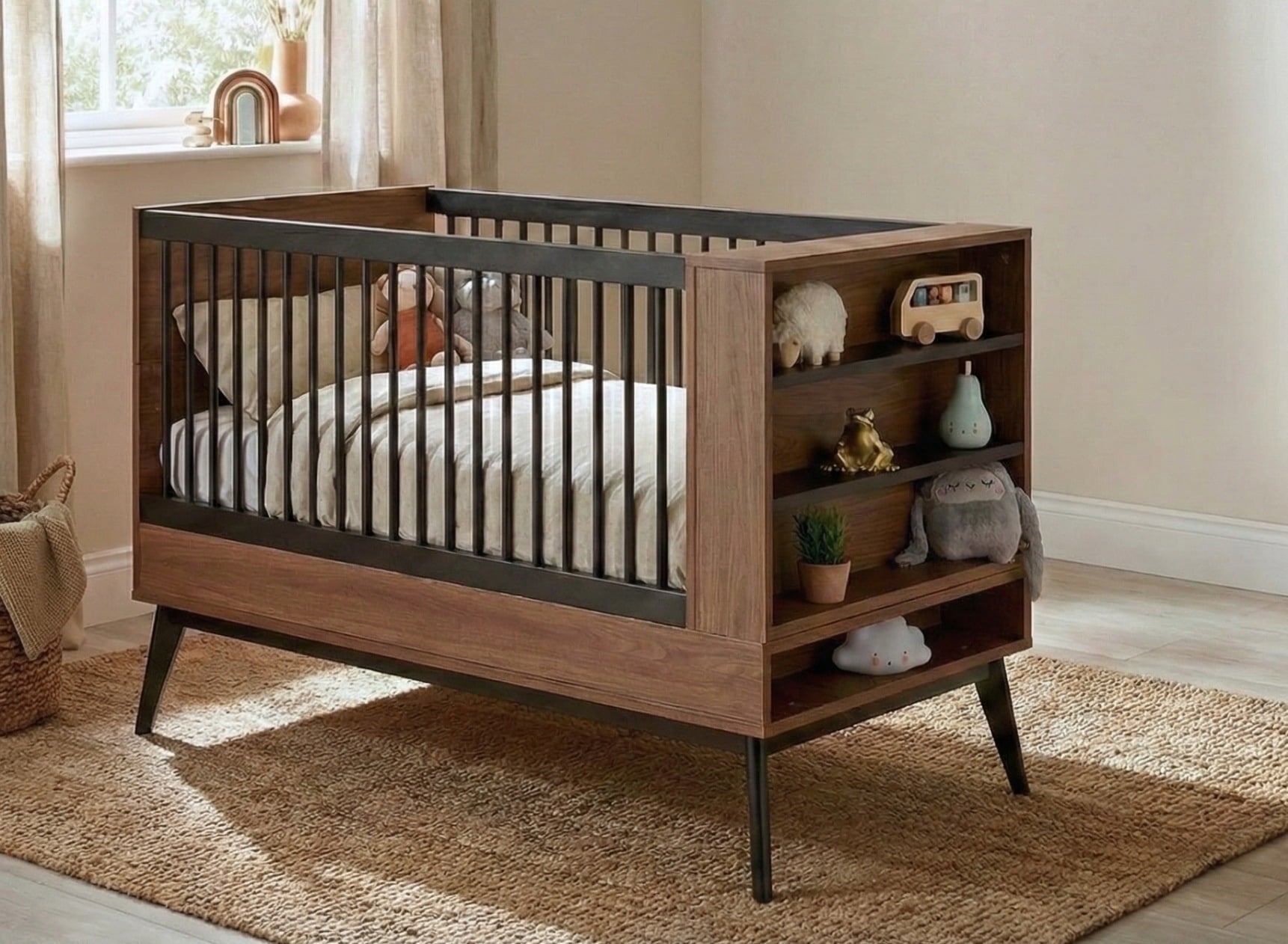
The VOLT eco-friendly wooden baby room offers an aesthetic and functional solution for optimal temperature regulation.
Opt for eco-friendly wooden furniture or eco-friendly wooden baby rooms that promote a healthy environment and better temperature management.
Solutions and adapted equipment to cool the baby's room
Fans and humidifiers: safe choice and use
Fans improve air circulation in a baby's room. Ceiling models or those with blade protection offer maximum safety. Prefer quiet devices to preserve the infant's sleep.
Place the fan out of reach of the bed, oriented towards a wall for indirect diffusion. Clean the device regularly to avoid dust. Check the ambient humidity level with a hygrometer.
A humidifier filled with distilled water maintains optimal comfort without promoting mold growth.
Air conditioning in the baby's room: for or against?
Air conditioning helps maintain a stable temperature in summer, but requires precautions. Avoid differences greater than 5°C with the outside and direct the airflow towards the wall for indirect diffusion.
- Set the air conditioner between 24°C and 26°C for the baby's room
- Avoid directing airflow directly towards the child's bed
- Clean air conditioner filters regularly to prevent bacteria
- Choose a programmable model for optimal use of air conditioning
- Combine air conditioning with natural air currents for a lasting effect
Use air conditioning in addition to cross ventilation. Program an automatic shut-off during the night and regularly check that the baby is not shivering. Maintain a temperature difference of less than 5°C compared to the outside.
Cooling objects and textiles for baby's comfort
Cooling mats and organic cotton sheets provide immediate comfort.
Iced silk pillows or technical fabrics wick away perspiration and limit nighttime awakenings due to heat.
Choose organic cotton bodysuits for natural temperature regulation. Sleeveless models and thin jersey fabrics promote skin breathability. Avoid synthetic fibers that retain body heat.
👶Discover the NateoConcept baby universe for a selection of eco-friendly textiles and accessories
Monitor temperature and recognize signs of discomfort
A damp neck, unusual crying, or a soaked onesie indicate that the baby is too hot. A rectal body temperature above 38°C or signs such as pale/red skin, rapid breathing, or dark urine require immediate intervention.
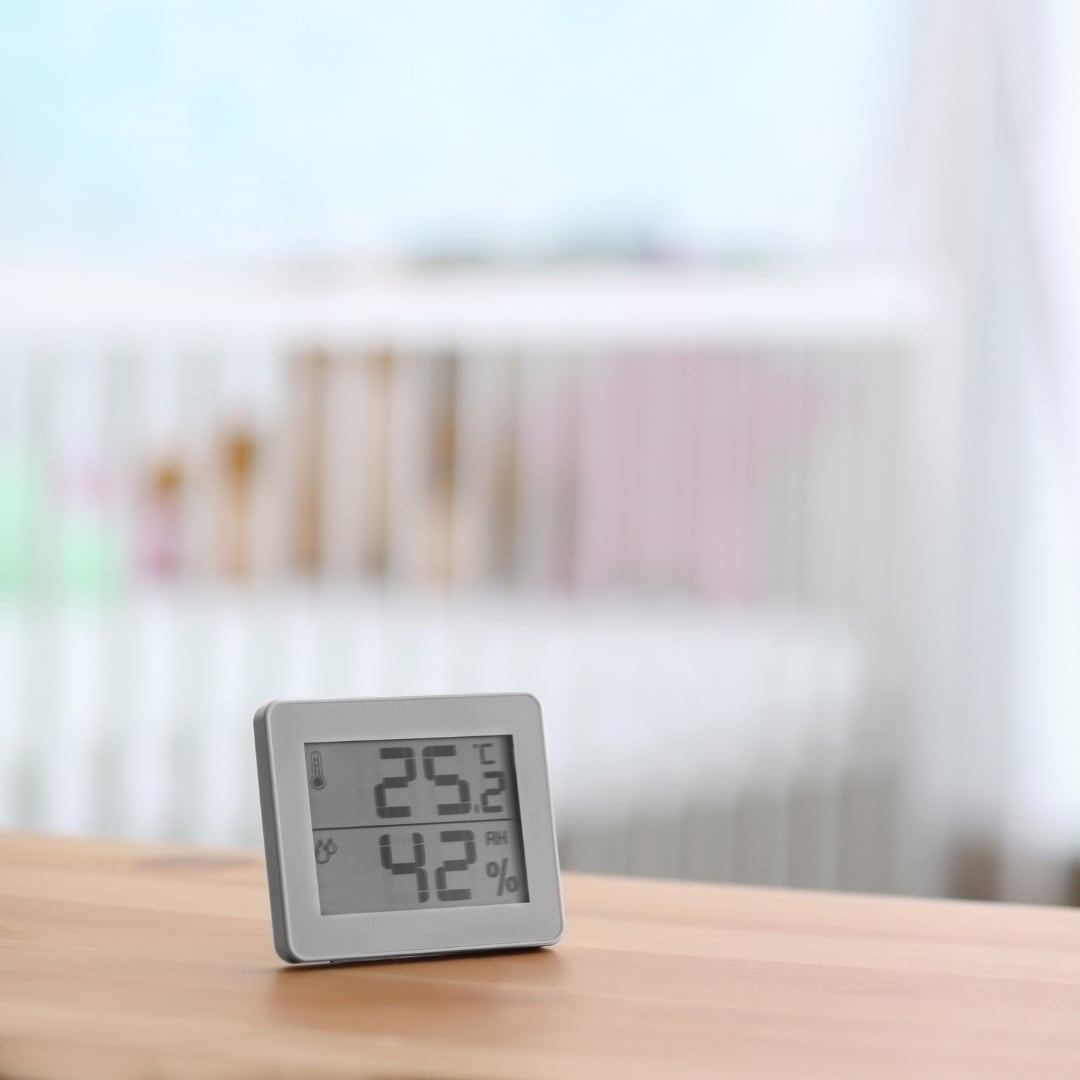
Monitor room temperature with a hybrid indoor thermometer. Use a connected baby monitor with a temperature sensor. In case of fever, prefer a digital rectal thermometer for accurate measurement. Keep the room between 18°C and 20°C for peaceful sleep.
For healthy sleep, cooling the baby's room involves simple actions: managing shutters, controlled air currents, and natural textiles. Favor sustainable solutions, avoid temperature extremes, and watch for signs of discomfort. A comfortable and secure environment is the promise of a peaceful bedtime, even during a heatwave your baby deserves this calm, every night.
Sage green and wood bedroom: how to create a natural and soothing space
Children's bed size: the complete guide for healthy and safe sleep
How to decorate your bedroom with healthy materials?