Does Santa Claus Exist? The Key Answer for Parents

- Categories : Tips

Nateo CONCEPT

The mystery of Santa Claus!

If we had to imagine the best answer to your child's famous question: "does Santa Claus exist?" it would be: "Santa Claus is a bit like the magic of Christmas coming to life. 🌟It's a way of showing all the love and kindness we give each other at Christmas. When we prepare a gift, decorate the house, or give a hug, it's a little piece of Santa Claus living in us. 🎁❤️ So yes, he exists… in the heart of everyone who makes the magic of Christmas shine. ✨"

Does Santa Claus really exist, or does this question hide deeper issues? Between the desire to preserve the magic of Christmas and your children's persistent doubts, how do you approach this famous question? Far from preconceived ideas, dive into the historical origins of the myth and explore the keys to preserving the spirit of Christmas, even after the mask falls, by creating new family rituals that reinforce the values of sharing and kindness.

Santa Claus: the nuanced answer between myth and reality

The question all parents dread (or await)

Sooner or later, the question comes: "Tell me, does Santa Claus exist?" For children, it's a quest for truth. For parents, a delicate moment where they must choose between preserving the magic or opting for honesty. This universal question marks a key stage in children's awakening to reality.

So, does he exist or not? An honest answer

No, Santa Claus, as described with his flying sleigh and reindeer, is not real. But he embodies a precious idea: that of generosity and the magic of Christmas. He's a symbolic figure born from a blend of ancient traditions, tales, and collective beliefs, such as Saint Nicholas or the Roman Saturnalia.

Santa Claus is not a physical person, but a wonderful idea. An idea of generosity and kindness that comes to life each year thanks to those who share these values.

His silhouette was built over the centuries, influenced by Nordic tales, 19th-century illustrations, and advertising campaigns. Today, he symbolizes the spirit of Christmas: a pretext for children to dream, and for adults to rediscover the joy of giving.

Whether you prefer to prolong the belief or explain its symbolic nature, remember: Santa Claus lives in amazed smiles, family traditions, and acts of sharing. His true power? Passing on simple values, year after year.

The origins of Santa Claus: the true story of a worldwide legend

Santa Claus is not a real person, but a mythical figure born from a blend of cultural and religious traditions. Behind this familiar image lies a rich and surprising heritage. Discover how a 4th-century bishop became a universal symbol of generosity and Christmas magic.

Santa Claus's ancestor: the generous Saint Nicholas

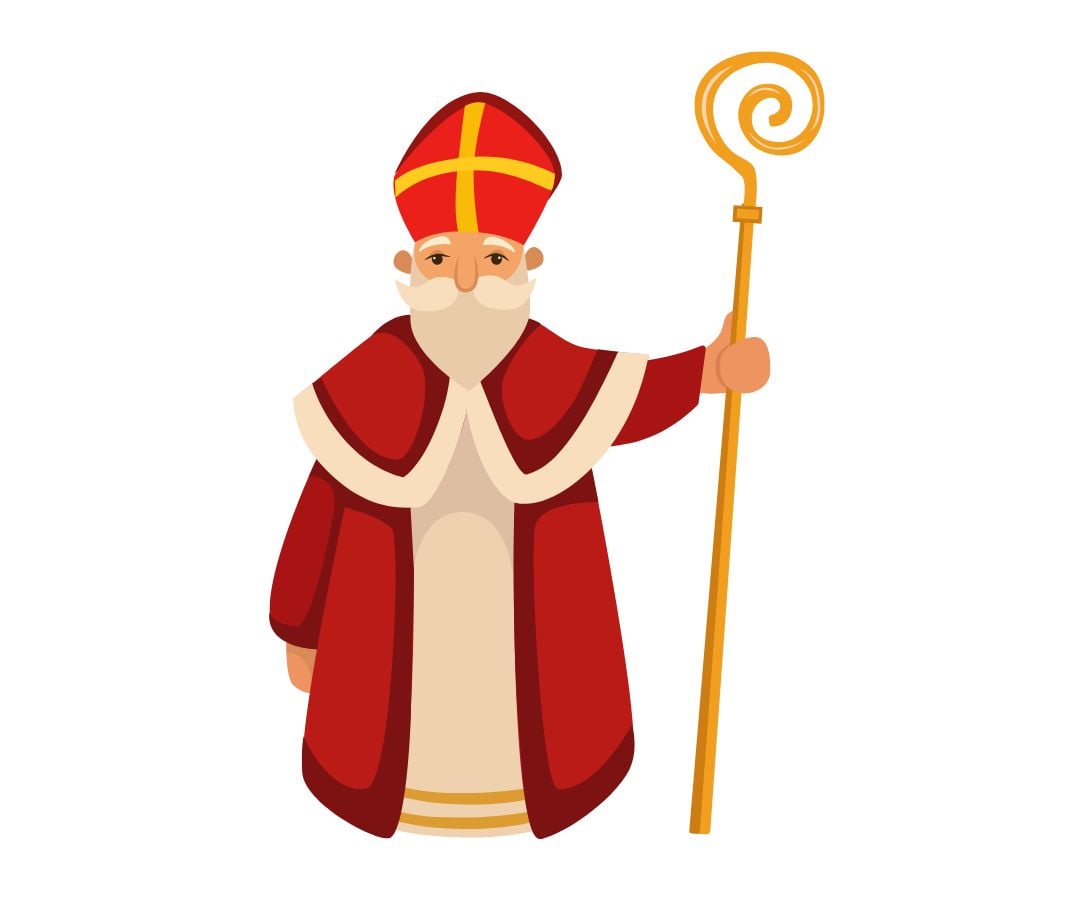
Santa Claus has his roots in the story of Saint Nicholas of Myra, a Turkish bishop from the 4th century. This saint, renowned for his kindness toward children, inspired the tradition of distributing gifts on December 6th. In France, Saint Nicholas Day is still celebrated, where children receive treats in their shoes. Arriving in the United States with Dutch immigrants, the character of "Sinterklaas" transformed into "Santa Claus".

How did Santa Claus get his current appearance?

Modern Santa Claus took shape in the 19th century thanks to two major influences. The 1823 poem A Visit from St. Nicholas described for the first time a plump character traveling in a sleigh with eight reindeer. The drawings of caricaturist Thomas Nast, from 1860 onward, established his iconic look: white beard, fur-trimmed clothing, and benevolent smile. Rudolph, the ninth reindeer, only appeared in 1939 in a commercial tale.

The famous red suit: a misconception to clarify

Santa Claus in red and white was not invented by a soda brand, contrary to popular belief. Since the Middle Ages, he was represented in red, a symbolic color of winter. However, Coca-Cola's 1931 advertisements popularized this image, thanks to Haddon Sundblom's illustrations. Before that, his coat could also be green or blue.

  • Saint Nicholas of Myra: the generous patron saint who inspired the tradition of gift-giving.
  • Sinterklaas: the Dutch version that traveled to America.
  • The poem "A Visit from St. Nicholas": which imagined his flying sleigh and jovial character.
  • 19th-century illustrations: which defined his visual appearance that we all know.

My child has doubts: how to approach the truth with kindness?

Questions about Santa Claus mark a key stage in your child's development. With no universal age, doubts often appear between 7 and 8 years old, with the emergence of logic. Prioritize active listening: a child questioning the chimney or Santa's logistical challenge is ready to understand. This transition marks their passage to a new maturity, where the magic of the myth becomes family complicity.

Is there a "right age" to tell the truth?

Experts estimate this awareness between 6 and 10 years old, depending on their pace. Some are preceded by their classmates or research. If a 5-year-old child discovers the truth too early, explain that they can continue to believe. Thus, a 5-year-old can see it as a "nice story" to share, without altering their imagination. Adapt your speech to their maturity and curiosity.

Transforming the discovery into a positive stage: entering the "grown-ups' secret"

Revealing the truth about Santa Claus isn't breaking a dream. It's rather inviting your child to become, in turn, a creator of magic for others.

Present this discovery as a passage to adulthood, where the child becomes keeper of the secret to preserve the magic for younger ones. Here are our tips for a smooth transition:

  • Listen before speaking: Only answer the questions asked, without saying more than necessary.
  • Value their maturity: "You're old enough to understand, you're now part of Santa Claus's team!"
  • Make them an accomplice: Involve them in surprises for the little ones, such as preparing gifts or decorating the house.
  • Tell them the story of Saint Nicholas: To anchor the tradition in historical reality and show them its deep roots.

By making them an ally, you transform this stage into an opportunity for sharing. Talk to them about your own discovery of the truth and create new traditions, such as role-playing games where they play Santa Claus.

💡It's also the time to involve the child in renovating their room with evolving and sustainable furniture, in line with their status as a "big kid."

The magic of Christmas lies in shared moments, generosity, and family traditions. By transforming the truth into a shared secret, you allow your child to celebrate Christmas differently, while respecting their pace. Involve them in preparing the meal or choosing the evening's movies to reinforce the idea that the joy of the holidays is collective, far beyond a legendary character.

Beyond the myth: how to preserve and pass on the magic of Christmas as a family

Keeping Santa Claus's true values alive

Santa Claus embodies generosity and sharing, values that parents wish to pass on to their children. Even though it's a myth, these teachings remain concrete. You can, for example, organize a family moment to prepare homemade gifts for loved ones or participate in charitable activities.

These simple gestures teach children to think of others and cultivate the spirit of Christmas all year round. Santa Claus then becomes a pretext for sowing seeds of kindness, strengthening family and social bonds.

🎁 Do you have a very young child and no gift ideas? Nateo Concept offers ideal Christmas gift ideas for babies or toddlers.

Create your own rituals for lasting magic

The magic of Christmas doesn't lie in a character, but in the traditions you forge together. An idea: establish a tree decorating ritual with music, where each member adds a new personalized ornament. You could also bake cookies together, or read a tale each evening before dinner.

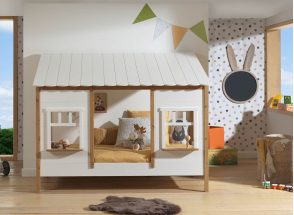
To amplify this enchanted atmosphere, imagine a space dedicated to imagination. A cabin bed could become a dream hideaway for dreaming about the magic of Christmas. This reassuring universe stimulates their creativity and makes the holidays even more memorable.

The most beautiful answer: the magic is you

When a child questions Santa Claus's existence, the answer doesn't lie in a physical being, but in shared love.

By continuing these traditions with kindness, you become the guardians of this magic. Santa Claus exists in your children's laughter, in the luminous decorations, in the exchanged embraces. And this magic will never fade.

Santa Claus embodies the spirit of Christmas, born from tenderness and smiles. Preserving his magic means cultivating generosity, family complicity, and creating rituals. The true magic is the one you weave, year after year, in your family's heart.