How to have twins: tips and preparation
Nateo CONCEPT
Twins: myth, tips and reality
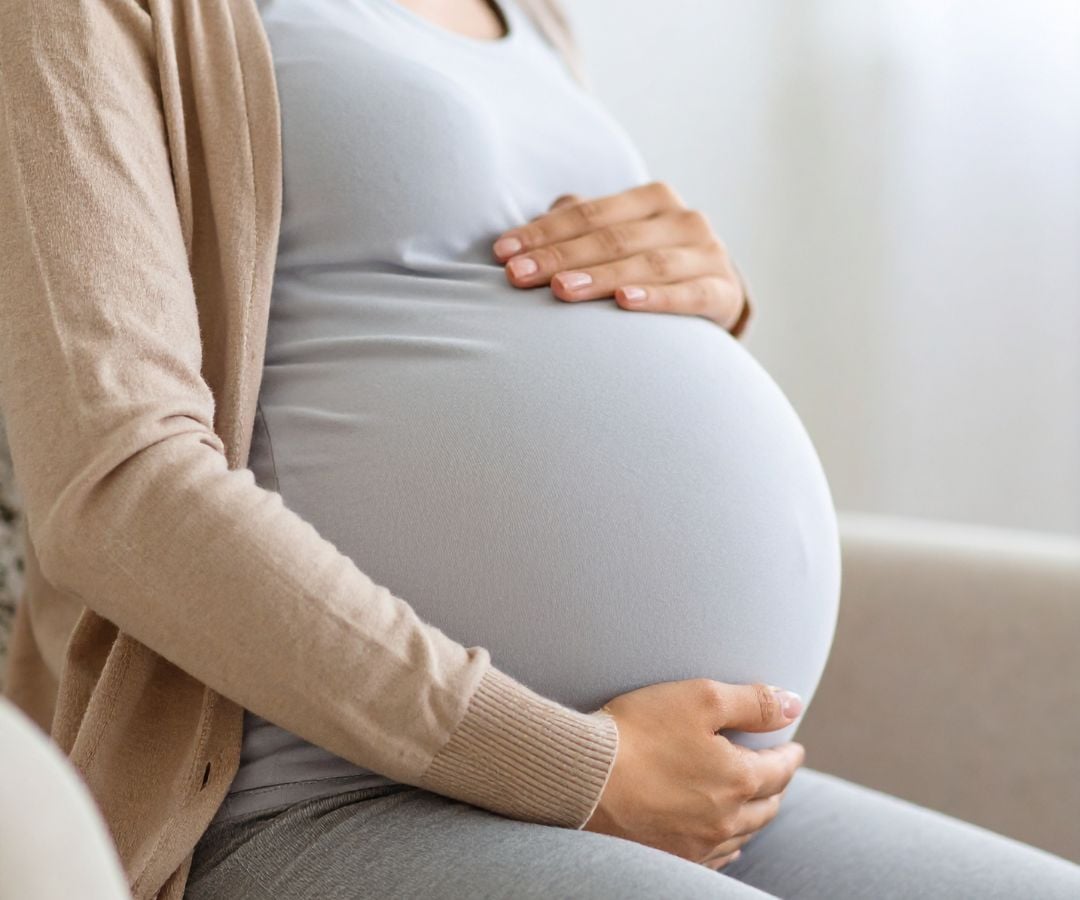
Are you wondering how to have twins and whether it depends on age, genetics, or medical solutions? This article reviews the factors that influence twin pregnancies, reliable methods to increase your chances, and key elements to know to prepare for the arrival of two babies, from the role of the twin gene to the time of delivery.
How to have twins? (quick answer)
There is no guaranteed method to have twins, but certain factors significantly increase the chances, especially for fraternal twins (dizygotic):
- Maternal genetics: having twins on the mother's side increases the chances of double ovulation.
- Woman's age: around 35–37 years, the ovaries more often release two eggs.
- Body type: a slightly higher BMI is statistically associated with more twin pregnancies.
- Diet: consumption of yam or sweet potato could stimulate ovulation.
Natural factors that boost your chances of having twins
After dreaming of this double news, let's see how nature sometimes gets involved to give us an unexpected little boost.
The influence of heredity and maternal genetics
Maternal heredity is the cornerstone. If your mother or grandmother had twins, your chances of polyovulation naturally increase.
The father also plays a very real role. He can pass on this "super-ovulation" gene directly to his own daughters.
It's a unique family story. Genetics often dictate the pace of your future twin fertility.
The impact of age and body type of the mother-to-be
The biological clock sometimes holds beautiful surprises. Around 37 years old, the body more often releases two eggs simultaneously. It's a peak of twin fertility well known to specialists. Hormones get a bit excited before menopause.
Body type also matters in statistics. Women with a higher BMI would have a greater chance of conceiving twins. It's quite an astonishing scientific finding.
The surprising role of diet and lifestyle
Your plate could influence your cycle. It's said that consuming wild yam stimulates ovulation. Some populations consuming this tuber have more twins.
Lifestyle also impacts your hormones. Smoking, although harmful, sometimes creates hormonal imbalances favoring multiple births. It's a biological paradox.
How do you know if you're expecting twins?
Once conception is successful, doubt often sets in quickly when faced with symptoms that are sometimes more intense than normal.
Detecting biological signs from the first weeks
The beta-HCG hormone level is a formidable indicator. In the presence of twins, this number skyrockets very quickly. Blood tests often reveal this surprise.
Early pregnancy tests today show impressive reliability. They detect the presence of multiple embryos through the intensity of the reaction. It's a strong first sign.
Your body reacts more strongly. Morning sickness is, unfortunately, often doubled.
At how many weeks can you deliver twins?
A twin pregnancy lasts less time than a single pregnancy. The average term is generally around 37 weeks. Babies therefore often arrive a bit early.
Medical monitoring becomes very close at the end. The babies' weight and cervical condition are carefully checked. Induction is sometimes necessary for their safety.
Once home, you need to know how to get twins to sleep in their room. That's the next step.
Creating a healthy and sustainable bedroom for your future children
Now that the project is taking shape, it's time to think about organizing their future cozy and safe nest.
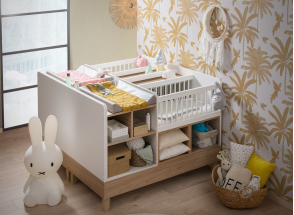
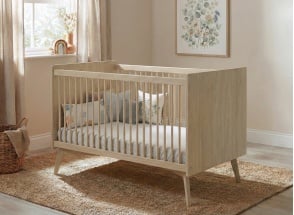
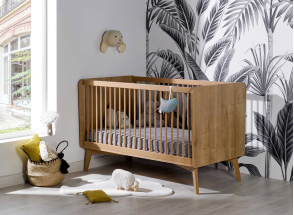
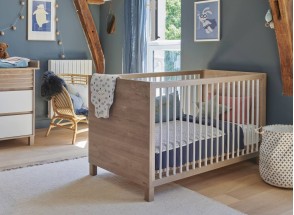
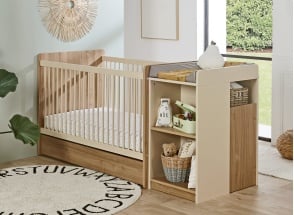
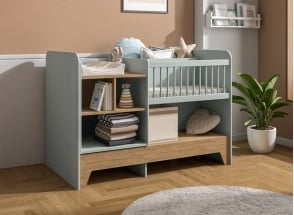
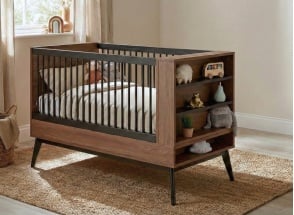
Choosing suitable baby beds for a double room
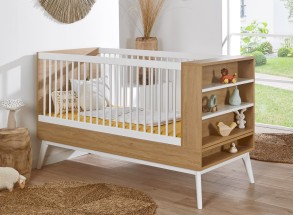
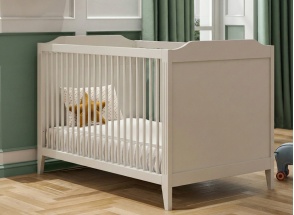
The layout requires ingenuity and foresight. Opting for eco-friendly wooden baby beds is a healthy choice. Your newborns will spend a lot of time sleeping. The quality of materials is therefore an absolute priority for their health.
Here are the essential criteria to guarantee pollutant-free sleep:
- Advantages of water-based paints without VOCs.
- Importance of certified solid wood.
- Benefits of natural mattresses.
- Space-saving with compact models.
To go further, consult our guide on which baby beds to choose for twins without making a mistake.
Nateo Concept offers sustainable solutions. Their furniture respects the environment and the well-being of your little ones.
Anticipating the future with Nateo Concept bunk beds
Babies grow fast, you have to think ahead. Nateo Concept bunk beds are perfect. It's a smart investment for your home.
French manufacturing guarantees unmatched durability. Evolving furniture follows your children's growth without faltering. You gain valuable floor space for play.
These beds stand out with major advantages for demanding parents:
- Enhanced safety of Nateo Concept beds.
- Modern and sleek design.
- Modular sleeping arrangements.
- Use of wood from managed forests.
Choosing Nateo Concept means offering the best. Your twins will sleep peacefully in a room designed for them.
If understanding the factors influencing how to have twins enlightens your project, preparing their environment quickly becomes the absolute priority. Anticipate this double arrival now by choosing healthy and evolving furniture. Offer your future children a sustainable and secure cocoon for peaceful nights.
FAQ
How to maximize your chances of having twins?
There is no miracle recipe, but certain natural factors seem to favor twin pregnancies, especially for fraternal twins. Maternal age is crucial: the peak fertility for double ovulation is around 37 years old. A diet rich in yam or sweet potato, as observed in Nigeria, could also influence the cycle thanks to a molecule similar to estrogen.
Does heredity really play a role in conceiving twins?
Yes, genetics plays a predominant role, mainly for dizygotic twins (fraternal twins). If you have twins in your maternal family, your chances of polyovulation increase. It's a hereditary trait passed down through women.
The father also plays a role, albeit indirect: he cannot influence his partner's pregnancy, but he can pass on this "super-ovulation" gene to his own daughters. They will then have a greater chance of having twins once they become mothers.
What are the first signs that may indicate a twin pregnancy?
Certain physiological signs are often more intense than for a single pregnancy. A beta-HCG hormone level that skyrockets very quickly is an excellent biological indicator. Physically, expectant mothers often report extreme fatigue, more frequent nausea, and a belly that rounds out faster.
However, the only reliable way to confirm this double good news remains the dating ultrasound, generally performed between the 7th and 13th week of amenorrhea.
What is the average duration of a twin pregnancy?
A twin pregnancy is naturally shorter than a single pregnancy. On average, delivery occurs around 36 to 37 weeks of amenorrhea (WA). Babies are often considered premature and require increased monitoring.
The term also depends on the type of pregnancy: for twins with two placentas (bichorionic), delivery is often scheduled between 37 and 39 weeks. For those sharing the same placenta (monochorionic), doctors generally recommend a slightly earlier birth, between 36 and 37 weeks, for the safety of the children.
Sage green and wood bedroom: how to create a natural and soothing space
Children's bed size: the complete guide for healthy and safe sleep
How to decorate your bedroom with healthy materials?