How to help a baby who won't sleep?
Nateo CONCEPT
Tips for peaceful nights with baby
Is your baby struggling to find sleep? Discover advice and tips to help them sleep better and regain more peaceful nights.
Understanding infant sleep
Baby's sleep is a real mystery for many parents. Why do some sleep peacefully, while others seem to struggle against each nap? Understanding the mechanisms that govern their sleep cycle allows you to adapt good practices and avoid a lot of frustration.
The evolution of sleep during the first months
From birth, the newborn does not yet follow a regular rhythm. Their sleep cycle is fragmented into short periods, often between 2 and 4 hours. This is explained by the immaturity of their brain, which does not yet secrete enough melatonin, the hormone that regulates the day/night alternation. It takes about three to four months before a beginning of regularity appears.
Over the weeks, a progressive adjustment takes place. But unlike adults, deep sleep phases are shorter in babies, which explains their frequent awakenings. Moreover, they spend a large part of their sleep in REM phase, essential for their brain development.
Their energy needs also play a crucial role. In full growth, they need to eat regularly to meet their metabolic needs. Thus, a night awakening is not necessarily a sleep problem but may be related to a physiological demand: a bottle, a feed or simply a reassuring contact with their parents.
Signs of fatigue to watch for
A tired baby doesn't always fall asleep easily! They may even seem paradoxically more agitated when they lack rest. Learning to spot the precursor signs helps avoid a build-up of tension and optimise bedtime.
Identifying early signs
The first signs are often subtle: repeated yawning, rubbing of the eyes or loss of interest in their immediate environment. At this stage, it is still easy to intervene gently to promote falling asleep.
If these signals are ignored, irritability quickly sets in. Inconsolable crying may appear and make falling asleep more difficult. An overtired baby can enter a state of hyperstimulation where they will struggle to let go.
Finally, some behavioural changes may indicate that it's time for them to sleep: staring into space, disorderly movements or excessive clinging to their parents are all valuable clues.
Establishing a sleep routine
One of the keys to promoting good falling asleep is setting up a stable and reassuring routine.
The importance of a stable routine
A predictable ritual helps the baby understand that it's time to prepare for sleep. This consistency creates a sense of security essential to avoid anxiety related to bedtime.
Simple strategies allow to establish this routine: gradually reducing light intensity at the end of the day, establishing calm moments like a lullaby or a back rub.
Relaxing activities are also important: a lukewarm bath followed by a cuddling moment can create a soothing climate conducive to rest.
Also discover our advice on getting baby to sleep in their bed.
Creating a conducive environment
The environment in which your child sleeps plays a major role in the quality of their sleep.
Optimising the sleeping space
An ideal temperature is between 18 and 20°C to avoid any thermal discomfort that could disturb their falling asleep.
Managing light in the baby's room is also important: favouring total darkness promotes the natural production of melatonin. If your child shows a nascent fear of the dark, a dimmed night light can be considered in moderation.
Finally, some babies are sensitive to ambient noises. White noise can be an effective solution to mask disruptive sounds and recreate an atmosphere similar to that felt in the womb.
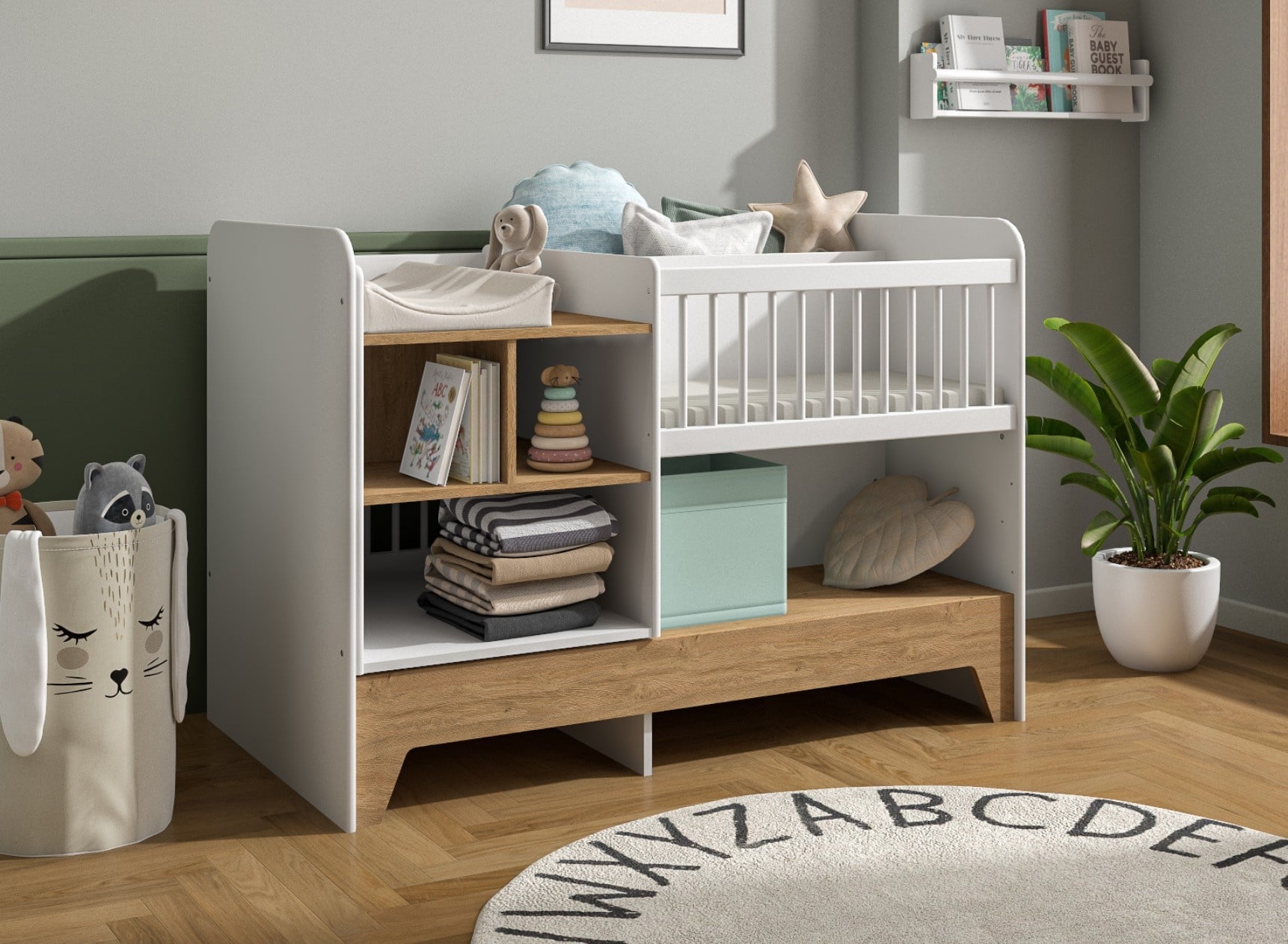
Because optimal sleep also and especially depends on the bed, discover our selection of baby beds.
Relaxation techniques for parents
Chronic lack of sleep can be very challenging for parents! Managing your own fatigue is essential to maintain patience and kindness in the face of restless nights.
Managing stress related to lack of sleep
Simple exercises like deep breathing can instantly soothe the nervous system and reduce tension accumulated after several successive night awakenings.
Taking micro-breaks during the day also contributes to parental well-being: even a few minutes are sometimes enough to mentally recharge the batteries!
Finally, relying on your entourage is essential: delegating certain tasks or temporarily accepting family help often allows to lighten the mental load linked to complicated nights.
When to consult a professional?
Despite all these precautions, some sleep disorders sometimes require specialist advice.
Knowing how to recognise worrying signs
Excessively frequent awakenings (every hour), inconsolable crying despite all your efforts, or associated digestive problems should alert to a potential underlying medical cause.
If your child seems constantly uncomfortable after their bottle or shows persistent signs of abdominal discomfort (wriggles a lot after eating), they may be suffering from gastroesophageal reflux requiring specific management.
In some rare but real cases, neurological disorders can impact the sleep-wake cycle and then require a specialised consultation with a paediatrician or an infant sleep expert.
In conclusion
Helping your child sleep better requires patience and adaptation but every progress counts! Each situation has its solution and with time, peaceful nights always end up coming!
Sage green and wood bedroom: how to create a natural and soothing space
Children's bed size: the complete guide for healthy and safe sleep
How to decorate your bedroom with healthy materials?