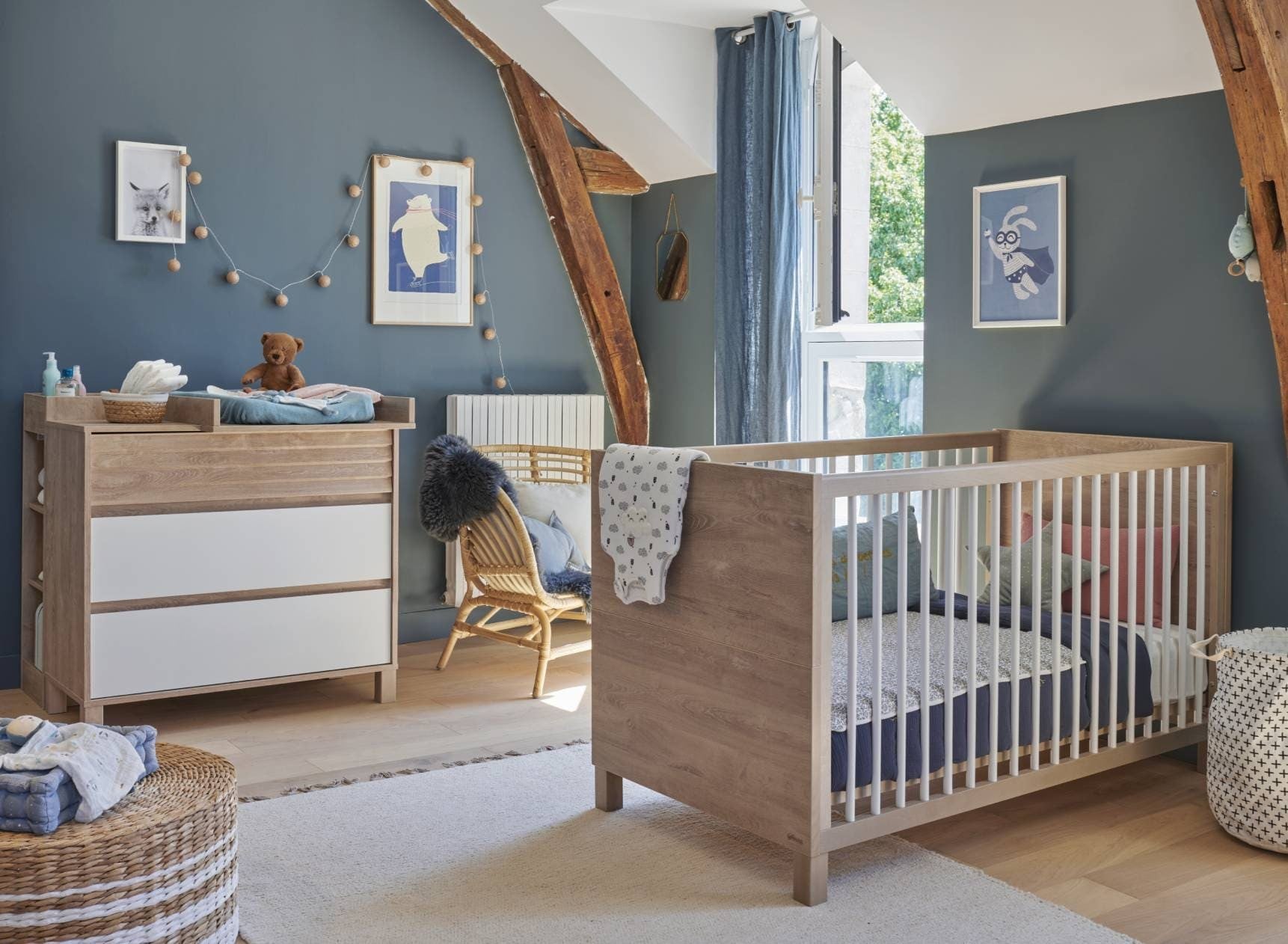
Putting baby in their room at 1 month: advice for a smooth transition
Nateo CONCEPT
How to move baby into their own room at 1 month?
Moving your baby into their own room at 1 month can be a delicate step. Discover our advice for a smooth transition, promoting sleep and creating a reassuring environment for the whole family.
Understanding the need for transition
The importance of a safe environment
When it comes to settling a baby of 1 month in their own room, safety is paramount. At this age, the infant's ability to signal discomfort is still limited. Appropriate monitoring is therefore essential. A breathing monitor can provide additional peace of mind, while proper bed positioning minimises risks related to sleep. Preventing dangers such as suffocation or sudden death relies on specific choices: firm mattress, no pillows and light blanket.
Temperature plays a key role in sleep quality. A room between 18 and 20°C is ideal to avoid any risk of overheating or hypothermia, which could disturb the infant's sleep. Appropriate clothing is better than a blanket, thus reducing the risks of suffocation. Regular checking of the baby's neck also helps ensure they are neither too hot nor too cold.
A familiar environment facilitates the transition to a new room. Gradually introducing the infant to their space improves their comfort. Spending time with them in this room during the day helps create positive associations before sleeping there alone. A soothing mobile or soft night light can also promote gentle adaptation.
Benefits for baby and parents
Autonomy builds from the first weeks. Sleeping in their own room encourages a degree of independence, as it limits wake-ups caused by parents' noise and movements. This gradual separation also helps establish a stable night-time routine, essential for good development.
For parents, regaining better quality sleep is a major advantage. Each micro-awakening of the infant interrupts their sleep, which can lead to fatigue and irritability. Having your baby in their own room often allows better recovery while maintaining a form of reassurance, particularly through audio or video monitors.
A healthy family balance also relies on managing night-time stress. A better-rested parent is more emotionally and physically available during the day. This slight distance between baby and parents sometimes prevents hyper-vigilance and allows everyone to find their rhythm without compromising emotional closeness.
Safety first
Ensuring a secure environment
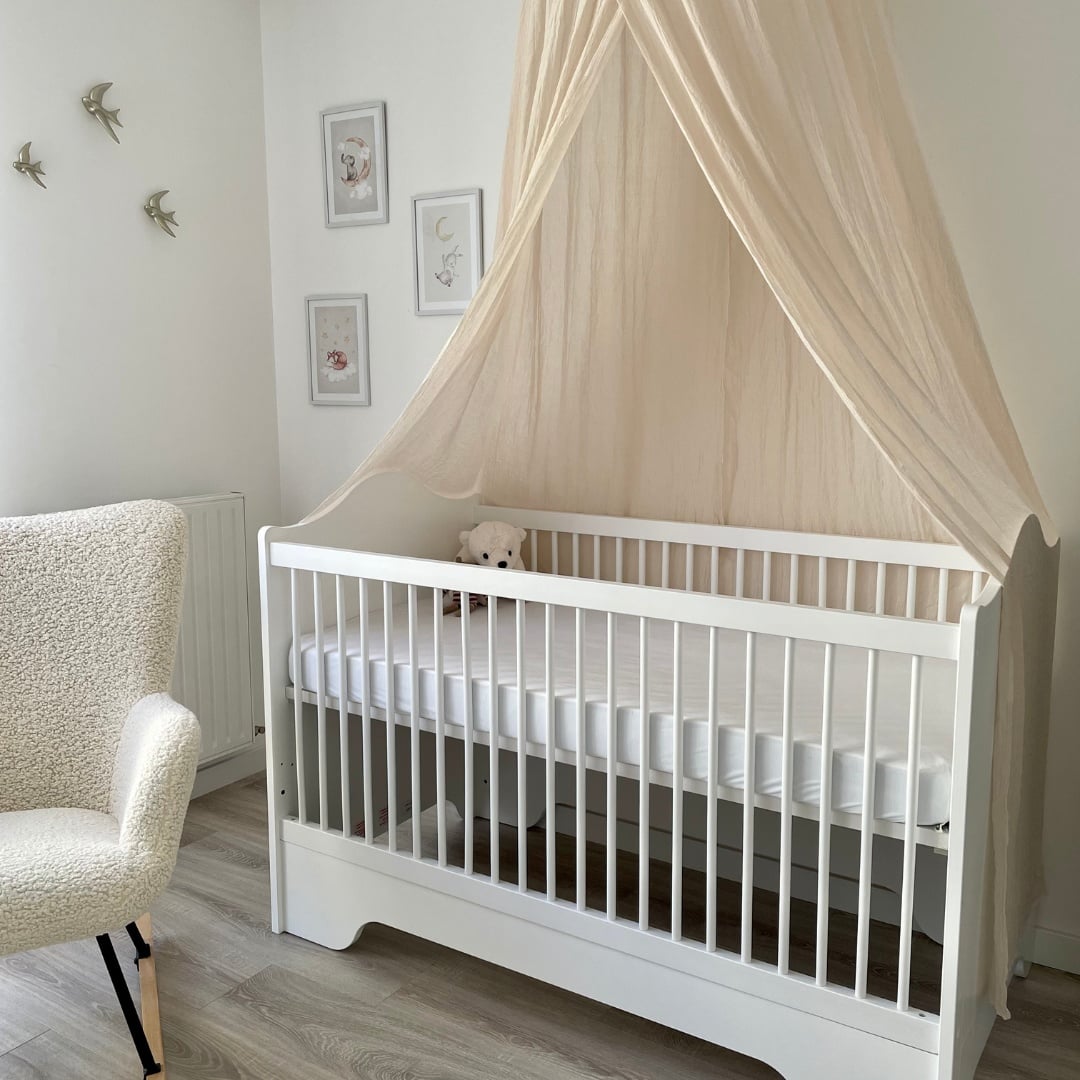
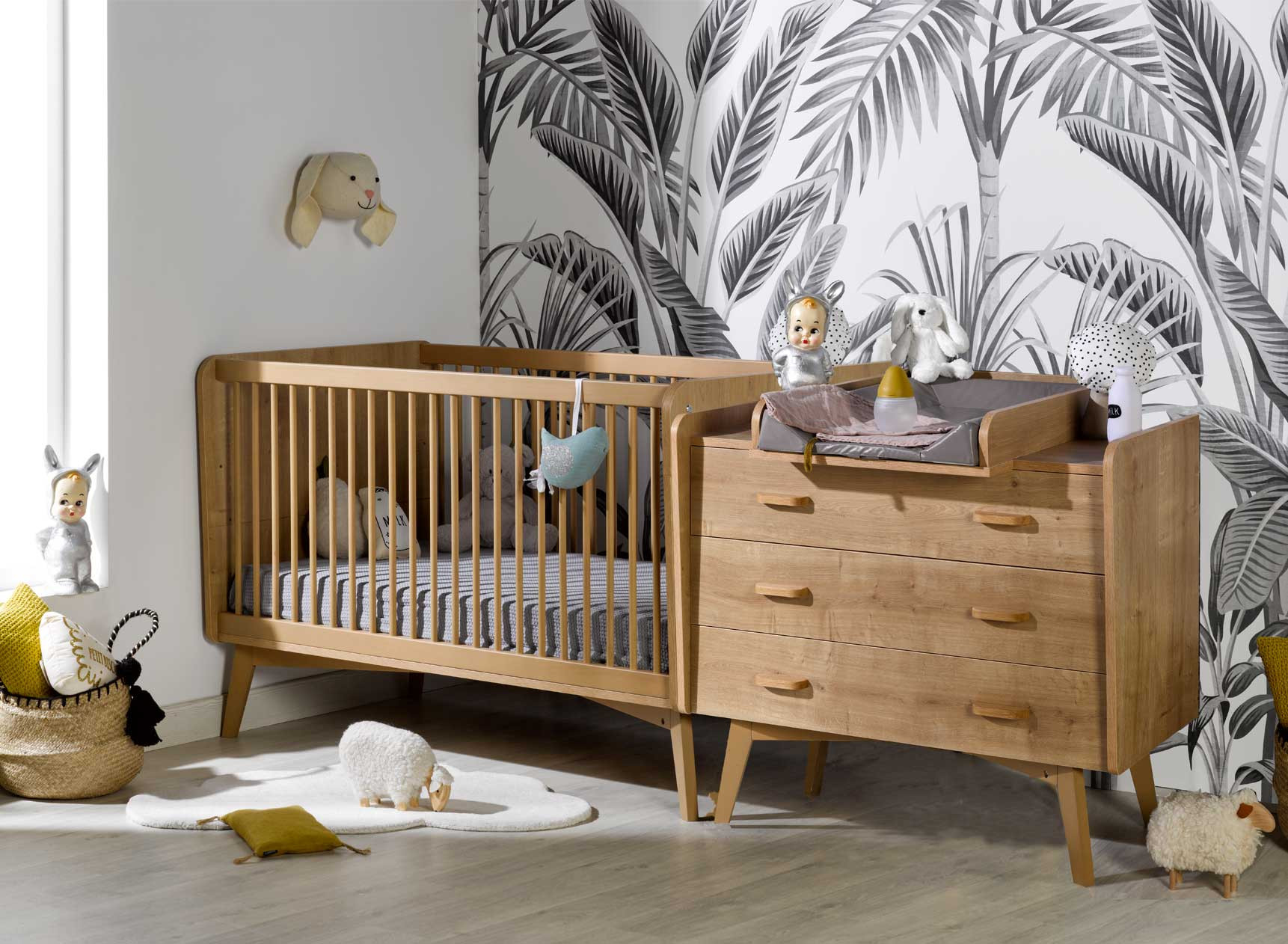
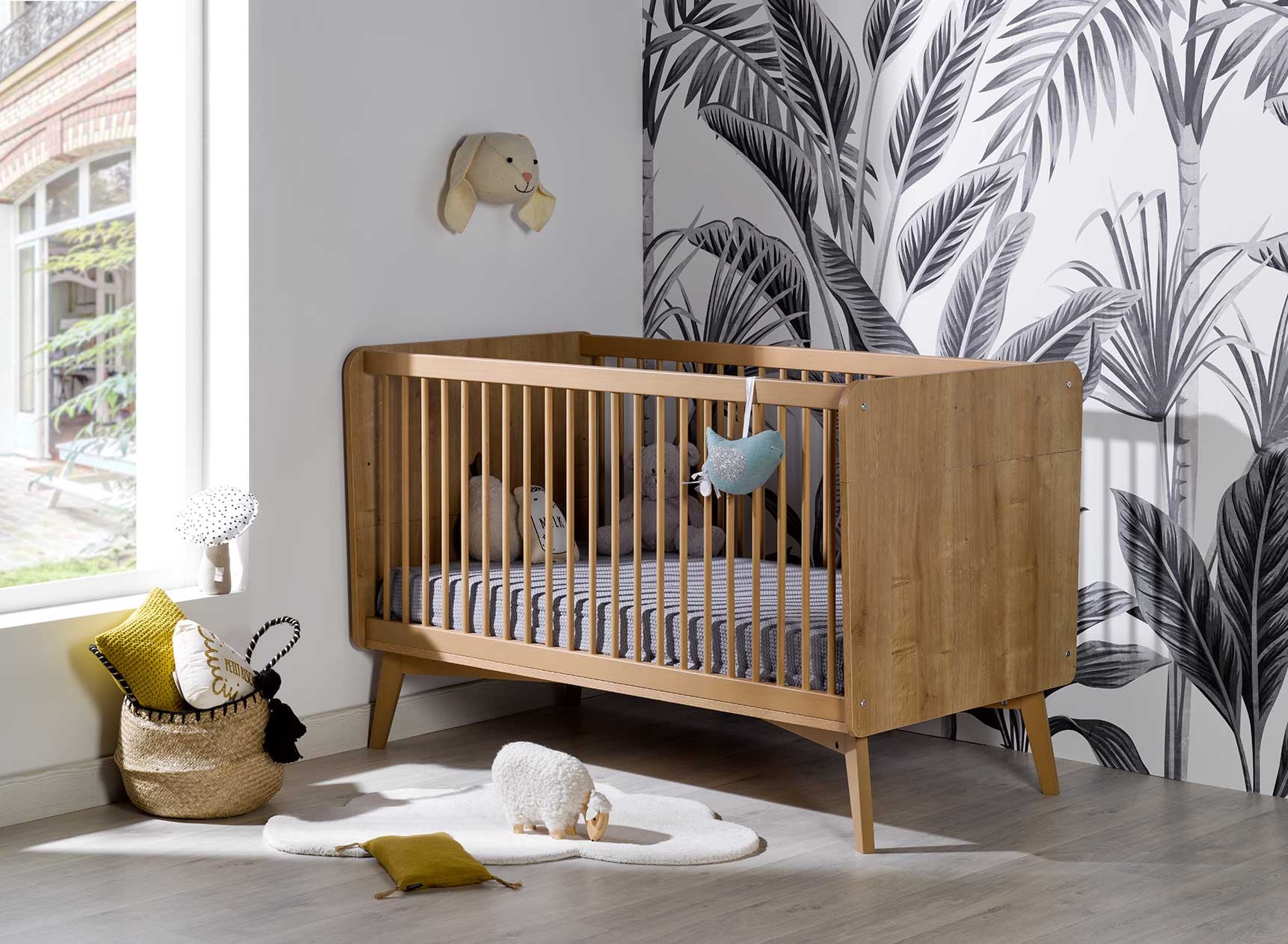
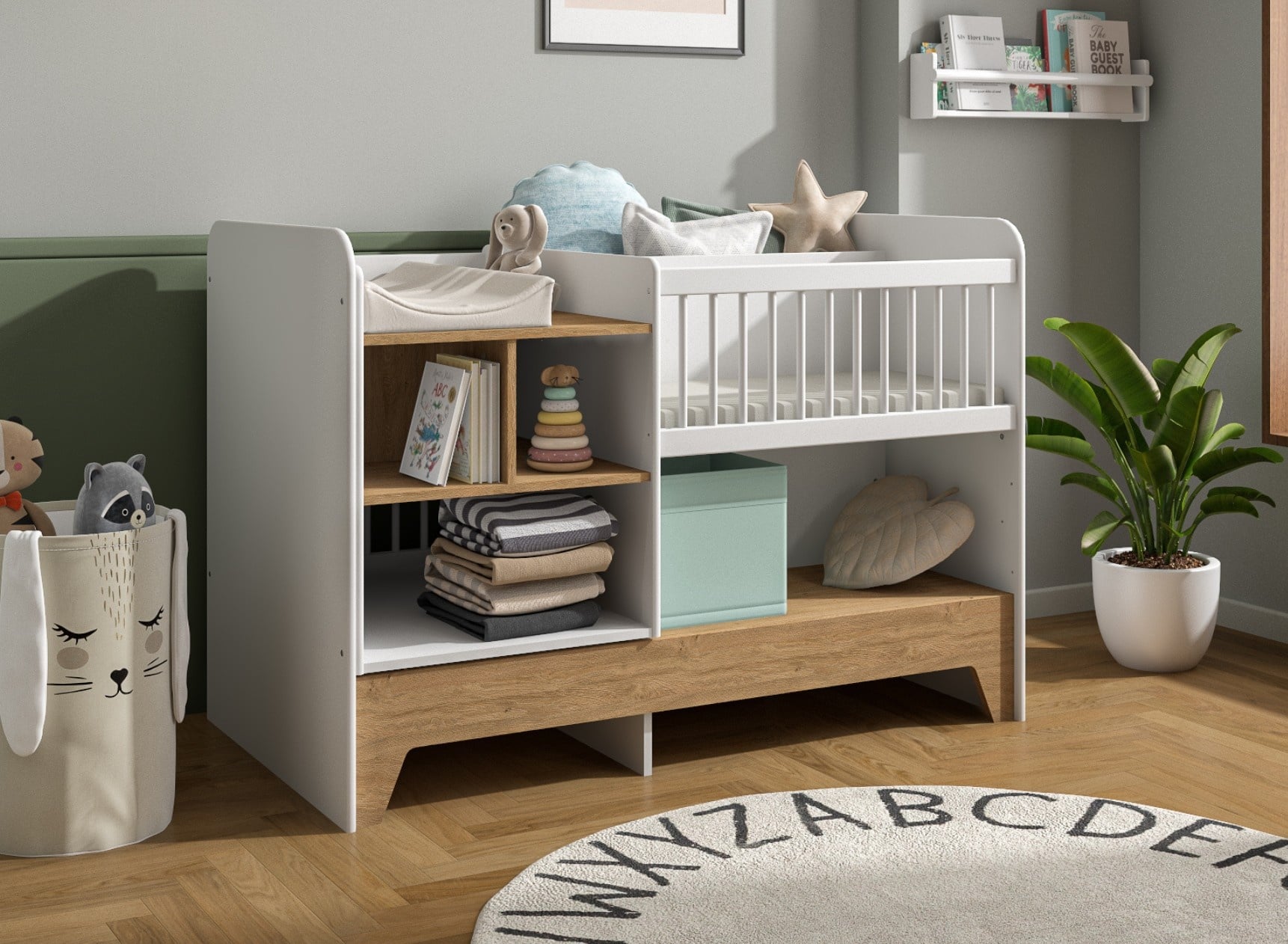
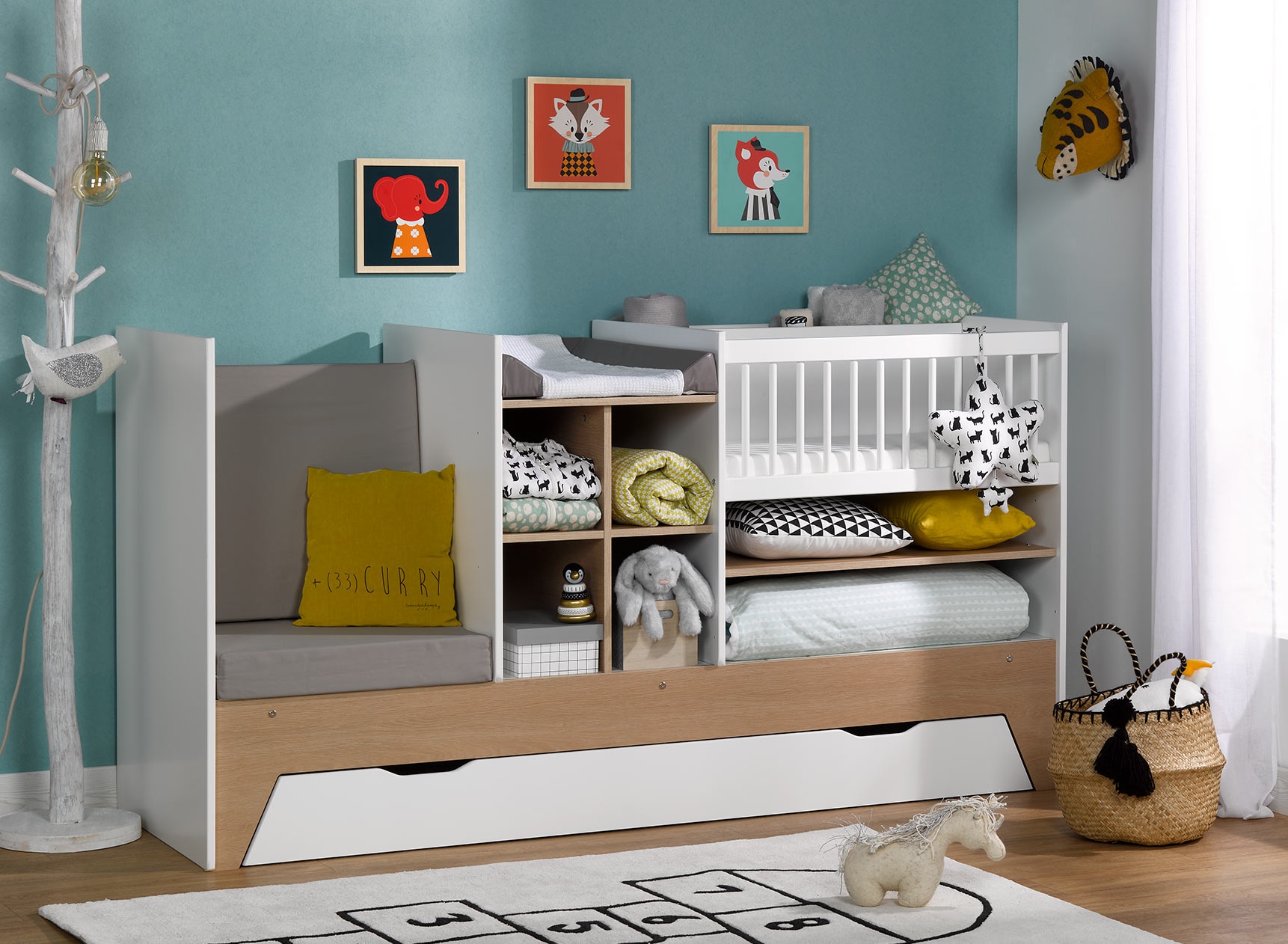
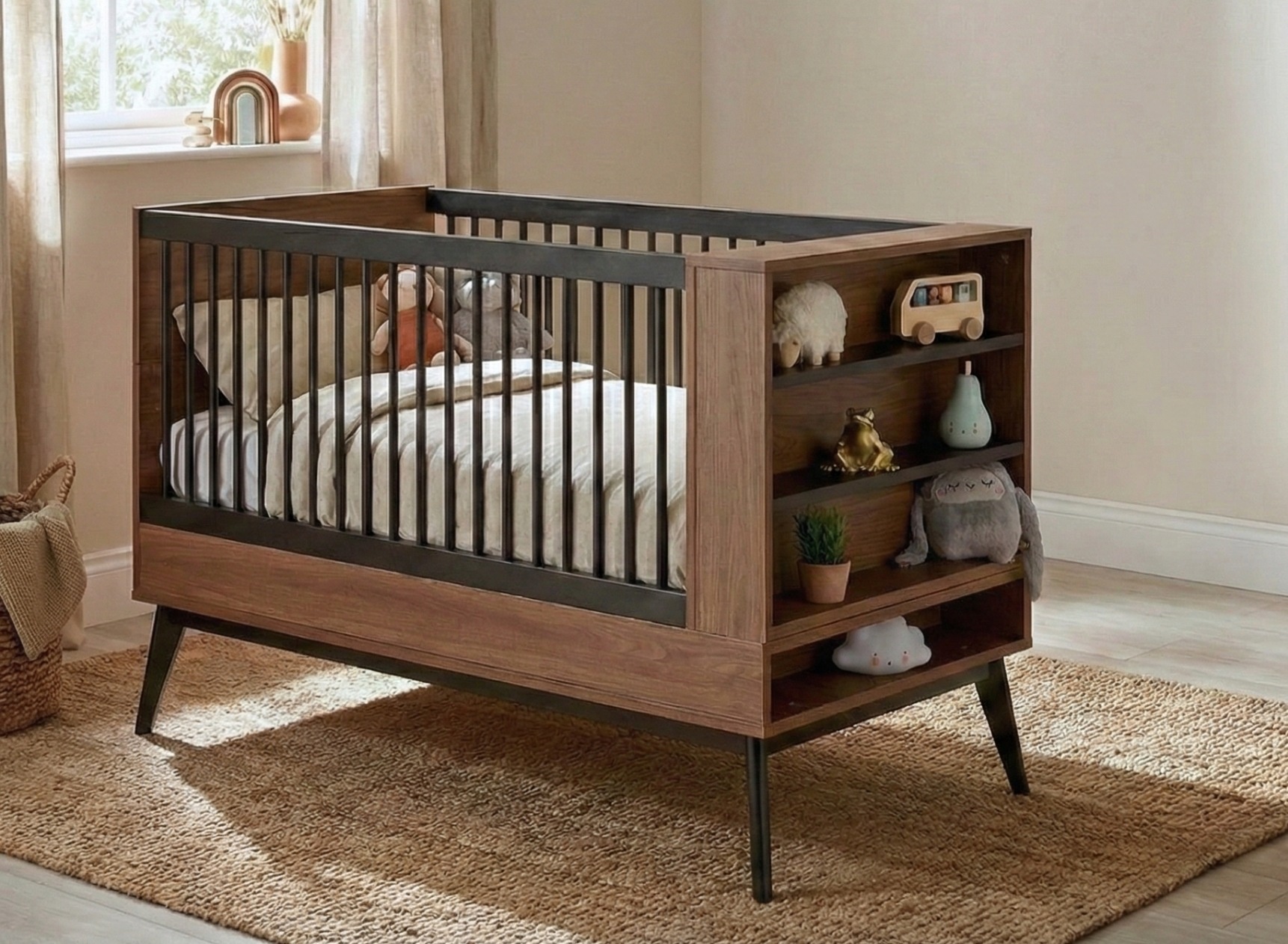
The choice of bed is fundamental: a cot with bars and a firm mattress is the best option to guarantee a safe space for the infant. Make sure the spacing between the bars complies with current standards to avoid any risk of accidents.
For a bed that will grow with your baby until they're 6 years old, discover our selection of convertible baby beds.
Unnecessary items in the bed should be avoided: soft toys, pillows or cot bumpers increase the risk of accidental suffocation. Good monitoring also involves using an effective baby monitor, allowing parents to intervene quickly when needed.
Strictly following official safety recommendations significantly reduces the risks associated with infant sleep. It is essential to regularly check the condition of the equipment used (cot, sleeping bag, monitor) to eliminate any potential source of danger.
Preparing baby's room
Strategic room layout
Optimal room organisation ensures better management of night-time care. Positioning the bed away from windows and direct sources of heat or cold provides effective protection against climate variations.
Good temperature regulation contributes to the infant's well-being: adjust the temperature according to the season and favour breathable materials like cotton to avoid excessive sweating.
The visual atmosphere matters: choosing soft colours promotes calm and prepares for rest. Pastel or neutral shades create a serene atmosphere conducive to deep sleep.
Discover how to choose the perfect colours for baby's room in our dedicated blog post.
Dealing with night-time separation
Techniques for managing parental anxiety
Expressing concerns about this transition helps to better cope with this stage. Communication with the other parent often allows sharing feelings and thus reducing anxiety related to this night-time separation.
Modern tools like baby monitors with breathing sensors strengthen the feeling of control without having to systematically intervene with the infant.
Establishing reassuring bedtime rituals gradually prepares baby for this new habit: gentle massages, lullabies or reading help structure a beneficial routine for both baby and parents.
Signs of readiness for transition
Behavioural indicators
A gradual lengthening of sleep cycles, accompanied by a reduced number of wake-ups, signals that the infant is starting to be ready to sleep in their own room without major disruption.
Careful observation of daytime behaviours sometimes reveals a greater capacity for autonomous management: less immediate crying after waking or increased ability to self-soothe are encouraging signs.
Each child reacts differently to this change; it is therefore essential to adjust the transition according to their specific needs while remaining attentive to the slightest signals sent by their night-time behaviour.
Practical advice for a successful transition
Establishing a stable routine
Maintaining fixed schedules greatly contributes to establishing a predictable rhythm facilitating natural falling asleep each evening.
A transitional object like a muslin cloth carrying the mother's scent often provides a great sense of comfort, helping baby fall asleep with less apprehension about this new situation.
Remaining adaptable is essential: some days will be more difficult than others, but persevering in this direction will gradually ensure successful adaptation.
Overcoming challenges and obstacles
Strategies for managing regressions
Difficult moments may occur during the transition to independent sleep; showing patience and maintaining a consistent approach greatly helps to navigate these transitional phases with serenity.
If necessary, slightly adjusting certain habits can help: slightly modifying bedtime or introducing more cuddling moments before bed can smooth this delicate transition.
Encouraging each small victory positively reinforces this evolution towards more night-time autonomy; each progress deserves recognition so that baby associates this change with something positive rather than an imposed constraint.
Sage green and wood bedroom: how to create a natural and soothing space
Children's bed size: the complete guide for healthy and safe sleep
How to decorate your bedroom with healthy materials?