Recyclable packaging: true or false for proper sorting

- Categories : Tips
Nateo CONCEPT

Recyclable packaging: true or false?

The simple arrow logo unfortunately does not guarantee recyclable packaging, which often raises doubts among environmentally conscious parents. To separate truth from fiction, we analyze truly virtuous materials and sorting traps to absolutely avoid in daily life. You will finally know how to identify sustainable solutions and understand why cardboard remains the safest choice for your child's health.

Recyclable packaging: what the logo doesn't tell you

Recyclable, what does that really mean?

In France, packaging is recyclable only if a collection, sorting and recycling stream actually exists. The logo alone is an empty promise without industrial infrastructure behind it to make it real.

The process is strict: you sort, the center refines, and regenerators transform the material. The final goal is to create a real circular economy to drastically limit the use of virgin raw materials.

Be careful, recyclability also depends on local jurisdiction. What is processed in one municipality may not be elsewhere.

The 4 golden rules for well-designed packaging

For waste to become a resource, it must undergo rigorous eco-design from the start. It is the direct responsibility of manufacturers to create objects that won't end up incinerated due to design errors.

Here are the technical basics to avoid disrupting sorting chains:

  • Single-material design: Use a single main resin to simplify processing.
  • Existing stream: Ensure that this material is already handled by processing plants.
  • Non-disruptive components: Verify that labels or glues don't prevent recycling.
  • Standardized colors: Use colors that don't contaminate the final recycled material.

The difference between "recyclable" and "recycled"

Don't confuse everything. 

  • "Recyclable" only indicates that the material has the potential to be recycled.
  • "Recycled" (like rPET) proves that it comes from a previous recycling process. Buying recycled means closing the loop.

Take a plastic bottle: it is technically recyclable. But if you throw it in the wrong bin, it will never be recycled. The sorting action remains the starting point.

You have the power: sort meticulously and favor objects made from recycled material.

The recycling champions: cardboard, glass and metal

Now that the basics are established, let's look at materials more closely. Some are excellent students, as long as you know the right tips to identify recyclable packaging and avoid sorting errors.

Cardboard, the choice of simplicity

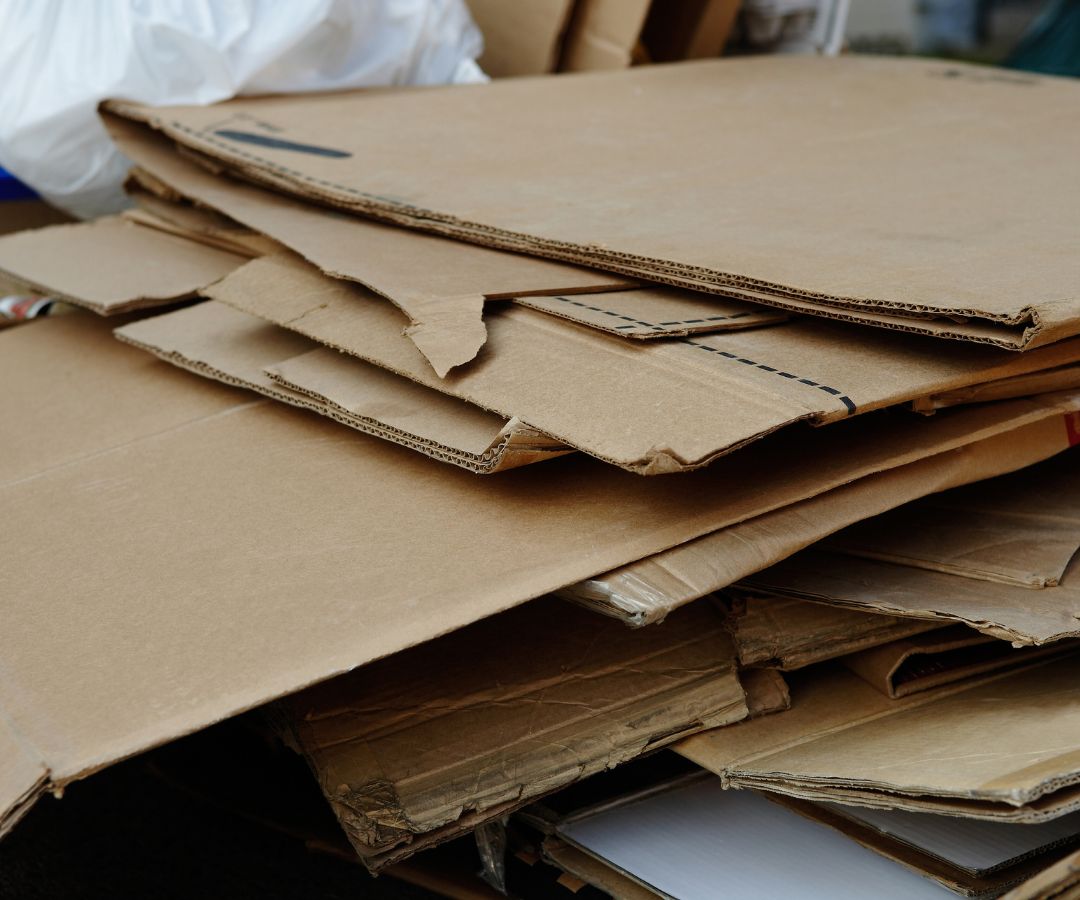
Paper and cardboard are the stars of recycling. Corrugated cardboard reaches peaks, with a recovery rate often exceeding 90%. It's the reliable material par excellence for reducing our waste.

Beware of mistakes that ruin everything. A cardboard soiled by grease, like a pizza box, is rejected. Similarly, shiny finishes or plastic laminates often make it unsuitable for sorting and end up burned.

The right reflex is simple: cardboard must be clean, dry and flattened. That's the only rule that really matters.

Glass, infinitely recyclable (or almost)

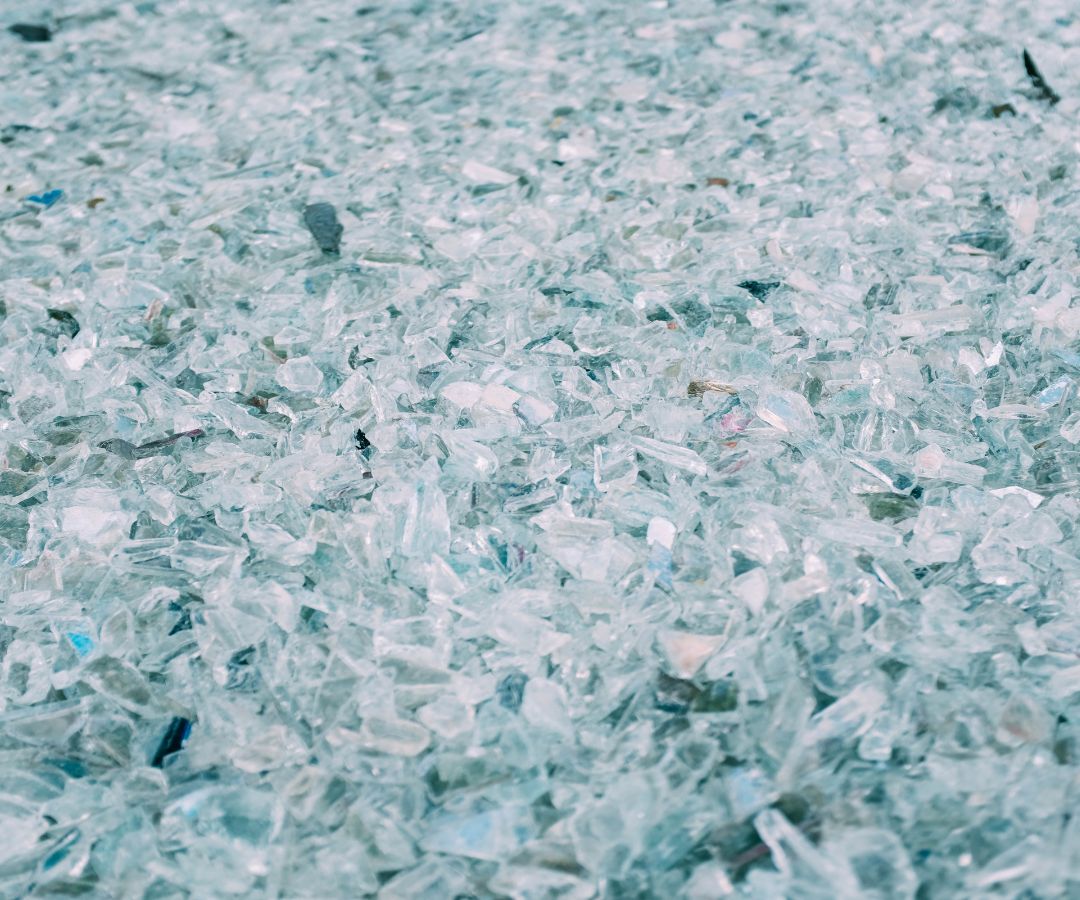
Glass has a major advantage: it is 100% recyclable and infinitely without any loss of quality. Cullet, this crushed glass, is used to mold new bottles, thus saving precious energy during melting.

The main constraint remains separation by color: clear, green, brown. Mixing shades makes cullet unusable for recreating transparent glass. Rigorous sorting is therefore essential.

Warning: dishes, Pyrex dishes or light bulbs do not go in the glass bin.

Metal, a precious resource not to be thrown away

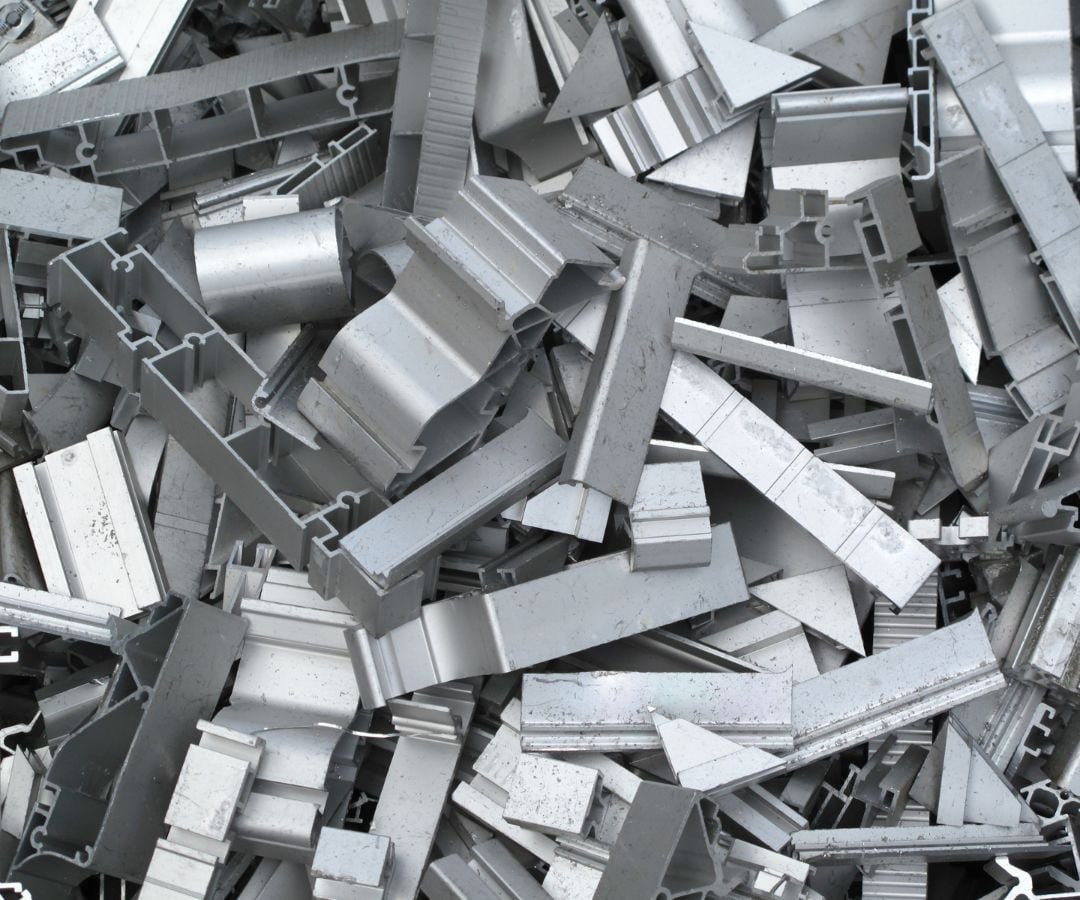
Steel and aluminum are sustainable allies. Like glass, they are infinitely recyclable. Cans, beverage cans or aerosols, everything is recovered to create new objects without tapping into reserves.

Aluminum offers an incredible bonus: its recycling consumes 95% less energy than its initial production from ore. It's a major ecological and economic gain that alone justifies our daily sorting effort.

Know that aerosols must be completely empty to join the sorting bin. No need to rinse them with water.

The plastic puzzle: survival guide for the yellow bin

The good students: PET (n°1), HDPE (n°2) and PP (n°5)

The undisputed champion of recyclable packaging remains PET (Polyethylene Terephthalate), identified by the number 1. It's the material of your water bottles: lightweight and strong. In France, its stream is so efficient that it allows making safe food containers again.

Just behind, HDPE (High-Density Polyethylene), or n°2, makes up your milk bottles and detergent containers. Very resistant, it recycles well, but often ends up as pipes rather than new food packaging.

Finally, PP (Polypropylene), n°5, is gaining ground through yogurt containers. Its recycling is progressing rapidly, even though the resulting material cannot yet come into direct contact with your food.

Those to avoid: plastics n°3, 4, 6 and 7

Don't be fooled: this small triangle with a number is just an identity card, not a master key for sorting. Some codes clearly indicate that these polluting materials should be avoided.

Here are the bad students that undermine our ecological efforts and that are best left on the shelf:

  • PVC (n°3): To avoid. Difficult to process, it often contaminates clean batches.
  • LDPE (n°4): The soft plastic of bags. It requires a separate stream.
  • PS (n°6): Polystyrene. Bulky and fragile, it fragments and recycles poorly.
  • Other (n°7): The catch-all for complex plastics, generally excluded from recycling.

The food packaging trap

The deli section hides a trap for busy parents. Prepared meal trays often stack several layers of materials (plastic, aluminum) glued together. It's an invisible technical nightmare to the naked eye.

This fusion makes the components impossible to separate at sorting centers. Result? These composite packages end up incinerated, as no current system can treat them effectively.

The only sustainable solution: favor single-material or switch to bulk whenever possible.

Our commitment: packaging that protects your children and the planet

Understanding recycling is good. But as a manufacturer, we must go further. At Nateo Concept, the choice of packaging is not a detail, it's an extension of our values.

The radical choice of cardboard: our zero plastic approach

For our children's furniture, the packaging question is central. That's why we made a strong decision: a zero plastic goal. Our cardboard boxes are made from a simple material that is widely recycled.

It's not just for the environment. It's also to guarantee a healthy environment in your baby's room, without volatile compounds linked to certain plastics.

It's a consistent approach, just like for our NAMI dresser whose packaging is entirely made of cardboard.

👉🏼 Discover all our children's furniture

Packaging designed to be 100% recoverable

Our shipping boxes represent perfect recyclable packaging. We apply the eco-design principles seen above: a single material for maximum recovery.

No frills here. No complex mixtures either. Just sturdy cardboard to protect the furniture during transport. It then joins the recycling stream without the slightest hesitation.

It's our way of simplifying sorting and ensuring that our packaging will have a second life.

More than a box: a sustainable furniture philosophy

Our packaging choice is part of a broader vision. From design to assembly, everything matters to us. We create children's furniture in compliance with strict standards. This is our quality standard.

This commitment is reflected in our choice of certified woods, water-based paints and French manufacturing. Packaging is just the visible part of this commitment.

Choosing Nateo Concept furniture means opting for an ecological and designer baby wardrobe from A to Z. It's a sustainable choice.

Beyond sorting, favoring virtuous materials like cardboard is a concrete action for your child's health and the preservation of the planet. At Nateo Concept, we are committed with zero plastic packaging and eco-designed furniture. Together, let's create a healthy, sustainable and safe environment for your little ones.