Terrible twos: understanding this phase and its real duration

- Categories : Tips

Nateo CONCEPT

Terrible Twos: decoded

Is your daily life punctuated by repeated "nos" and your child's intense emotions? The terrible twos can destabilize the whole family, especially when it also disrupts sleep.

In this article, we explain how long this phase lasts and how it influences your child's nights. You'll also discover concrete and caring advice to ease tensions, enjoy more peaceful evenings, and support your child toward greater autonomy.

Understanding your child's assertion phase

You may feel at your wit's end facing these repeated tantrums? That's understandable. Yet, this systematic "no" is a sign of healthy and vigorous growth.

A necessary stage for forging their own identity

Your child finally realizes they are no longer just an extension of you. They discover their own existence. This is the beginning of individuation. To exist, they constantly test their power over their immediate environment.

This need for control manifests through categorical refusals. Asserting their will is a vital exercise. It's never a personal attack on your parental authority.

This opposition fortunately remains temporary. It fades as soon as the child feels more confident in their identity and motor abilities.

Their character develops. These necessary small conflicts forge their personality daily with strength.

Decoding the origin of sudden emotional storms

Their limbic brain is still very immature. They cannot manage frustration alone. Emotions then overflow in a dramatic and completely uncontrolled manner.

There is often a frustrating gap for them. Their mind wants to accomplish complex tasks. Yet, their fine motor skills or physical strength don't yet match their ambitions.

Lack of vocabulary worsens tantrums. Not being able to express a specific need generates unbearable nervous tension.

The more words the child acquires, the more the storms calm down. Language gradually replaces screaming and crying.

Patience and empathy remain your best tools. Observe their efforts despite temporary failures.

How long does the terrible twos really last?

After understanding the internal mechanisms, let's look at the timeline of this period to better prepare for it.

Key stages between 18 months and 4 years

This phase generally begins around 18 months. It often reaches a peak around age two. Each child progresses at their own pace.

Sleep and surroundings matter. Here are the key points:

  • Calm family environment
  • Sleep quality
  • Innate temperament
  • Consistency of rules

Around age three, we sometimes talk about the threenager phase. Demands become more sophisticated and articulated. It's a logical evolution toward more pronounced and assertive social autonomy.

The total duration varies according to the child's ability to adapt. The framework set by parents also plays a role.

Stay calm. This period is just a short chapter in their life as a future grown-up.

Identifying the signs of a gradual crisis exit

You'll first notice better verbal communication. The child begins to name their emotions instead of screaming them. This is the first tangible sign of lasting calm.

Daily tantrums become increasingly spaced out. They better accept the simple compromises you propose. Their ability to wait their turn improves noticeably over time. Calm finally returns.

Starting school or group care often accelerates this process. Group rules promote natural self-discipline. They learn to live harmoniously with their peers.

Note these small victories every day. They prove that the hardest part is now behind you and your family.

Managing restless nights and disrupted sleep

The day is exhausting, but the night brings its share of specific challenges that need to be decoded.

Understanding the causes of bedtime refusal

Bedtime often reactivates separation anxiety in toddlers. Finding themselves alone in the dark is an emotional ordeal. They then try to prolong contact with you by any means. This stage requires a lot of patience.

Refusing to sleep is also a final attempt to exercise their power of decision. They want to choose when to let go. It's a classic battle of wills.

Imagination develops and with it come the first nighttime fears. Shadows become monsters in their bustling mind. Reassure them without minimizing their deep feelings.

Understanding these fears allows you to adapt your reaction. Don't see this as a simple end-of-day whim but as a need for security.

Creating a soothing and secure nighttime environment

Establish stable and predictable bedtime rituals every evening. Repetition greatly reassures the child before night. They know exactly what will happen next without surprises.

A fixed framework eases tensions. Here are some elements to incorporate to facilitate this pivotal and calm moment:

  • The importance of the favorite comfort object
  • The choice of a soft night light
  • reading a calm story
  • A final reassuring cuddle

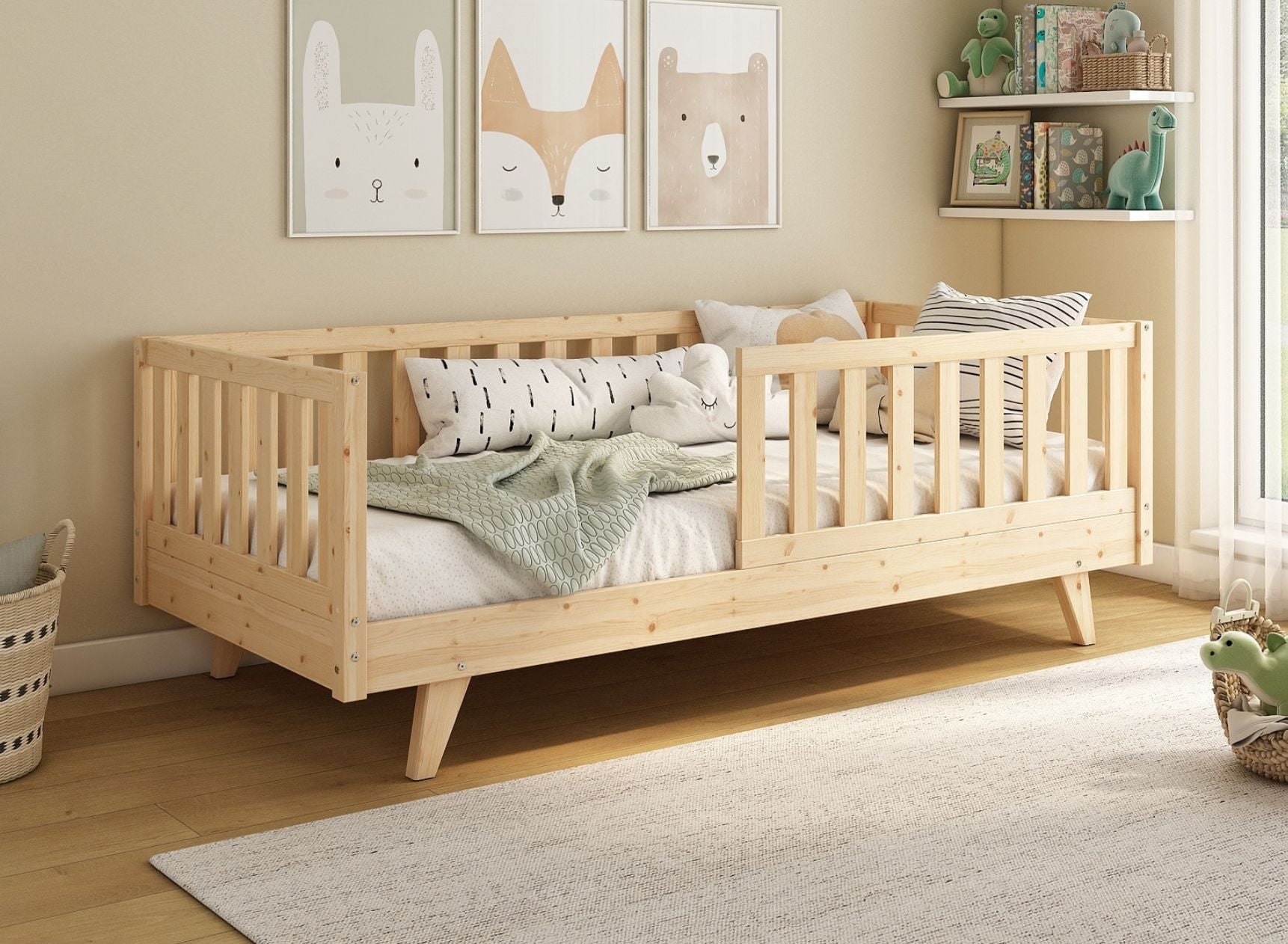
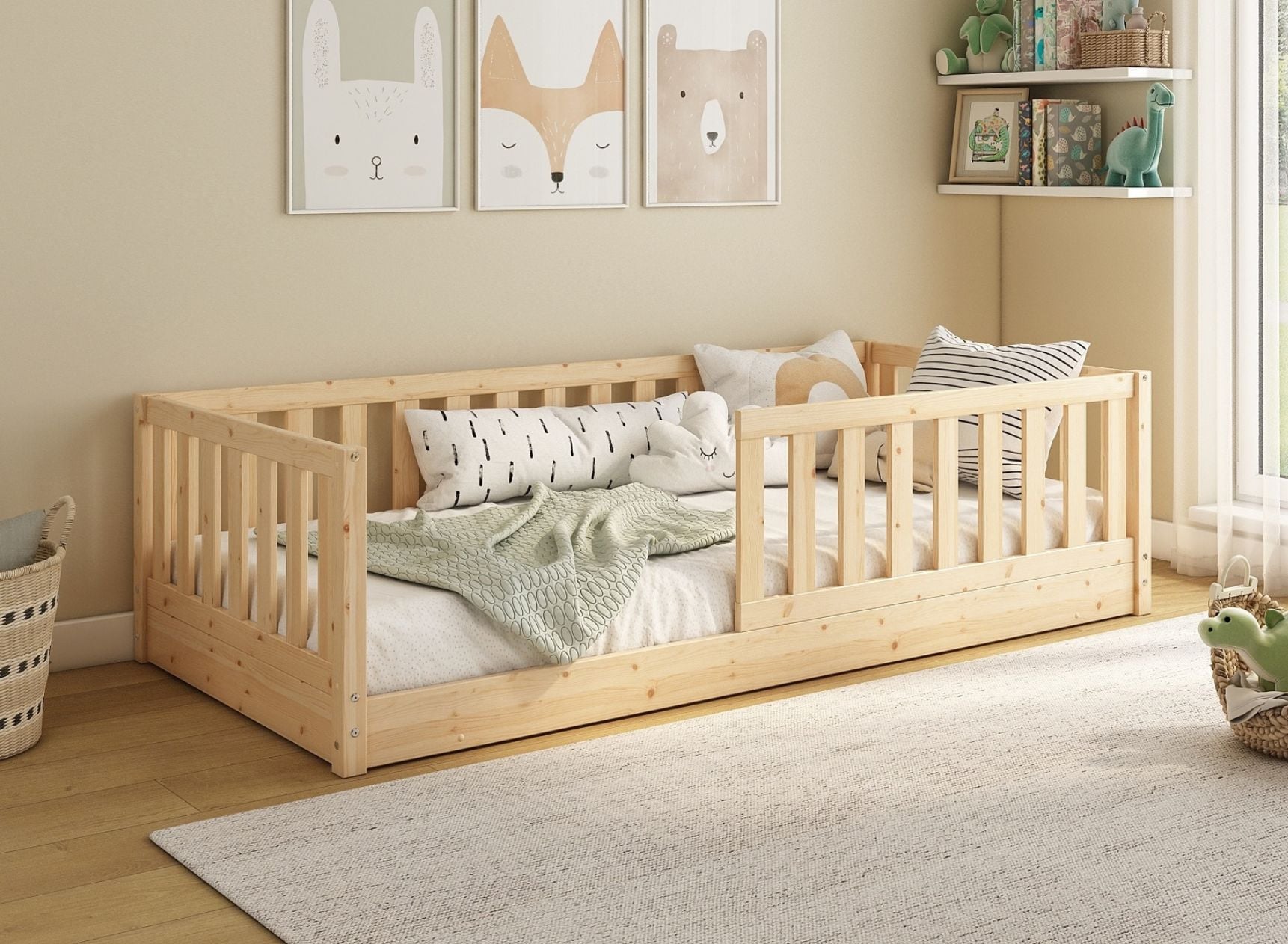
Eliminate screens at least two hours before bedtime. Blue light disrupts melatonin production. Opt for a dimmed atmosphere to promote calm and quick sleep onset. Our French furniture accompanies these moments.

A healthy environment helps the brain disconnect. Peace must reign throughout the house to invite sleep.

A good night's rest reduces irritability. It's a virtuous circle for everyone.

Practical solutions for a more peaceful daily life

Finally, let's see how to transform this knowledge into concrete actions to create a calmer atmosphere at home.

Maintaining a caring framework despite opposition

Encourage communication based on verbalizing deep feelings. Put words to what the child seems to be feeling. This validates their experience without giving in to everything.

Set clear and consistent boundaries for essential things. Safety and health are not negotiable. The child needs this structuring framework to feel protected.

  1. Offering two outfit choices
  2. letting them decide on the dessert fruit
  3. choosing the evening book

Offering these small choices limits power struggles. The child feels they maintain some influence over their life.

Kindness doesn't exclude firmness. Find the right balance for lasting harmony.

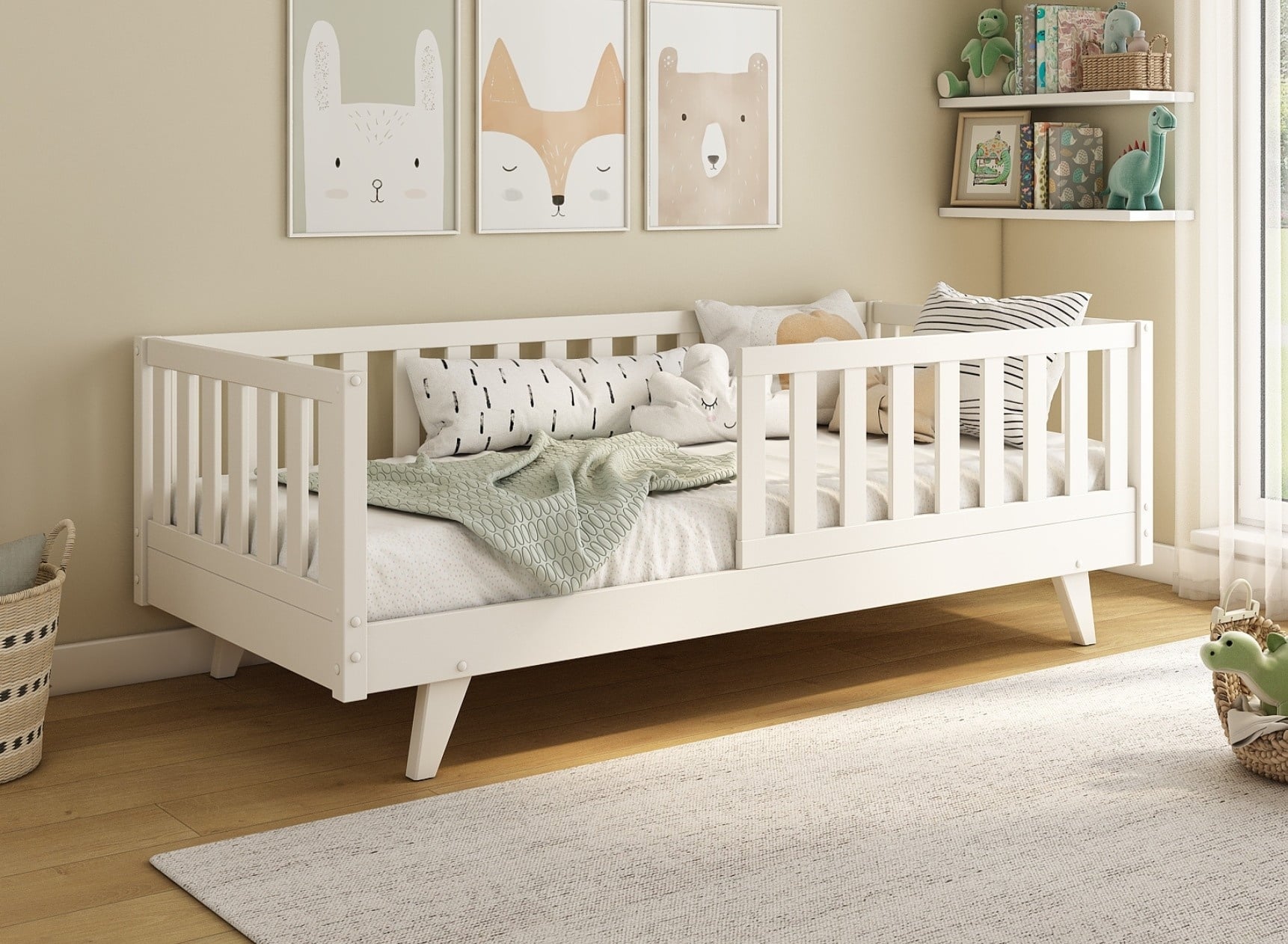
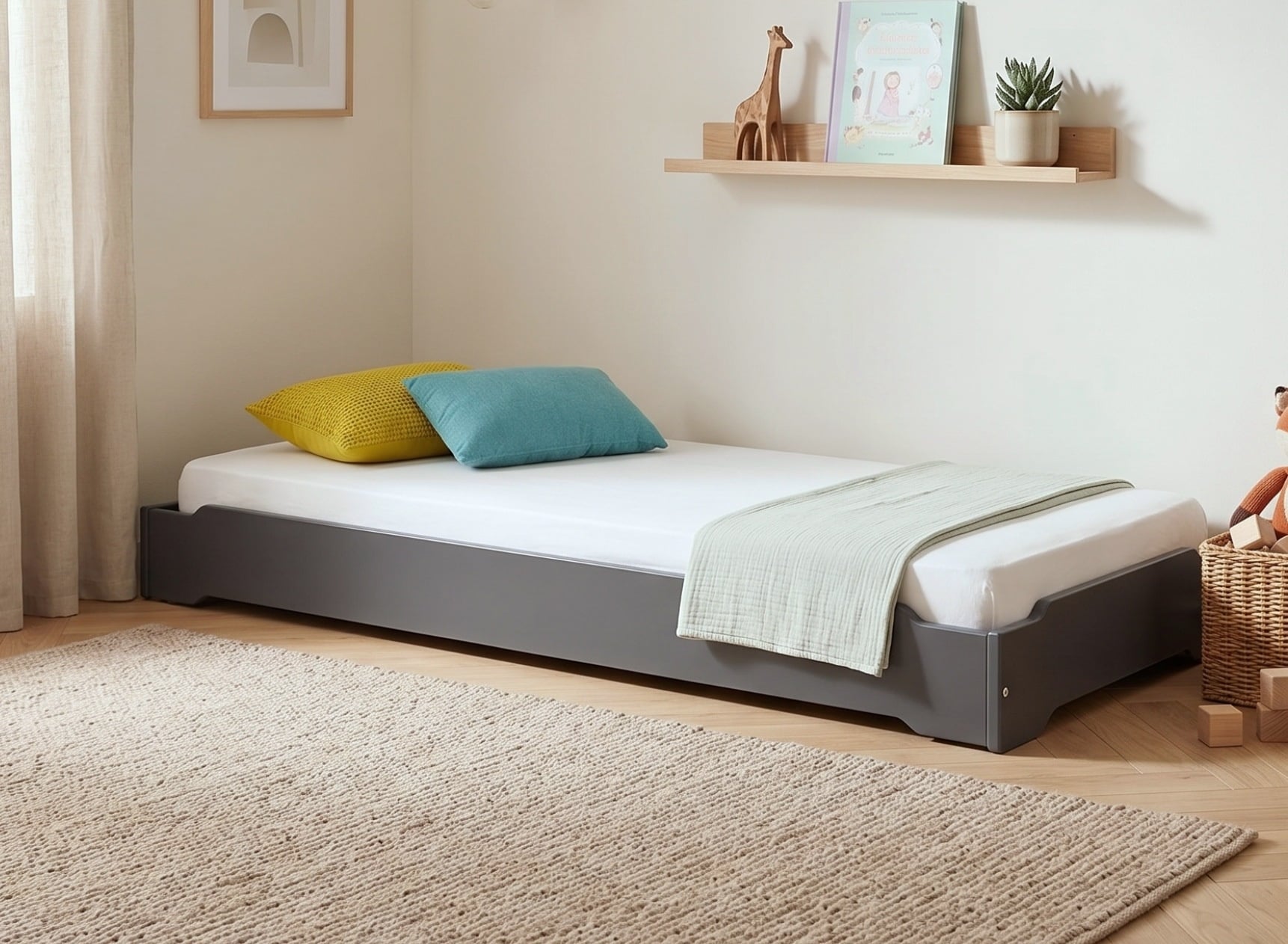
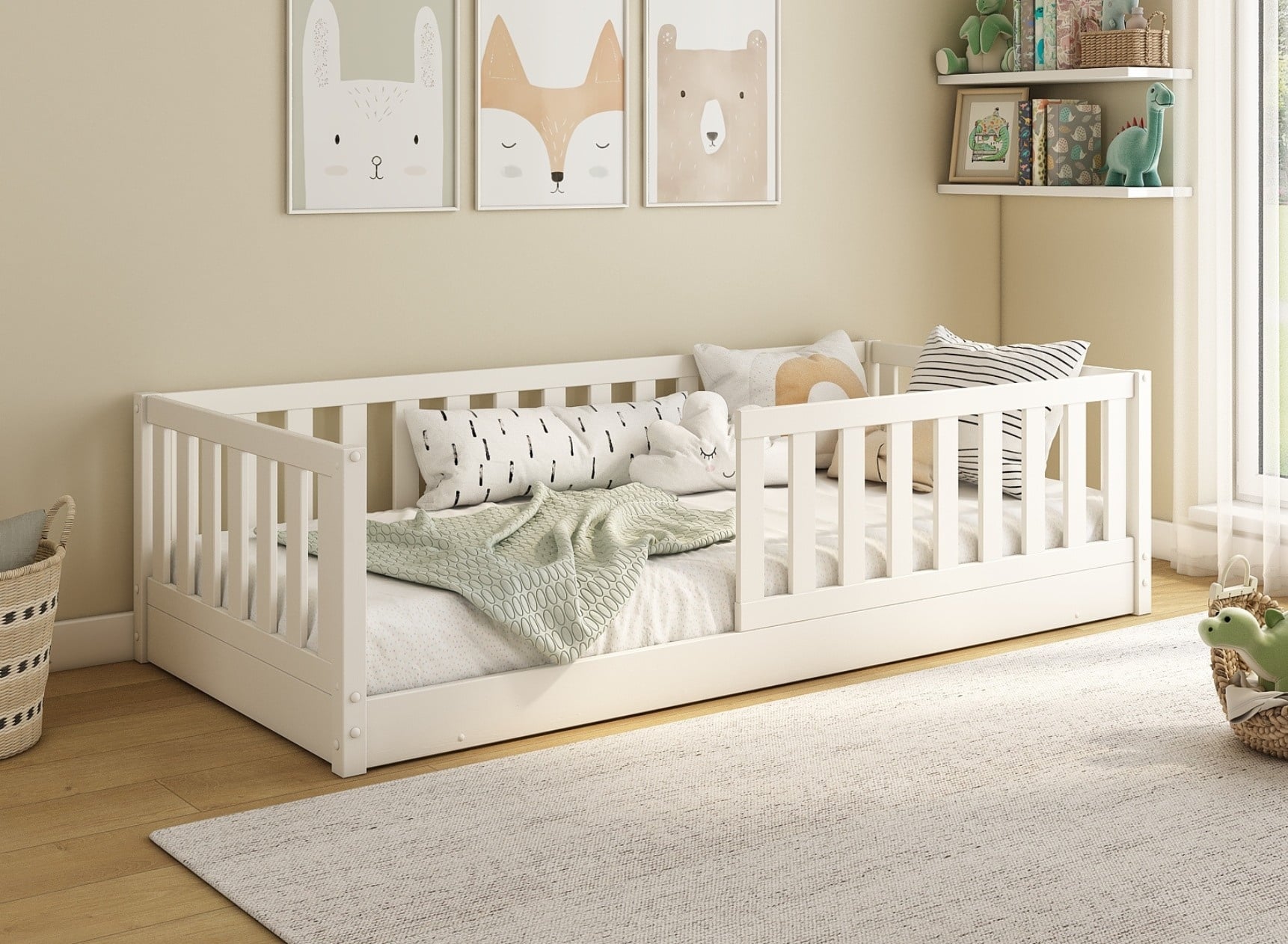
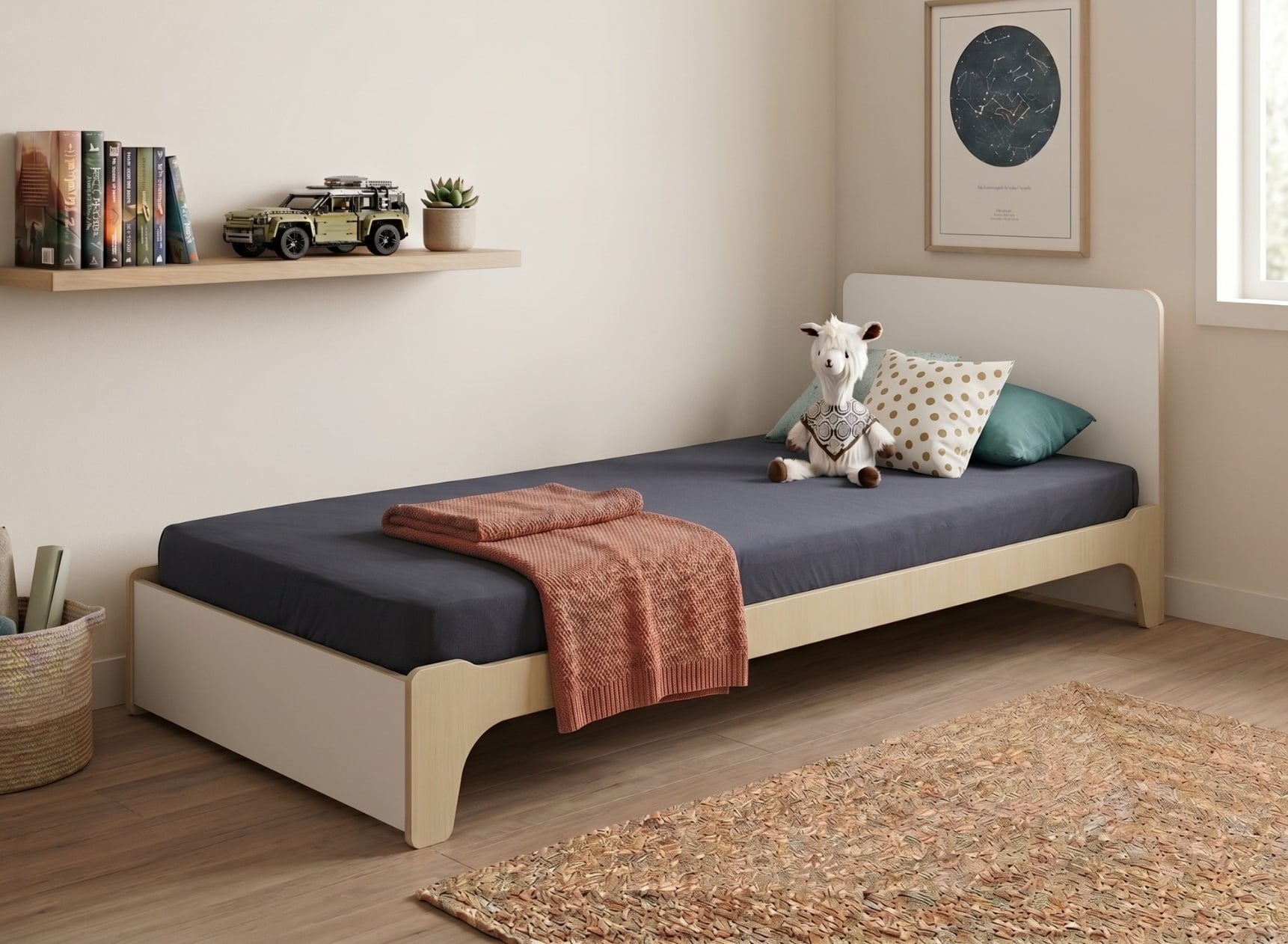
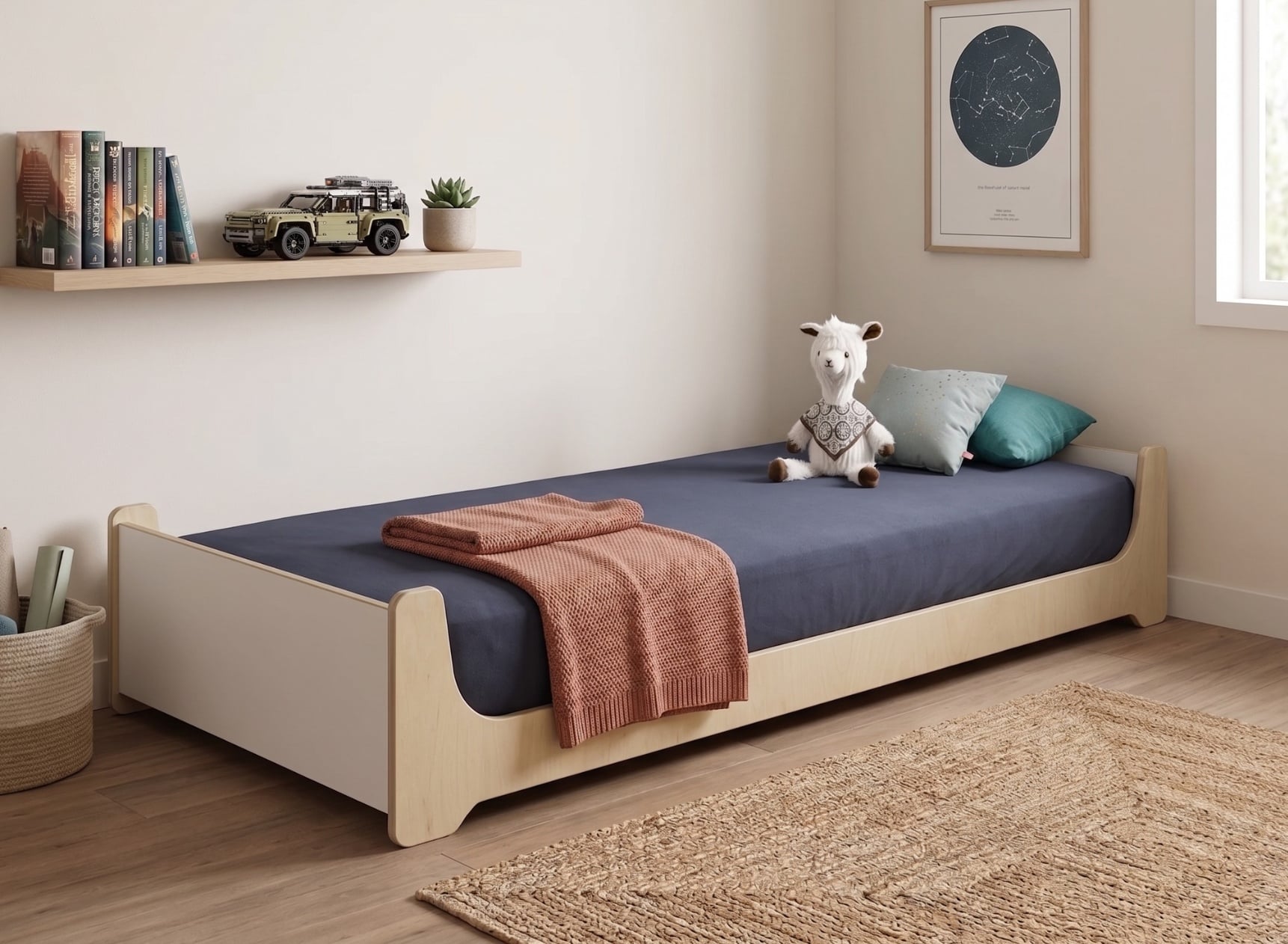
Promoting autonomy with adapted Nateo Concept furniture

Creating an ergonomic bedroom radically changes the child's behavior. If they can grab their clothes alone and without help, their frustration decreases. Furniture at their height encourages their personal initiatives in daily life.

Nateo Concept's evolving furniture directly supports self-confidence. The child becomes an actor in their space. Discover the Montessori method: creating a cocoon of autonomy at home.

We prioritize healthy and durable materials to preserve children's health. Preserved indoor air promotes better overall well-being. This is our commitment to your children.

Give them an environment that says "you are capable". This is the ultimate secret to getting through this terrible twos phase with success and immense pride.

This assertion stage, often called the terrible twos period, shapes your child's identity. By combining a caring framework and ergonomic furniture, you ensure peaceful sleep and serene autonomy. Transform these storms into opportunities now to build a harmonious and close-knit home. Tomorrow, serenity will be your greatest reward.

👉🏼 Discover our eco-designed baby rooms

FAQ

The Terrible Twos is a normal phase of development, generally around age 2. The child becomes aware of their individuality and asserts their autonomy, often through the famous "no" and intense emotions. This stage is essential to building their identity.

It begins around 18 months, peaks around age 2, and can last until age 3 or 4. The calming is gradual, especially as language and autonomy develop further.

Bedtime can reawaken separation anxiety and early fears related to imagination. Stable rituals, a reassuring environment, and limiting screens promote more peaceful sleep onset.

Tantrums often appear out of frustration, when the child cannot express their needs. The more their vocabulary expands, the more they can regulate their emotions in ways other than through crying or anger.

Offering simple choices and creating a space adapted to their size helps them gain confidence. A child who is an actor in their daily life feels less frustration and cooperates more easily.

If behaviors are excessively violent, persist beyond age 4, or are accompanied by marked social withdrawal, it is advisable to seek the advice of a healthcare professional.

Discover our children's beds for 2-year-olds