The benefits of pets for children

- Categories : Nateo Friendly / News

Nateo CONCEPT

Pets and children

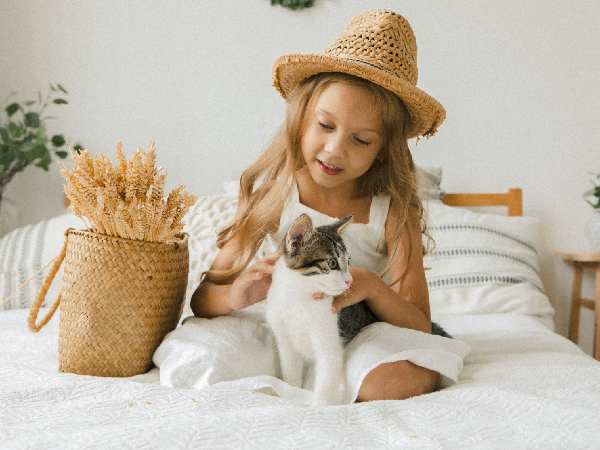
Pets are a true source of love and joy in many homes. Many children dream of adopting a cat, dog, rabbit, turtle or other pet. While this decision should not be taken lightly, pets nevertheless bring many benefits for children's development.

A pet at home: a real responsibility

Before considering adopting a pet for the family, it's important to take into account the responsibility it represents. Depending on the chosen animal, it can be a commitment of over 15 years. It is therefore essential to ensure that your living environment and daily habits can accommodate the presence of an animal. Think ahead and ask yourself the right questions:

  • Do you have enough space at home?
  • Will you still be motivated to walk your dog when the weather is less pleasant?
  • What will you do when you go on holiday?
  • Do you have the necessary budget for daily expenses and care?
  • Do you have enough time to devote to your pet each day?

It is therefore important to think ahead as much as possible to ensure it's the right decision, but also to choose the right pet for you. If in doubt, staff in shelters like animal welfare organisations will be able to guide you and support you in your decision-making.

The benefits of pets for children

Having a pet at home brings real happiness for yourself, but also for children of course. Moreover, the presence of an animal brings many benefits.

Companionship and comfort

Pets offer constant presence and companionship. They are also a source of comfort, which can be very beneficial for anxious children, for example. This familiar presence can therefore be very pleasant for the child who will never feel alone again.

Physical exercise

A pet and particularly a dog is a very good way to encourage your child to spend more time outdoors. Whether it's going for a walk to take the animal out or simply playing together in the garden, the child will benefit from getting exercise and fresh air.

Responsibility

Taking care of a pet is a very good way to teach a child about responsibility. This doesn't mean entrusting the entire care of an animal to a child, that's the adult's role. However, you can give the child a small regular task. They thus discover what it means to commit and be responsible.

Compassion and empathy

The presence of a pet is also a very good way for the child to develop compassion and empathy. Over time, they will learn to know and understand their pet to better meet its needs and interact more with it. These qualities will obviously be valuable assets for social relationships in general.

Which pet for a child?

Today, there are many possibilities to find the perfect pet that will bring joy to the whole family.

The dog

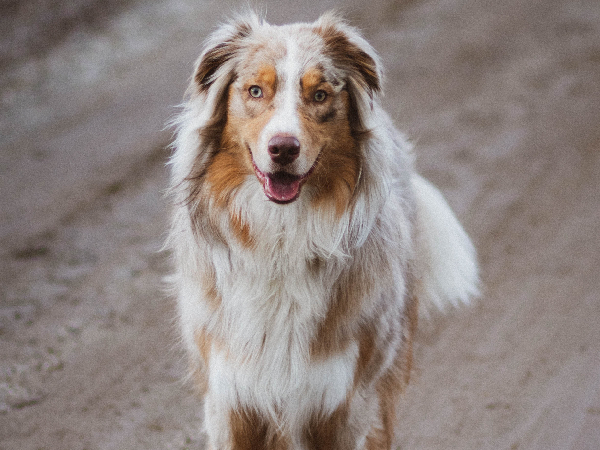
The dog is undoubtedly the dream companion for a child. Playful and affectionate, it never tires of human presence. It's not uncommon for children and dogs to form very close relationships.

You can even arrange your interior so that your child and their dog are even closer. For example, you can place a basket near your child's bed so the dog can stay close during the night. However, be sure to choose a bed that isn't too close to the ground (you could opt for our LOKI model), the dog must clearly understand its place in your child's room.

Moreover, a dog is a pet that requires real commitment. So be prepared to fulfill this role.

The cat

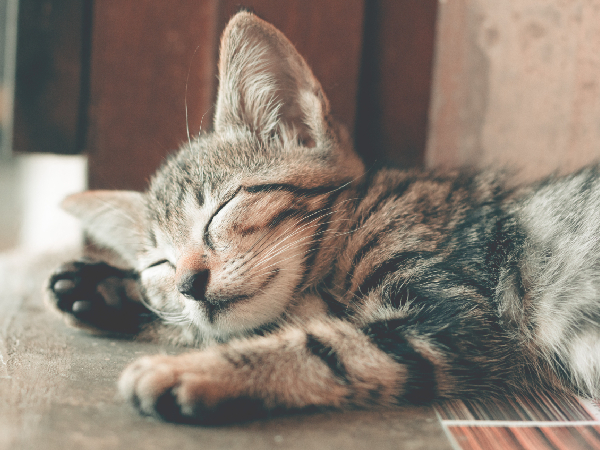
If you want to opt for a more independent animal, the cat is an excellent companion. While it can be playful and affectionate too, it can also enjoy being left alone and doesn't require as much attention as a dog. More difficult to tame, the cat nevertheless remains a very good choice for a child.

The rabbit

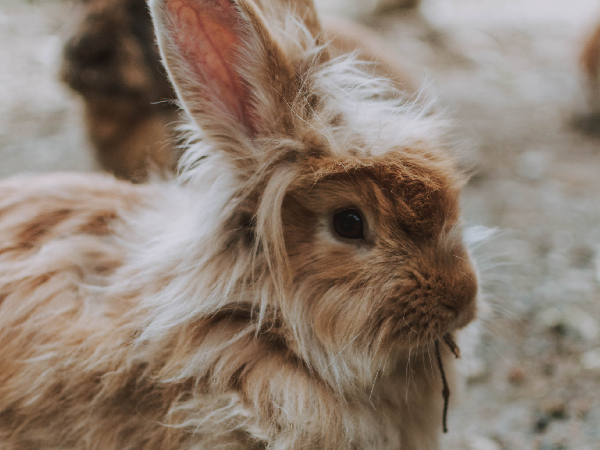
Soothing and gentle, rabbits can also be very sociable if you take the time to tame them. They require certain care such as cleaning the cage, brushing, etc. Also note that this is an animal that can be fragile.

Many other possibilities

There are many other possibilities with rodents such as rats, mice, hamsters, but also ferrets, fish, turtles, chickens and many others. It is also important to note that depending on the species, specific needs must be met and special equipment may need to be installed. Before getting started, make sure to do your research.

Finally, make sure it is a genuine wish from your child and not just a passing phase. Take time to think it through and choose an animal that you too will enjoy taking care of, as your child may lose interest and you might end up being responsible for a guinea pig or goldfish. More than the child, parents must also be involved in this project to take proper care of the chosen animal.