When should baby sleep in their own room? Key advice and steps
Nateo CONCEPT
When to put your child in their baby room?
Moving baby into their own room is a key step. When are they ready? What signs should you look for? Discover our advice for a smooth transition adapted to their unique needs.
The transition to a separate room for baby
Understanding the right time for change
Moving your baby into their own room represents an important milestone in their development, but when are they truly ready?
💡 As a general rule, experts recommend waiting between 4 and 6 months, when night-time sleep begins to stabilise.
However, each child is unique. Look for signs such as an increased ability to sleep through the night without frequent wakings or a reduced need for constant proximity.
Parental confidence also plays a key role in this transition. If you notice that your little one falls asleep on their own during nap time or feels at ease in their bed, it might be the ideal time. Trust yourself: you know your infant's specific needs better than anyone.
To make this new phase a smooth experience, adopt a gradual approach. Slowly introduce the idea of change by getting your baby accustomed to their future room during the day. For example, let them play or take a short nap in their own room before attempting a full night. This gradual process is essential to reassure them and allow for a peaceful adaptation.
Creating a safe and soothing environment
Room setup
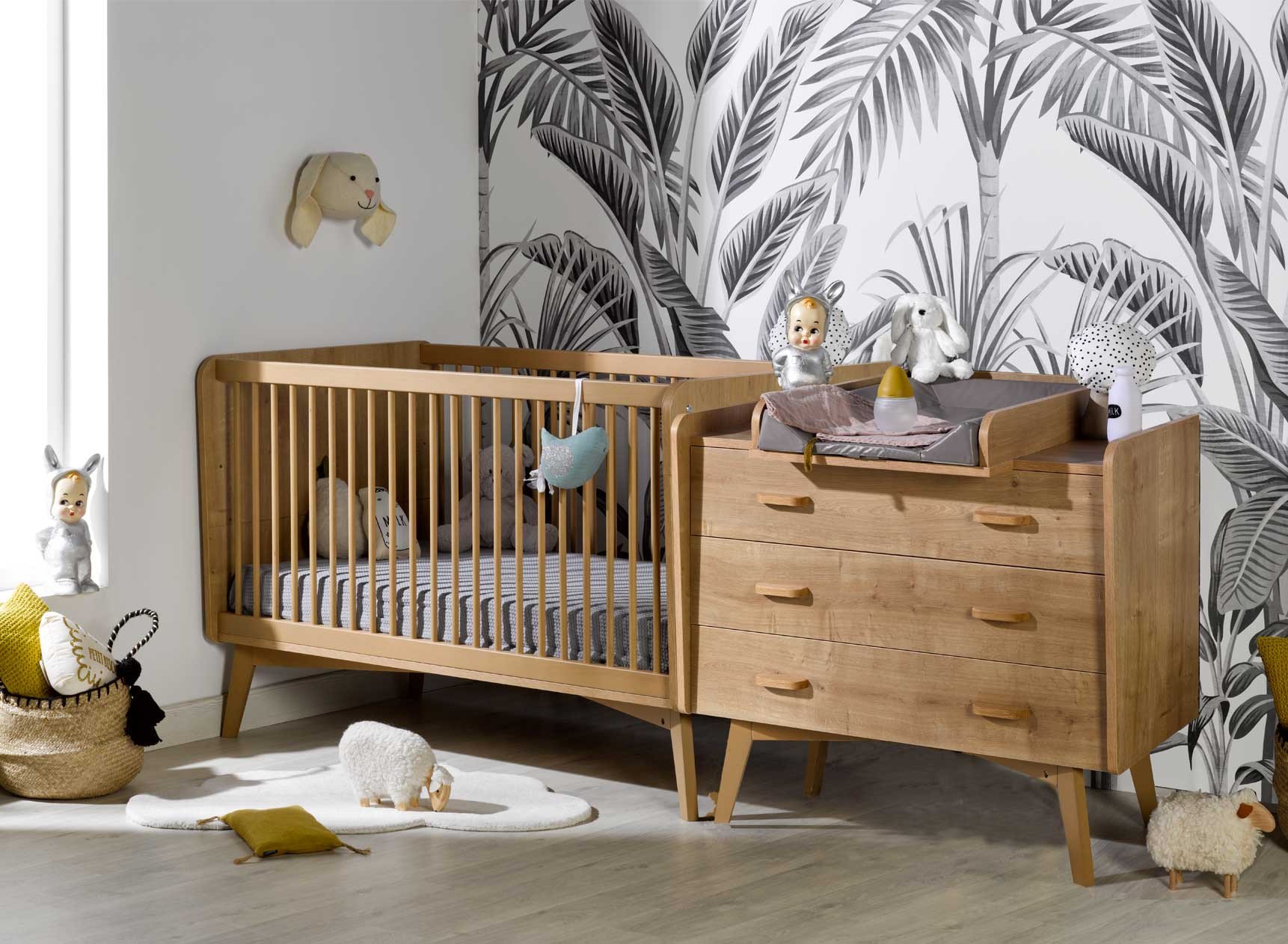
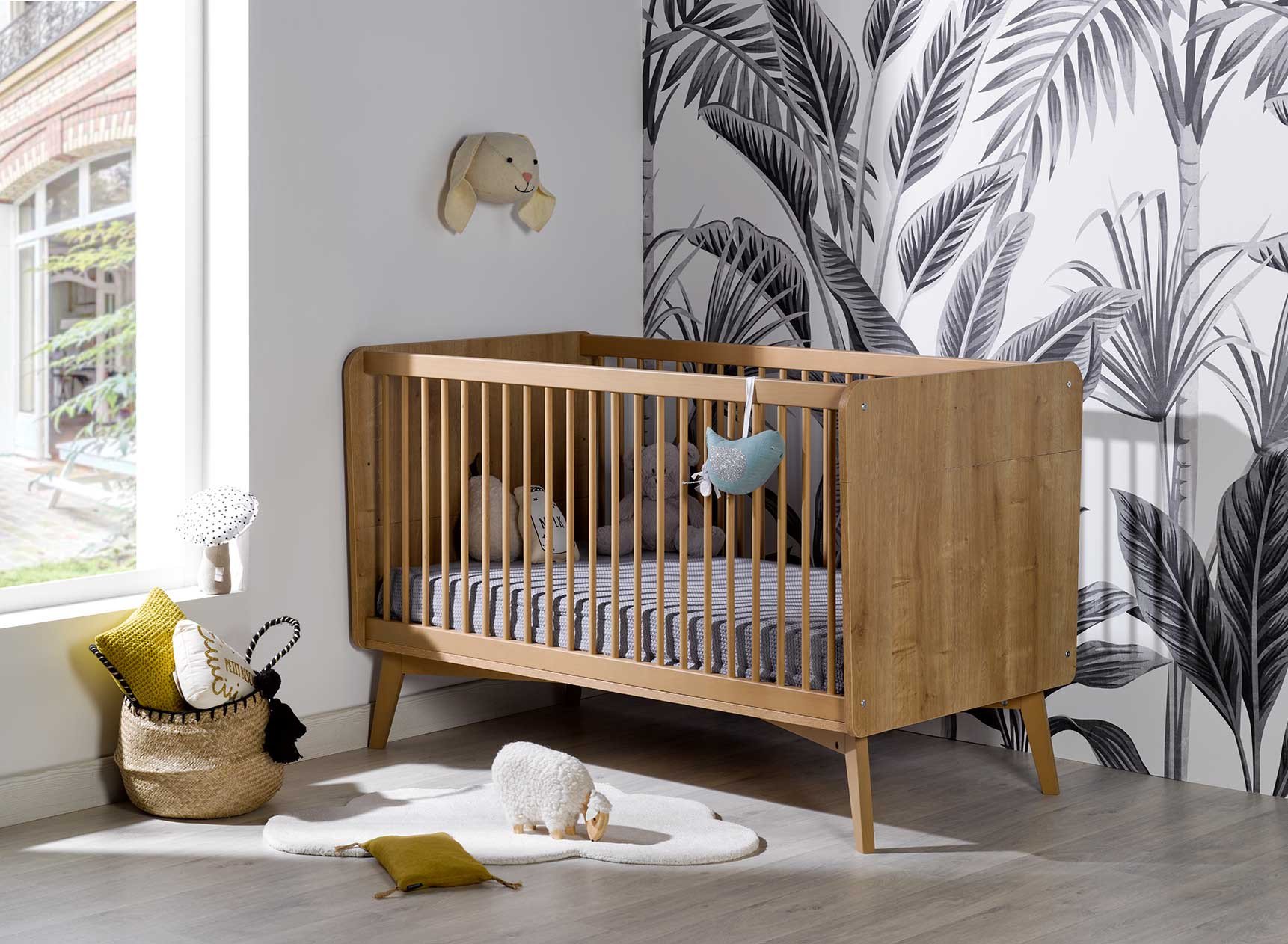
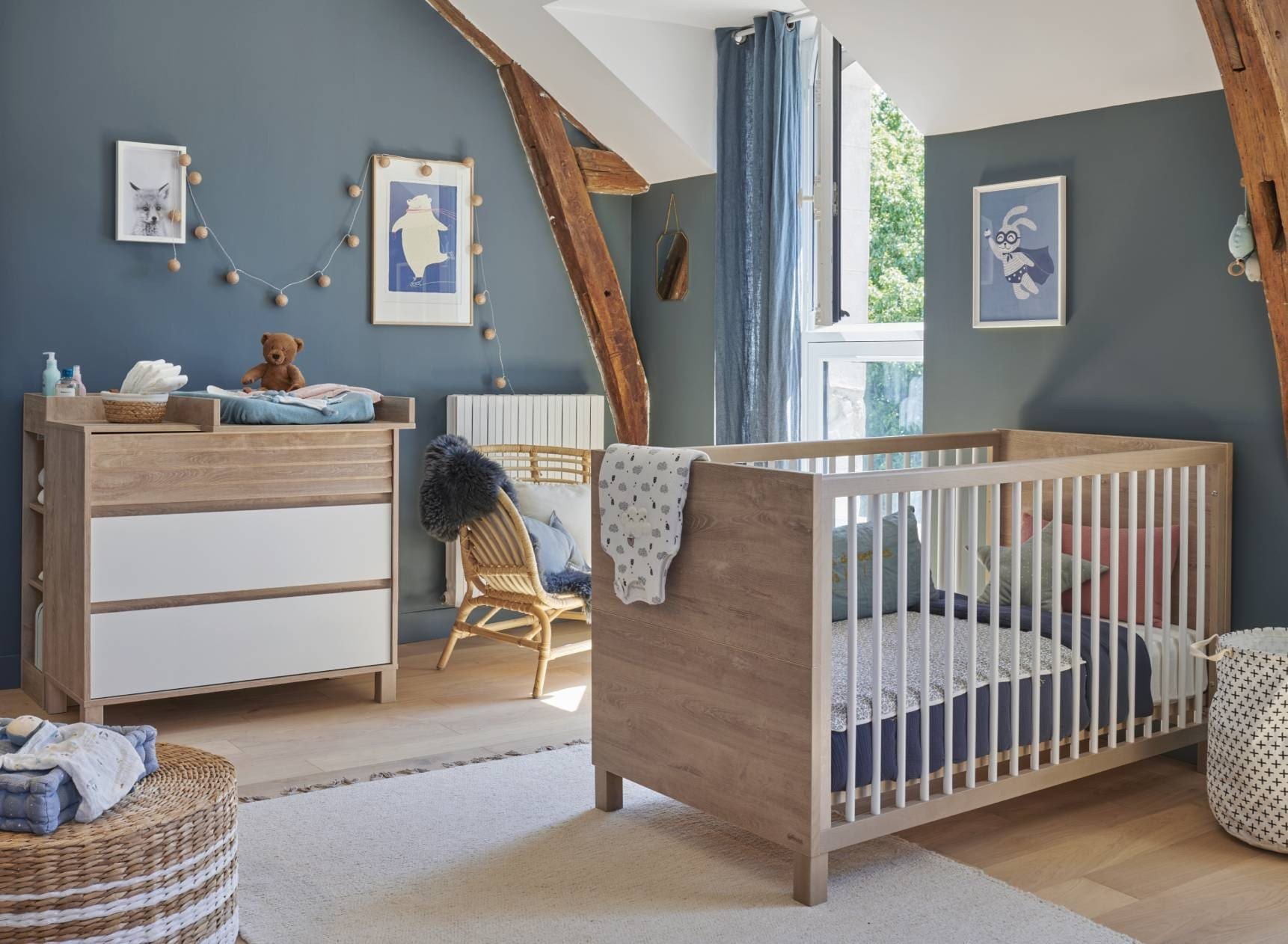
A well-thought-out environment is crucial to ensure your infant's safety and comfort. Make sure the cot has a firm mattress suitable for their age to support their growth. Avoid bulky items such as pillows or thick blankets that could pose risks during the night. You can opt for our selection of baby bedding made from soft and natural fibres.
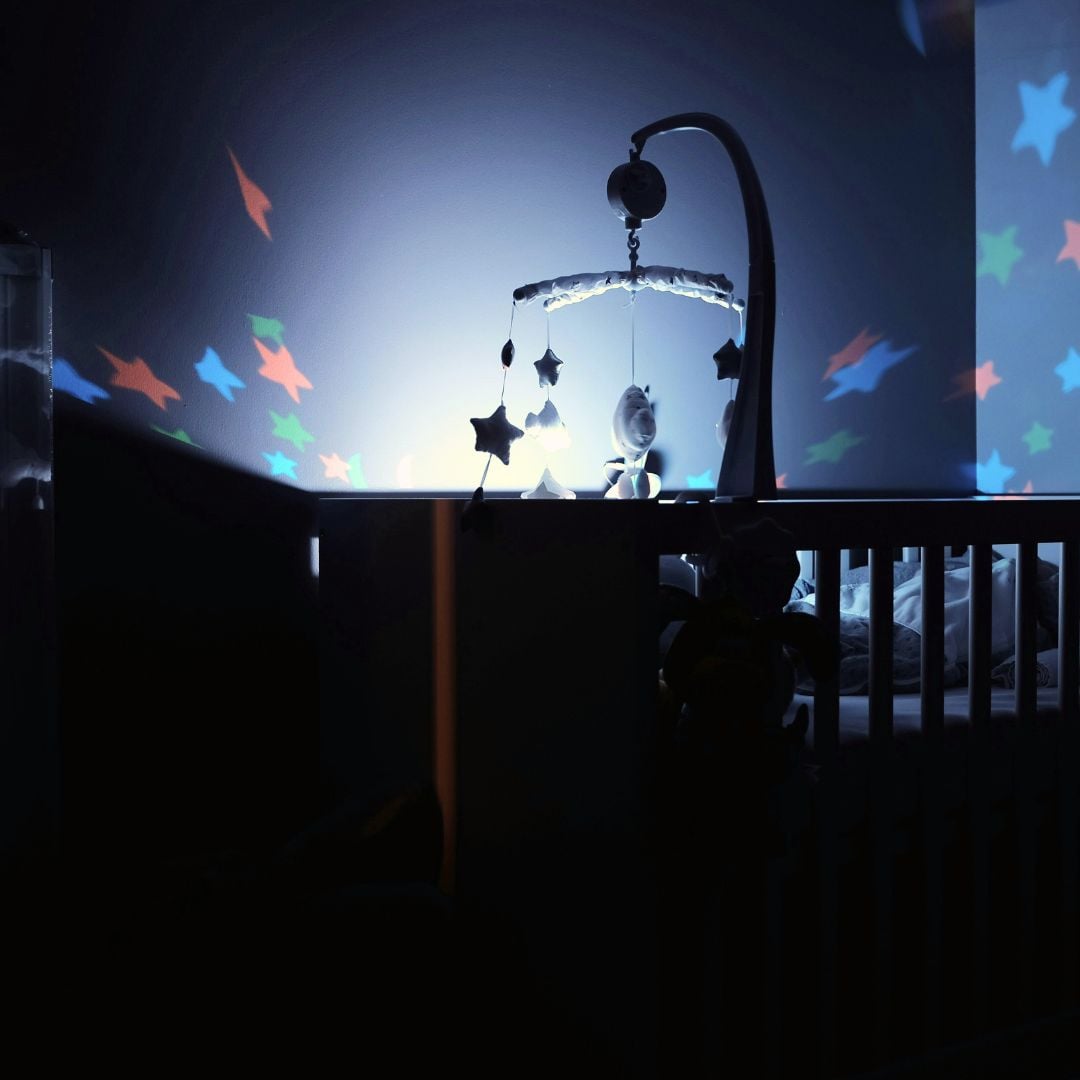
The presence of a dimmed night light can be particularly useful in creating a reassuring atmosphere, especially if your child needs a visual reference in the dark. Maintain an ideal room temperature, between 18 and 20°C, to promote restorative sleep. Find more tips in our article on the importance of lighting in your child's room.
Finally, optimise the space by arranging furniture in an ergonomic and safe manner. A calm atmosphere, with few visual or auditory stimuli, will help your baby associate this room with a place of rest rather than excitement.
Bedtime rituals and habits
Establishing a soothing routine
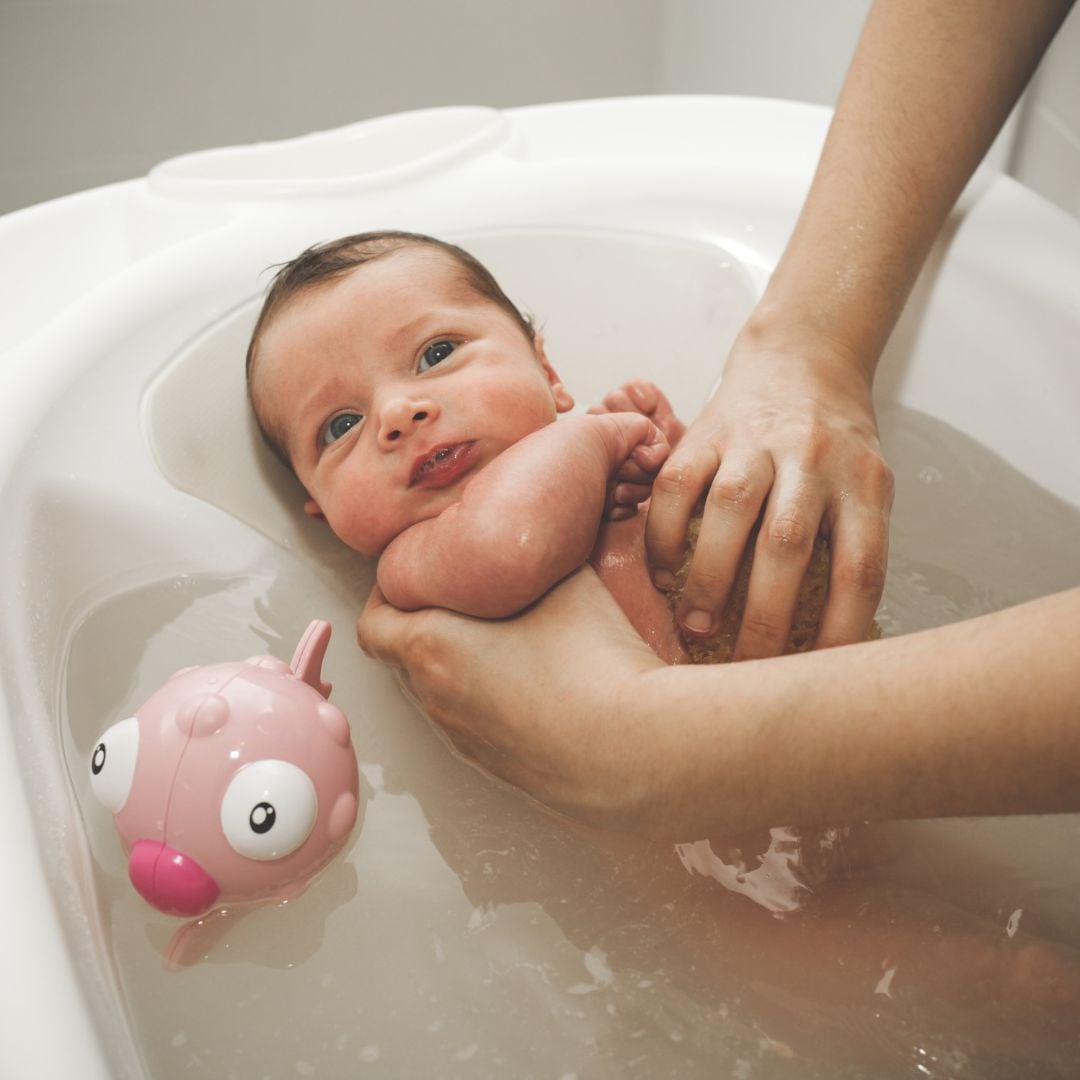
Babies love routine! It gives them a sense of predictability that promotes their serenity. Create repetitive night-time habits such as a warm bath followed by a story told gently. These small rituals condition the child to understand that bedtime is approaching.
Incorporate calming activities such as reading or soft music to soothe the last restless movements before sleep. These shared moments also strengthen your emotional bonds while creating a conducive setting for bedtime.
If separation seems difficult at first, stay near the bed until your little one falls asleep. Your mere presence may be enough to create a reassuring atmosphere without compromising their growing autonomy.
Overcoming parents' challenges and fears
Managing separation anxiety
It's natural to feel some apprehension about this night-time separation. You might fear that your child will feel abandoned or that something could happen without your direct supervision. These emotions are legitimate and shared by many parents.
Adopt simple strategies to better manage these concerns: install a high-performance baby monitor to follow every movement or sound coming from their room in real-time. Also, communicate with other parents who have experienced this; their testimonials can provide you with moral support.
Don't forget that this transition can also represent a precious opportunity to regain intimacy within the couple and re-establish a healthy family balance after often tiring months linked to intensive infant care.
When to postpone the move to a separate room
Recognising and acting on signs
Not all babies are ready to leave the parental bedroom at the same time. If you notice obvious signs of attachment, such as very restless sleep when alone or a constant need to have your hand on them, it might be better to wait a bit longer.
Be flexible and ready to adjust your plans based on your child's well-being. Sometimes, postponing this step can avoid unnecessary disruptions in their sleep habits or sense of security.
Trust your parental instinct: no fixed schedule dictates when this change should occur. The ultimate goal is always the emotional and physical well-being of the baby as well as the parents.
Establishing effective communication with baby
Promoting positive interaction
Even before they can talk, your infant perceives a lot through your gestures and facial expressions. Use reassuring non-verbal language such as gentle caresses or soothing whispers at bedtime to reinforce their sense of security.
Also, take the time to actively listen to their needs during the day so they know they can count on you, which will facilitate their adaptation to the night-time change.
For more information, you can read the Magic maman article on the 8 keys to communicating with baby.
Evolving sleep habits
Maintaining healthy and restorative sleep
To ensure peaceful nights in their new room, make sure to create all the optimal conditions: sufficient darkness (with possibly a night light), comfortable temperature, absence of disruptive noise... Every detail matters!
If necessary, gradually adjust your practices according to their reactions. However, a well-established routine remains the key element in stabilising their night cycles while reinforcing their autonomy in this space dedicated solely to sleep.
By providing your baby with a secure environment combined with a gentle and empathetic transition to their own room, you are laying solid foundations for healthy sleep in the long term!
Sage green and wood bedroom: how to create a natural and soothing space
Children's bed size: the complete guide for healthy and safe sleep
How to decorate your bedroom with healthy materials?