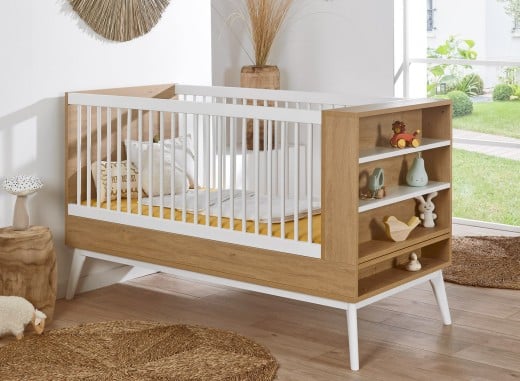
Why choose a wooden baby cot for your child?

- Categories : Interior Trend

Nateo CONCEPT

A sturdy and durable bed for baby

Wood is a widely used material for furniture manufacturing, including children's furniture. If chosen well, it is sturdy, durable and eco-friendly, offering many advantages. Thus, when looking for a baby bed, it is often recommended to opt for a wooden baby bed. So what are the different types of baby beds? Why choose wood? How to choose a wooden baby bed? From what age can it be used?

What are the different types of baby beds?

When looking for a wooden baby bed, one can quickly realise that there are many possibilities in this area. Indeed, the solid wood baby bed can take many forms depending on needs. For example, there are:

  • The baby cradle bed: This will be used during the first months of the child's life. Small in size, it is more reassuring for infants.
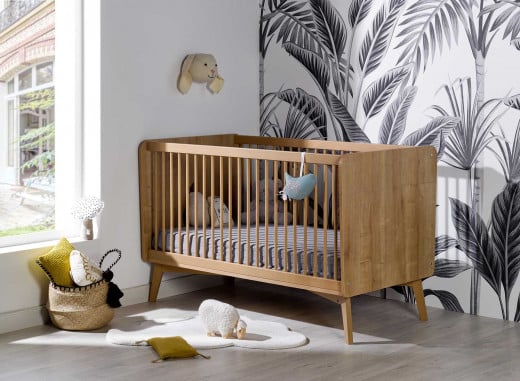
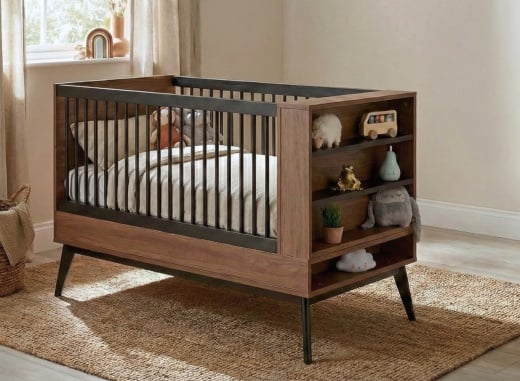
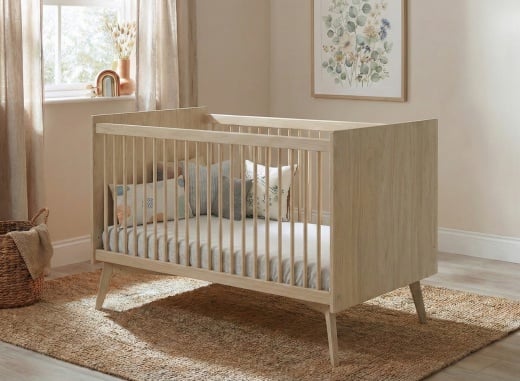
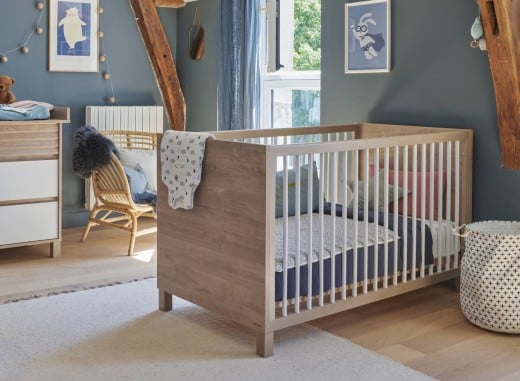
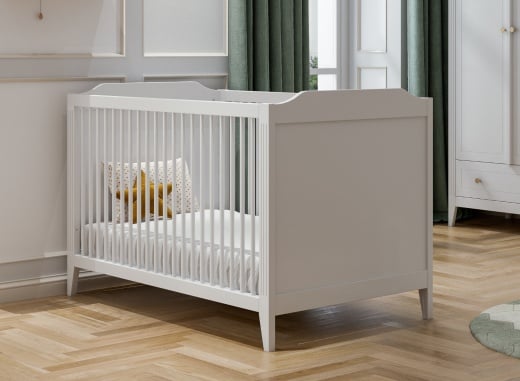
  • The wooden baby cot: This baby bed will be used until the child can sleep in a big bed.
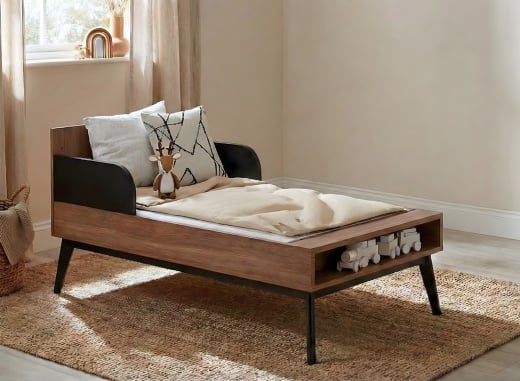
  • The convertible wooden bed: This baby bed has the particularity of evolving according to the child's needs. For example, it can be a cot that is then transformed into a child's bed, thus providing a two-in-one piece of furniture.
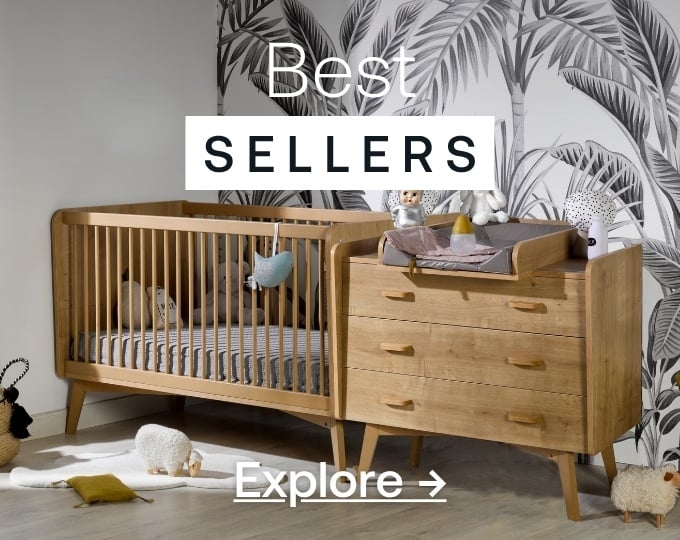
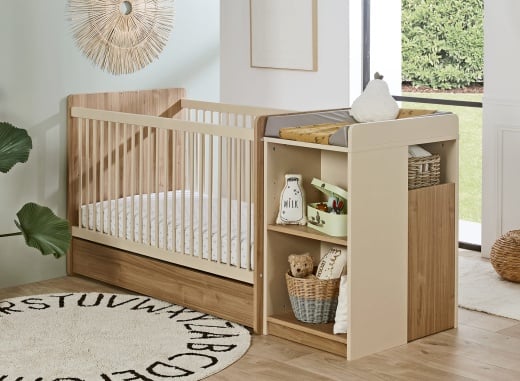
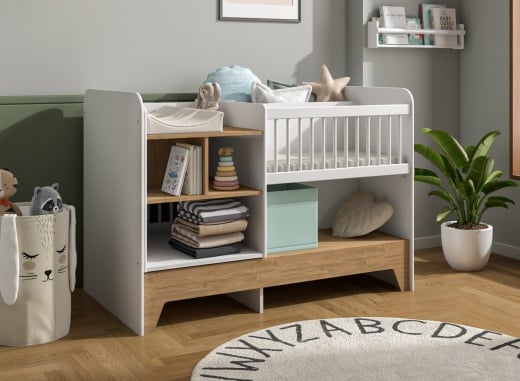
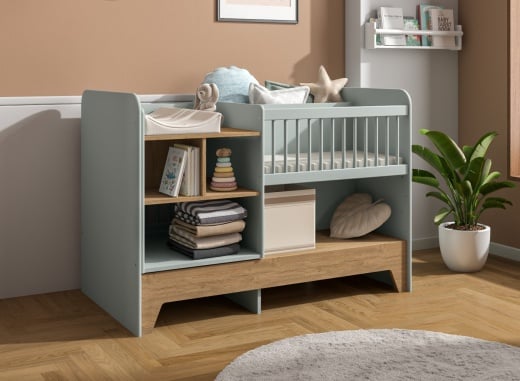
  • The combination baby bed: This type of furniture combines both a baby bed and other elements such as a changing table or storage. It saves space and can also be convertible.

Whatever solution you're looking for, there is a wooden baby bed for all kinds of needs.

Why choose a wooden bed?

If it's recommended to opt for a wooden baby bed, it's because this material has many advantages. First, it's a natural and robust material. By opting for quality furniture, you can keep it for many years without seeing it deteriorate. This can be very interesting to avoid expenses, especially when opting for a convertible baby bed that will be used for several years.

Wood is also a material that offers many possibilities in terms of style. The different colours allow you to opt for light or darker wood according to your preference. You can also opt for painted wood to have a white wooden baby bed that can be easily matched, or more colourful. Warm, it is the perfect material for a child's room.

How to choose a wooden baby bed?

Choosing a wooden baby bed can be based on several criteria. First, there's the style of the bed, which should match your desires and the décor of your child's room. Today, there are many models available, allowing you to opt for furniture with a design, classic, vintage or other style according to your preference.

It's also important to consider the materials used in manufacturing. Regarding wooden baby beds, it's recommended to choose one made with FSC or PEFC certified wood. This label means that the wood used to make the furniture comes from eco-managed forests. It's a more eco-responsible choice. French manufacturing can also be a sign of quality and a way to limit your environmental impact when purchasing your wooden baby bed.

If it's painted wood, it's recommended to choose furniture painted with water-based paint. It's also advisable to opt for a wooden baby bed with a low formaldehyde content, in order to limit baby's exposure to volatile organic compounds and thus preserve their well-being.

What about the mattress?

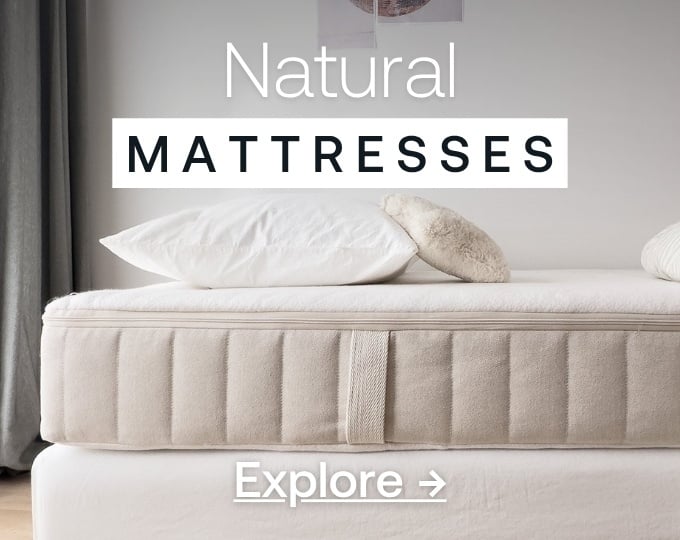
Along with the wooden baby bed, one will also need to choose a mattress. It is very important to opt for a baby mattress specifically designed for babies to provide the necessary comfort and support for your child. Here too, it is entirely possible to opt for a natural material such as organic cotton or bamboo. It is recommended to ensure that the chosen mattress is naturally dust mite and antibacterial resistant, as chemical treatments should indeed be avoided to preserve baby's well-being.

The Oeko-Tex label is a good way to ensure that the chosen mattress does not contain chemicals harmful to health. One can also refer to the Certipur label, which certifies the non-use of certain substances considered harmful to health and the environment. 

At what age can you put a baby in a bed?

Most often, it's recommended to use a cradle or a co-sleeping bed according to preference for the first months of a child's life. Generally, the bed is also installed in the parents' room, which is more reassuring at first. When the child is 6 months old, you can then consider installing them in a cot. This way, they benefit from more space.

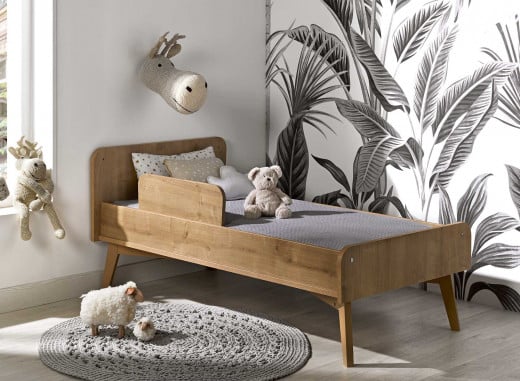
The transition to a big bed depends primarily on the child's rhythm and needs. It's estimated that at around two years old, the child will start trying to climb over the bars, which can present a risk of falling. It's then recommended to install them in a child's bed. You can also opt for a gentle transition by choosing a Montessori bed which is closer to the ground. This facilitates getting up and going to bed, and reduces the risk of falling.