Your 3-year-old's sleep: finding peaceful nights again
Nateo CONCEPT
Sleep at 3 years old: restoring peaceful nights
Are you desperately seeking to stabilize your 3-year-old child's sleep to preserve the serenity and well-being of the whole family? We offer here concrete and caring solutions to establish a healthy environment, durably ease nighttime tensions and finally guarantee restorative and peaceful nights for everyone.
How to help a 3-year-old child sleep well? 7 effective solutions
- 🕰️ Keep regular bedtime hours
- 🌙 Establish a calming routine
- 📱 Avoid screens in the evening
- 🛏️ Create a calm and reassuring environment
- 💤 Preserve the nap if the child still shows signs of fatigue
- 🤫 Limit evening excitement
- ❤️ Reassure and verbalize
Sleep at 3 years old: deciphering your child's new needs
How many hours to recharge the batteries?
We hear everything and its opposite, but experts agree: a 3-year-old child needs approximately 10 to 13 hours of sleep per 24-hour period. This is an average, of course. Your little one may be a “short” or “long” sleeper without this being abnormal.
Don't focus solely on the timer. Quality trumps sheer duration. If your child wakes up in a good mood, they've probably had enough. Consistency of nighttime sleep remains the central pillar.
Ultimately, trust your instinct. Mood and energy displayed during the day are your best barometers for judging their actual fatigue.
The nap, end of the game or overtime?
This is often where it gets tricky. 3 years old often marks the pivotal age when naps begin to disappear. This transition doesn't happen overnight, it generally unfolds gradually between 3 and 6 years old.
Watch out for misleading signals. Restlessness or irritability at the end of the day proves they still need it. To avoid sabotaging the night, schedule it in early afternoon. We know well the benefits of napping on nervous system recovery.
However, if bedtime drags on in the evening, ask yourself the question: has this daytime rest become unnecessary?
How their sleep works in clear terms
Forget your own adult benchmarks. At 3 years old, the mechanics are different: a cycle lasts about 75 minutes. This is significantly shorter than yours, and it's physiological.
Between two cycles, a micro-waking systematically occurs. This is where everything is decided. The goal is for them to learn to fall back into their dreams alone, without calling you for help. This is how nighttime sleep consolidation is built.
It's also during these delicate transitions that certain “parasomnias” can sometimes emerge.
Decoding the difficulties: why bedtime becomes a battle
The big evening “no”: understanding their need for assertion
This refusal to go to bed is not just a simple whim. At three years old, your child tests boundaries to assert their autonomy. It's a normal developmental stage, often misunderstood by exhausted parents.
This behavior is directly linked to the language explosion. They can finally verbalize their desires or fear of separation. It's their new way of communicating their anxieties before bedtime. They're not trying to harm you.
Bedtime then becomes a field of intense negotiation. It's a real power struggle.
Night wakings: what to do when they show up in your bedroom?
Rest assured, night wakings are common in young children. The problem isn't the waking, but the child's inability to fall back asleep alone. The comfort of the parental bed then becomes an easy solution. They're simply seeking your reassuring presence.
The strategy is simple: systematically take them back to their bed. Do it calmly, but remain firm on the established rule. Consistency in your actions remains the key to long-term success.
If you give in once, the door will remain open every following night. You must hold firm.
Night terrors or simple nightmares?
These two phenomena must be clearly differentiated. Night terrors occur early in the night, during deep slow-wave sleep. The child becomes agitated and screams, yet they are still asleep. They will have no memory of this episode the next morning.
Nightmares occur later in the night during REM sleep. The child wakes up completely frightened and remembers it perfectly. They then need immediate reassurance.
Practical advice: never wake a child in the middle of a night terror. Simply ensure their physical safety, then gently put them back to bed.
Your parent's toolkit: 3 concrete solutions that work
Understanding is good, but taking action is better. Let's now move on to practical strategies to implement starting tonight for more peaceful nights.
1) The bedtime ritual: your best ally
It's not an option, it's a biological necessity to signal to the child's brain that it's time to sleep. To be effective, this moment must remain short, completely predictable and calming.
The goal is simple: reduce ambient excitement. It's a shared quiet time where the importance of the comfort object should never be underestimated as a reassuring anchor.
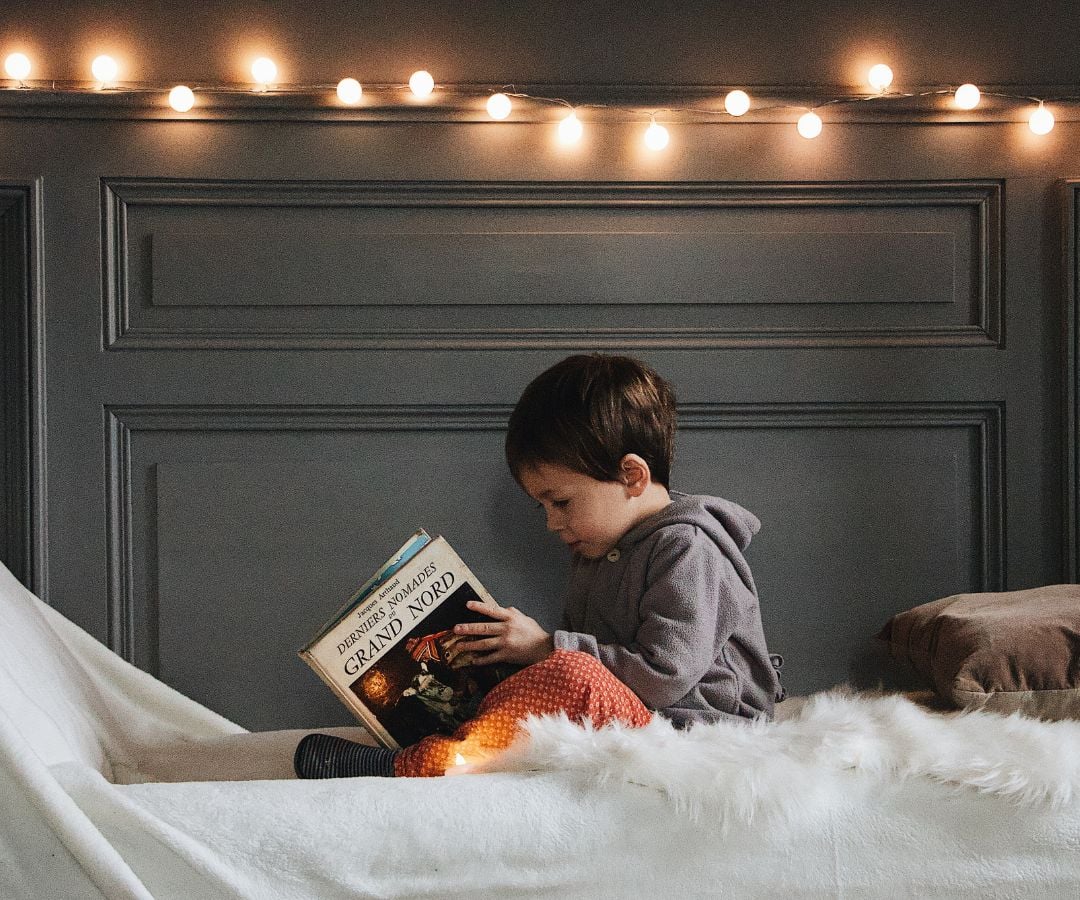
- Read a calm story (banish tablets here).
- Give a hug, sing a lullaby or say sweet words.
- Gently announce that you are leaving.
2) The art of bedtime negotiation
At 3 years old, children argue about everything, it's normal. Rather than a frontal “no” that creates resistance, offer limited choices: “Do you want to read the story about the wolf or the three little pigs?” This gives them an immediate sense of control.
Try the “pass” technique. Your child receives a single token (and only one) that gives them the right to one last request, like a bonus hug or a glass of water.
This framed negotiation strategy avoids endless callbacks and makes the child responsible for their own choices.
3) A bedroom that invites sleep
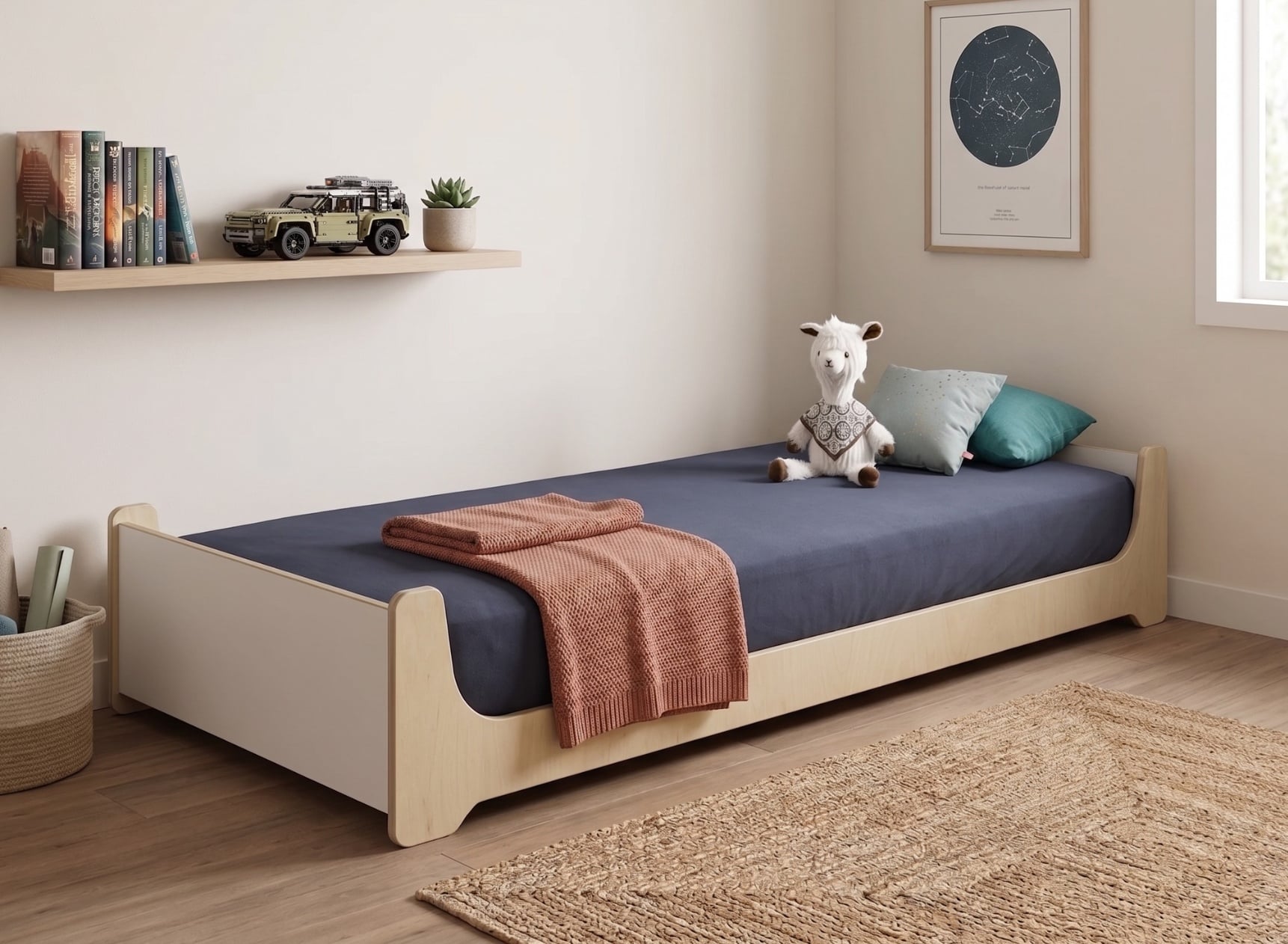
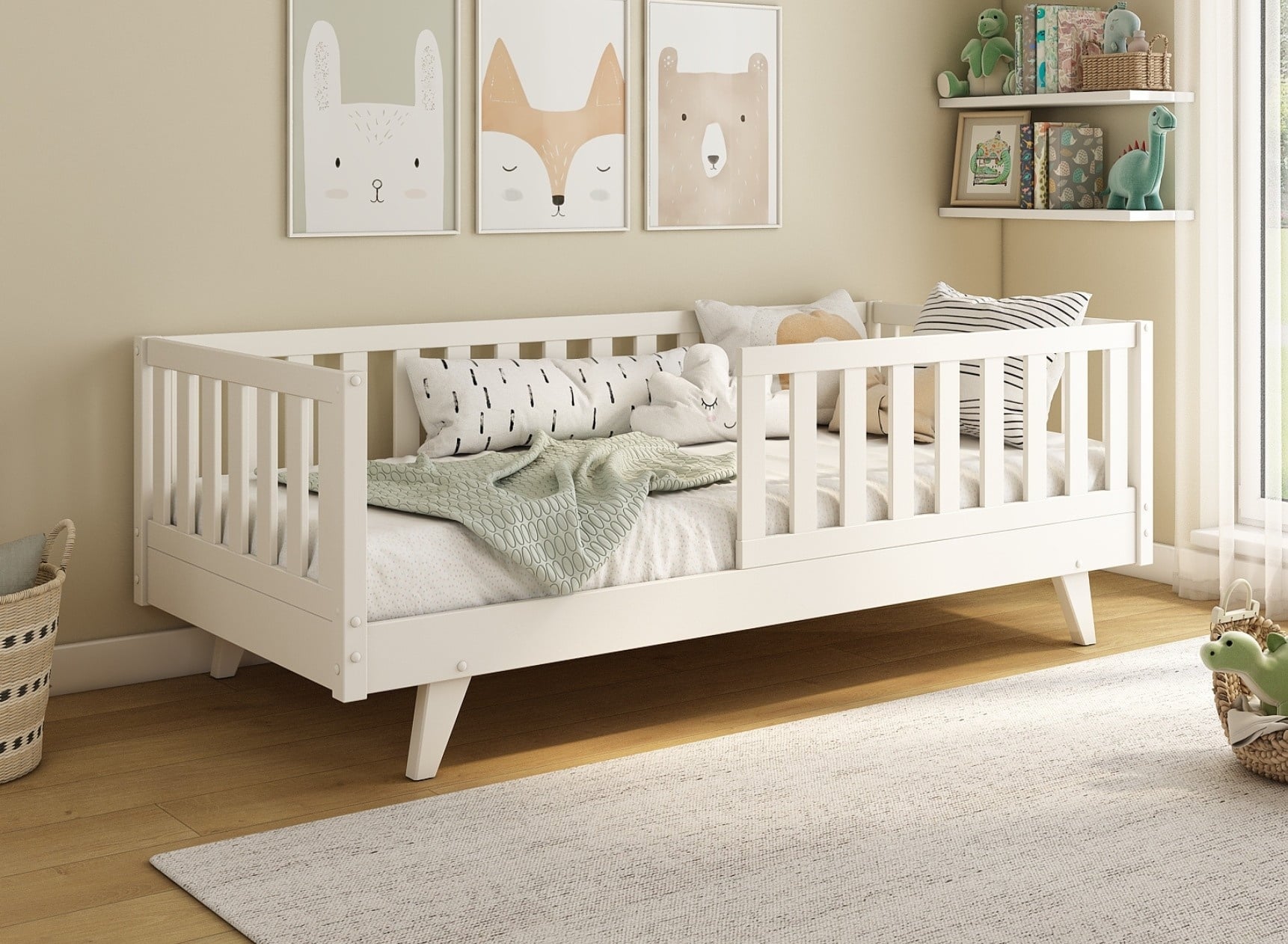
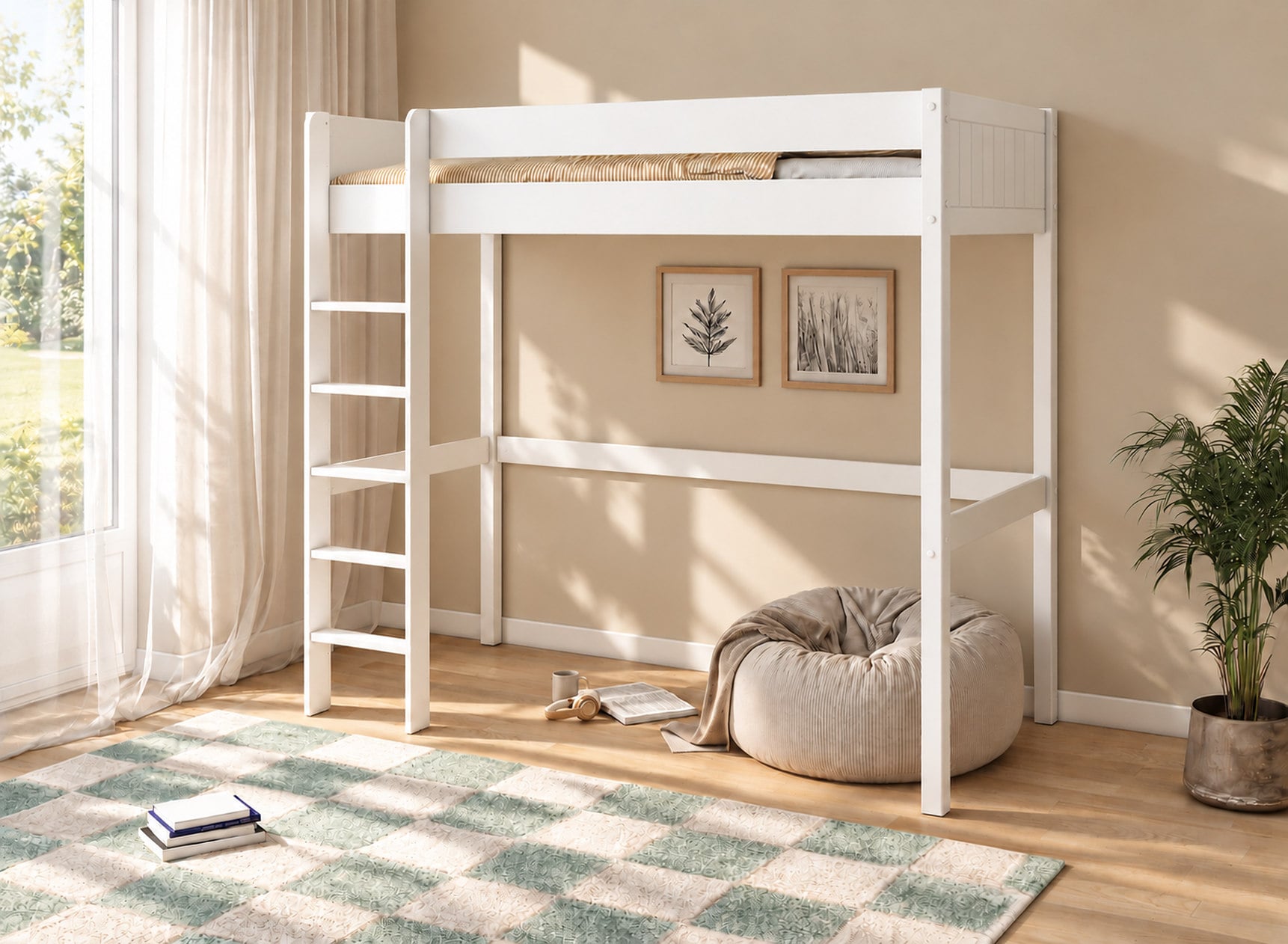
The bedroom should be a sanctuary of rest, not an exciting playroom. In the evening, the atmosphere must change dramatically. Creating a calming child's room is a key step too often overlooked.
Remember that the bed is for sleeping. Avoid long play sessions in bed during the day to preserve this mental association.
- Near-total darkness (long live blackout curtains).
- Absolute silence or gentle white noise to cover household sounds.
- A cool temperature maintained around 64-68°F.
Hidden sleep disruptors: what we often forget
Sometimes, despite a perfect ritual and an ideal bedroom, sleep remains difficult. This means you need to look beyond the bedroom and focus on the child's overall life rhythm.
Synchronize their biological clock
The biological clock acts as the true conductor of sleep. For it to properly direct nights, it requires clear and constant markers in daily life.
These markers, the “time givers”, structure the child's day and physiologically prepare their body for rest.
Here are the pillars for setting this rhythm:
- Regular wake, meal and bedtime hours, maintained even on weekends.
- Clear exposure to daylight in the morning, ideally through a daily outing.
The trap of blue light before sleeping
Let's be direct: screens in the evening, whether TV or phone, are the worst enemies of rest. Their blue light completely blocks the production of melatonin, the hormone essential for falling asleep.
The rule must remain simple and non-negotiable: ban all screens at least one hour before the start of the bedtime ritual.
Replace this time with calm activities such as drawing, a puzzle or listening to soft music.
The impact of your own anxiety
It's an often ignored fact: children are emotional sponges. If bedtime becomes a source of stress for the parent, the child will feel it instantly.
Don't dramatize the situation. Becoming tense about sleep is counterproductive. Try to approach bedtime with calm and confidence, even if you're exhausted from your day.
Often, your own letting go is the first step for the child to finally calm down.
If nothing works, when to consult?
Sometimes, willpower isn't enough. If despite absolute rigor, sleep problems are severe, persist beyond a few weeks and undermine your family balance, don't wait for the situation to deteriorate.
The first step is to talk to your pediatrician or doctor. They will check for the absence of medical causes, such as sleep apnea or GERD, and refer you to a sleep specialist if necessary.
Supporting your child's sleep at 3 years old requires patience and consistency. By creating a healthy environment and maintaining a reassuring ritual, you help them grow peacefully. Trust yourself: with stable markers and lots of love, these temporary turbulences will soon give way to peaceful nights for the whole family.
FAQ
How many hours of sleep does a 3-year-old child need?
Between 10 and 13 hours per 24 hours, including night and possible nap. Each child is different: what matters is that they remain energetic and balanced during the day.
What is the ideal time to put a 3-year-old child to bed?
No universal time, but consistency is key. Generally, bedtime between 7:30 and 8:30 PM is suitable. Keep fixed schedules, even on weekends.
When and how to know if naps should be stopped?
Between 3 and 6 years old, depending on the child. If the nap delays evening sleep onset, it's time to reduce it or replace it with quiet time. If they become irritable without a nap, it remains necessary.
What are the signs of sleep deprivation?
Restlessness, irritability, tantrums, difficulty concentrating or coordinating. Moving bedtime earlier often helps restore balance.
What bedtime routine should be adopted?
A gentle and predictable routine: bath, teeth, story, cuddle. Repeating the same gestures reassures the child and facilitates falling asleep.
Why do we talk about sleep regression around 3 years old?
It's a normal phase related to development and self-assertion. The child may refuse to sleep or wake up at night. Maintain a firm but caring framework.
What is the best indicator of good sleep?
A well-rested child wakes up naturally, in a good mood and full of energy. Fatigue or difficult waking = bedtime too late.
Sage green and wood bedroom: how to create a natural and soothing space
Children's bed size: the complete guide for healthy and safe sleep
How to decorate your bedroom with healthy materials?