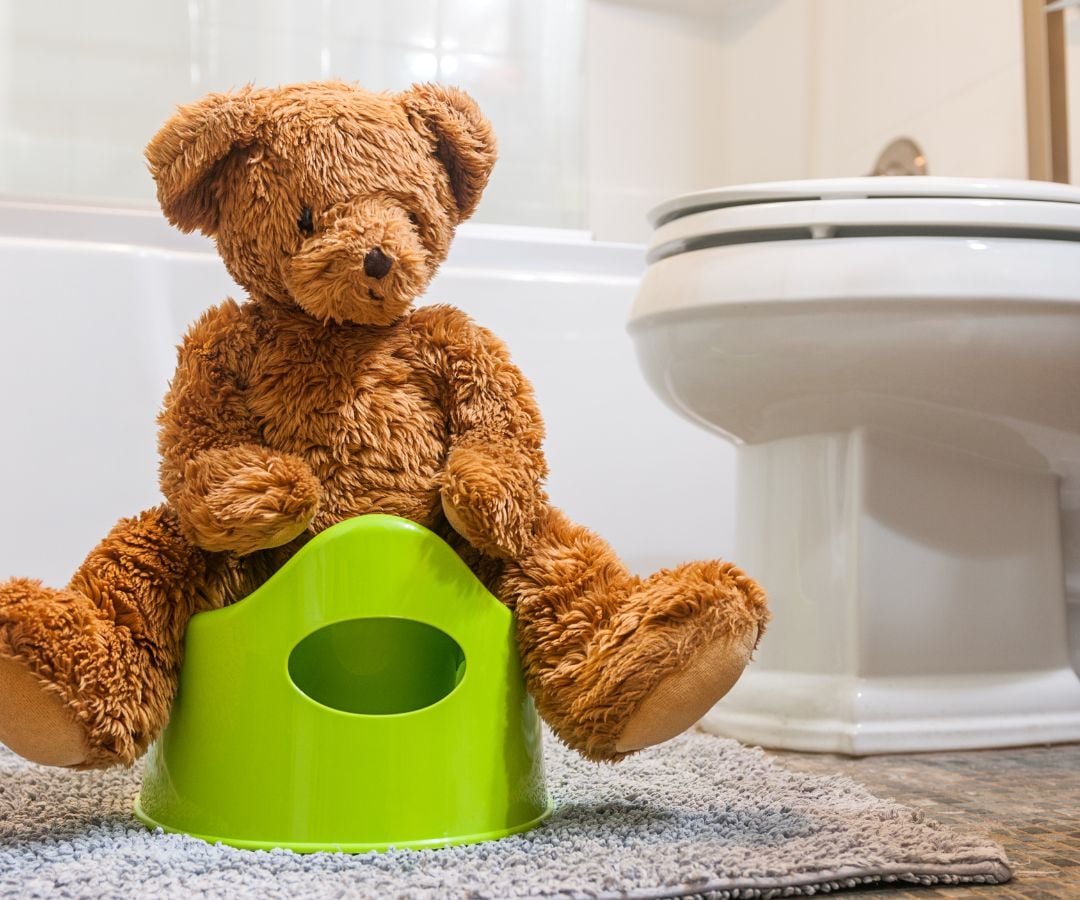
My child is wetting the bed again: staying calm and providing support

- Categories : Tips

Nateo CONCEPT

Bedwetting: How to Support Your Child

You notice that your child is wetting the bed again after a period of dryness? know that this regression is never a failure. We identify for you the causes of this temporary disorder in order to remove guilt from the whole family and provide an appropriate response. Discover our caring rituals and practical tips to peacefully support your little one towards the return of dry nights.

Why this setback? decoding secondary enuresis

It's not regression, it's a reaction

We speak of secondary enuresis when accidents return after six months of complete dryness. Let's be clear: your child isn't doing it on purpose. It's never a whim, but an involuntary loss of control.

See it as an alarm signal. Their body is expressing stress or upheaval that they can't yet put into words.

The triggers are often emotional and multiple:

What if it's physical? the less obvious leads

Genetics plays a sneaky role. If one parent was affected, the risk climbs to 25%. If it's both? We go up to 65%. It's a family matter, not a question of parenting.

Sometimes, it's mechanical. Very deep sleep prevents the brain from picking up the "full bladder" signal. Another overlooked culprit: constipation. Accumulated stools press on the bladder and cause uncontrollable leaks.

More rarely, a urinary tract infection or diabetes is hidden behind it. If doubt persists, medical advice is quickly needed.

The parents' mission: downplay and support

Now that you have some clues about the 'why', let's look at the 'how'. Your role is absolutely central, but perhaps not in the way you think.

Your reaction is key: words that help (and those that hurt)

Here's the golden rule: you should never punish or humiliate your child for a wet bed. Remember that enuresis is completely involuntary. Shame or anger only worsen their stress. Ultimately, it makes the problem worse.

Choose words that immediately reassure. Simply tell them: "It's not your fault, it's just a little accident." We're a team, we'll get through this together.

Your calm and unconditional support remain your best weapons. This is how you'll help them get through this difficult time.

Creating a parent-child team against "accidents"

Change your perspective tonight. It's not your child's "problem", but a real "mission" for the whole family. Involve them gently without ever burdening them with responsibilities that are too heavy.

Try the motivation calendar with suns or clouds, focusing everything on positive reinforcement. Warmly congratulate every dry night. However, never negatively mention wet nights.

The goal is to restore their confidence and make them the actor in the solution. Above all, don't put any pressure on results.

Action Plan for (Drier) Nights

Let's move from theory to practice. Implementing a few simple habits can make a huge difference, without turning your evenings into boot camp.

The evening routine, your best ally

A soothing and predictable ritual remains the key to conditioning your child's body to rest. It's the physiological signal that the bladder should also relax for the night.

Here are the non-negotiable steps to ensure safe sleep:

  1. Limit drinks 1 to 2 hours before bedtime.
  2. Establish a systematic bathroom visit just before going to bed.
  3. Ensure easy and well-lit access to the bathroom with a nightlight.
  4. End the day with a calm activity, away from screens.

Managing the "morning after" without hassle

On the practical side, protect the mattress with a quality waterproof protector. Always keep spare pajamas and sheets within reach. The goal is simple: change the bedding in a flash. Less light, less waking up.

In the morning, play it as a team rather than punitive. Your child can put the wet sheets in the laundry basket. It's a team gesture that makes them responsible without putting them on the defensive.

A quick wash avoids irritation and gets the day off to a good start. For storing clean clothes, consider organizing their room with a clever bed with drawers.

When "bedwetting" persists: outside help

You've tried everything, but the sheets are still wet most mornings? Sometimes, outside help is necessary. Don't panic, it's a normal step.

The right time to talk to a doctor

Don't face this issue alone. If enuresis is weighing on your child's morale or family balance, consulting a doctor becomes a relevant step.

Pediatricians agree on specific indicators that should prompt a quick appointment to rule out any risk:

  • The child is over 6 years old and is struggling with the situation.
  • The relapse is sudden after a long period of dryness.
  • They complain of pain when urinating.
  • They have excessive thirst or suffer from chronic constipation.

Solutions that can take over

The practitioner will first check for the absence of a medical cause. If everything is physiological, the "bedwetting alarm" offers good results. This device conditions the brain to respond to the full bladder signal, creating a lasting reflex.

As for medication, it remains a last resort option. Prescribed only by a doctor, it's mainly used for one-off events, like summer camp or a sleepover at a friend's house, without addressing the underlying problem.

This setback is just a temporary phase. Arm yourself with patience and kindness: your unconditional support is the key to reassuring your child. By establishing a climate of trust and soothing routines, you'll help them naturally return to peaceful nights. Stay the course, it's above all a team effort