How to raise a bed: the guide to gaining more space

- Categories : Tips

Nateo CONCEPT

Raising a bed: gaining space

Are you looking to gain space in your child's bedroom? A bed that is too low limits play and storage space, and your little one grows up fast. Raising a child's bed is a simple, safe and adaptable solution.

Key takeaways:

  • A raised children's bed immediately frees up an area for playing, storing or creating a reading nook.
  • The clearance height under the bed base must remain safe: a minimum of 60 cm between the mattress and the ceiling.
  • The recommended age for sleeping at height is 6 years.
  • Eco-friendly materials, such as PEFC/FSC certified solid wood and water-based VOC-free paint, guarantee a healthy space.

Why raise a child's bed to optimise their room?

Having discussed the importance of room arrangement, let us now look at how height instantly transforms the available volume.

Freeing up floor space for play and storage

In a small bedroom, every square metre counts for moving around. Raising the bed base frees up a precious area. It is a simple trick to visually open up your little one's living space.

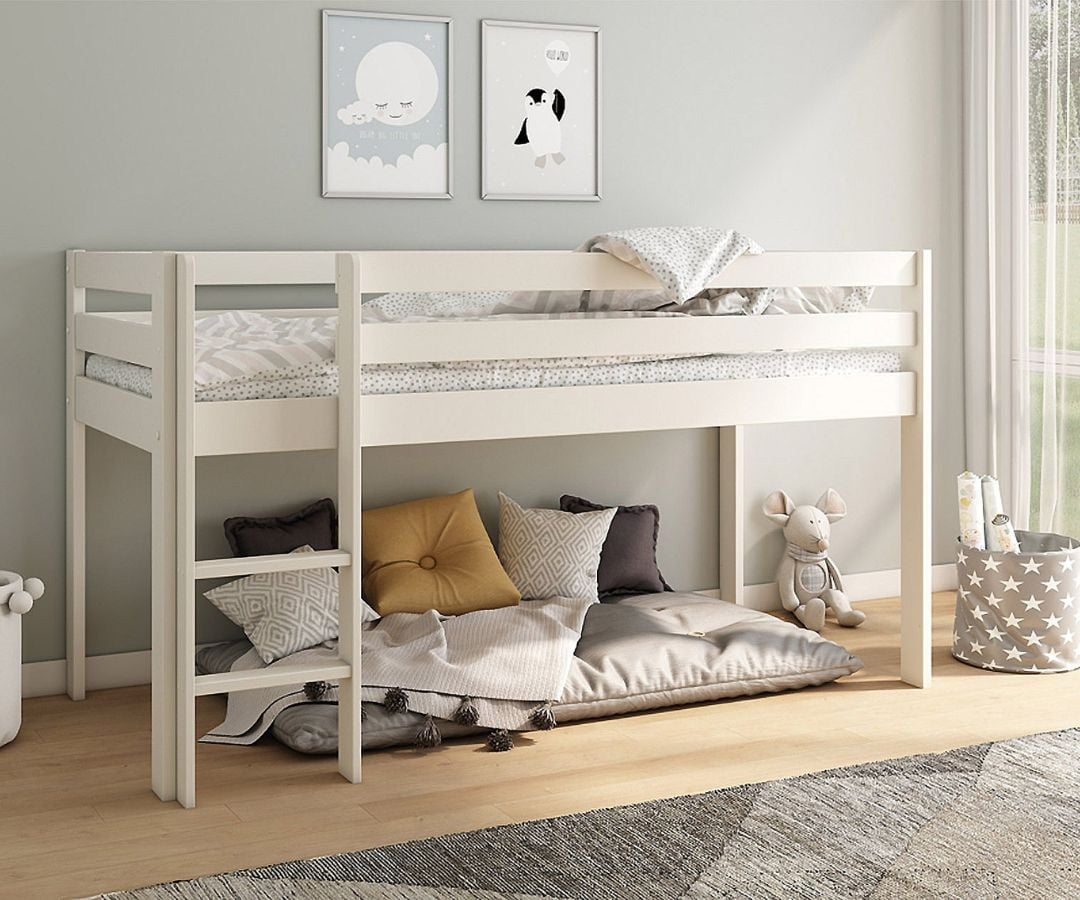
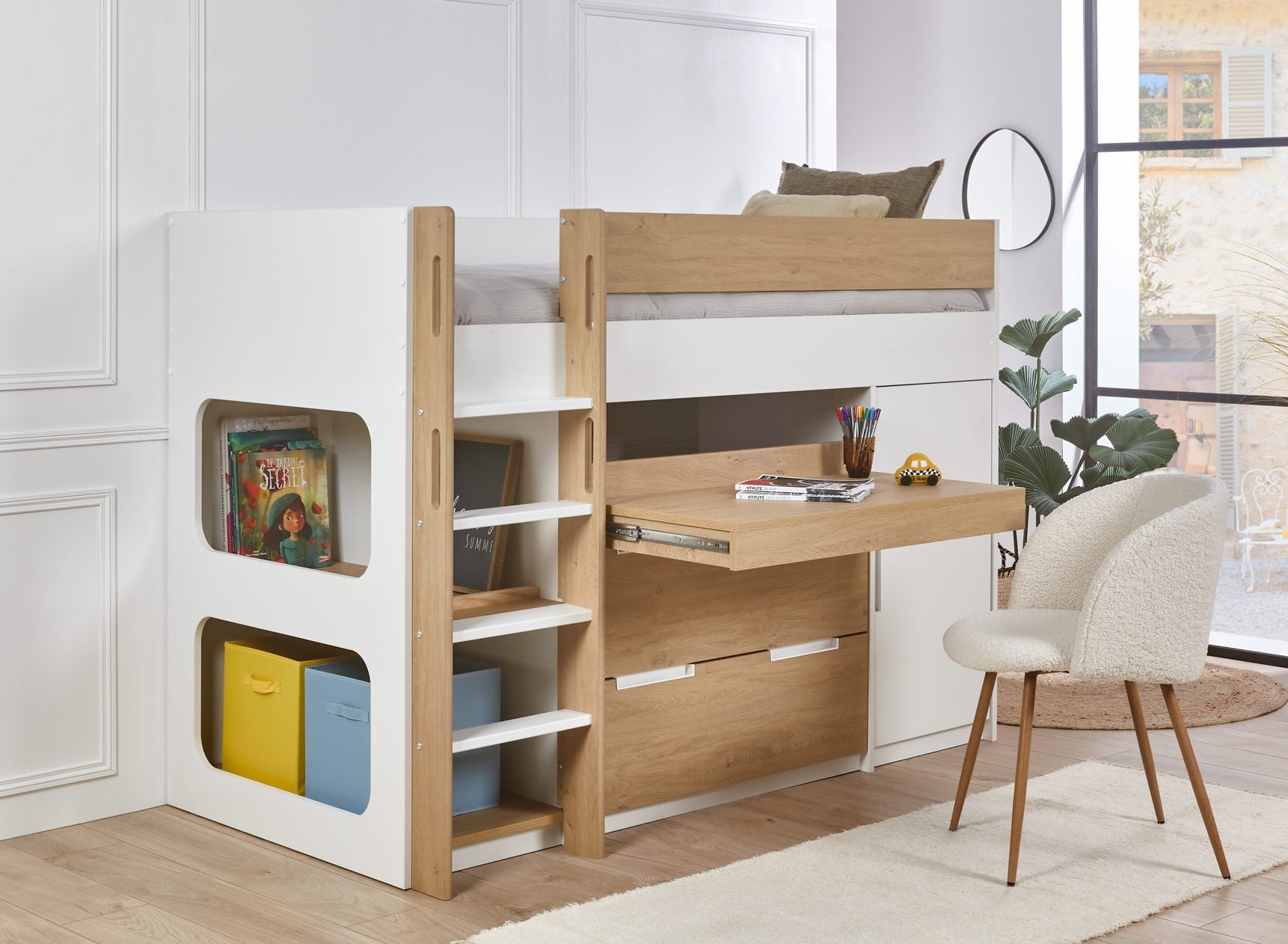
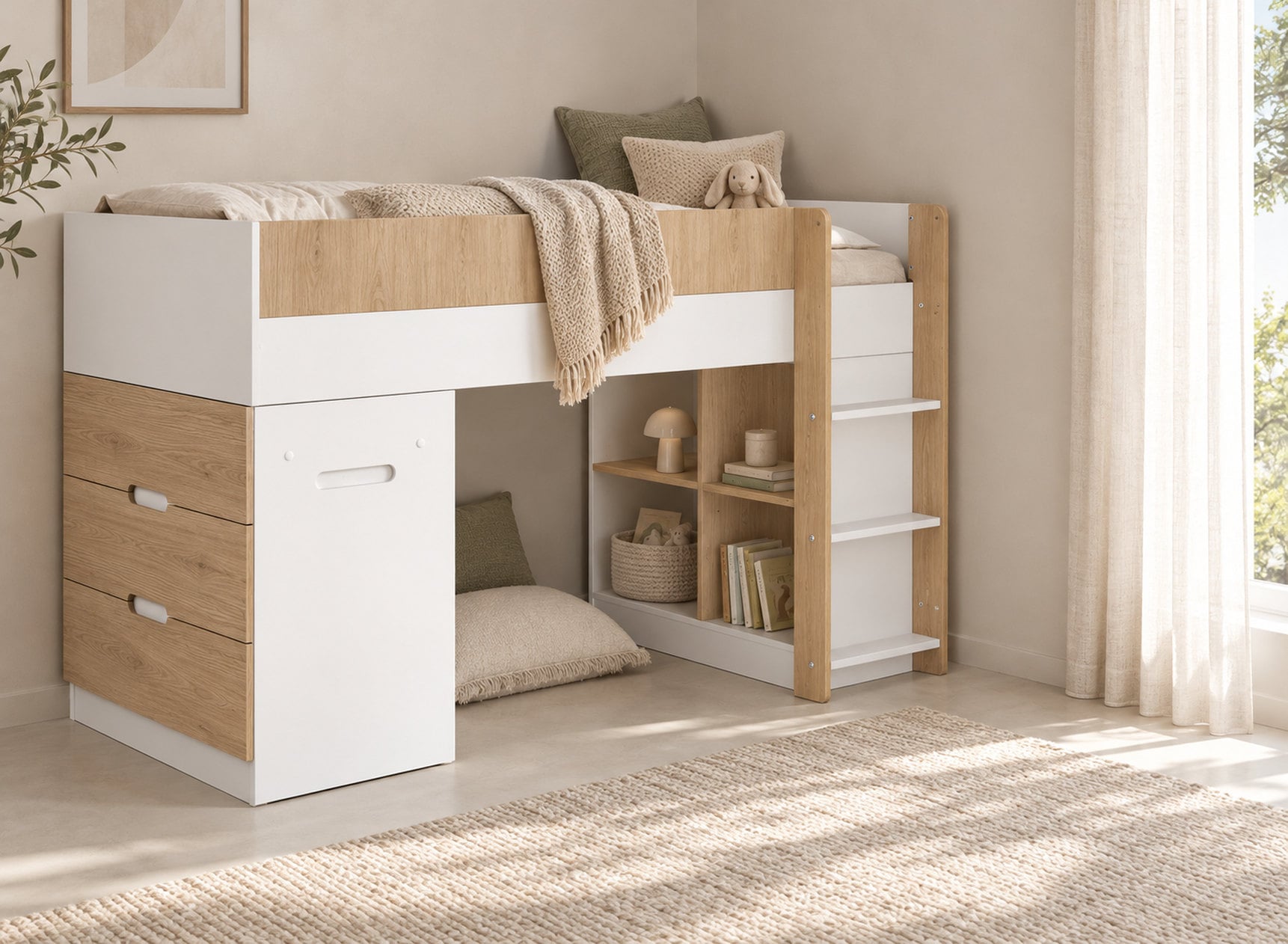
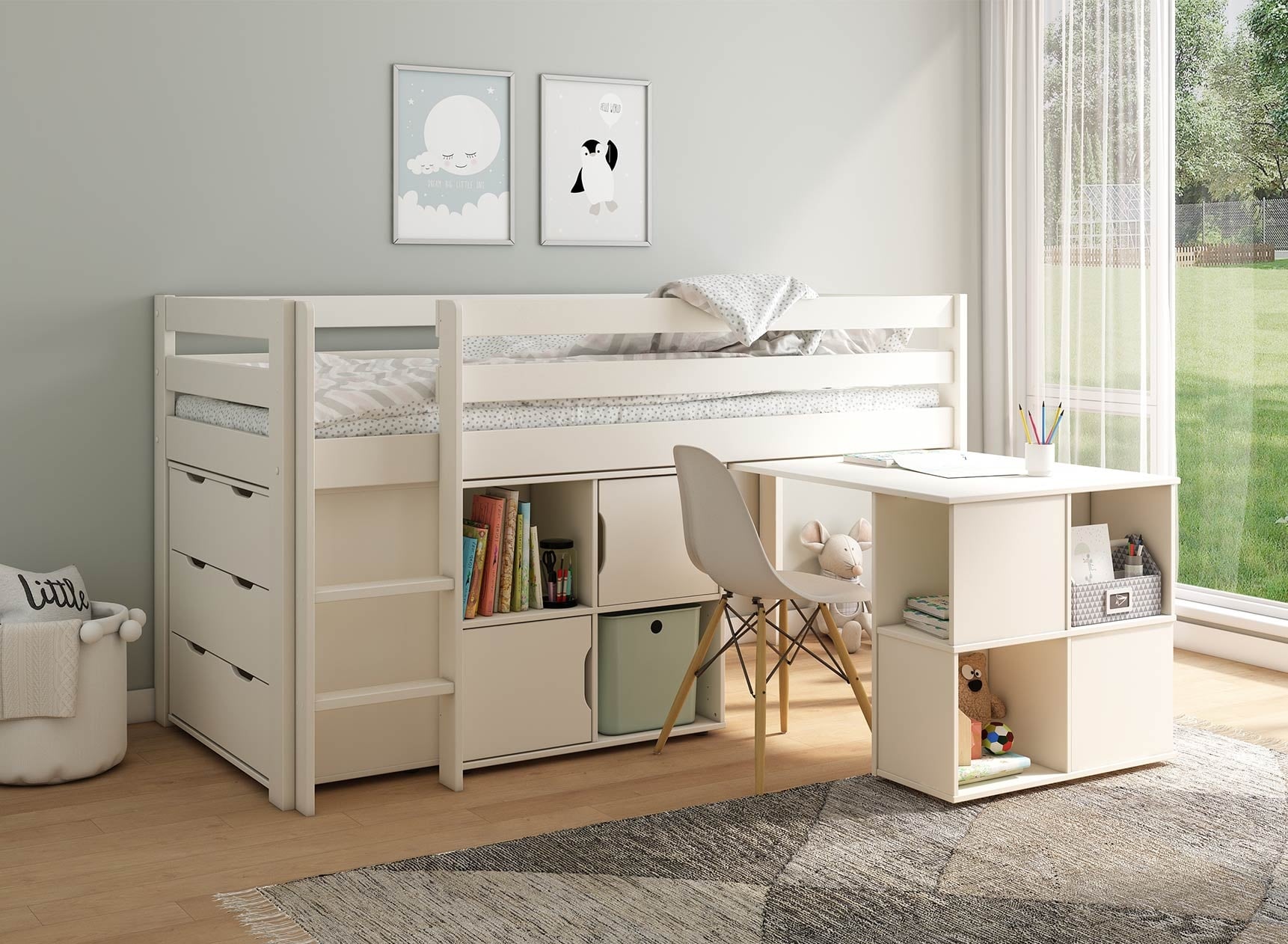
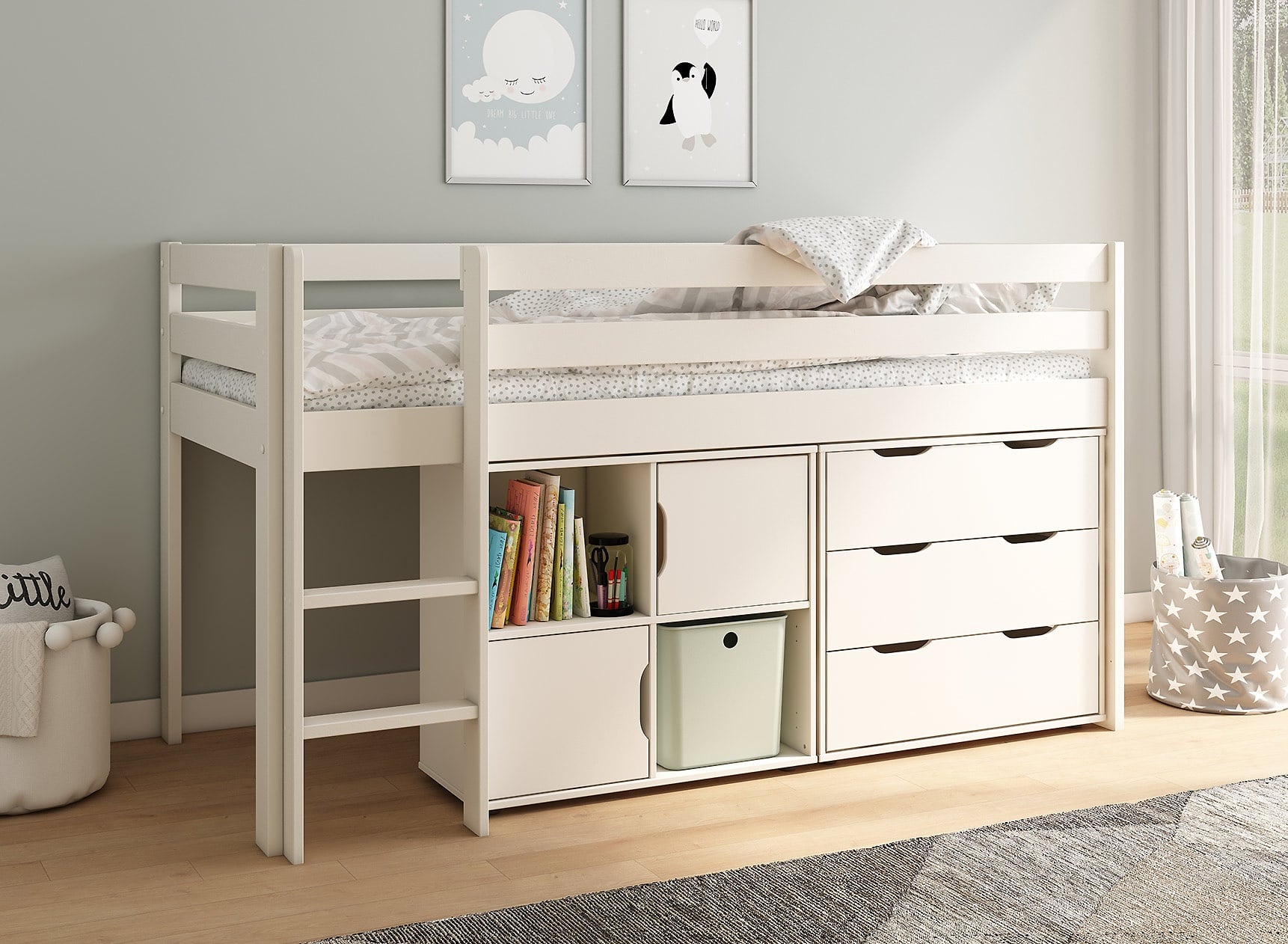
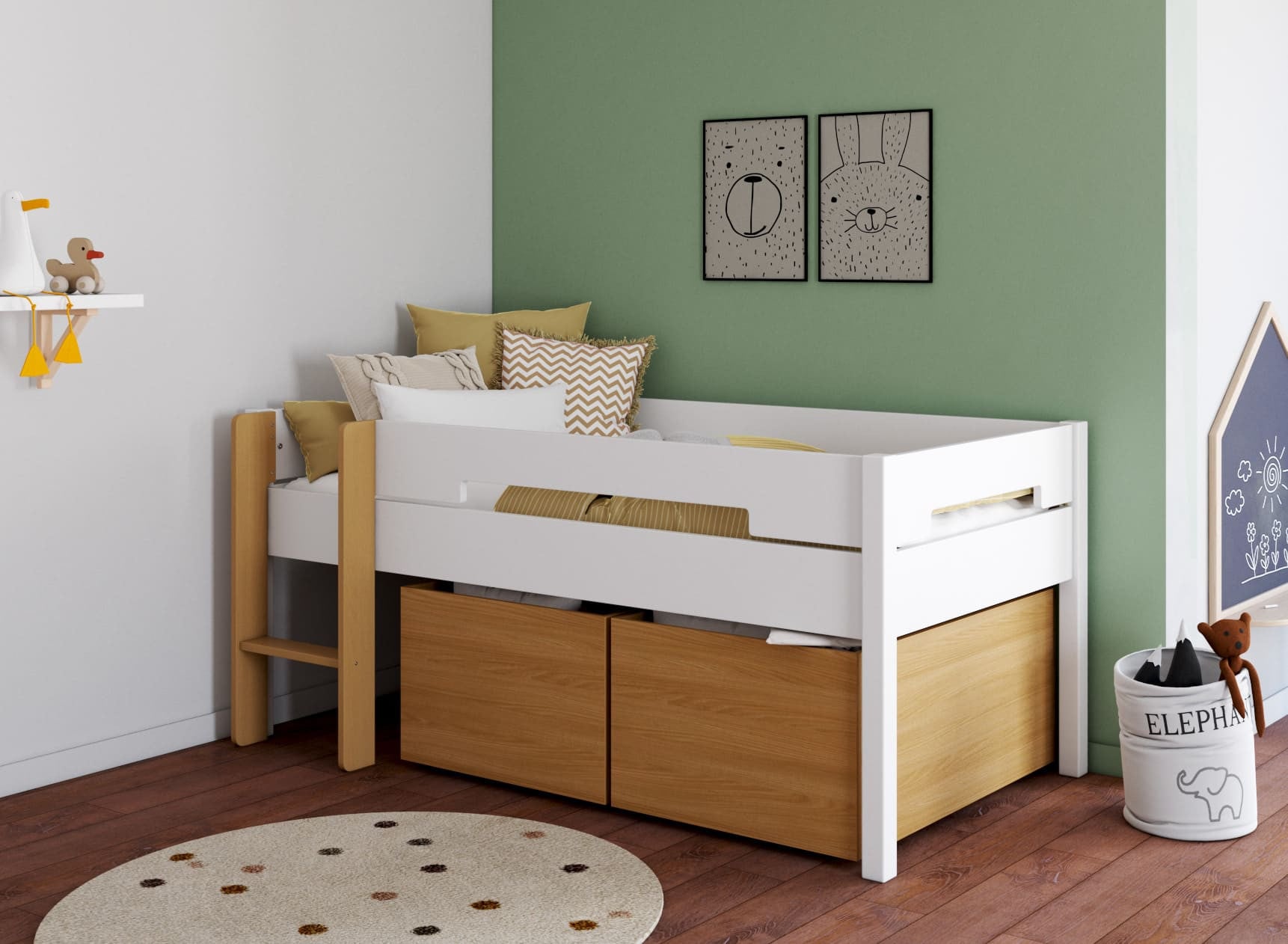
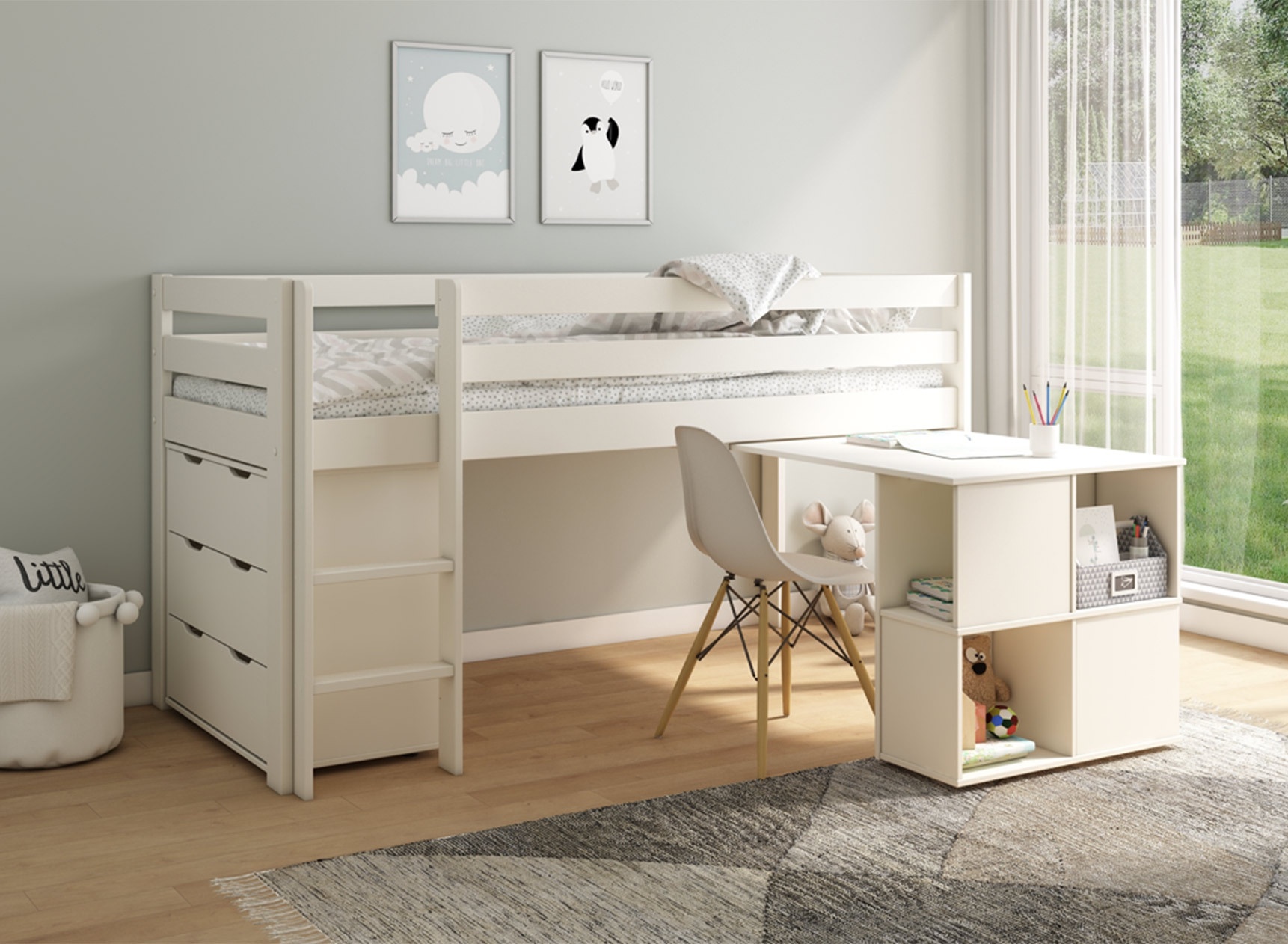
Low furniture can be slid underneath. Toy bins or a compact chest of drawers can easily be placed there. This allows belongings to be organised without cluttering the walkway. Storage then becomes invisible and efficient.

The practical benefit is undeniable. Parents can more easily access stored items. Daily floor cleaning is also simplified.

You can also consider building a raised wooden bed with storage to multiply functions. This personalised solution elegantly optimises every corner.

Fostering independence and a sense of cocoon

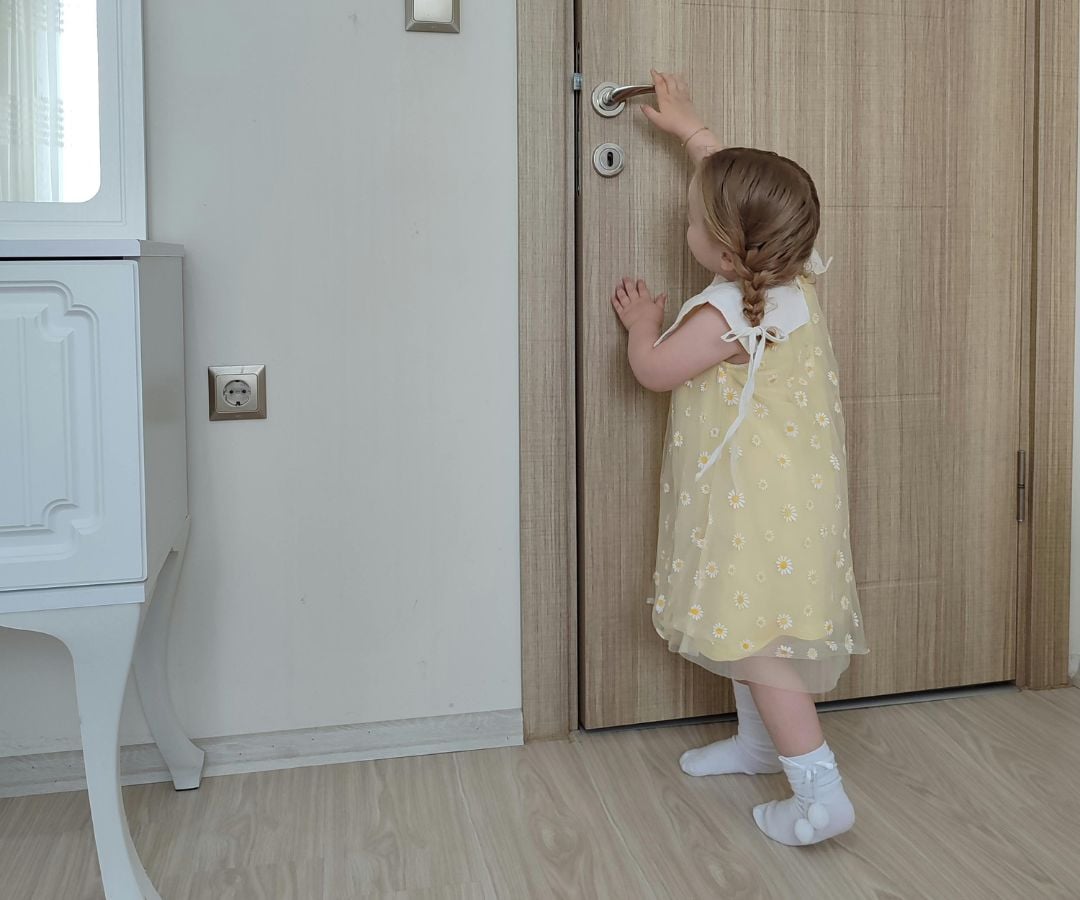
Gaining height changes everything. Dominating one's environment boosts confidence. He feels grown-up and responsible in his new world. It is a powerful symbolic milestone for him.

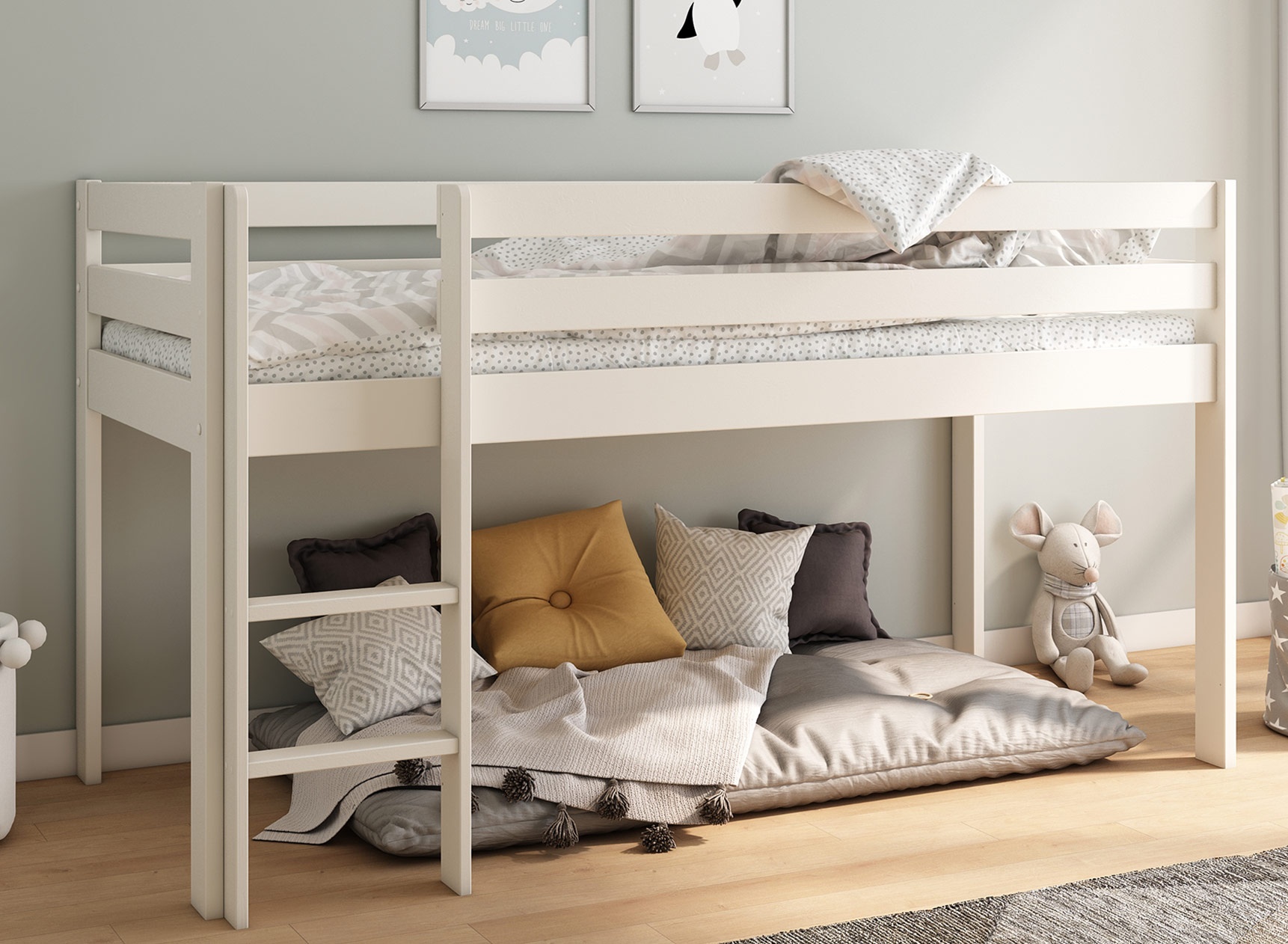
The space under the bed becomes the perfect secret hideaway. Cushions can be placed there for quiet reading. This intimate corner is clearly separate from the rest of the room. The child feels protected and at ease there.

It is useful to know how to put a 2-year-old to bed to connect this new autonomy with the bedtime routine.

An elevated bed offers a soothing refuge. Sleep becomes calmer.

3 concrete solutions to gain height with style

But how can you take concrete action to raise this sleeping area without sacrificing aesthetics?

Using bed risers or a bespoke platform

Leg risers are perfect for an immediate need. These mobile blocks are placed under each bed post. It is the most economical option to gain a few centimetres quickly.

A wooden platform is an elegant alternative. A stable base is built using eco-friendly wood panels. This structure provides a solid foundation. It is a rewarding DIY project for parents.

Opting for a mid sleeper bed as a lasting solution

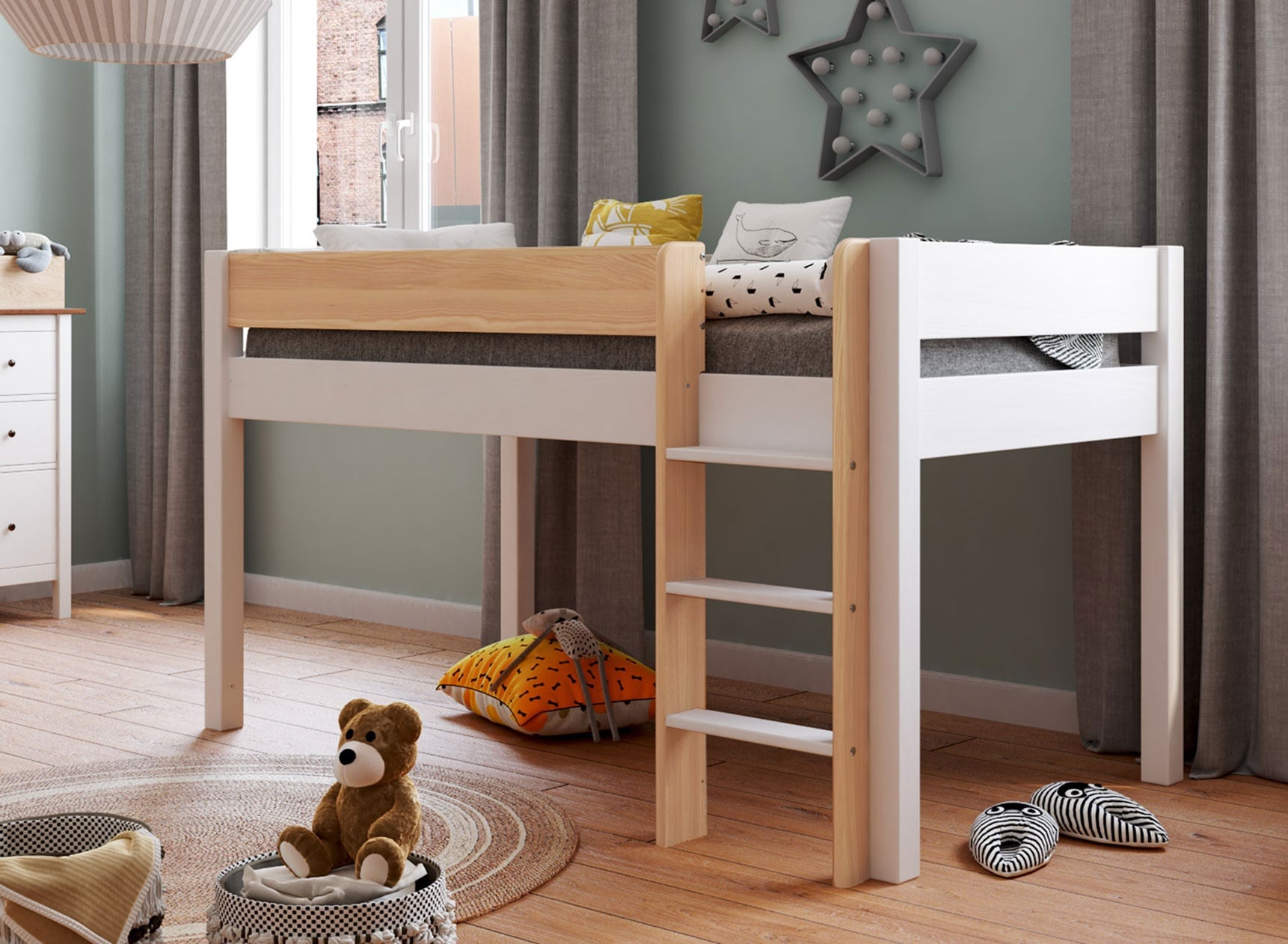
The mid sleeper bed remains the ultimate solution. This piece of furniture offers unrivalled native stability. Its design integrates harmoniously into the room. This way, unstable DIY solutions are avoided. It is a safe investment.

Favour durable and healthy models. Choose adaptable structures that grow with the child. Eco-friendly materials guarantee maximum longevity. The style remains timeless despite the passing years, never growing old.

This choice of raised bed for children proves that the concept adapts to all ages. It optimises every square metre with formidable efficiency and great character.

Assembly is guided by clear instructions. The final result is perfectly professional and reassuring.

Safety and standards for serene elevated sleeping

So, before climbing up, it is essential to validate a few technical safety points.

Checking the child's age and the strength of the guardrails

A child must be at least 6 years old to sleep at height. Their motor skills are then sufficient. This is a fundamental safety rule to avoid any nocturnal accident.

Beds must comply with NF EN 747-1 and NF EN 747-2 standards. These texts guarantee the resistance of the barriers. No dangerous gaps must be present. The strength of the ladder is also verified.

Guardrails must go all the way around the bed. This prevents accidental falls during the night. The safety of your little one remains our absolute priority every evening.

Consult our guide on how to clean a wooden baby bed for safe maintenance. Healthy furniture lasts much longer.

Calculating the necessary space between the mattress and the ceiling

You must keep at least 60 cm below the ceiling. This avoids sharp knocks when waking up. The child must be able to sit up easily to read or stretch out comfortably.

Take the total height including the mattress thickness. A mattress that is too thick dangerously reduces the remaining space. Check this point carefully before any purchase. The safety margin is non-negotiable.

Discover our 7 steps to put on a fitted sheet for the final comfort. A well-made bed makes all the difference day to day.

Arranging and maintaining a healthy space under the bed

In fact, once the structure is secured, all that remains is to take care of respiratory well-being.

Creating a relaxation area with eco-friendly materials

Set up a healthy reading nook. Use solvent-free, VOC-free paints for finishes. This preserves indoor air quality. It is essential for long-term health.

Favour natural textiles. They create a warm and authentic atmosphere.

Discover our tips on how to decorate your room with healthy materials. These sustainable choices transform the space under the sleeping area.

Cleaning surfaces and regularly checking the fixings

A slightly damp soft cloth is sufficient. Avoid harsh chemical products. Regular maintenance prevents the build-up of allergens.

Check the fixings periodically to maintain stability. A quick turn of a wrench is often enough. It is a simple gesture for lasting safety.

To care for your furniture, consult our guide on cleaning wooden furniture: natural tips. Simple and eco-friendly solutions exist.

Optimise your child's space safely with risers, a DIY platform or a mid sleeper bed. Measure 60 cm below the ceiling carefully to guarantee their comfort. Act now to give them this healthy, organised cocoon: transform their room into a genuine sustainable adventure zone.

FAQ

To ensure the safety of your little adventurer, sleeping at height is strictly discouraged before the age of 6. At this age, the child has the motor maturity needed to climb the ladder and move around safely during sleep.

At Nateo Concept, we prioritise robust structures that comply with NF EN 747-1 standards, ensuring that safety barriers and rung spacing effectively protect your child against accidental falls.

There are several methods depending on your storage needs. Bed risers (wooden or reinforced plastic blocks) are a mobile and economical option to gain a few centimetres. For a more durable solution, you can replace the original legs with longer models or build a stable platform using eco-friendly wood panels.

However, for perfect stability and a harmonious design, opting for a native mid sleeper bed remains the most lasting answer. This avoids unstable DIY solutions and provides a healthy environment, designed from the outset to support the weight and movements of the child with complete peace of mind.

Safety also depends on the available space above the sleeper. It is essential to leave a minimum of 60 cm between the top of the mattress and the ceiling so that your child can sit up without hitting their head. For optimal comfort, we even recommend a distance of 90 cm.

Be sure to factor in the thickness of your mattress in this calculation. We advise not to exceed a mattress thickness of 16 cm in order to maintain a sufficient guardrail height — at least 16 cm above the sleeping surface.

Raising the bed makes it possible to create a genuine cocoon, but attention must be paid to air quality. We suggest using eco-friendly materials, such as solvent-free water-based paints and organic cotton textiles. This creates a play or reading area free of harmful substances for your children's lungs.

For maintenance, a simple regular dusting with a damp cloth on the natural wood is sufficient. It is also essential to periodically check the tightening of the fixings to maintain the stability of the structure despite the passing years.

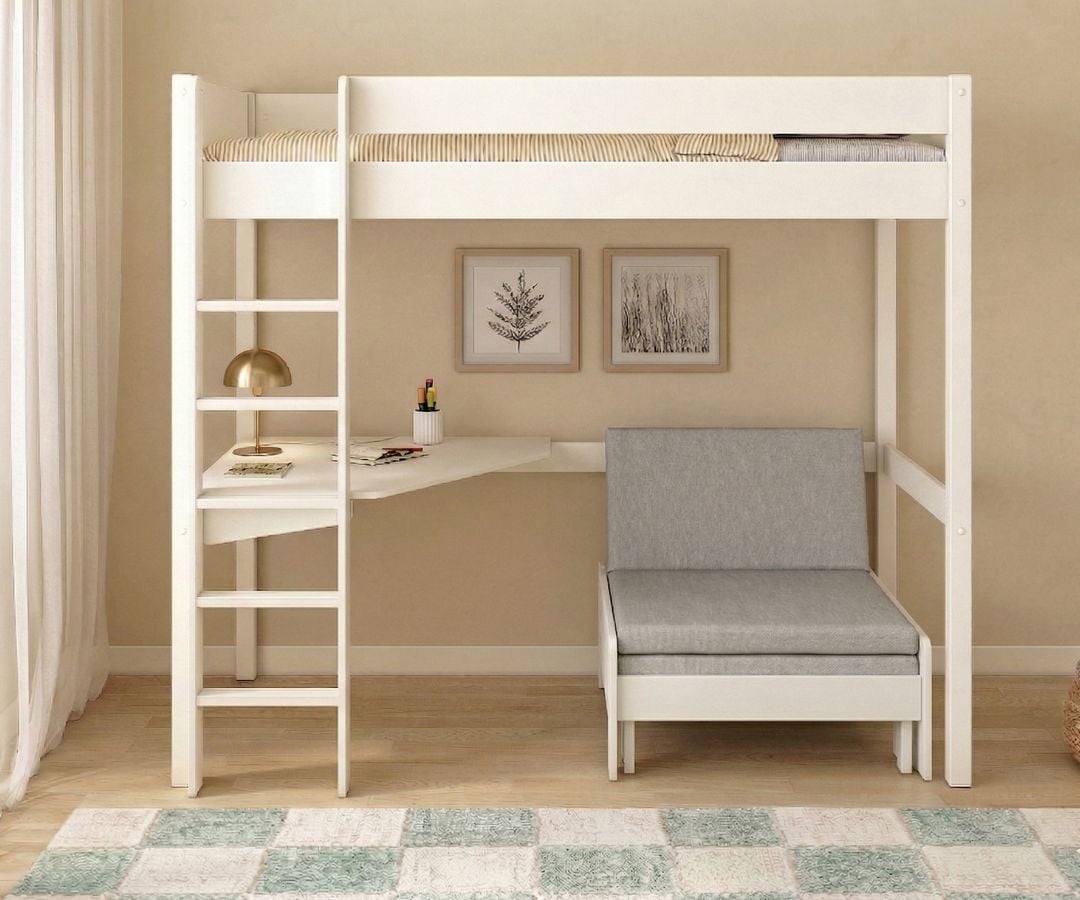
It all depends on the intended use for optimising the room. For a relaxation nook or a play den, a clearance height under the bed base of between 130 cm and 150 cm is ideal. If you plan to install a desk with a standard chair for homework, a minimum clearance height of 150 cm, or even 170 cm, is preferable for total comfort.

In rooms with low ceilings (less than 2.40 m), opt for a mid sleeper bed. This frees up floor space for storage bins or a small lounge area at floor level without sacrificing the room's breathing volume.

Discover our mid sleeper beds