What color for an adult bedroom?

- Categories : Inspiration

Nateo CONCEPT

Adult bedroom: soothing colours

The key takeaway: opt for blue or sage green to lower your heart rate and ease falling asleep. By applying the 60-30-10 rule, you create a healthy visual balance between your walls and your natural wood furniture. This colour choice, combined with VOC-free paints, transforms your bedroom into an eco-friendly cocoon conducive to restorative sleep.

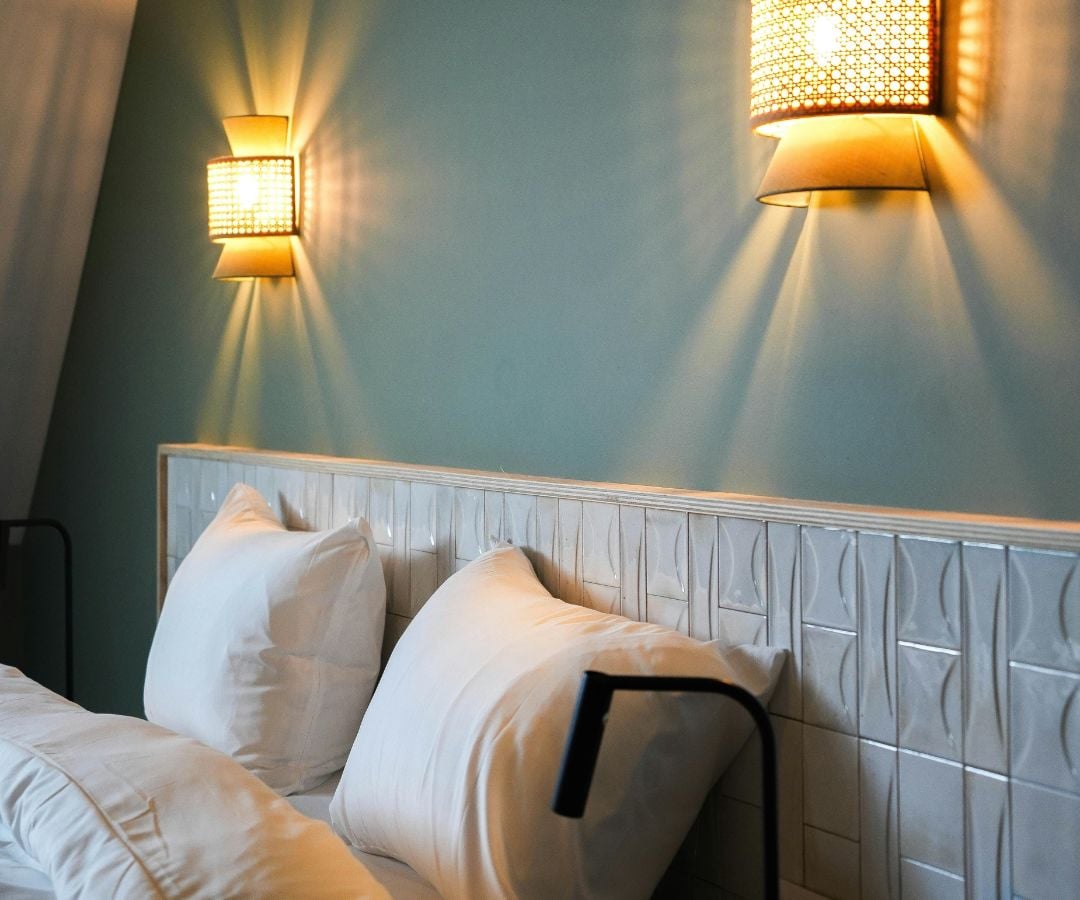
Blue and sage green have the biological capacity to reduce blood pressure and slow the heart rate to prepare your body for rest. Yet choosing the ideal shade for your personal sanctuary often proves complex, as nuances can turn grey under changing natural light.

What colour for an adult bedroom should you favour to transform your space into a healthy and harmonious cocoon? We break down the most soothing palettes and dosage rules for matching your walls to your natural wood furniture.

Why does the colour of an adult bedroom influence your sleep so much?

Blue and sage green lower the heart rate, facilitating sleep onset. Neutral tones such as beige optimise the volume, while the 60-30-10 rule balances the space with natural wood furniture.

Choosing the shade of your walls is not merely a matter of taste — it is a question of biology. These shades act physically on our bodies even before we close our eyes.

The impact of cool and warm tones on relaxation

There is a proven biological link between environment and rest. Cool colours encourage a drop in blood pressure.

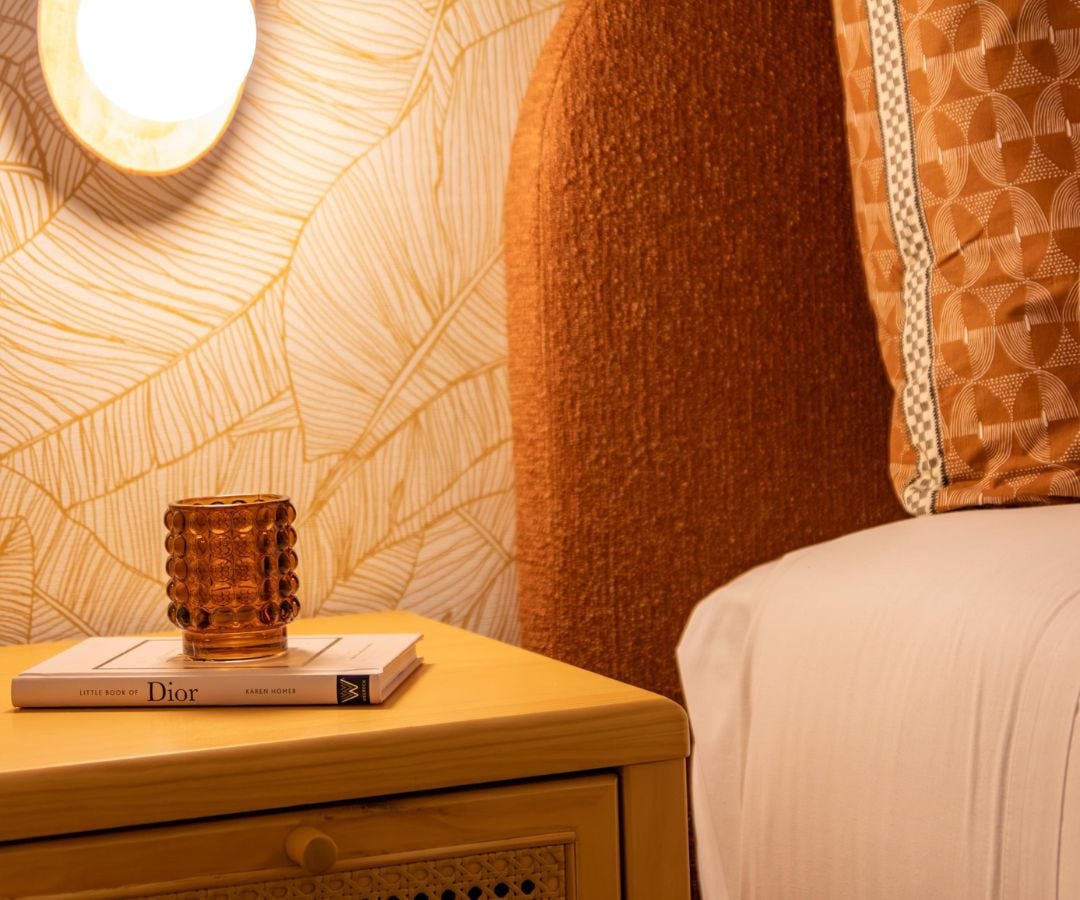
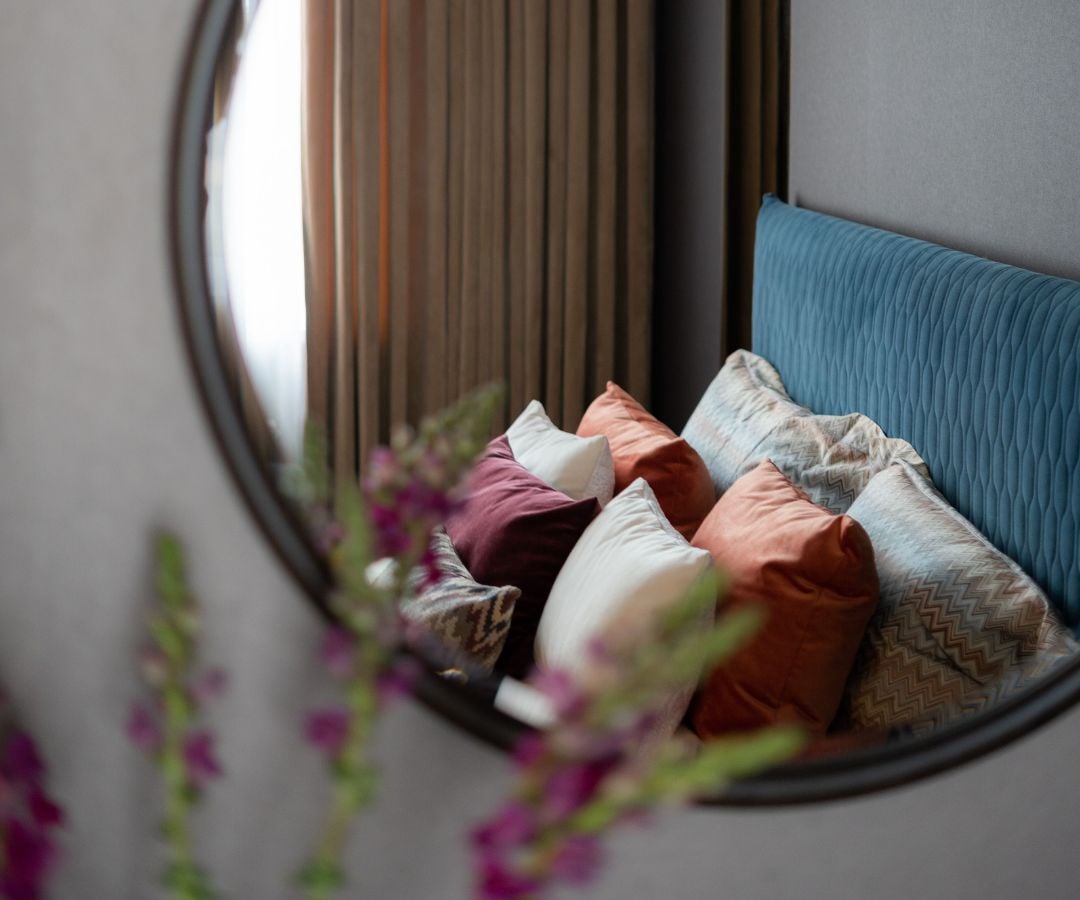
Conversely, warm colours such as terracotta create an enveloping atmosphere. But be careful — they can become stimulating if too saturated. It is better to use them sparingly.

The psychology of colour is clear: mental calm depends on your environment. Opt for a shade that soothes the mind to guarantee a gentle transition into the night.

The 60-30-10 rule for perfect visual balance

To make your decoration a success, focus on the ideal distribution. Plan 60% for the main wall colour, 30% for the secondary via textiles and 10% for the accent.

The Nateo Concept advice is simple: harmony comes from the accord between walls and furniture. Natural wood species, such as light oak or beech, visually stabilise the space.

Here is how to structure your palette for a professional and serene result:

  • 60% dominant wall colour

  • 30% furniture and curtains

  • 10% accessories and decoration

3 common mistakes to avoid when choosing your paint

But be careful — choosing a beautiful palette is not enough if you fall into the classic traps of lighting or volumes.

Neglecting the impact of natural light on pigments

Colour changes radically between the shop and your bedroom. North-facing light cools shades. Conversely, south-facing exposure strongly warms the pigments of your paint.

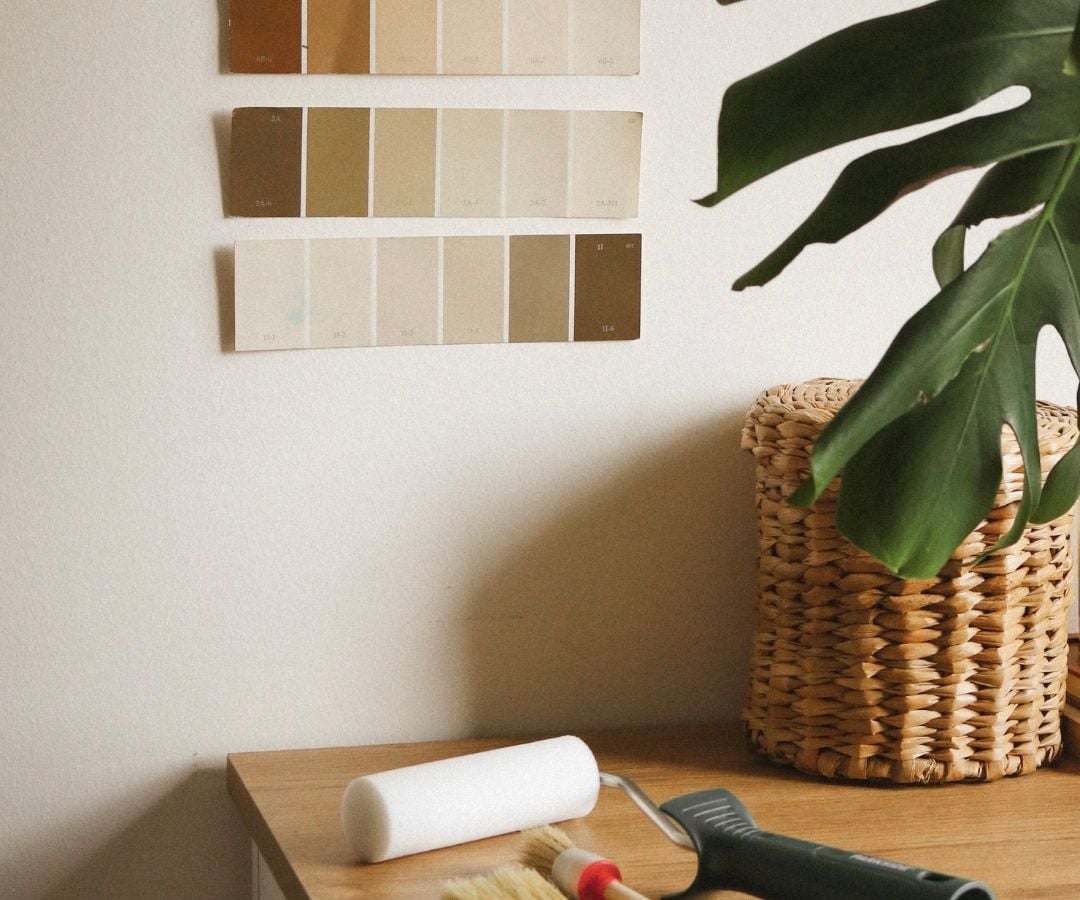
Always test samples directly on your walls. Observe the result in the morning and then in the evening. This avoids unpleasant surprises after the material has fully dried.

Off-white is deceptive. Depending on the exposure, it can quickly appear greyish or dull.

Saturating the space with dark colours on every wall

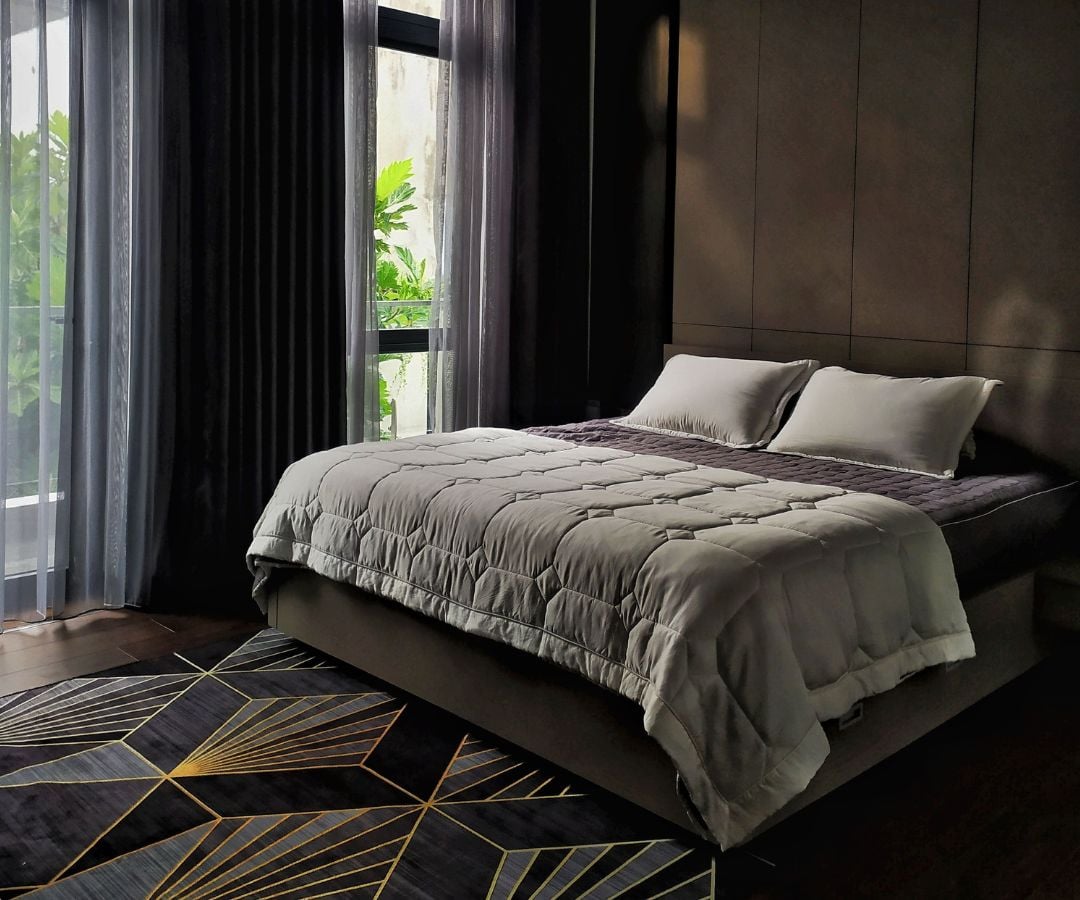
Dark shades can overwhelm a small room. This visually reduces the resting space. The atmosphere then becomes oppressive, which seriously harms sleep quality.

Prefer the accent wall alternative. Painting only the wall behind the headboard adds depth. It is an effective trick to avoid shrinking the volume.

Take the time to define which wall to paint dark in a bedroom to balance the whole space.

Ignoring colour compatibility with existing furniture

A clash between the wood's undertones and the paint ruins everything. A golden oak paired with a too-cold bluish grey creates an unpleasant visual contrast. The harmony is then broken.

Analyse the reflections of your furniture before buying your tins. The furniture must dialogue with the walls. This is the condition for achieving a zen and cohesive adult bedroom.

The unity of materials remains key. A successful décor is above all a soothing décor.

6 colour palettes for adult bedrooms: from soothing to cocooning

So, concretely, which shades should you choose? Here are six options that transform the atmosphere according to your rest or warmth needs.

Timeless neutrals: natural beige, off-white and pearl grey

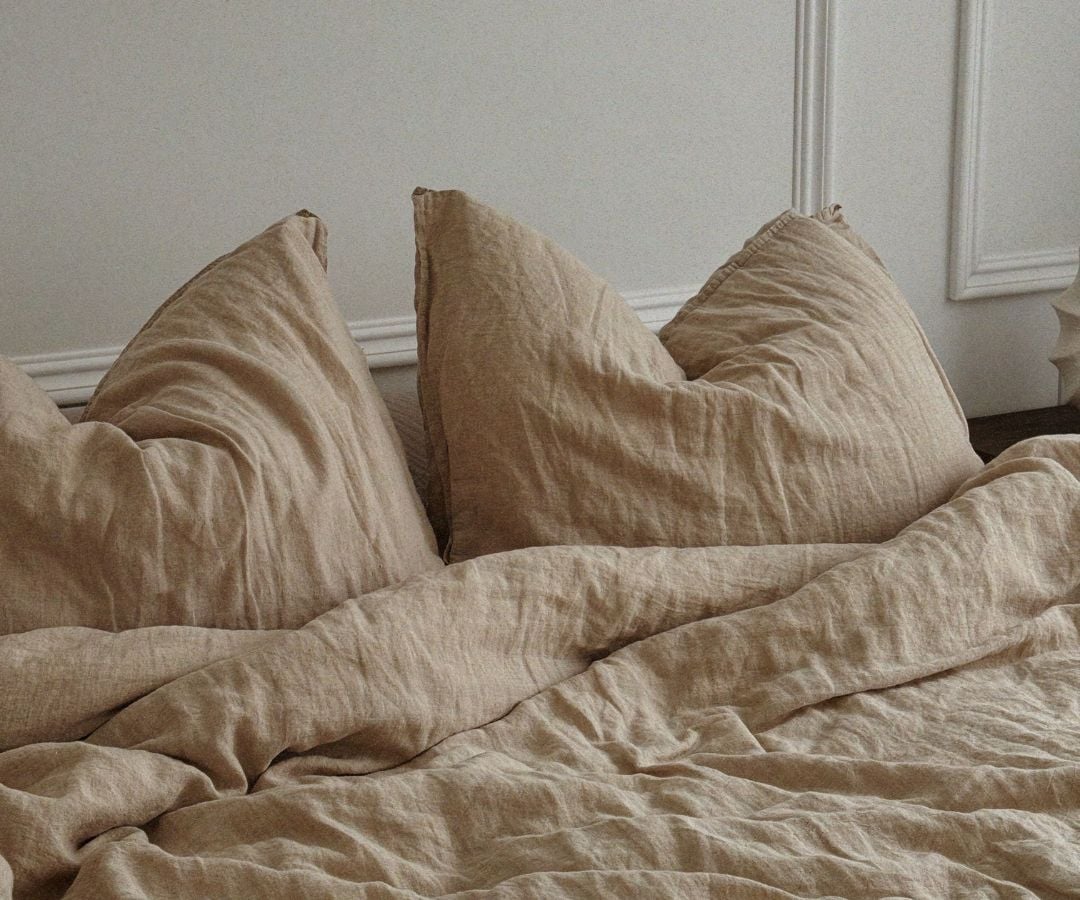
Natural beige and linen are precious allies. These tones bring a gentle luminosity. They visually enlarge small spaces without ever appearing cold or impersonal.

The pairing with whitened oak is simply perfect. This combination creates a very pure Scandinavian universe. It is ideal for disconnecting after a long day of work.

It is important to choose the ideal colour for a harmonious bedroom carefully. A balanced palette guarantees truly restorative sleep. Take the time to test your shades.

Pearl grey stands out as an elegant alternative. It is a neutral and sophisticated base. It enhances any type of decoration or bed linen.

  • Beige for warmth

  • Off-white for space

  • Pearl grey for elegance

Character shades: sage green, blue-grey and terracotta

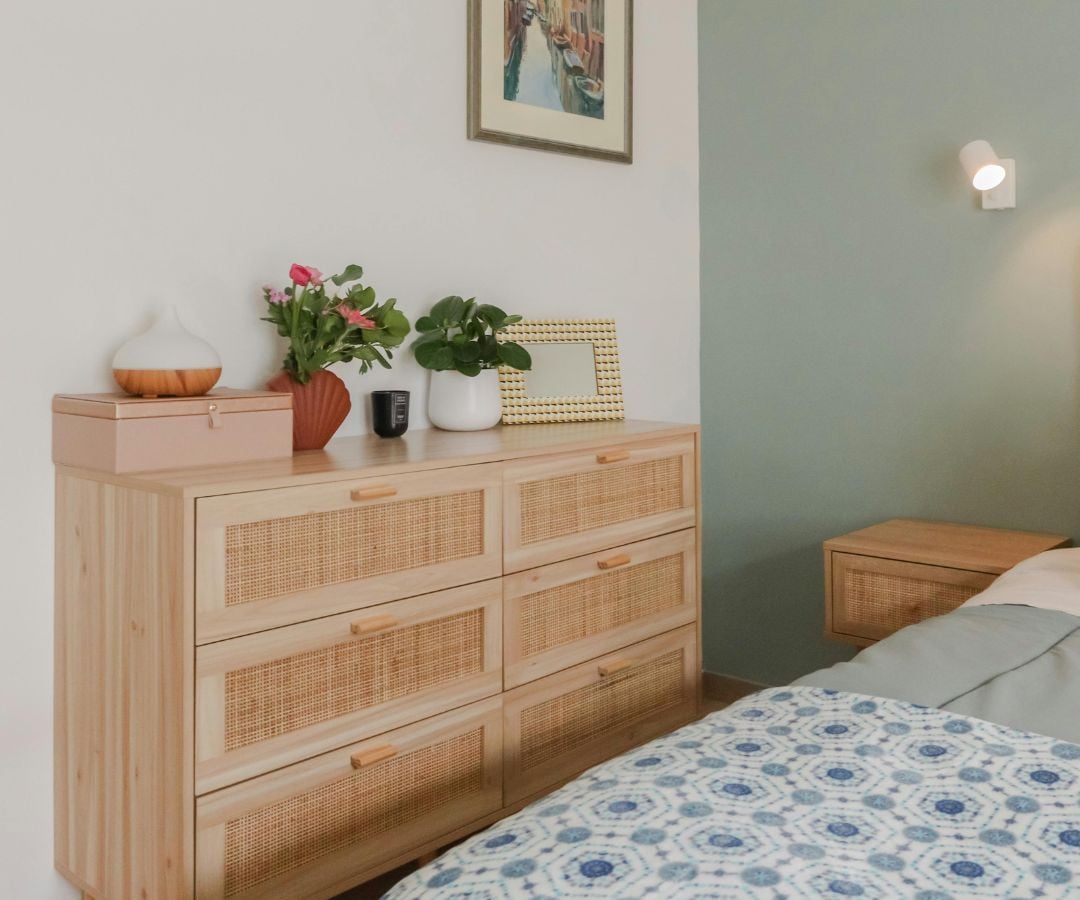
Sage green and slate blue are magnificent shades. These colours are reminiscent of nature and wide open spaces. They instantly reduce accumulated stress.

Terracotta offers a much more enveloping atmosphere. It is an ideal shade for creating a reassuring cocoon. It is most often used as an accent wall behind the bed.

To go further, discover our tips on the sage green and wood bedroom. This natural combination radically transforms the atmosphere of your room.

You can also discover our natural wood adult bedroom furniture. Our creations pair wonderfully with these character pigments for a healthy interior.

The balance between these pigments and noble materials is paramount. Wood provides the necessary structure. Together, they create a lasting and aesthetic wellness sanctuary.

How to match your wall colour with your wood furniture?

Once the paint has been chosen, it needs to dialogue with your furniture. Wood, depending on its species, does not react in the same way.

Enhancing oak and beech with soft shades

For light oak, favour pastel tones. These shades highlight the natural grain without ever visually overpowering it. The harmony is then immediate and very soothing.

Absolutely avoid colours that are too vivid with beech. Overly saturated walls crush the subtlety of eco-responsible woods and break the serenity. It is better to stick to temperate and natural tones.

Use off-white shades for a luminous result. This creates an atmosphere of purity that is highly sought after in modern master bedrooms. It is the ideal choice for visually enlarging the space.

Creating an elegant contrast with walnut and powdery tones

Walnut pairs beautifully with powder blue walls. The deep brown of this wood species requires lightness to avoid darkening the room. This contrast brings a very elegant freshness.

To make your project a success, it is useful to carefully choose the wood species according to the desired atmosphere. Each wood texture influences the perception of wall paint.

Pearl grey also works very well with dark woods. It adds a touch of modernity without sacrificing the warm feel. It is a sophisticated alternative to classic whites.

Choosing healthy VOC-free finishes for indoor air quality

Do not overlook the importance of ecological paints. Combining healthy walls with solvent-free furniture is essential for optimal air quality. Your sleep depends on it directly.

We invite you to browse our eco-responsible wooden adult bedroom beds and furniture for a sustainable interior. Combining aesthetics and health has never been so simple.

  • VOC-free paint

  • PEFC-certified wood

  • Natural solvent-free finishes

Harmonise your space by combining soothing cool tones, the 60-30-10 rule and eco-responsible wood furniture. Test your samples right now to confirm which colour for an adult bedroom will transform your room. Treat yourself at last to this healthy and serene cocoon for regenerating nights.

FAQ

To transform your bedroom into a true sanctuary of rest, favour cool colours such as soft blue, sage green or lavender. These shades have a real biological impact: they help slow the heart rate and lower blood pressure, thus facilitating a serene transition to sleep.

Conversely, we advise against colours that are too stimulating, such as bright red or saturated orange, which increase mental alertness. For a perfect balance, a base of cashmere beige or off-white brings a soothing luminosity without the coldness of pure white.

Visual harmony rests on the dialogue between undertones. To enhance light wood species such as oak or beech, opt for soft, pastel shades that bring out the wood grain without overpowering it. Too strong a contrast risks breaking the serenity of the room.

If you have walnut furniture, whose brown is deeper, favour light walls such as pearl grey or powder blue. This combination brings the clarity needed to avoid darkening the space while highlighting the noble elegance of dark wood.

Using neutral and light tones, such as linen or off-white, is ideal for pushing back the walls and gaining a sense of space. To add depth without saturating the room, the accent wall trick is particularly effective: paint only the wall behind your headboard in a more assertive shade.

Also consider the impact of natural light. North-facing exposure cools the pigments, while south-facing exposure warms them. We recommend testing your samples directly on your walls to observe how the colour evolves throughout the day.

Indoor air quality is essential for restorative sleep. Choosing a healthy paint, free from VOCs (Volatile Organic Compounds) and solvents, helps limit the inhalation of toxic substances during the night. It is a coherent choice if you have already invested in certified solid wood furniture.

Combining ecological wall finishes with eco-responsible furniture guarantees a healthy and durable environment. For an optimal aesthetic result, favour matte or velvet finishes, which absorb light better and conceal small surface imperfections.