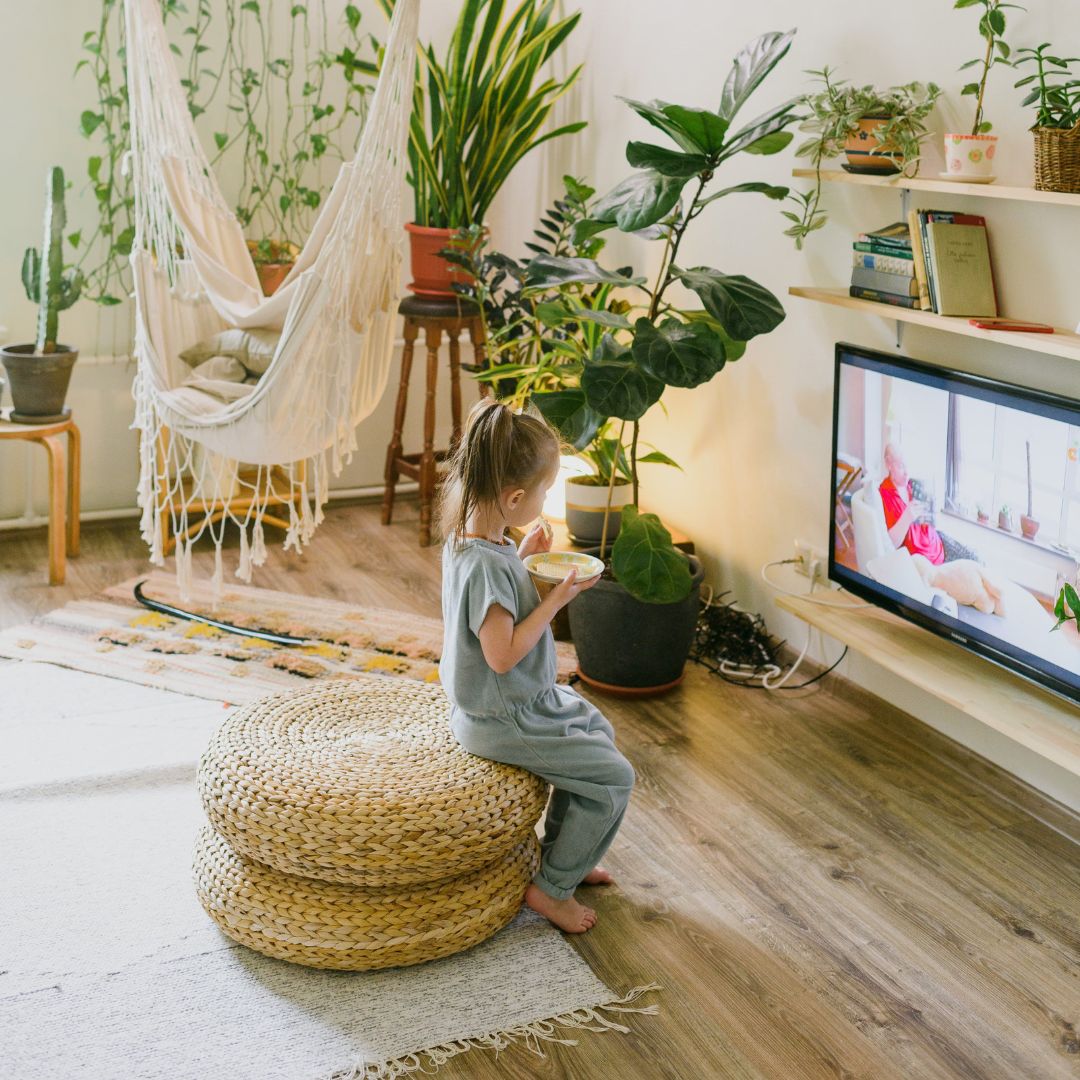
Managing Screen Time: Digital Balance for Young Children

- Categories : Tips

Nateo CONCEPT

Managing screens: our advice for parents

Managing screen time for both younger and older children is a vast topic in parents' lives. Indeed, while we are careful to do the right thing and aware that screens have a harmful impact on children's development, it can be difficult to keep them away. We already know that everything is determined in early childhood. So, what rules should be implemented to better manage screens at home? What is the impact of overexposure for children? Here's everything you need to know to find the right balance for your child.

What is the impact of screens on children?

Screen exposure represents a real risk for young children. Indeed, the youngest are in full development and screen exposure can impact this development. The Academy of Sciences specifies in its 2013 report that screens have an impact on:

In other words, screens are harmful on many levels for our children. Therefore, precautions must be taken to protect them as much as possible and limit the impact of screens on their well-being and development.

At what age is it acceptable to introduce screens to children?

It's not always easy to know how to approach this, as views differ on the age at which it's appropriate to expose children to screens. For example, the Canadian Paediatric Society (CPS) recommends not exposing children under 2 years old to screens. For children aged 2 to 5 years, they should not be exposed for more than one hour per day.

Subsequently, this same Society advocates for healthy screen use that would not interfere with school activities, physical activity, and children's social activities.

What is the 3-6-9-12 rule?

The 3-6-9-12 rule was created by Serge Tisseron, psychiatrist and doctor in psychology. It can also serve as a reference for screen usage guidelines. According to this rule, you should:

  • Avoid screens before age 3
  • Set clear rules about screen use between ages 3 and 6 (prohibit before bedtime or during meals, respect age ratings for programs...)
  • Set rules about screen time and discuss what is viewed between ages 6 and 9 (no devices in the bedroom, talk about the right to privacy, set up parental controls...)
  • Learn to use screens independently and safely between ages 9 and 12 (choose an age for getting a phone, decide if the child can use the internet alone or supervised...)
  • Let children browse the internet after age 12 (while keeping parental controls active, setting time limits, discussing what they've seen, turning off internet at night, refusing to be their friend on social networks...)

How to limit screen time?

Today, screens are part of our daily lives and are even omnipresent. For work, leisure, advertising, information, it's difficult to completely avoid them. And yet, it's crucial for the proper development of young children. Although no parent is perfect and infallible, implementing daily rules and tips will allow you to better manage screen use at home.

Turn off your TV when you're not watching it.

Out of habit, many people leave the TV running in the background, even when they're not watching it. It's necessary to change this habit, especially when a baby is in the room. Only turn on the TV when you're actually going to watch a program, for example when baby is sleeping in another room.

Set an example

Your child learns primarily by observing you, if they see you spending most of your time scrolling on your phone, they will naturally be drawn to this habit. Here again, prefer to spend time on your smartphone when your child is not around, this way you'll be more attentive to them and won't set a bad example.

Don't use screens to manage a crisis

While it might be tempting to give your smartphone to your child in a waiting room or turn on the TV when they become difficult to manage, this reflex could be harmful in the long run. Prefer another method that will help you prevent or manage a crisis.

Enforce strict rules

When you decide to allow your child screen time, make sure to properly supervise this activity. Always be present to see what they're watching, warn your child a few minutes before it's time to turn it off, accept tantrums and don't negotiate - they must understand that it's important to know how to stop an enjoyable activity when necessary.

How to manage screens in a shared room with bunk beds?

When children are old enough, it's possible to consider installing a screen in the bedroom such as a television, gaming console, or computer for example. In a shared room, this requires some organization. Using a wooden bunk bed is often the most suitable option. The bunk bed is an excellent choice if you want to avoid taking up too much space. A classic 90x190 bunk bed will allow you to accommodate two children in the same room. A 3-person bunk bed can also be considered for additional sleeping space.

Whether it's a room with a children's bunk bed or adult bunk bed, it's important that the installation of a screen corresponds to the age of both children occupying the room. Parents must also remain very vigilant about its use. You can also consider the separable bunk bed like our 90x190 LEVIS bunk bed so that each child can eventually have their own room.