Children's screen time: recommendations by age in 2026
Nateo CONCEPT
Children's screens: 2026 recommendations
Do you feel overwhelmed by the omnipresence of screens that capture your children's attention at the expense of their rest? This article details the screen time recommendations for children, from digital detox before age 3 to the two-hour limit for a 10-year-old, in order to protect their cognitive development. Discover our practical tips and natural furnishing solutions to transform the bedroom into a healthy cocoon that promotes restorative sleep.
Screen time recommendation chart by child's age
Would you like a clear and precise overview of the maximum screen time for your child?
The table below details the recommended ideal screen time by age group to meet your child's needs without putting their health at risk.
| Age group | Maximum time | Key recommendation |
|---|---|---|
| 0–3 years | Zero screen time | Real interaction |
| 3–6 years | 1h max | Support |
| 6–9 years | 1h max | Parental controls |
| 9–12 years | 2h max | Shared spaces |
| 12+ years | Modulated | Sleep vigilance |
Organizations such as Arcom and the WHO publish precise guidelines. These sources provide families with a solid foundation for regulating digital usage.
Certain moments must remain screen-free. No screens during family meals. Also avoid any exposure in the morning before leaving for school.
Official benchmarks for children's screen time by age
Having observed the omnipresence of digital technology, it has become crucial to rely on concrete recommendations to guide our children.
The milestones from 3 to 6 years according to experts
No screens before age 3 remains an absolute priority. This rule protects language development in toddlers. Human interaction must remain the primary driver of learning.
Between 3 and 6 years, the limit is one hour per day. The child should never be left alone in front of the screen. The parent then comments on what is being watched to stimulate understanding.
Using parental support as an educational pillar keeps the child safe.
💡Also discover: At what age does a baby start talking? The magical stages of language
Managing the independence of 7 to 10-year-olds in front of consoles
Around age 7 or 8, needs evolve. Video games become a major social outlet for children. However, remaining vigilant about the nature of the content consumed remains essential.
Set a strict limit of a maximum of two hours per day. This covers all digital leisure activities throughout the day. The rule must be clear and non-negotiable.
Keep consoles in shared rooms. This encourages supervised independence that benefits everyone. Avoid prolonged isolation in the bedroom during the day.
Why limit digital exposure before sleep?
But beyond the simple time spent, it is the impact on physical health and rest that concerns specialists.
Risks to cognitive development and vision
Fixing one's gaze on bright screens strains the eye muscles. This intense eye fatigue causes stinging or blurred vision. It is a growing problem among young children.
Heavy users often show difficulty sustaining attention. The brain becomes accustomed to overly fast and artificial stimulation. This creates marked concentration delays during school learning.
Less movement means fewer motor learning opportunities throughout the day. Physical balance is essential for good cognitive abilities. Screen-related sedentary behavior unfortunately limits these explorations that are essential to development.
Direct effect of blue light on falling asleep
The artificial light from tablets tricks the human brain. It believes it is still daytime and does not produce the hormone. This blocking of melatonin then drastically delays bedtime.
Interactive content keeps the mind in a constant state of alertness. It then becomes impossible to find the calm needed for rest. To help your little ones, check out our advice on Your 3-year-old's sleep: finding peaceful nights again.
Devices must be switched off one hour before bedtime. This complete disconnection allows the nervous system to naturally calm down. Opt for warm ambient lighting to prepare the body for a restful night.
3 practical tips to regulate digital consumption
To break free from this visual dependency, simple solutions exist to restore everyday family harmony.
Establishing screen-free zones and times
Set up a phone basket at the entrance. Each family member places their device there upon arriving. This marks a clear break from the outside digital world.
Encourage parental role-modeling on a daily basis. Our children naturally imitate our own connection habits. If we put down our phones, they will disconnect much more easily. It is a collective rule.
Define family rituals that are completely screen-free. Discussions and exchanges strengthen socio-emotional bonds. These moments are precious for everyone's wellbeing.
Replacing the virtual with hands-on activities
Prioritize creative activities at home. Drawing or board games are perfect for filling evenings. This stimulates the imagination without straining young eyes.
Encourage free outdoor play. Gross motor skills develop better outside. Running or climbing is far more beneficial than a screen. Discover 7 tips to foster your child's independence.
Encourage reading a physical book in the evening. A book soothes the nervous system before bedtime. It is an excellent alternative for quietly unwinding in one's bedroom.
- Modeling clay
- Puzzles
- Card games
- Storytelling / Reading fairy tales
- Hand drawing
Creating a healthy bedroom to promote rest
Finally, the layout of personal space plays a decisive role in durably keeping technological temptations at bay.
Creating a natural cocoon away from distractions
Ban the television from the bedroom. This space must remain dedicated solely to rest. The absence of screens limits unnecessary nighttime temptations.
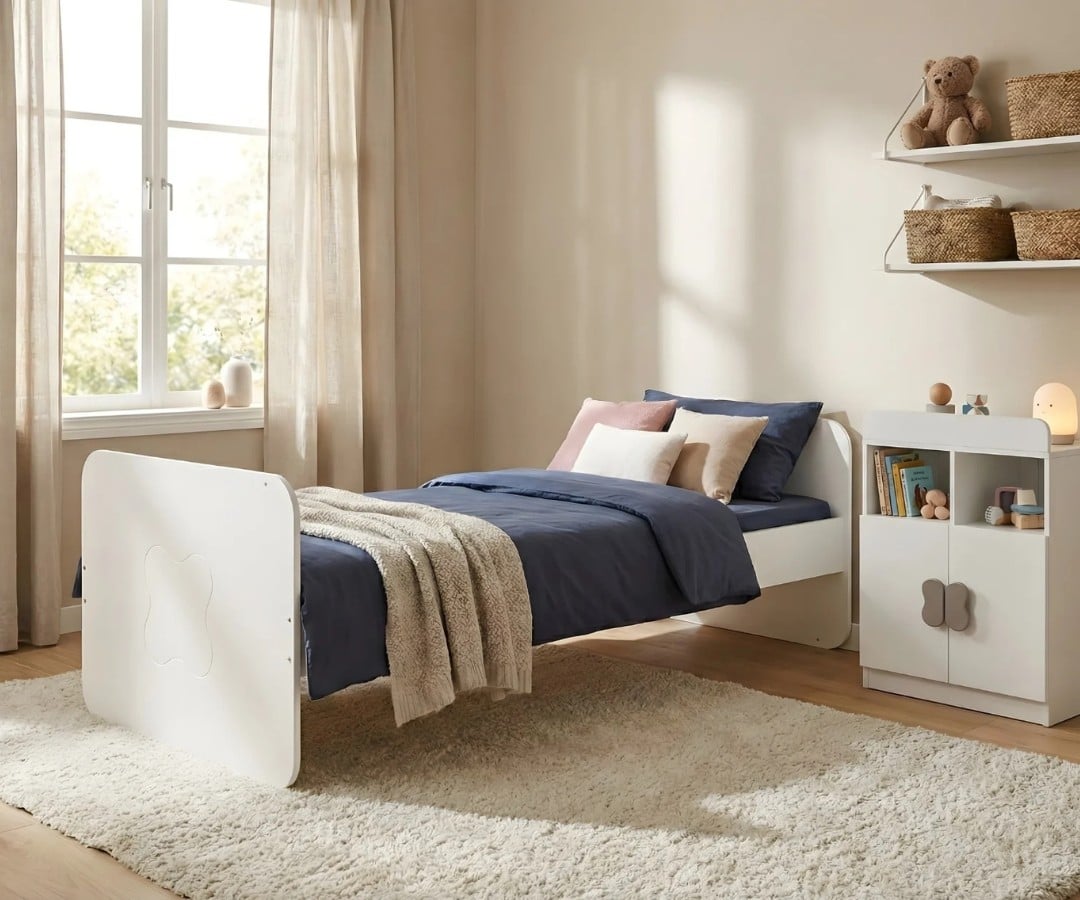
Favor soft colors. Natural materials such as wood bring immediate calm. A simple environment helps the child refocus on themselves. Discover When to move baby into their own room? Key advice and steps.
Reduce visual stimulation. Fewer electronic gadgets means deeper sleep. The serenity of the room is the key to a successful night.
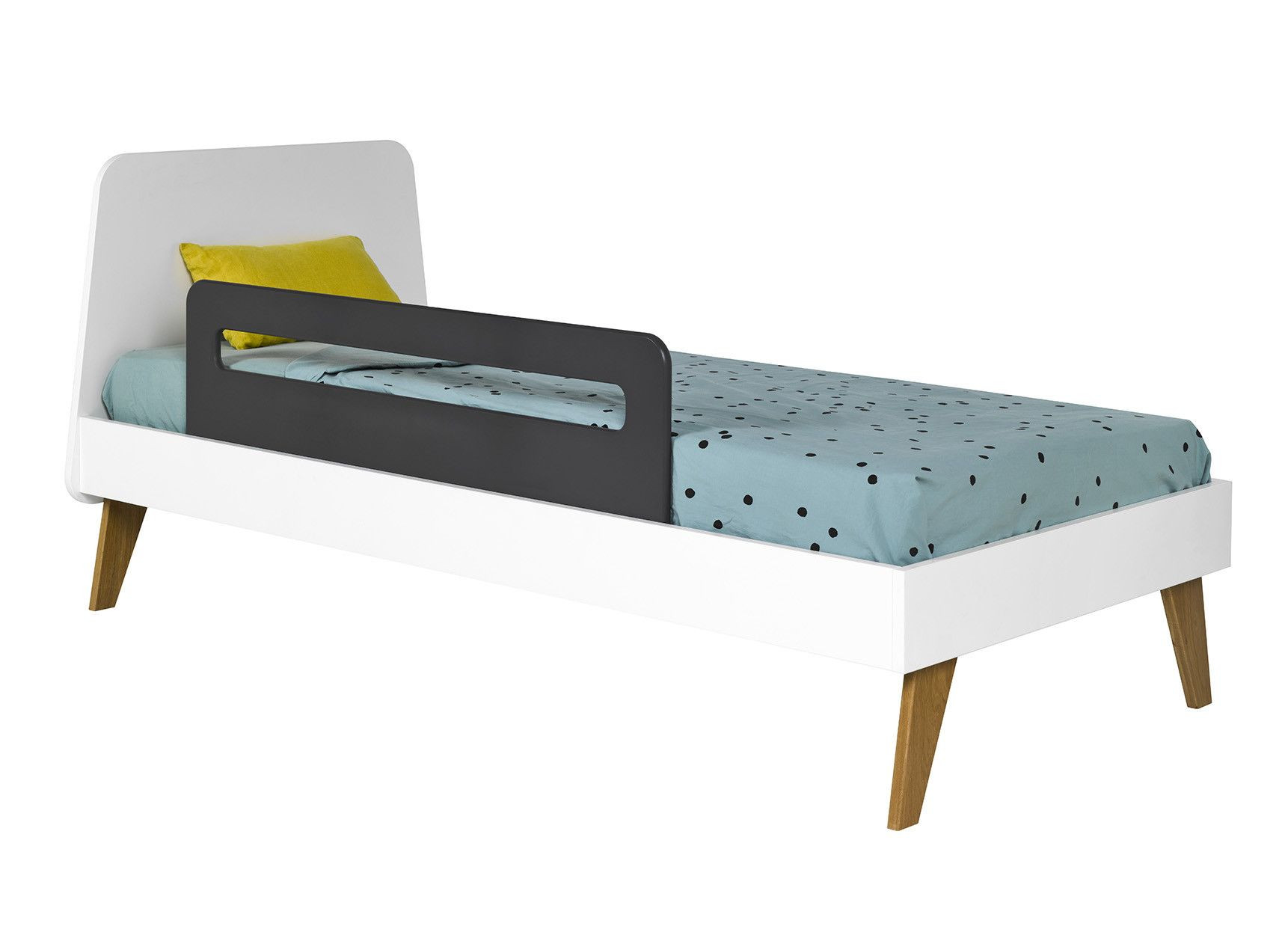
Choosing a Nateo Concept bed made from sustainable wood
Highlighting the benefits of solid wood. Nateo Concept offers sleeping solutions free from harmful substances. It is a healthy choice for wellbeing.
Linking furniture quality to sleep. A well-designed bed promotes optimal recovery. French craftsmanship ensures exemplary durability. Here are sustainable furnishings for the world of tomorrow.
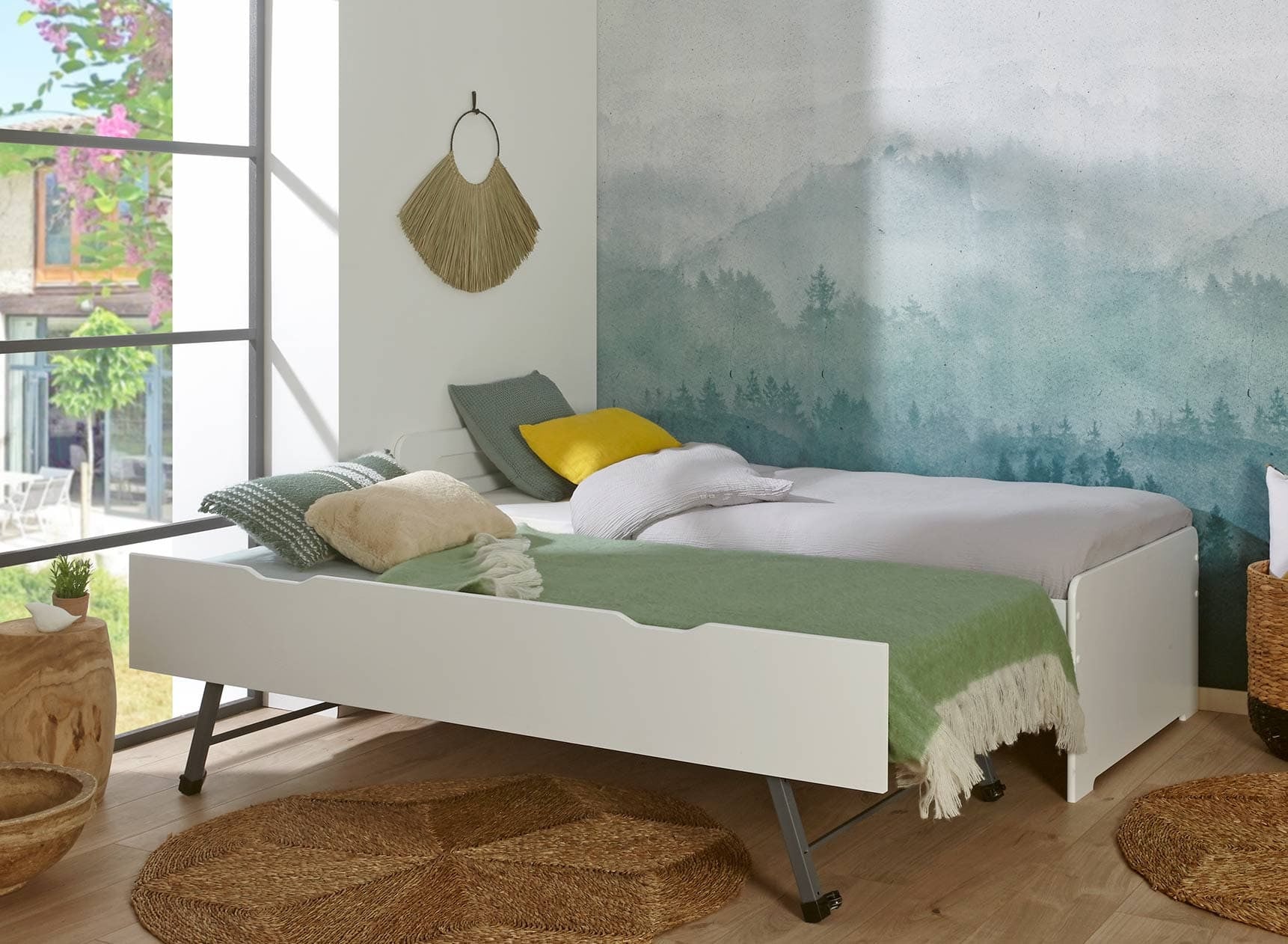
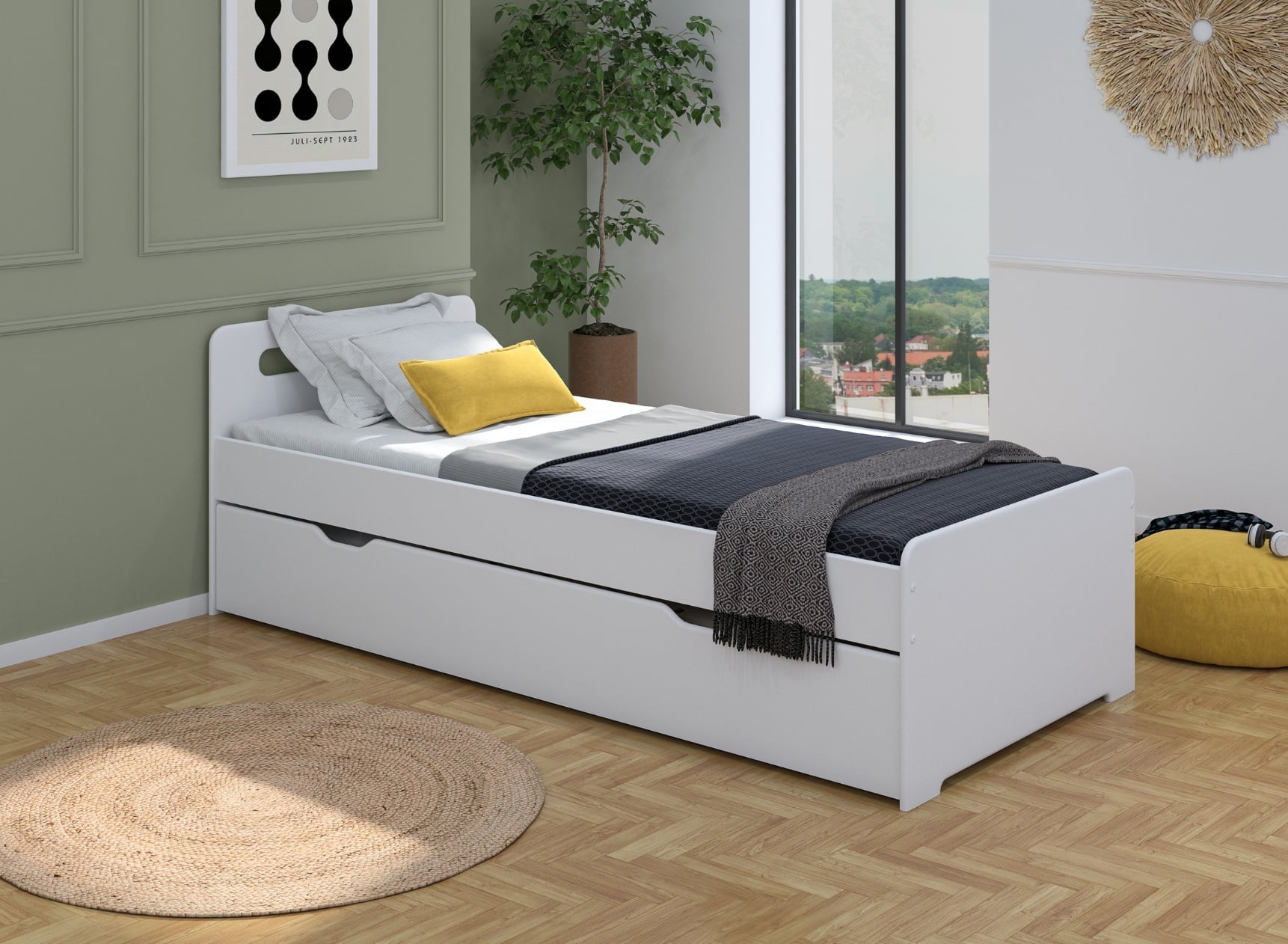
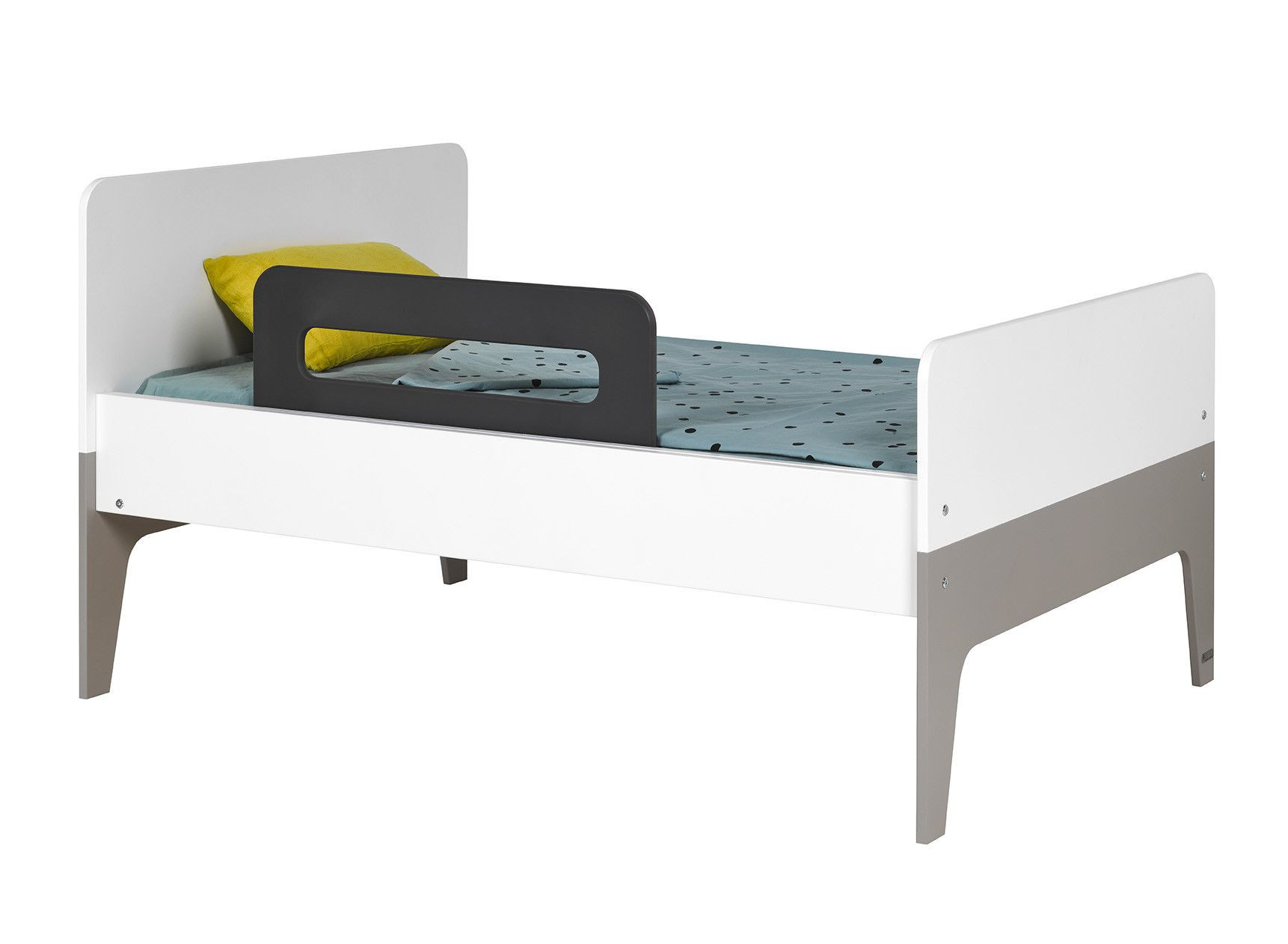
Explore our adaptable beds. They grow with your child without the need for digital accessories. Restorative sleep starts with the right natural equipment.
Managing children's screen time through clear rules and parental example protects their sleep and development. Replace the virtual with creative activities or natural furniture to establish a calming environment starting tonight. Give your child this healthy and sustainable environment for a serene future.
FAQ
What is the recommended screen time for a 3-year-old child?
Experts recommend less than one hour per day, ideally 30 to 40 minutes maximum. Before age 3, the recommendation is zero screen time. At this age, the child should not be left alone in front of images: the presence of an adult is essential to accompany and engage with them.
What is the recommended screen time for a 7 or 8-year-old child?
It is recommended to not exceed two hours per day, across all screens combined. Favor use in shared living areas to maintain a framework and ensure that content is appropriate.
How much screen time for a 9 or 10-year-old child?
The limit remains a maximum of two hours per day. It is important to maintain clear rules and establish screen-free moments, particularly during meals and at least one hour before bedtime.
Why avoid screens before going to sleep?
Blue light disrupts melatonin production, the sleep hormone. This can delay falling asleep and impair the quality of rest, leading to fatigue and attention difficulties.
How to help a child reduce screen time?
Offer stimulating alternatives: games, reading, hands-on activities, or outdoor time. Parents should also set an example and establish screen-free zones in the home, such as bedrooms or the dining room.
Sage green and wood bedroom: how to create a natural and soothing space
Children's bed size: the complete guide for healthy and safe sleep
How to decorate your bedroom with healthy materials?