How to Cool Down a Bedroom: Our Tips Without AC
Nateo CONCEPT
Cool bedroom without AC
The key takeaway: Keeping a bedroom between 16 and 20°C without air conditioning relies on nighttime cross-ventilation and the use of thermoregulating textiles such as linen or organic cotton. This natural approach protects your child's health by avoiding thermal shocks. A coconut fibre mattress and a TOG 0.5 sleeping bag effectively reduce nighttime perspiration.
Closing the shutters at dawn can reduce the indoor temperature by nearly 10°C without consuming any energy. Yet, despite these habits, the air often stagnates and turns your nights into a gruelling ordeal of stifling heat for the whole family.
I will help you master passive cooling techniques and the choice of natural textiles to know how to cool a bedroom effectively. Let's take stock of these healthy solutions to protect your children's sleep.
How to cool a bedroom with natural ventilation
Keeping a bedroom between 16 and 20°C without AC relies on nighttime cross-ventilation, the use of thermoregulating textiles such as linen or Oeko-Tex certified organic cotton, and the optimisation of airflow using reversed fans.
To go from a stuffy room to a healthy haven for your children, the first step is to tame draughts and sunlight.
Blocking solar radiation with shutters
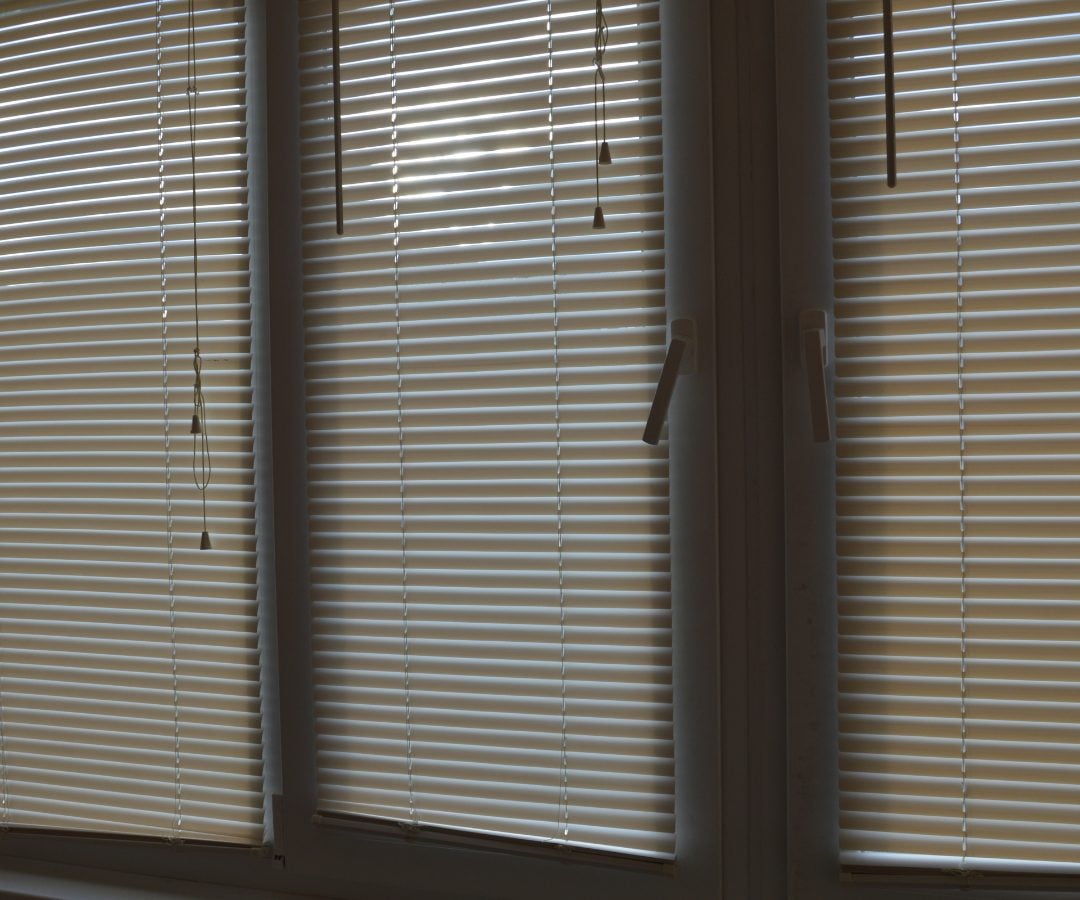
Close your shutters and curtains tightly at dawn. Give sunlight no chance to enter. The goal is to prevent the glazing from heating up. This physical barrier can reduce the temperature by 10°C.
Opt for light-coloured or reflective coverings on your windows. Dark colours absorb heat and diffuse it indoors. Well-fitted thermal curtains effectively block radiation. It is a lasting investment for your comfort.
Open your shutters only at the right moment. The outdoor air must be genuinely cooler than the ambient air. Be patient to preserve your cool.
Reversing airflow with a fan
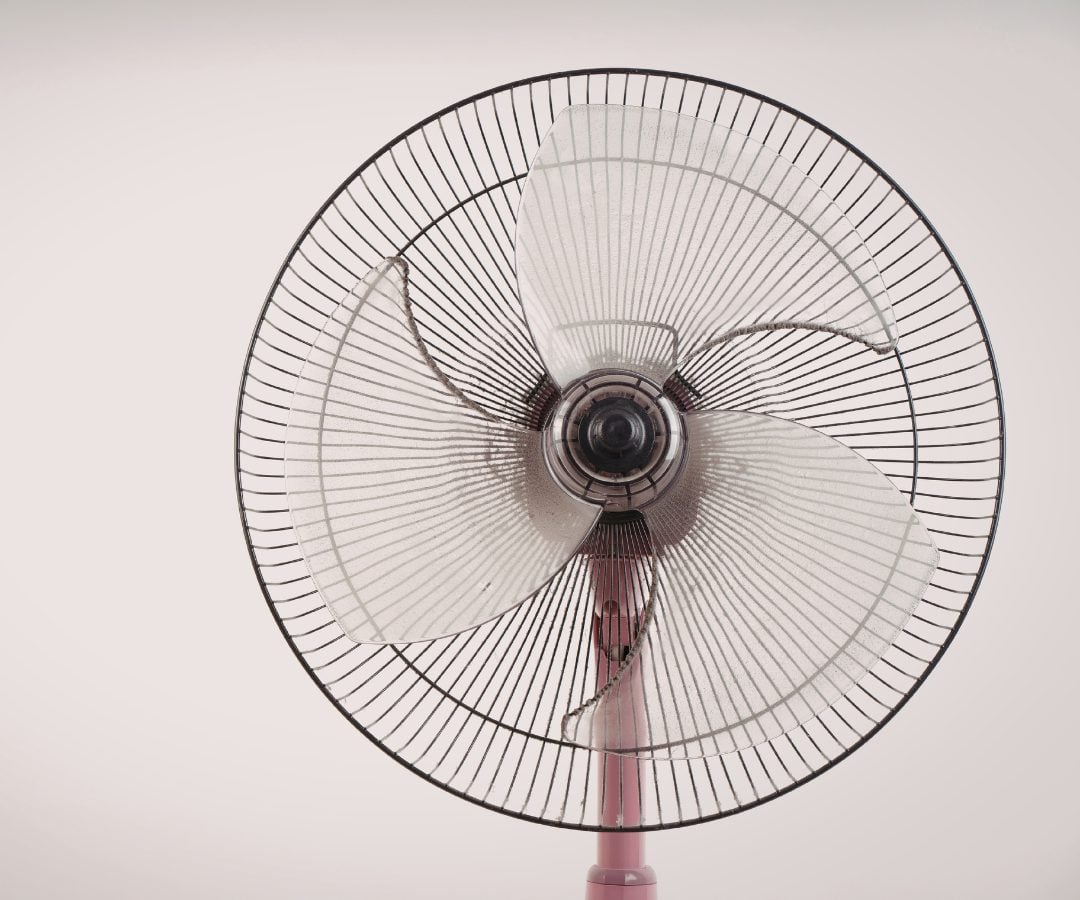
Point your fan towards the open window to expel hot air. This mechanical trick acts as a powerful extractor. It clears the room of its thermal heaviness in just a few minutes. This is far more effective than simply circulating the hot air.
Set your ceiling fans to summer mode. The blades should rotate counter-clockwise. This creates a downward breeze that immediately cools the skin. It is a natural and very pleasant sensation for little ones.
Position the device strategically as night falls. Force the entry of cool outdoor air towards the centre of the room. This accelerates nighttime cooling.
Mastering nighttime cross-ventilation
Open opposite windows simultaneously to create an effective draught. Wait until the outdoor temperature drops below the indoor temperature. This method expels heat accumulated in the walls. It is simple and completely free.
Use mosquito nets or voile panels on your openings. This allows you to leave windows wide open all night. You enjoy a continuous breeze without the intrusion of insects. Your sleep gains in serenity.
During the day, systematically close interior doors. This preserves the cool inertia of protected areas. Hot air no longer circulates needlessly.
Simple tips to create a cool retreat without AC
Beyond managing air, you can harness natural physical phenomena to lower the perceived temperature by a few extra degrees.
Refreshing the ambient air with green plants
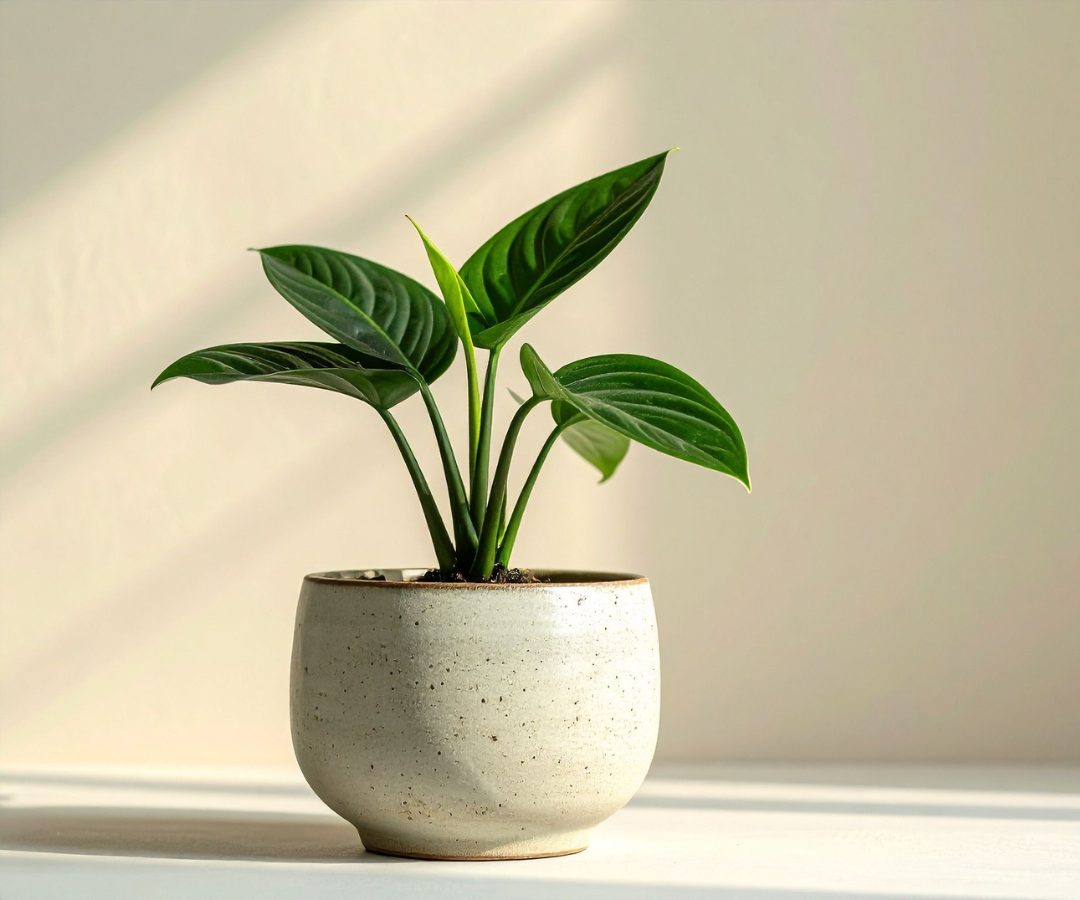
Some plants release moisture through evapotranspiration. Aloe vera and ferns act as thermal regulators. They cool the atmosphere of your home in a completely natural way.
- Aloe vera for its incredible resilience.
- Boston fern for its strong humidifying power.
- Indoor palm tree for its large, refreshing leaf surface.
One or two large plants are often enough. They also improve air quality. To protect your children, find out how to cool down your baby's room in summer effectively.
Moistening surfaces to gain a few degrees
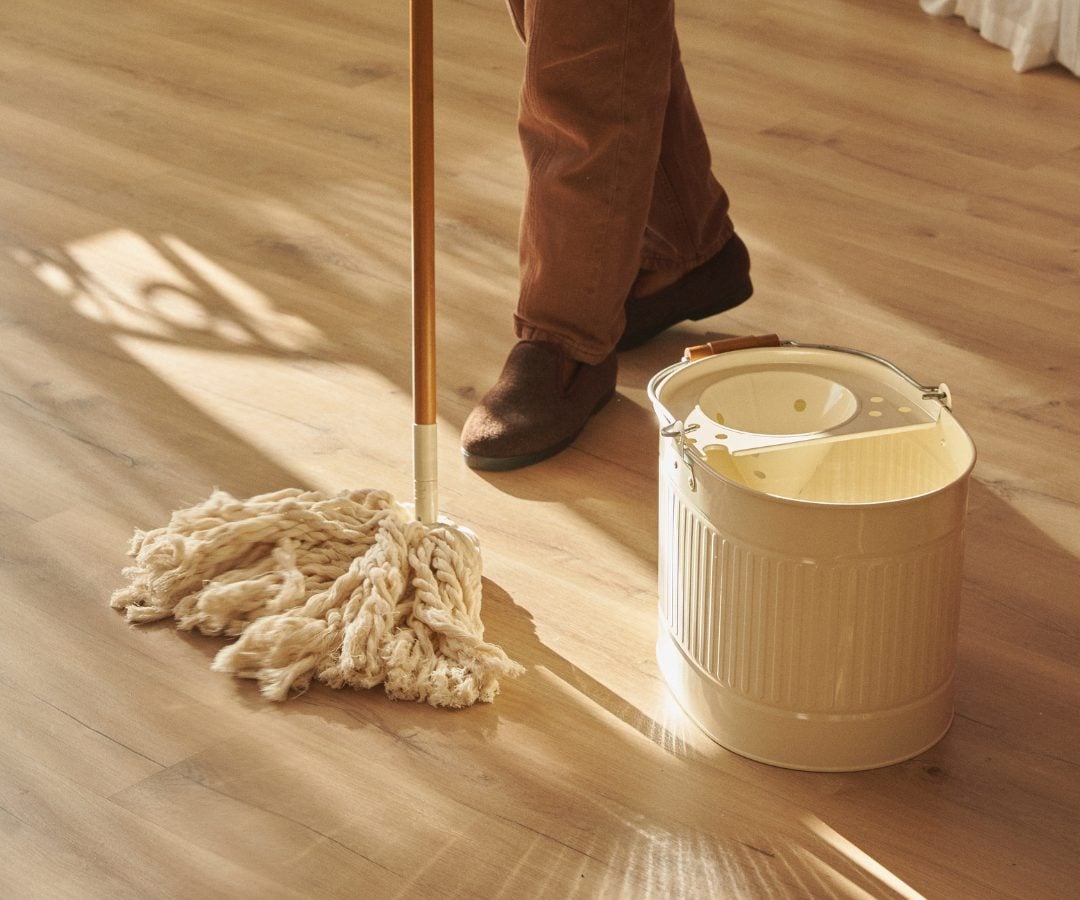
Mop the floor with cool water before going to sleep. The moisture absorbs the heat stored in the room. It is a quick action that radically changes how you feel at night.
Also use a mister on your light curtains. This creates an immediate barrier of damp freshness. The effect is very pleasant when even the slightest draught passes through the fabric.
Place bowls of cold water in the corners. They regulate ambient humidity. This prevents the air from becoming too dry and stifling.
Using the evaporative cooling of frozen bottles
Place frozen water bottles directly in front of your fan. The blown air cools instantly on contact with the ice. You thus create a genuine homemade air conditioner. It is simple and remarkably effective for your comfort.
Alternatively, hang a damp sheet in front of the open window. The evaporation of the water absorbs ambient heat. This mechanically cools the air entering your bedroom during the evening.
These methods are completely cost-free. They allow you to gain 2 to 3 degrees locally. All without any complex or expensive installation.
Breathable bedding, the cornerstone of thermal comfort
If the environment matters, your direct contact with textiles is key to dissipating body heat and preventing nighttime perspiration.
Choosing linen and Oeko-Tex certified organic cotton
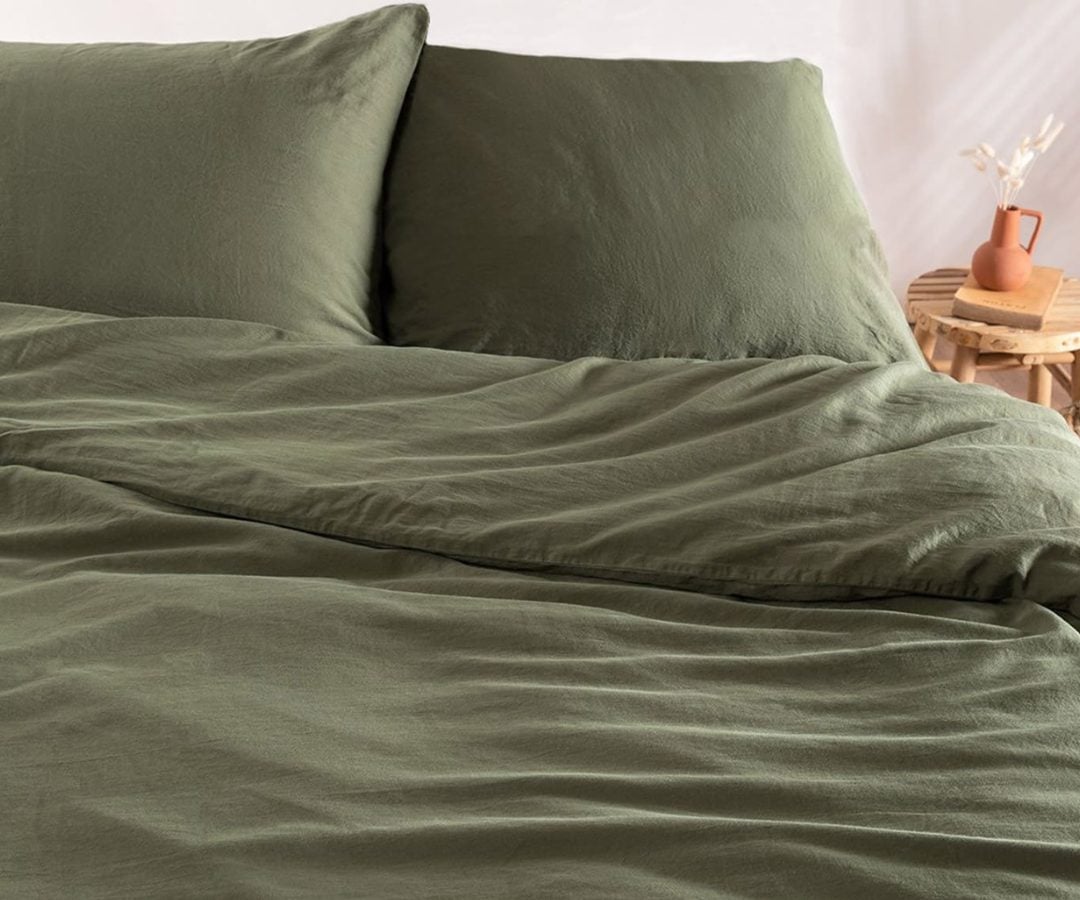
Natural fibres are your best allies. Linen and organic cotton act as true thermal regulators. They allow your skin to breathe freely, avoiding the suffocating feeling typical of synthetic materials that trap hot air.
Oeko-Tex certification is a major selection criterion. It guarantees the complete absence of harmful chemical substances. These healthy products preserve the breathability of the fabric while protecting your family's health during sleep.
Healthy bedding promotes deep rest. To create a soothing cocoon, feel free to choose the ideal colour for a harmonious bedroom, combining visual well-being with natural textile freshness.
Choosing a lightweight summer duvet cover
The secret lies in the weight of the filling. For the summer season, a 200 g/m² cover is perfect. It provides a reassuring layer without accumulating body heat under the sheets.
Linen often surpasses cotton during a heatwave. This fibre is four times more breathable than other textiles. It retains a surprisingly cool touch, even when the thermometer rises sharply.
Here is the ideal equipment for your summer nights:
- Linen duvet cover for maximum freshness.
- Organic cotton flat sheet for absolute lightness.
- Thermoregulating pillowcase to keep your head cool.
Caring for natural textiles to preserve freshness
Opt for washing your sheets at 40°C. This moderate temperature cleans effectively while protecting the elasticity of the fibres. This helps maintain the airy structure essential for good nighttime ventilation.
Avoid chemical fabric softeners in your wash cycles. These products end up clogging the natural pores of linen and cotton. The result: the textile loses its ability to absorb moisture and becomes less effective.
Air drying remains the gold standard method. Wind and sun restore volume to the fibres without damaging them.
Adapting the baby and child's bedroom to the heat
The youngest children are particularly sensitive to temperature variations, which requires specific precautions for their safety and rest.
Opting for a breathable mattress made from natural fibres
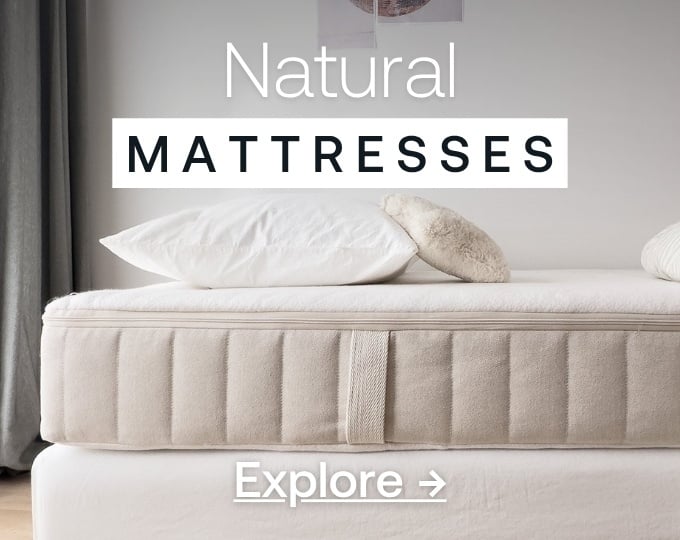
Avoid synthetic foam for your infant's bed. This material acts as a true thermal sponge, trapping heat. Opt instead for materials such as coconut fibre or bamboo. These natural fibres ensure optimal ventilation.
The choice of bed base is equally important for comfort. A slatted model allows continuous air circulation under the mattress. This configuration prevents moisture build-up. It also limits the retention of residual nighttime heat.
A healthy environment requires suitable equipment. To go further, discover our tips on how to protect your baby from the heat in summer effectively. Natural bedding makes all the difference.
Maintaining healthy humidity levels for safe sleep
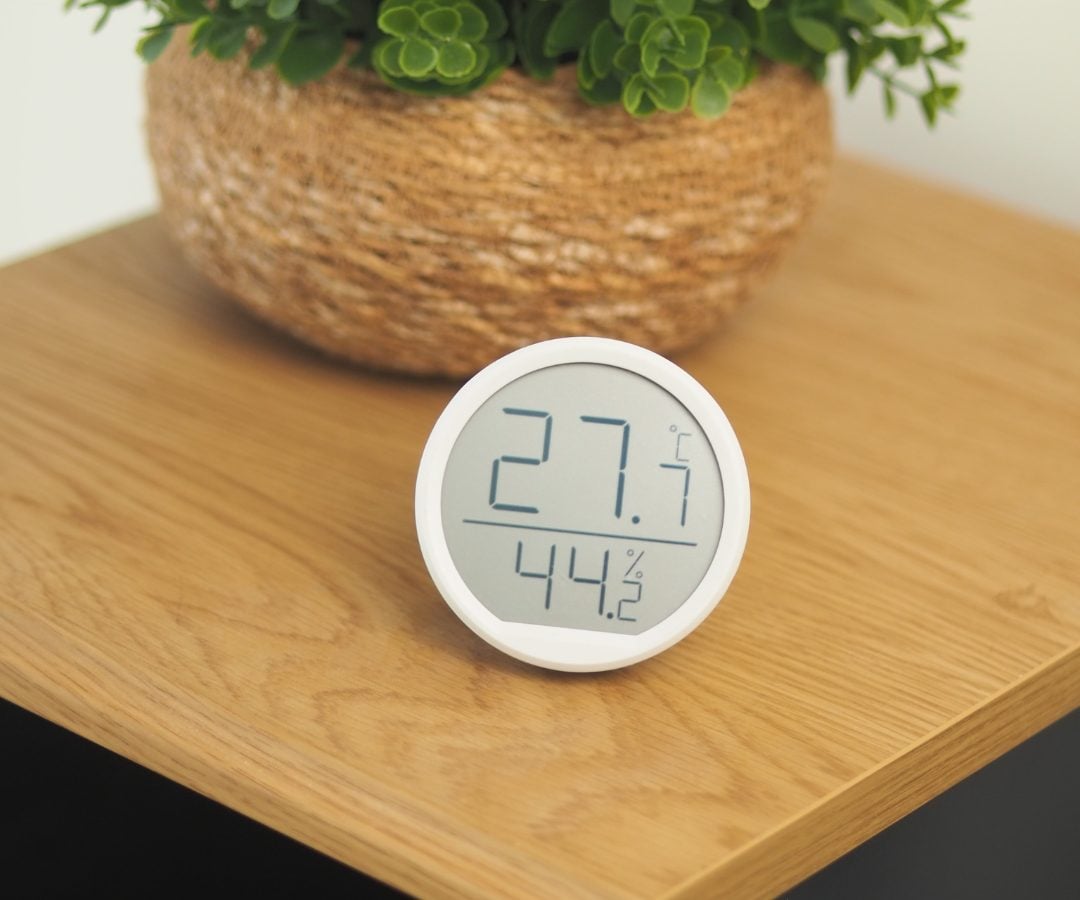
The ideal humidity level should be between 40 and 60%. Air that is too dry irritates sensitive airways. Conversely, air that is too humid creates a stifling, uncomfortable feeling of heat.
Using a precise room thermometer is strongly recommended to monitor the environment. Place it away from windows or draughts. This prevents distorting the actual room readings. Precision ensures safety.
If you use a fan, follow strict rules. Never direct the airflow directly towards the child's bed. Diffusion must remain indirect and gentle. This allows the room to be cooled without causing discomfort.
Starting tonight, adopt cross-ventilation, daytime blackout and Oeko-Tex certified linen textiles to transform your sleep. By mastering how to cool a bedroom, you offer your family a healthy and lasting haven. Finally enjoy peaceful nights and immediate natural freshness.
Choosing a low TOG sleeping bag
The TOG index measures the thermal capacity of a nightwear garment. For summer, a TOG of 0.5 in organic cotton is recommended by experts. It is the minimum thickness guaranteeing safe sleep without the risk of overheating.
Clothing plays a key role in bodily regulation. Loose garments made from plant-based fibres facilitate the evaporation of perspiration. Avoid over-dressing the child at night. Simplicity remains the best ally against heatwaves.
- TOG 0.5 sleeping bag
- Short-sleeved organic cotton bodysuit
- Regular check of the back of the neck to monitor temperature
FAQ
How can I lower the temperature in my bedroom without using air conditioning?
To naturally cool your sleeping space, the most effective tip is to block heat before it enters. Close your shutters, blinds, or curtains at dawn to reduce the indoor temperature by nearly 10°C. You can also create a healthy atmosphere by placing plants such as aloe vera or Boston fern, which release moisture through evapotranspiration.
Don't hesitate to use simple methods like hanging a damp sheet in front of the window or mopping the floor with cool water before going to sleep. These evaporative cooling techniques can help you gain a few precious degrees of comfort for the whole family, while remaining completely eco-friendly.
What is the best way to ventilate the bedroom during a heatwave?
The golden rule is to practise cross-ventilation only when the outdoor air becomes cooler than the indoor air, generally at nightfall. Open the windows and interior doors to create a purifying draught. For added comfort, installing mosquito nets will allow you to leave windows open all night without worrying about insects.
During the day, keep the bedroom door firmly closed to lock in the accumulated cool air. If you use a fan, point it towards the open window in the evening to expel stagnant hot air outside and force in the cool night air.
What bedding should I choose to avoid getting too hot at night?
For a peaceful, sweat-free sleep, opt for natural, breathable materials such as linen or Oeko-Tex certified organic cotton. These thermoregulating fibres allow your skin to breathe, unlike synthetic materials. A lightweight 200 g/m² duvet cover is ideal for summer.
Also consider caring for your sheets: washing at 40°C without chemical fabric softener preserves the fibres' absorption capacity. For an immediate feeling of freshness at bedtime, you can even spray a little cool water on your sheets or place a cold water bottle at your feet.
How can I effectively protect my baby from the heat in their bedroom?
Your child's safety depends on a healthy environment. Choose a breathable mattress made from coconut and bamboo fibres, which prevents the heat build-up typical of synthetic foams. For sleep, a TOG 0.5 organic cotton sleeping bag is recommended to regulate body temperature without covering them excessively.
Make sure to maintain humidity between 40 and 60% using a precise room thermometer. If you use a fan, never direct the airflow directly towards the baby's bed to avoid cold draughts, but instead favour an indirect and gentle diffusion throughout the room.
Is it useful to unplug electrical devices to cool down the room?
Absolutely, it is a simple but very effective step to limit internal heat sources. Chargers, televisions on standby, and even incandescent light bulbs release a significant amount of residual heat. By replacing your bulbs with compact fluorescent lamps and unplugging your devices, you purify the atmosphere of your bedroom.
This habit, in addition to being beneficial for your thermal comfort, is part of a sustainable and economical approach, thereby reducing energy consumption during periods of intense heat.
Sage green and wood bedroom: how to create a natural and soothing space
Children's bed size: the complete guide for healthy and safe sleep
How to decorate your bedroom with healthy materials?